
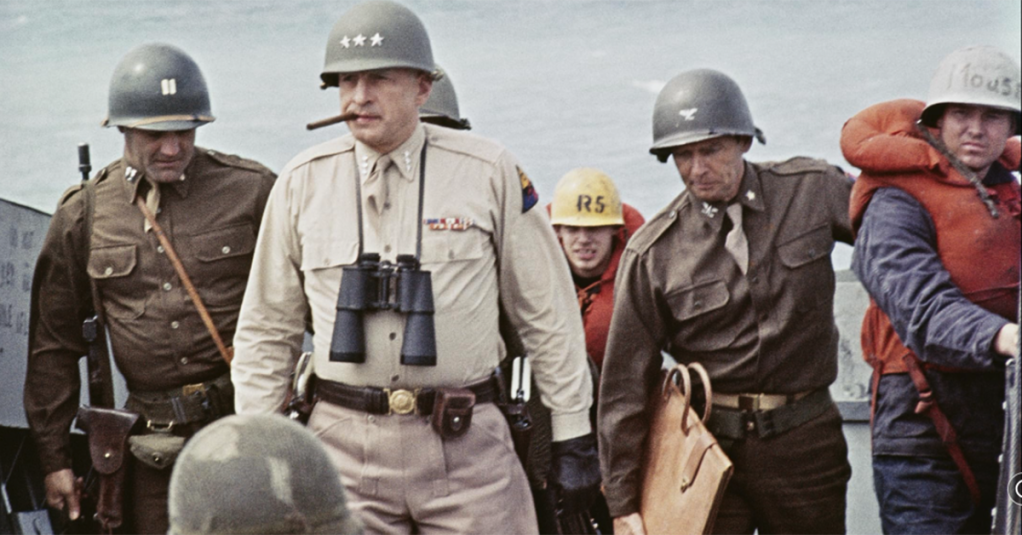
When “Patton” debuted in movie theaters in 1970, it attracted plenty of box-office buzz. Moviegoers flocked to see it, critics generally approved of the portrayal of the enigmatic World War II general, and President Richard Nixon liked it.
None of those people were Gen. George S. Patton’s flesh and blood. Ruth Ellen Patton Totten was. When one of Patton’s daughters wrote to producer Frank McCarthy and complimented the movie, that was all the validation he needed.
“Aren’t you glad you achieved [your triumph] with no help from anyone in the family except… G.S.P. Jr. himself!” Ruth Ellen conveyed to McCarthy, according to a 1971 New York Times article.
Related: Patton’s speech was way more vulgar than the one in the movie
McCarthy, a former brigadier general in the U.S. Army, knew Patton. When he transitioned from the battlefield to Hollywood, McCarthy desperately wanted to make a movie about the volatile general, warts and all. He first pitched the idea to Twentieth Century Fox in 1951, and the studio liked the idea.
Bringing “Patton” to the big screen required time, patience, and the soothing of too many overly inflated egos to count. Nearly two decades later, the finished product is one of the best military movies ever. Here are five reasons why the making of “Patton” started down a long and winding road that lasted two decades.
1. Patton’s Family Vigorously Resisted.
Patton | #TBT Trailer | 20th Century FOX
McCarthy rightly thought it important to receive the approval of Patton’s family before committing anything to film. (Patton died December 21, 1945, in Germany after complications from a car accident that left him paralyzed.) They weren’t on board, especially Patton’s widow, who harbored a lingering resentment toward the media for their portrayal of her husband, historian Carlo D’Este wrote in “Armchair General” magazine in 2014.
After Beatrice Patton died in 1953, McCarthy potentially saw an opening. But the general’s surviving children, George and Ruth Ellen, rejected overtures from Hollywood as well, D’Este noted. George, a longtime military officer, created another roadblock to production when he convinced the Army not to cooperate in the filming.
It took years, but the family finally relented and approved of McCarthy’s “Patton” project.
2. They Couldn’t Agree on a Suitable Script.
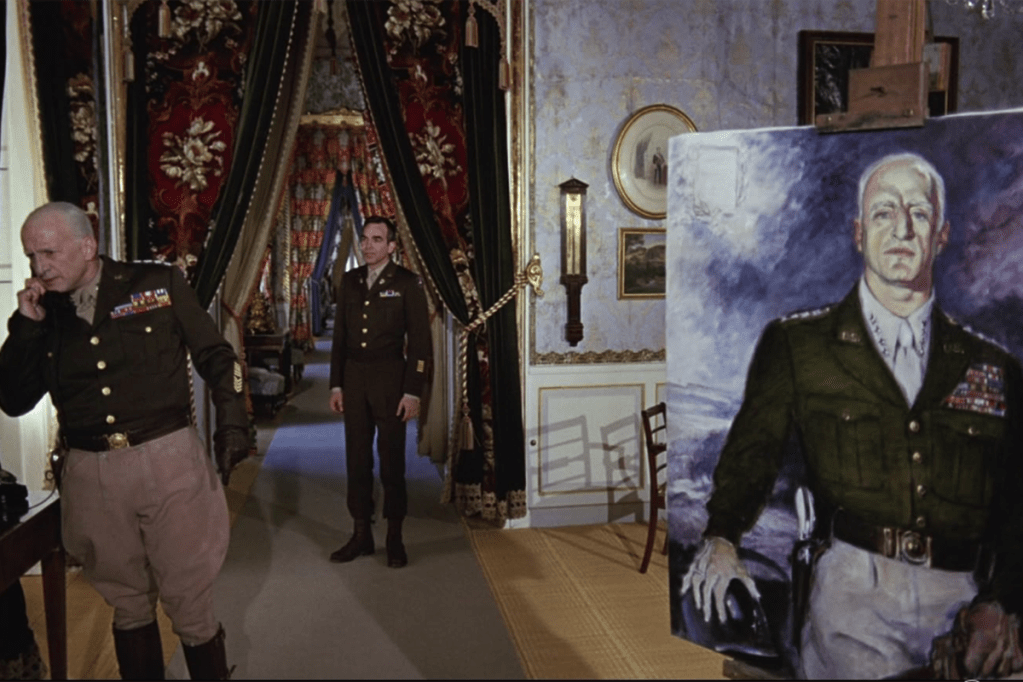
Movies don’t go a decade-plus before releasing a finished product without some creative differences. Some key players associated with “Patton” butted heads more than a stubborn teenager and their parents. A key sticking point concerned the script.
Robert S. Allen, a former colonel on Patton’s Third Army staff, took a crack, as did author and screenwriter Calder Willingham. Neither attempt landed close to what the decision-markers envisioned. Next up was a 23-year-old writer looking for his first big opportunity. McCarthy asked a scraggly looking Francis Ford Coppola (the “Godfather” movies, “Apocalypse Now”) how much he knew about Patton, D’Este related.
“World War II, isn’t he?” Coppola replied.
We hope Coppola was joking. Either way, Coppola relied on a couple of books—one of them was Gen. Omar Bradley’s “A Soldier’s Story”—to produce an improved script. It still needed some work, however. Writer Edmund North refined Coppola’s version, and they finally had a script that received a collective thumbs up from the production team.
3. No One Wanted to Play Patton
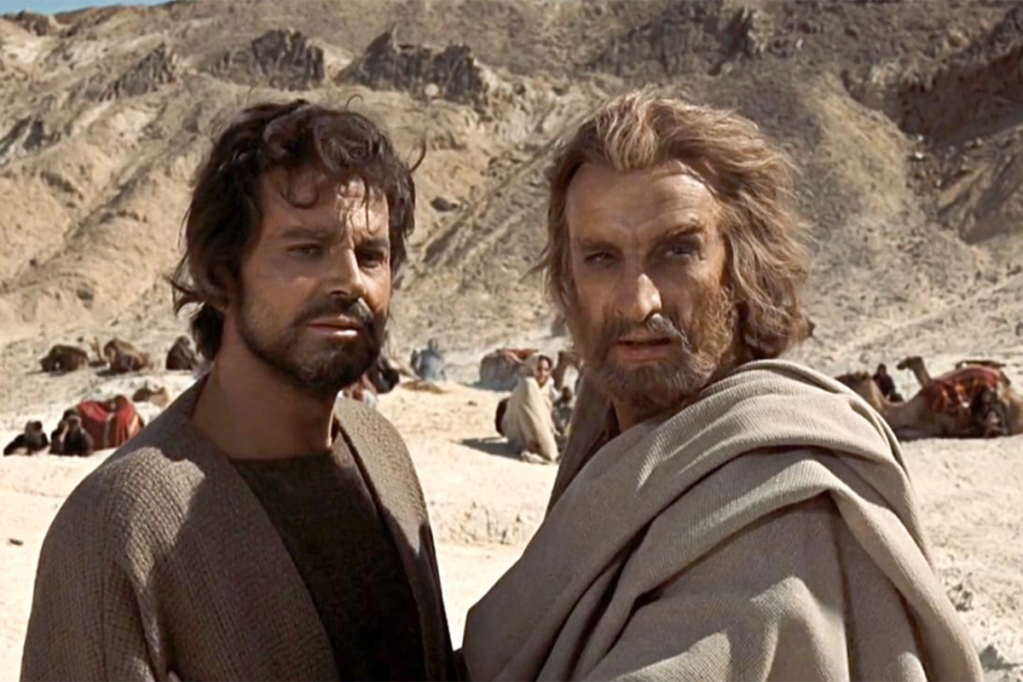
Well, at least, not anyone that McCarthy and others approached about the role.
John Wayne (“Sands of Iwo Jima”) wasn’t interested, and neither, according to various reports, were Burt Lancaster (“From Here to Eternity”), Lee Marvin (“The Dirty Dozen”), Robert Mitchum (“The Story of G.I. Joe”), or Rod Steiger (“In the Heat of the Night”). McCarthy also considered Spencer Tracy (“Judgment at Nuremberg”) for the role. Ronald Reagan—California’s governor at the time and a future president—reportedly expressed interest that wasn’t reciprocated.
McCarthy’s search ended when Darryl F. Zanuck, co-founder of 20th Century Fox, showed him the film “The Bible… in the Beginning,” according to The New York Times. The movie starred Richard Harris, Peter O’Toole, and John Huston, but Zanuck wanted McCarthy to focus on the actor playing Abraham. It was George C. Scott.
Although well-respected within acting circles at the time, Scott wasn’t a household name before “Patton.” But McCarthy agreed with Zanuck: Scott was the one.
4. The Search for a Director Took Some Time
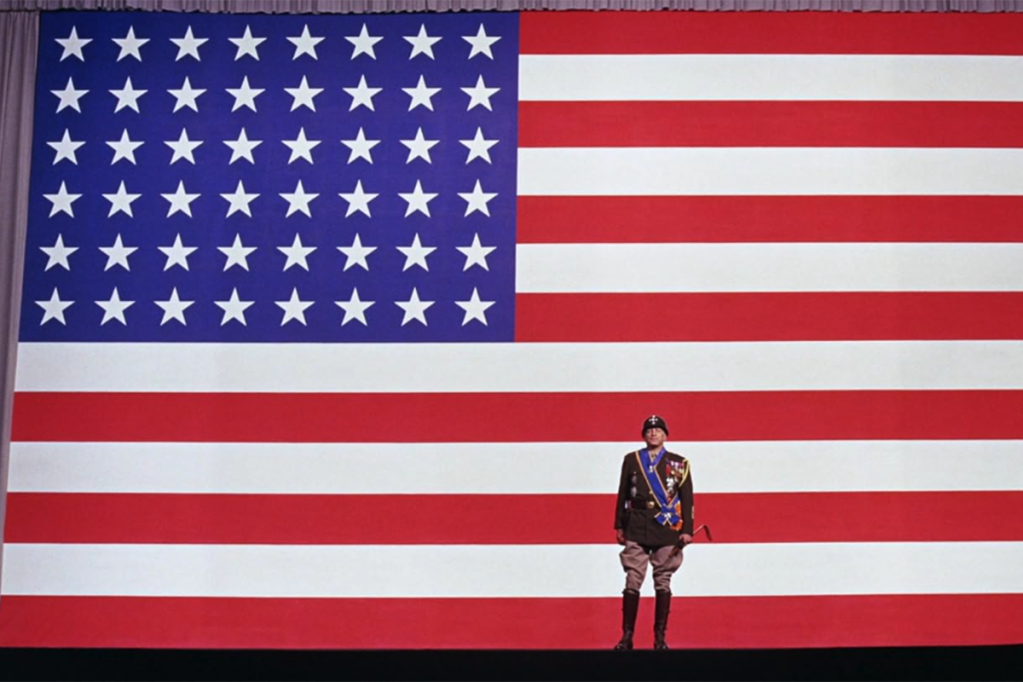
William Wyler (“Ben-Hur”) initially was attached to making “Patton,” but he pulled out for multiple reasons. That sent McCarthy on another hunt for someone who could bring Coppola and North’s script to the big screen. He and the studio considered others, including Huston, before they settled on Franklin Schaffner (“Planet of the Apes”). He was an inspired choice, and it turned out to be the right one.
5. They Needed Authentic-Looking Military Equipment
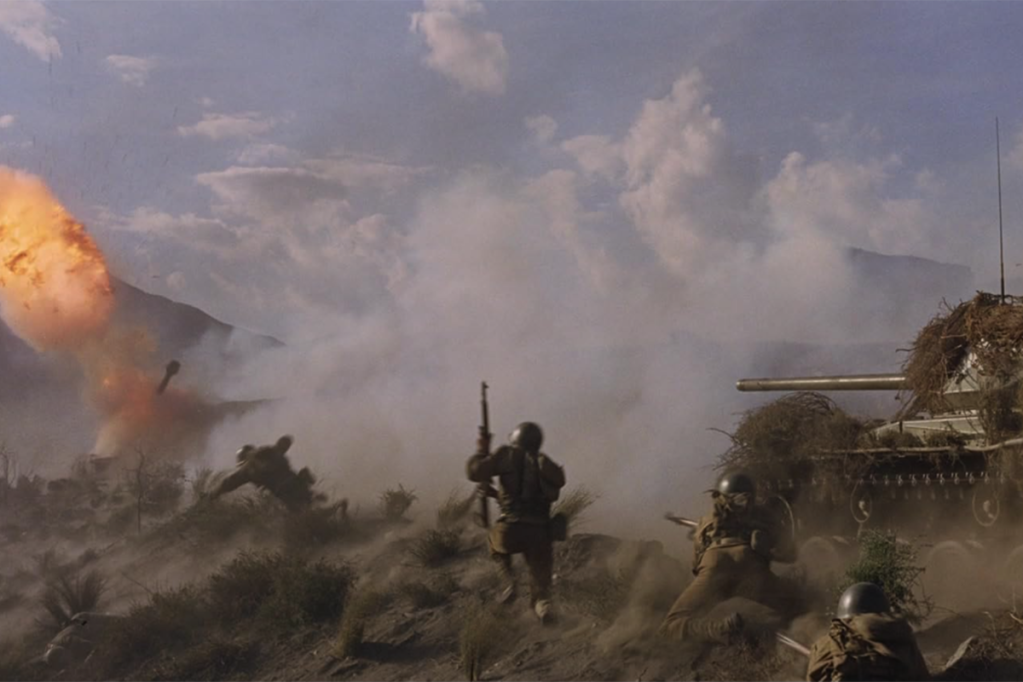
After the Defense Department initially withheld its support, McCarthy needed a work-around to find tanks and other military equipment for his movie, D’Este explained. He discovered that the Spanish army had the requisite equipment available.
Filming finally began on February 3, 1969, but McCarthy then encountered another problem. He intended to use approximately 4,000 Spaniards as extras. That didn’t work because most of them didn’t physically resemble American soldiers. The production team tried to hide them in the background as much as possible. For close action sequences, “Patton” hired English, German, and Scandinavian young men as extras, D’Este noted.
That wasn’t the end of the issues with the Spaniards.
“When we showed [the Spanish army] the script, they refused at first to believe our portrait of Patton was accurate; for where Patton was a bastard, George C. Scott depicts him as a bastard,” McCarthy said in D’Este’s article. “They wouldn’t use the army to make the film, they said, because it would be an insult to the comradeship of arms. I had to get the authenticity and the portrayal of Patton certified by the U.S. Army’s historical section before they’d agree.”
There were other problems, including Scott’s drinking, but in the end, “Patton” proved worth all the headaches it caused. It took home seven Oscars at the 1971 Academy Awards, including for Best Picture, Best Actor, and Best Director. Although Scott famously refused to accept the Oscar, that didn’t change the fact that “Patton” was a career-making turn for the veteran actor.
Don’t Miss the Best of We Are The Mighty
• The 8 reincarnations of General George S. Patton
• The reason Gen. George Patton is buried in Luxembourg
• The American general most respected by the Nazis might surprise you
Featured


Loading comments…
Comments couldn’t be loaded. Please refresh the page.