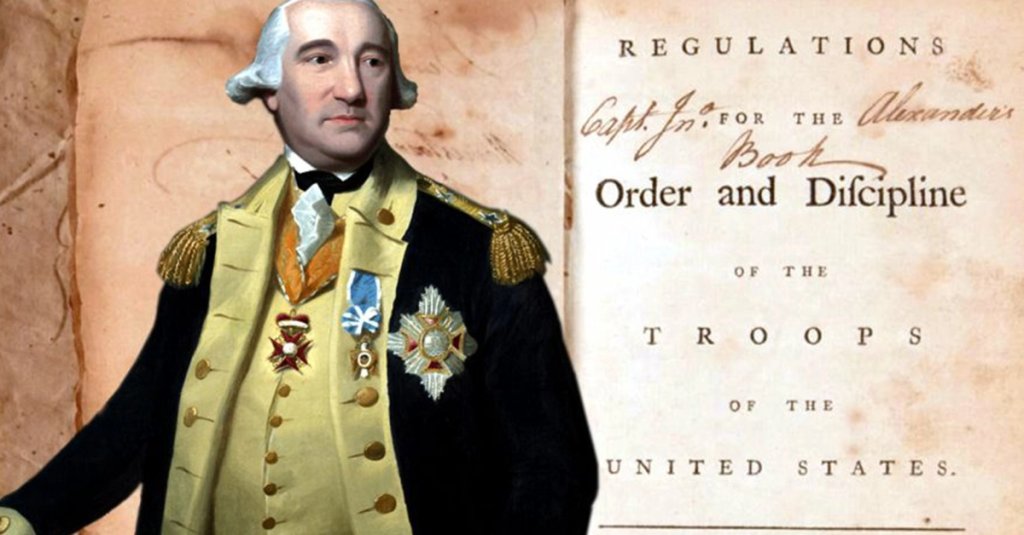
Friedrich Wilhelm von Steuben did not arrive in America as a conqueror or a celebrated general with armies at his command. He arrived as a professional soldier without a commission, without wealth, and without fluency in English. What he possessed instead was knowledge.
At a time when the Continental Army lacked uniform training, consistent discipline, and professional standards, von Steuben provided the structure necessary for liberty to endure.
Also Read: The Battle of Stony Point shows just how good Baron von Steuben’s training was
As the United States approaches its 250th anniversary, it’s time to examine the deeper foundations of American independence. The Revolution was not won solely by ideals, speeches, or courage. It was sustained through organization, discipline, adaptation, and leadership during moments of near collapse. Among the figures who ensured the survival of the revolutionary cause, few had a more lasting and transformative impact than Baron von Steuben.
His work at Valley Forge in the winter of 1777–1778 did not merely prepare soldiers for the next campaign. It shaped Americans’ understanding of military service, leadership, and national defense for the next 250 years. Von Steuben’s legacy reminds us that freedom must be learned, practiced, and preserved through disciplined effort.
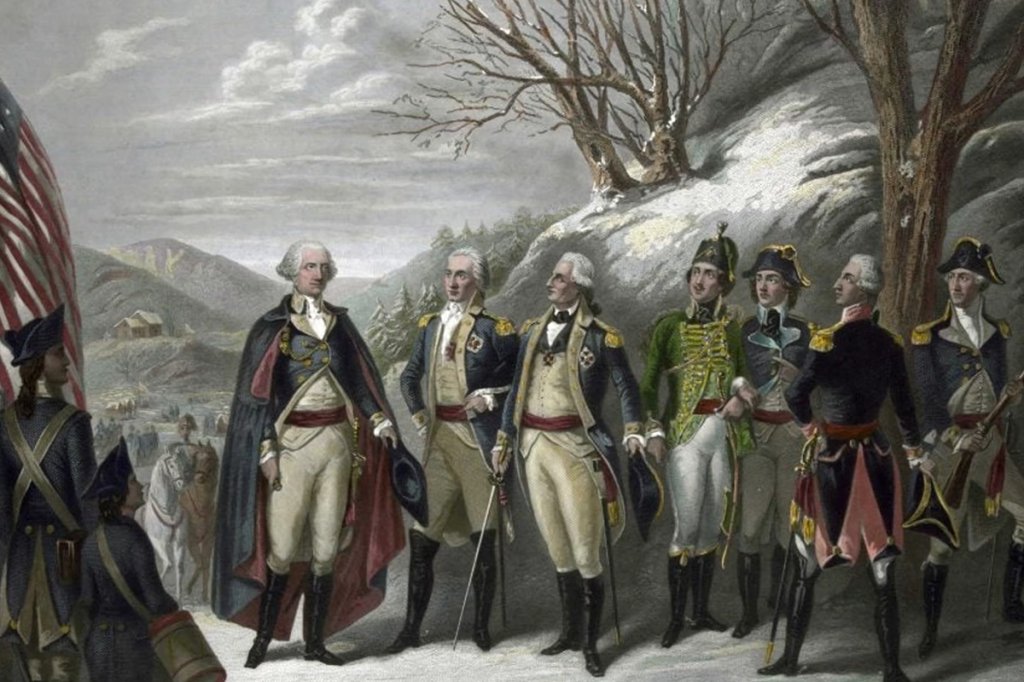
From Prussia to Revolution
Friedrich Wilhelm von Steuben was born in 1730 in Magdeburg, in the Kingdom of Prussia, one of Europe’s most militarized states. His upbringing occurred in a culture in which military professionalism was considered essential to national survival. His father was an officer in the Prussian army, exposing young von Steuben to military life, hierarchy, and discipline at an early age.
He entered military service during the Seven Years’ War, one of the most significant conflicts of the 18th century. Serving under King Frederick the Great, he gained experience in large-scale warfare, battlefield maneuver, and the rigorous training systems that made Prussia’s army the envy of Europe. Prussian soldiers were drilled relentlessly, expected to function as cohesive units rather than independent fighters, and trained to maintain discipline even under intense pressure.
Despite his background, his postwar life was uncertain. Like many officers after the Seven Years’ War, he struggled to secure long-term employment. Through diplomatic contacts in France, he learned of the American struggle for independence. Recognizing both a cause worth serving and an opportunity to apply his skills, von Steuben volunteered his services. He sailed for North America in 1777, fully aware that the Continental Army lacked the resources, experience, and organization of European forces.
What he could not have known was just how desperate the situation truly was.
Valley Forge
When he arrived at Valley Forge in February 1778, the Continental Army was enduring its most severe test. The winter encampment was marked by hunger, cold, disease, and despair. Soldiers lacked adequate clothing, many marching barefoot through snow stained with blood. Supplies were scarce, pay was irregular, and morale was dangerously low.
Beyond physical suffering, the army suffered from structural weaknesses. There was no standardized training system. Each colony drilled its men differently, and many soldiers had received little formal instruction at all. Officers often lacked experience, discipline varied widely, and battlefield coordination was unreliable. Disease spread rapidly due to poor sanitation, claiming more lives than British muskets.
George Washington understood that the army could not survive another year in such condition. He needed not merely reinforcements, but reform. Von Steuben quickly demonstrated that he was the man for the task.
Washington recognized von Steuben’s confidence, competence, and willingness to work directly with the troops. Though Congress had not yet granted him a formal rank, Washington appointed him acting Inspector General, giving him authority to assess, train, and reorganize the army. This decision would prove decisive.
Teaching an Army How to Fight Together
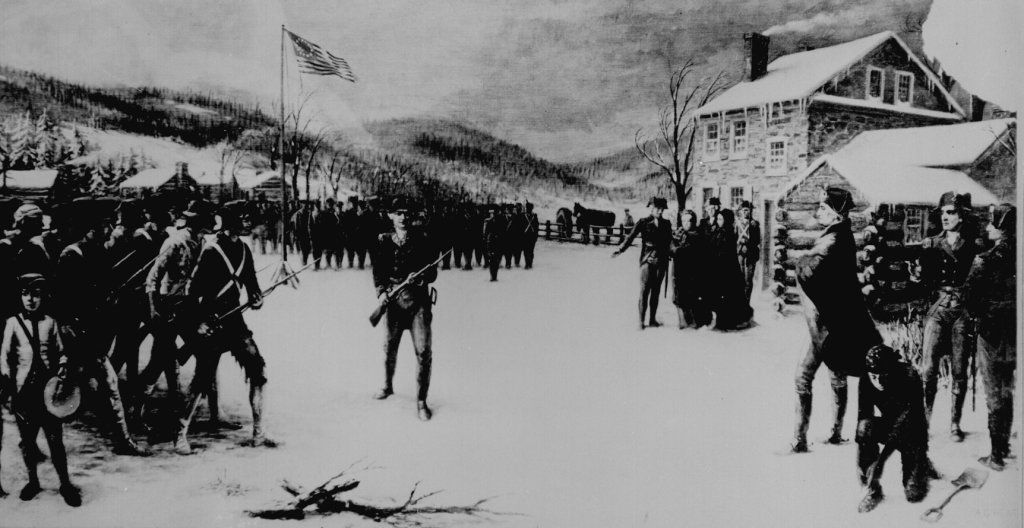
Rather than attempting to impose sweeping reforms all at once, von Steuben adopted a practical and innovative strategy. He selected a “model company” of approximately one hundred men, drawn from various regiments. These soldiers represented a cross-section of the army and would serve as instructors, once trained.
Von Steuben personally drilled this company, focusing on battlefield essentials. He taught soldiers how to load and fire their muskets efficiently, reducing wasted motion and increasing rate of fire. He emphasized precise marching, formation changes, and unit cohesion. Most importantly, he trained soldiers extensively in bayonet combat.
British troops relied heavily on bayonet charges, often breaking American lines through intimidation rather than actual contact. Von Steuben reversed this psychological imbalance by teaching American soldiers to meet bayonet attacks with confidence and control. Soldiers learned that disciplined formations and aggressive movement could neutralize British advantages.
Once trained, members of the model company returned to their regiments and passed on their instruction. This method created a multiplying effect, spreading standardized drill throughout the army while building confidence and pride among the troops.
The “Blue Book”
Von Steuben’s most enduring contribution was his creation of a standardized training manual titled “Regulations for the Order and Discipline of the Troops of the United States.” Known as the “Blue Book,” this document became the first official manual of the American Army.
The Blue Book addressed every aspect of military life. It standardized drill movements, defined unit organization, and established clear chains of command. It explained how to form lines, columns, and squares, ensuring that soldiers from different colonies could fight as one unified force.
Beyond battlefield tactics, the manual included guidance on camp sanitation, guard duty, inspections, and daily routines. These regulations instilled predictability, accountability, and professionalism. Soldiers knew what was expected of them, and officers understood how to enforce standards fairly. It remained the Army’s primary training manual until the War of 1812.
Direct Instruction and Shared Hardship
Von Steuben departed sharply from traditional training methods. Rather than delegating instruction solely to noncommissioned officers, he personally drilled troops, demonstrated movements himself, corrected mistakes on the spot, and demanded excellence through repetition.
Language barriers did not hinder his effectiveness. Von Steuben issued commands in German and French, punctuating them with expressive gestures and, on occasion, colorful profanity. Officers such as Alexander Hamilton and Nathanael Greene translated his instructions into English to ensure clarity. Soldiers soon learned to anticipate his expectations, responding to tone and movement as much as words.
Despite his strictness, he earned the respect and loyalty of the troops. He lived simply, endured the same hardships, and never asked soldiers to do what he would not do himself. His leadership style combined authority with genuine investment in their success.
He also understood that discipline extended beyond the battlefield. Disease had ravaged armies throughout history, and the Continental Army was no exception. He introduced standardized camp layouts designed to reduce illness and confusion. Kitchens were placed uphill from living quarters to prevent contamination. Latrines were positioned downhill and away from water sources. Camps were organized in orderly rows, improving accountability and efficiency. Regular inspections enforced cleanliness and order.
These reforms dramatically reduced sickness and death, preserving manpower at a critical moment. In many ways, von Steuben’s sanitation policies saved as many lives as his battlefield training.
Tested Under Fire: The Battle of Monmouth
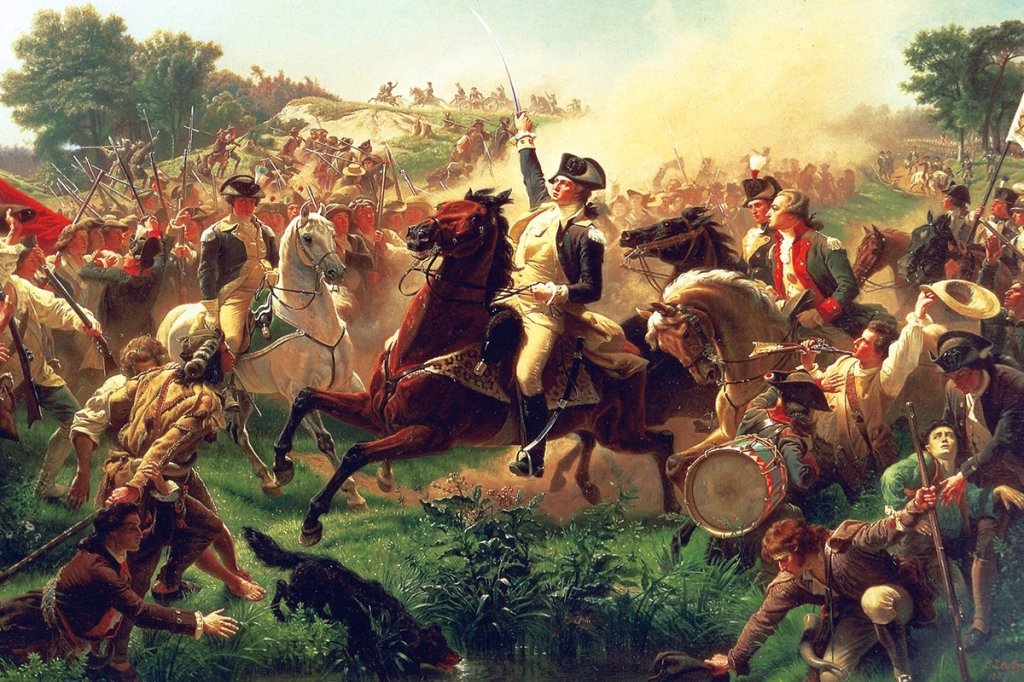
The effectiveness of von Steuben’s reforms became clear at the Battle of Monmouth in June 1778. Facing British regulars in brutal heat, American troops demonstrated discipline, cohesion, and resilience. They maneuvered effectively, held their ground, and executed coordinated actions under fire.
Though the battle ended in a draw, its significance was immense. The Continental Army proved it could stand against one of the most powerful military forces in the world. The psychological transformation was profound. American soldiers no longer saw themselves as inferior.
America 250
In May 1778, Congress officially appointed von Steuben Inspector General with the rank of major general, recognizing the extraordinary transformation he had achieved. He continued to refine training standards and inspect units across the army. Later in the war, he supported Gen. Nathanael Greene in the Southern Campaign, helping to reorganize forces critical to eroding British control. At the Siege of Yorktown, he commanded a division of Continental troops, contributing directly to the victory that secured American independence.
After the war, von Steuben remained in the United States, becoming a citizen and living modestly in New York. Though Congress eventually granted him a pension and land, he never sought fame or power. His legacy was institutional rather than personal. The professional ethos he established became the foundation of the United States Army. Concepts of standardized training, discipline, sanitation, and leadership remain central to American military doctrine today.
As America celebrates its 250th anniversary, Baron von Steuben’s story reminds us that liberty must be defended not only by ideals but by preparation, discipline, and unity. His legacy stands as a testament to the power of structure in the service of freedom.
Don’t Miss the Best of We Are The Mighty
• How Henry Knox became the artillery genius of the Revolutionary War
• The original US Navy was an armada of American rebels and privateers
• Nathanael Greene: The Revolutionary War’s most underrated leader