
In 1948, Luther Herschel Story wanted to join the U.S. Army. Because he was only 16 years old, it wasn’t his decision alone to make. The high school sophomore needed his mother’s consent.
Florence Story provided it. When she signed documents allowing her son to join the military, she listed his birthdate as July 20, 1931. (He actually was born on that date in 1932.) In the Army’s eyes, that aged Story a year and allowed him to make it through the enlistment process.
Also Read: This Medal of Honor recipient’s healing hands spelled trouble for the Japanese at Okinawa
Story went on to serve heroically during the Korean War. He died on September 1, 1950, during an action that posthumously earned him the Medal of Honor.
“In my family, we always believed that he would never be found,” Judy Wade, Story’s niece, said in 2023.
Wade, whose mother was Story’s only sister, made that comment as the remains of an uncle she never knew finally received a proper burial. Like so many military families who believe their loved ones will never return home, it was all because of the Defense POW/MIA Accounting Agency (DPAA).
Befriending a Future President
Story grew up in an impoverished family of sharecroppers in Georgia during the Great Depression.
When Luther was about 4 years old, the family relocated a short distance to the tiny town of Plains. There, Story’s family worked and resided on land that the father of future president (and Navy veteran) Jimmy Carter owned. Story, who was always quick with a smile, played baseball in high school but apparently didn’t see a future in the sport. Nothing in the classroom appeared to spark his interest, either, but the idea of joining the military intrigued him.
He enlisted in the Army in 1948. War broke out in Korea two years later, and that’s where Story found himself near Agok on the Naktong River on the final day of his life. Assigned to Company A, 9th Infantry Regiment, 2d Infantry Division, Story and the rest of his unit were besieged after three North Korean divisions attacked.
Story battled courageously. That type of deadly aggression went about Story’s normal inclination to be friendly to everyone, according to his niece.
“His nature was not to kill people,” Wade told Fox News Digital, also in 2023. “His nature was to be good to people. He was being good to his fellow soldiers by saving their lives.”
Repeatedly Putting Himself in Harm’s Way
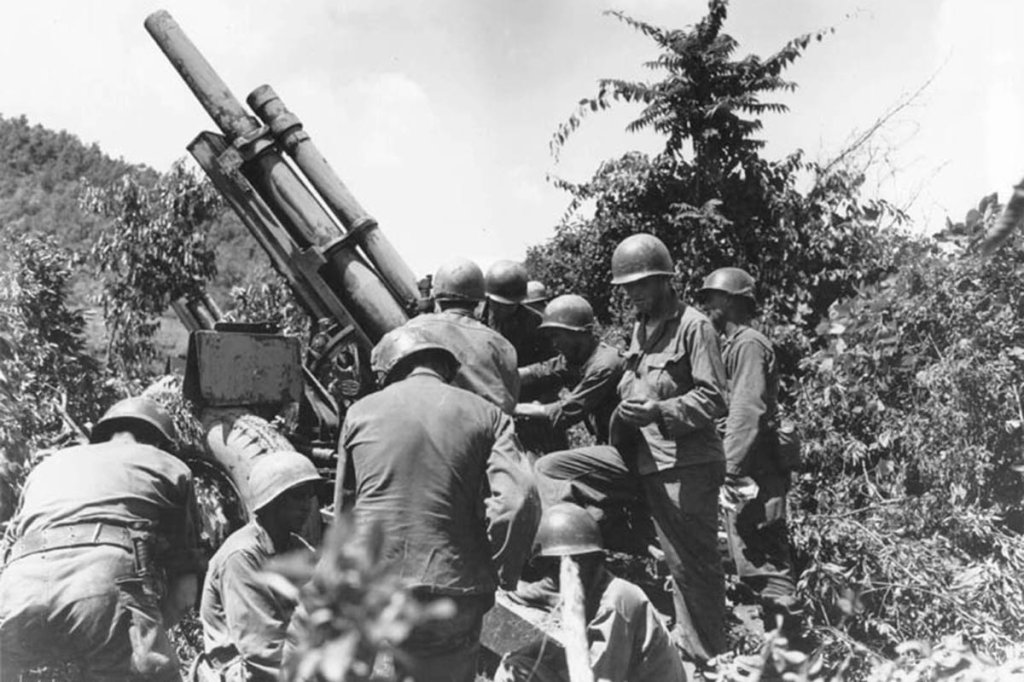
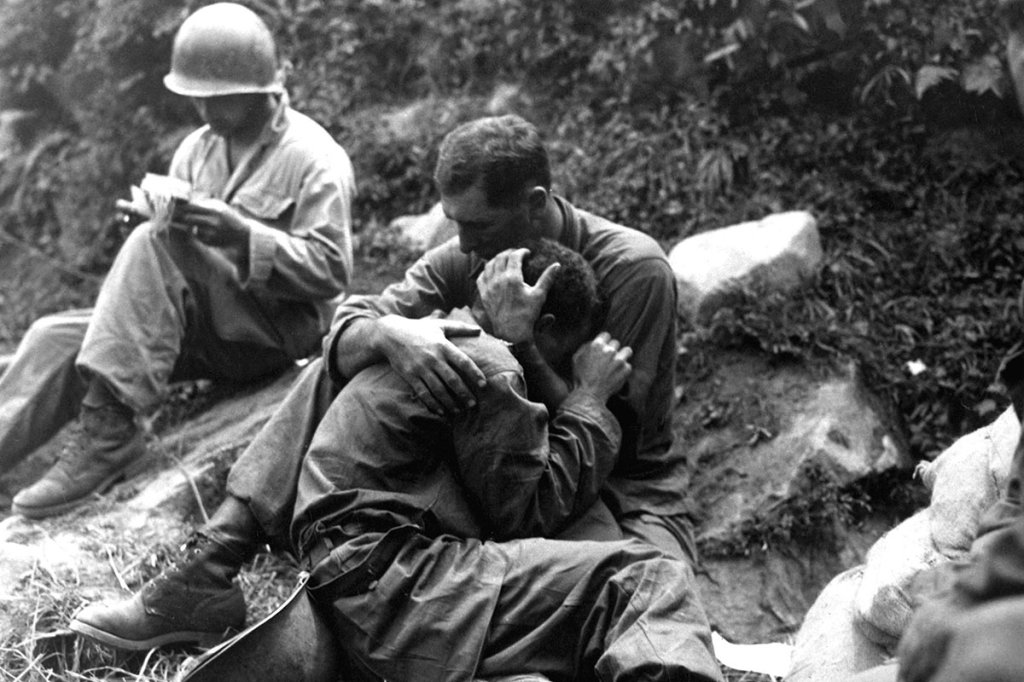
During that bloody September day 76 years ago, Story’s Medal of Honor citation credits him with killing or wounding a hundred opposing soldiers.
The 9th Infantry was barely awake when three North Korean divisions pounced. The 18-year-old Story, who was a weapons squad leader, helped fend off the attacks as best he could. Then he moved his men to a place overseeing the Naktong River, when he saw enemy troops crossing the water.
Story quickly grabbed an injured gunner’s weapon and started firing. With his unit in danger of being surrounded, Story’s company commander ordered his men to pull back. During that process, Story spied an enemy truck approaching. The truck full of troops was towing loads of ammunition, per his citation.
After telling other soldiers to find a safe place, Story didn’t join them. He hurled grenades into the oncoming truck, and once he didn’t have any left, he crawled back to his squad and found some more. He then threw those explosives at the truck.
Despite Story’s efforts, Company A was struggling to maintain its position. As the soldiers relocated to a rice field, Story was wounded. (Exactly to what extent, his citation doesn’t say.)
“Realizing that his wounds would hamper his comrades, he refused to retire to the next position but remained to cover the company’s withdrawal,” Story’s Medal of Honor citation read. “When last seen[,] he was firing every weapon available and fighting off another hostile assault.”
Gen. Omar Bradley presented Story’s father with the Medal of Honor on June 21, 1951.
“I’m Just Glad He’s Home”
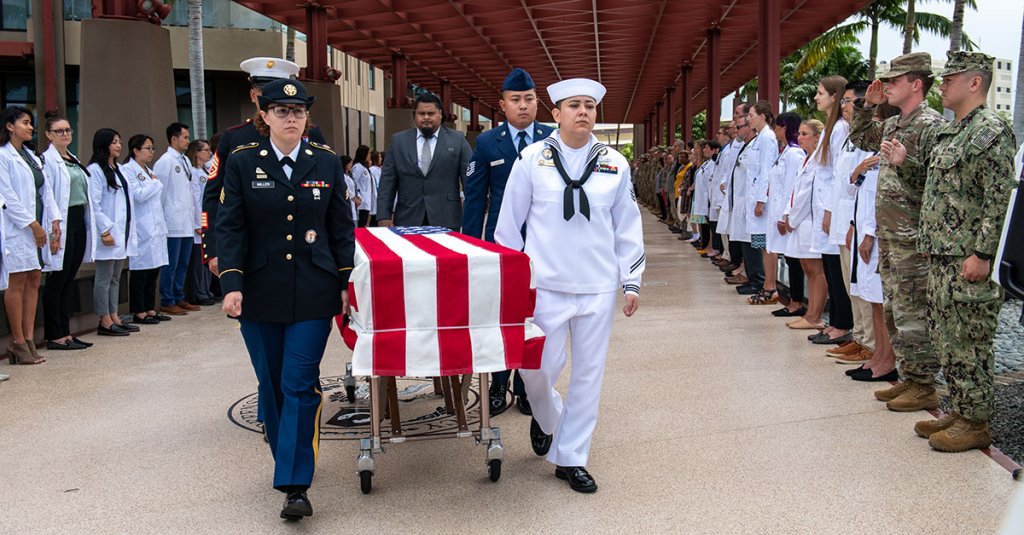
A month after Story—who was never classified as a POW—died, U.S. military officials discovered remains near where the battle occurred. Long before DNA testing became a common practice, there was no way to identify the remains as belonging to Story. Instead, Story was buried as an unknown soldier at the National Memorial Cemetery of the Pacific in Honolulu.
They remained in Hawaii for seven decades until June 2021, when the DPAA undertook a vast project to attempt to ID the remains of several hundred American service members. The DPAA transported Story’s and other service members’ remains to a laboratory.
The agency used DNA samples from Ward and her late mother (Story’s sister). That provided the genealogical match that connected the remains to Story.
Along with South Korean President Yoon Suk Yeol, President Joe Biden revealed the positive identification on April 26, 2023. On Memorial Day that year, Story’s family properly laid the former soldier to rest in Andersonville, Georgia.
“I don’t have to worry about him anymore,” Wade said. “I’m just glad he’s home.”
Other Families Await Closure
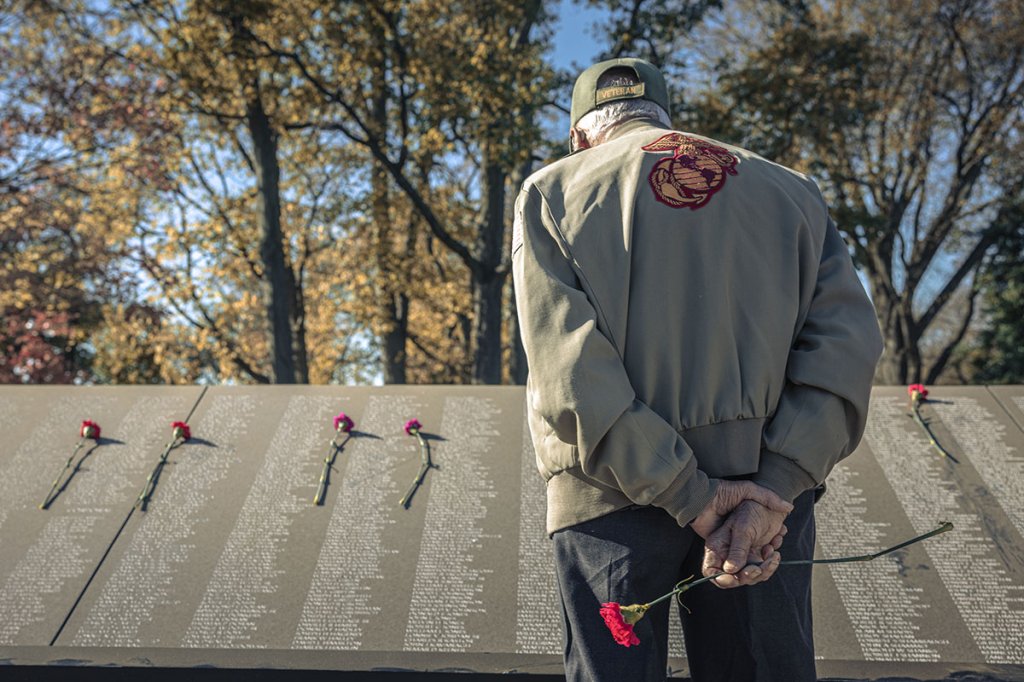
Story’s family finally found closure. As so many military families are painfully aware, that is not always the case.
For all of the Defense POW/MIA Accounting Agency’s hard work, its website claims that 7,500 or so American service members are unaccounted-for from the Korean War. That’s in addition to the more than 1,500 U.S. military personnel who remain unaccounted-for from the Vietnam War.
DPAA agents won’t stop striving to secure more homecomings. Families such as Story’s kin certainly appreciate their efforts. While Ward never got to hug her uncle, she felt like she knew him because of the stories that she heard about him.
“Luther really liked people,” Ward said to Fox News Digital. “That’s what I always heard when people talked about him. Anybody that knew him knew that he was friendly. He liked everybody. He made friends of strangers. He was just one of those kinds of people.”
Don’t Miss the Best of We Are The Mighty
• Here’s what happened when North Korea actually hit an American battleship
• Gruesome ax murders in the Korean DMZ almost started another Korean War
• That time Neil Armstrong survived ejecting from his fighter jet in Korea
Featured


Loading comments…
Comments couldn’t be loaded. Please refresh the page.