
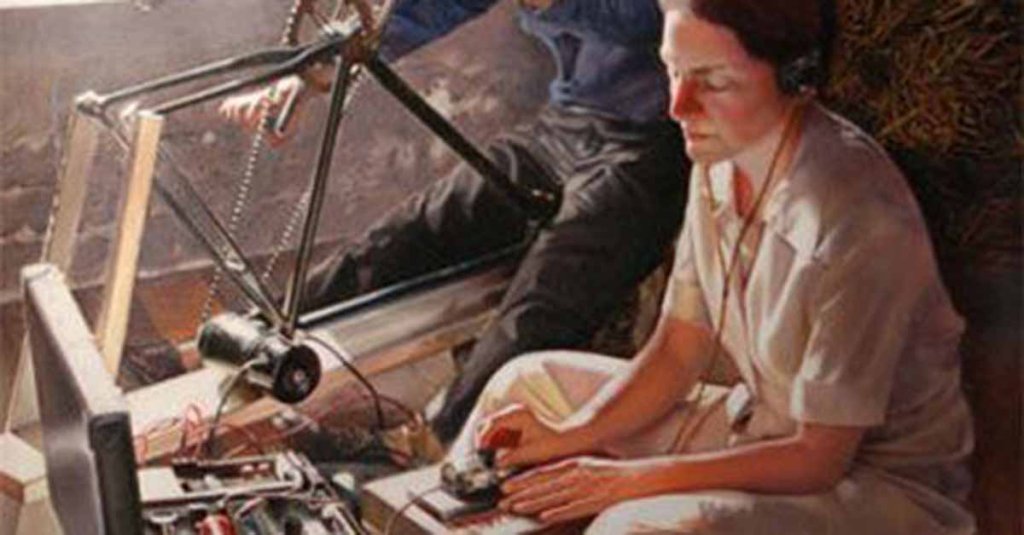
The girl who later frustrated the Nazis’ secret police once wore a bracelet of live snakes to school.
Virginia Hall was different. She became one of World War II’s most notable spies and a persistent problem for the Germans.
Also Read: A Nazi was the only person convicted of spying in connection with Pearl Harbor
Hall’s gait was distinctive, the result of losing part of her left leg in a hunting accident in Turkey. Still, “The Limping Lady” proved too slippery for the Nazis to catch.
“We must find and destroy her,” the Gestapo ordered.
They never did.
A Chance Meeting

Virginia Hall: The Most Feared Allied Spy of WWII | History
Virginia Hall Goillot was born into a wealthy family in Baltimore in 1906. The young girl did things that were considered unladylike for the times, and that unconventional streak fortunately never left her.
Hall desperately wanted a position with the U.S. Foreign Service, but the State Department denied her application because of her supposed disability. The disappointment was only temporary.
When World War II began in Europe, Hall joined the ambulance corps in France. Her time in that role ended when the Nazis invaded France in 1940. According to Cate Lineberry’s 2007 article in the Smithsonian magazine, “Wanted: The Limping Lady,” Hall was on a train out of the country when her life changed.
On that fateful ride, Hall happened to start a conversation with someone working for the Special Operations Executive—Britain’s secret spy agency during the war, Lineberry reported. Hall soon joined the SOE.
She discovered her calling.
“Wasting Time”
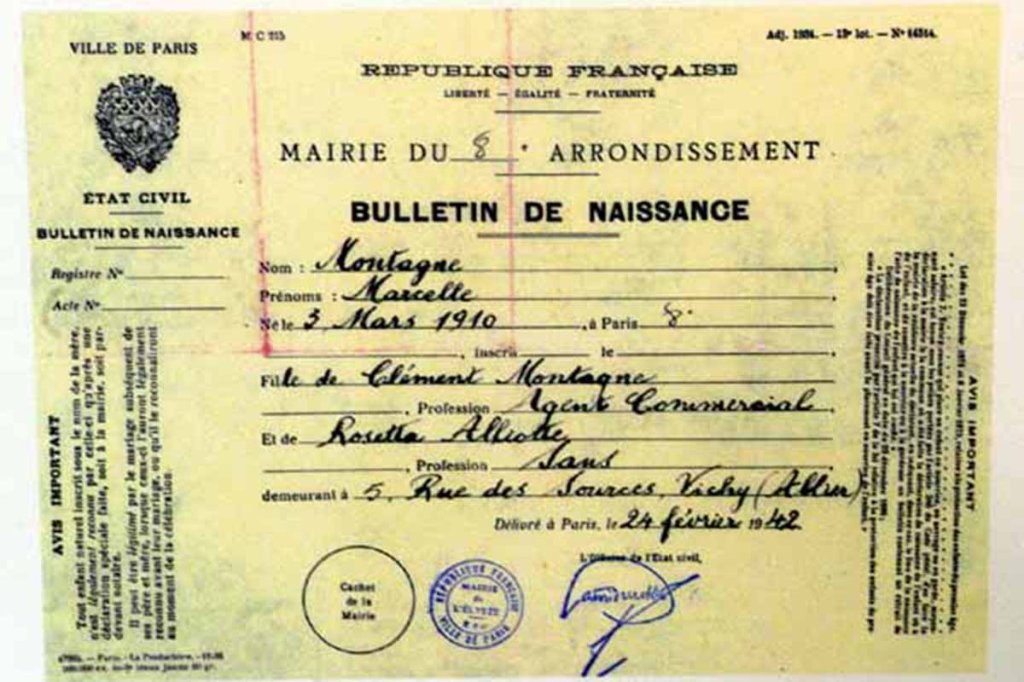
Hall clandestinely returned to France at great personal risk.
She landed in Lyon, creating an alias as a newspaper reporter. Hall went underground after the U.S. entered the war following the Japanese bombing of Pearl Harbor. She remained there for a while, according to Lineberry, until an influx of Nazis into France forced her to flee again.
Hall and her guide escaped by trekking through the Pyrenees on foot. The challenging hike pushed Hall, but she kept going despite the inconvenience and fatigue. When she messaged those back at the SOE that Cuthbert was bothering her, they shot back: “If Cuthbert is giving you difficulty, have him eliminated.”
Cuthbert wasn’t Hall’s guide. It was the nickname she used for her prosthetic leg.
Hall spent several months in Madrid.
“I thought I could help in Spain, but I’m not doing a job,” Hall complained, according to Elizabeth P. McIntosh’s book, “Sisterhood of Spies.” “I am living pleasantly and wasting time. It isn’t worthwhile and after all, my neck is my own. If I am willing to get a crick in it, I think that’s my prerogative.”
The SOE heard Hall’s urgent call for more fulfilling work, but not too long afterward, she left the agency. Hall landed at the Office of Strategic Services, the forerunner to the CIA, during its early days.
The OSS knew where it wanted Hall. It sent her back into Nazi-controlled France.
Arming Resistance Fighters for D-Day
While undercover, Hall resumed her highly dangerous activities. As Lineberry noted, she oversaw the provision of arms and supplies to resistance groups and alerted London of German troop activities.
During Hall’s time with the OSS, the woman whom the Gestapo could not catch coordinated networks of agents, aided escaped prisoners of war, and established safe houses.
Hall did some of her best work as the Allies prepared to invade Normandy on June 6, 1944. She provided resistance fighters with weapons and trained them to sabotage bridges, railroads, and telephone lines, Lineberry reported. Her efforts were highly effective. Hall reported back to the OSS that her team was responsible for killing approximately 150 Germans and capturing 500 others.
“She was in imminent danger of being arrested virtually the whole time that she was in France,” CIA veteran Peter Earnest said in the Smithsonian magazine article. “She was very aware of the consequences if the Germans picked her up.”
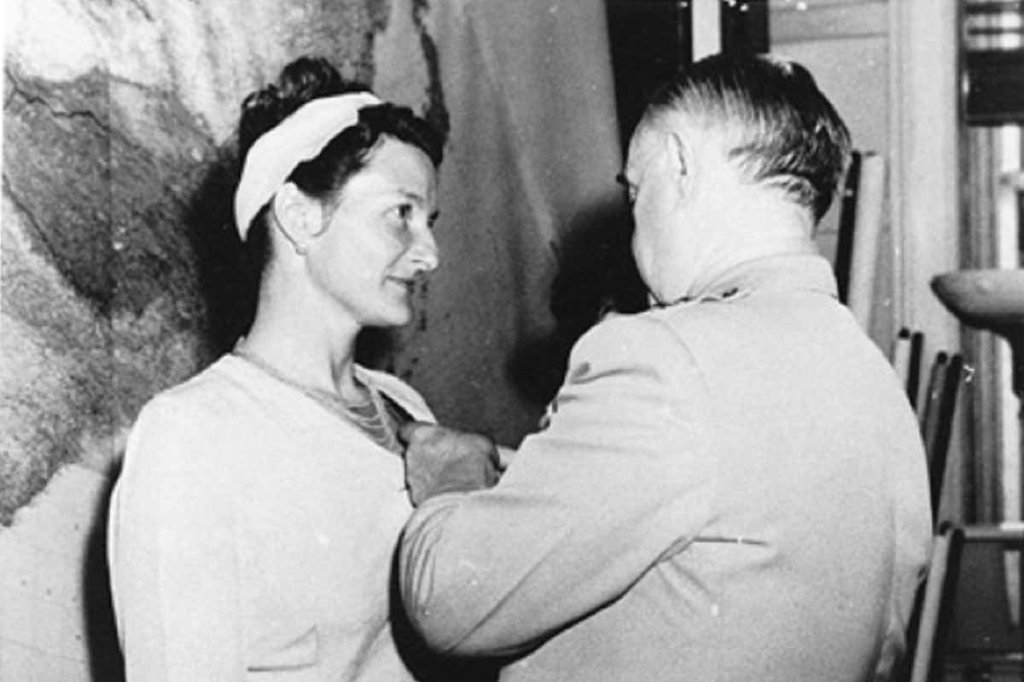
On September 27, 1945, William “Wild Bill” Donovan—the first and only director of the OSS—presented Hall with the Distinguished Service Cross. She was the only woman to receive the United States’ second-highest award for valor during World War II.
Hall joined the CIA in late 1951, four years after the National Security Act of 1947 established the agency. She stayed on at the CIA until she reached mandatory retirement age in 1966.
Hall died in 1982 at the age of 76.
Don’t Miss the Best of We Are The Mighty
• The story of the only US soldier executed for desertion since the Civil War
• The Marines and the rare rifles you didn’t know were at D-Day
• The American general most respected by the Nazis might surprise you
Featured


Loading comments…
Comments couldn’t be loaded. Please refresh the page.