
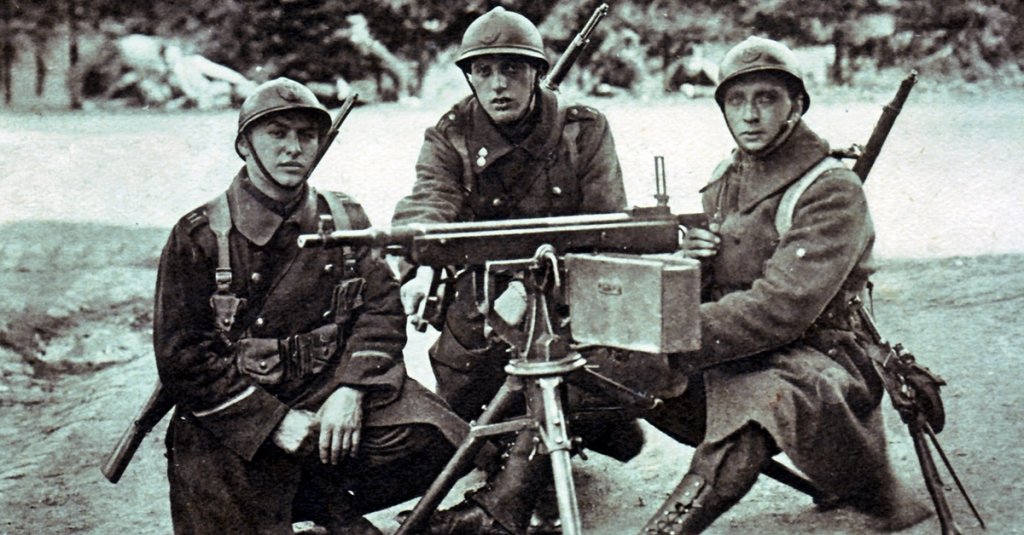
There’s a controversial mechanic in modern video games where players can pay for better equipment, making it easier for a wealthy player to beat a more experienced or more skilled player, thanks to their fatter wallet.
On the one hand, kids born with a silver spoon now get to shoot silver bullets. But on the other, do we really want doctors to spend 60 hours grinding for good gear in a video game? It seems risky to incentivize a lack of sleep in my surgeon, who has easy access to amphetamines. Let him pay to win.
Also Read: 7 of the most realistic military games available
Crazily, though, that’s not the worst-case scenario of people paying to win in violent contests: In World War I, Sears, Roebuck and Co. had a special catalog of uniforms, camp supplies, and even weapons for a dapper gentleman dabbling in violent demolition. With just a little Army pay and a functional time machine, you, too, could use your mail-order machine gun to murder Germans at the Marne, Second Battle of.
Yes, Sears sold machine guns.
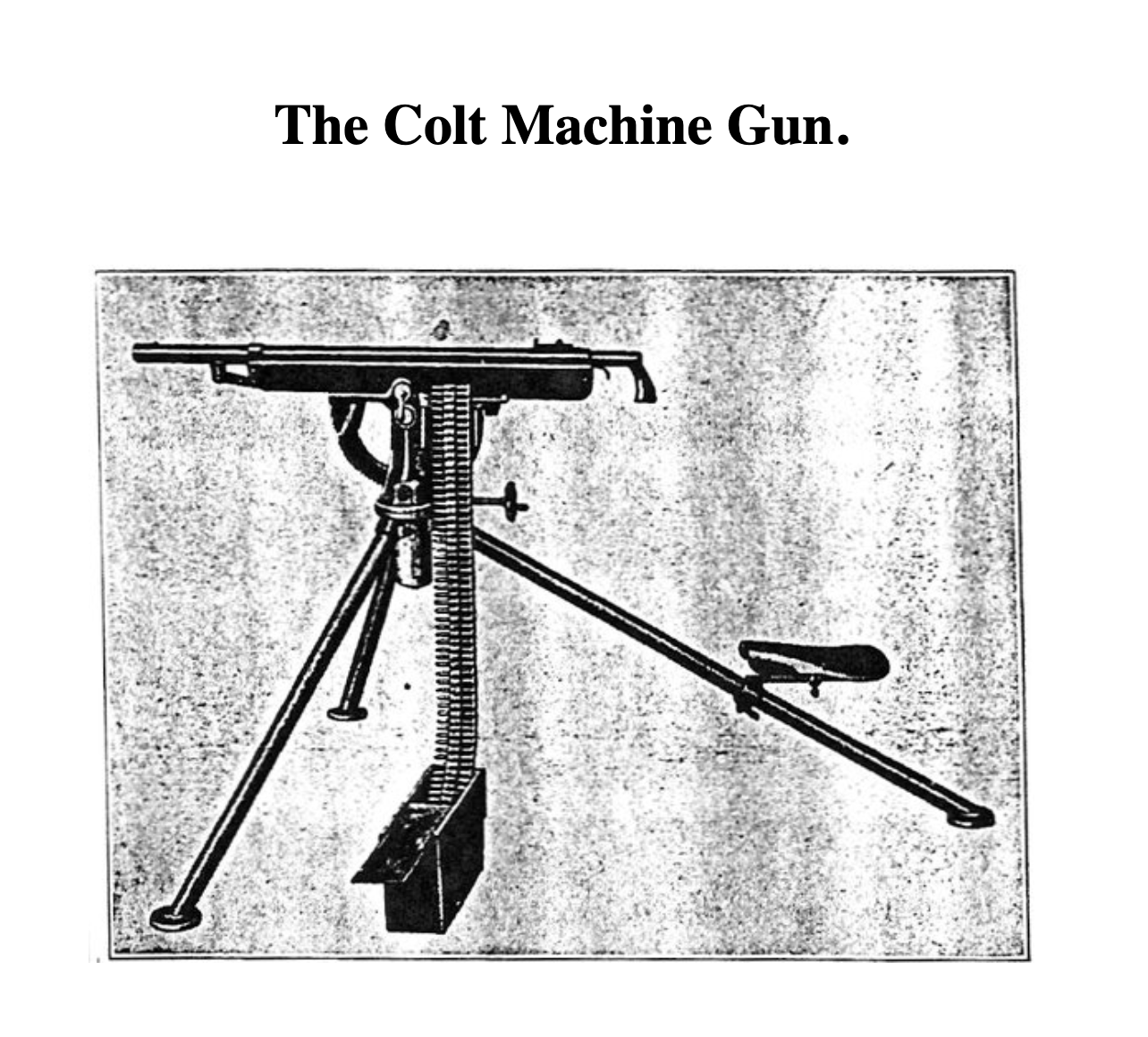
We’re going to get the most shocking item in the catalog out of the way first. Yes, people could theoretically buy their own machine gun and ammunition from Sears, have it shipped to their training camp, and fight with it in World War I.
And it was no lightweight gun, literally or figuratively. The 180-pound Colt Machine Gun was described as:
Chambered for 30-caliber, U. S. Government Model 1906 cartridges. Mounted on steel tripod and furnished with complete equipment, consisting of feed belts, feed boxes and tool bags with spare parts, etc. The light weight and compact size of this gun renders it very portable. It is instantly adjustable to many angles and is capable of firing over 400 shots per minute. Can be operated by one man.
That’s a lot of 7.62mm rounds flying at little Friedrich.
The “theoretically” is in there because it was prohibitively expensive. It’s a bit like how a soldier could, in theory, buy their own drone or aerostat with a camera and fly it over their base today. Once they convinced their commander to approve it and waive any local regulations against it, there’s no law against bringing your own surveillance platform into combat. But go price a non-DJI drone or literally any aerostat, then look at the military pay tables.
The Colt Machine Gun’s price tag of $865 was over a month’s pay for a major general who got $666.67 or more than a year of enlisted pay, which topped out around $50 monthly. The cartridges were another $7.50 per case of 100.
If you didn’t come from family money, you probably weren’t buying this machine gun out of pocket, and government credit cards weren’t a thing yet, so get with the supply sergeant.
Other Sears, Roebuck and Co. Weapons
Keeping in the Colt family of weapons, Sears also sold the more affordable Colt’s Police Positive Revolver, Colt’s Automatic Pistol, and Colt’s Automatic Magazine Pistol. Any one of them could be had for between $16.50 and $22. No military rifles or the dreaded shotguns, unfortunately.
Ammunition came in cases of 100, just like the machine gun, but was much more affordable at $1.18 to $3.60 per 100.
They did not have ivory grips, so you needed aftermarket customizations to achieve that full drip that George Patton was famous for.
And if you were big on military style back in 1917, Sears had you covered. Oh, boy, did they have you covered.
Mail-Order Uniforms, Accessories, and Grooming
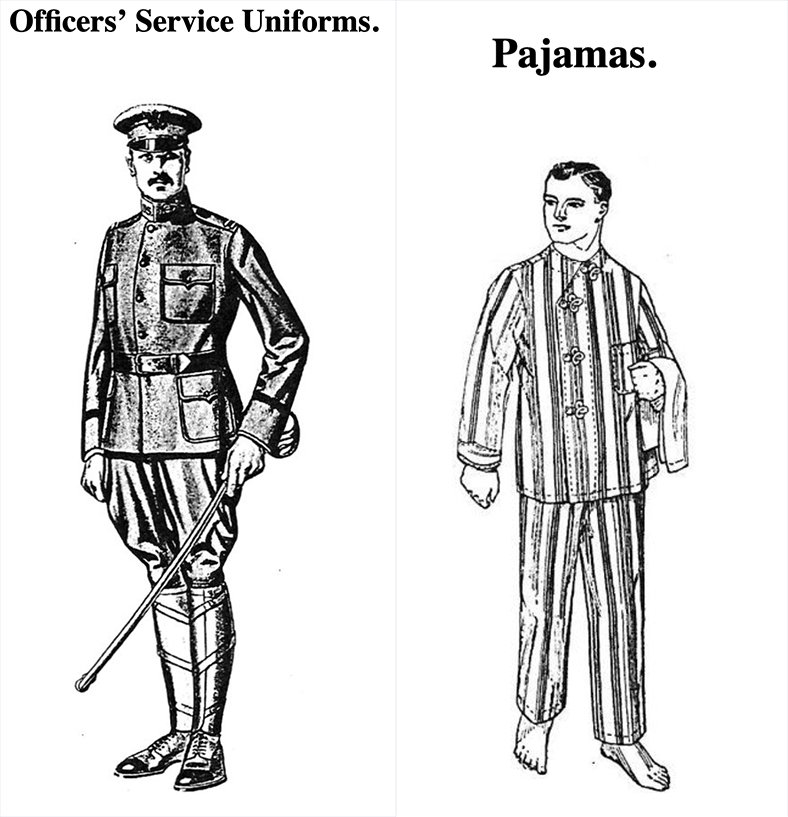
The cover of the catalog shows an officer in full uniform looking through binoculars with a nice haversack hanging from his shoulder.
These much more reasonable items make up the bulk of the catalog’s offerings.
Customers could buy many uniform items, and the catalog conveniently noted which exact supply numbers the items corresponded to. So the officers’ cap “Matches Uniform No. 6K20002½.”
Most of the items were officer items, which isn’t all that odd. Enlistees typically received a standard-issue uniform, but officers often did not. Instead, the uniform regulations stipulated specific styles, tailoring rules, fabrics and colors, etc., and officers purchased a uniform that fit the rules and themselves better than an issued item would.
Obviously, there were tailors that focused on this business, just like there are shops outside every military base today that can clean, press, and dress a military uniform better than most service members.
That did increase costs for the young gentlemen of 1917, but it also let them customize their look, within reason.
Some officers were a bit dandy, leading to incidents like a young Douglas MacArthur being mistaken for a specific German prince while wearing his Army uniform. He probably didn’t get his riding crop from Sears, but they did offer four designs of swagger sticks.
The catalog includes nice compasses, wrist watches, and even a dress sword.
Leisure Items, Including a Full Barber Chair
You could also buy nearly any camp item you can think of, which makes sense for a mail-order company associated with the 1898 Klondike Gold Rush.
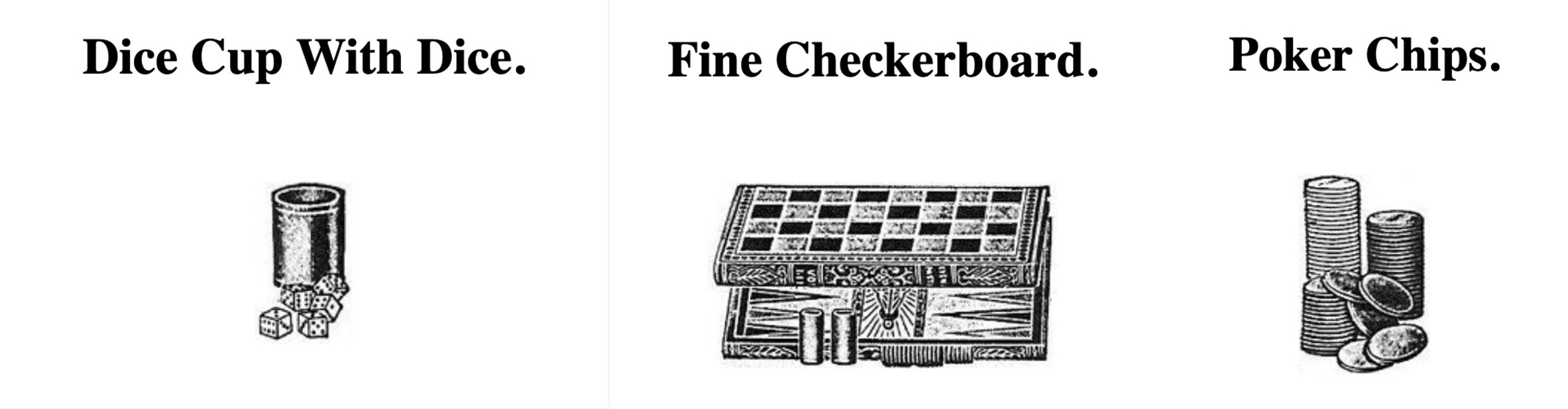
Leisure games, like cards, checkerboards, and dice cups, were all available for less than $1 each, though it still feels crazy when you do the math and realize that an enlisted person could shell out nearly a full day’s pay for the $0.69 poker chips.
But again, we have a shocking item nestled between more expected ones. Right after the 7-pound bedding roll and before the waterproof bed sheets, $13.95, there sits a “Folding Barber Chair.”
Luckily for soldiers, it is:
Constructed especially for use in army camps. Is sturdily constructed of oak, golden finish, upholstered with imitation leather. Back is upholstered to make it suitable for shaving, hair cutting or light dental work. It has a footstool attached and an adjustable head rest. When chair is folded it makes a small, compact package, convenient to carry. Shipping weight, about 50 lbs.
A steal at $14.95.
Hats off to the barracks dentist extracting their buddies’ teeth in a folding chair at camp. Maybe if they charge a small fee for their licensure and the hard labor of lugging a 50-pound chair around Europe, they’ll be able to buy the unit a machine gun, after enough teeth, of course.
You can browse for your own 1917 needs here, from nurse uniforms to children’s rifles.
Don’t Miss the Best of We Are The Mighty
• Delta Force finds its best counterterrorism operators with the ‘Long Walk’
• That time MacArthur promised to capture a hill or die on it
• America’s last combat revolver served from World War I to Vietnam
Loading comments…
Comments couldn’t be loaded. Please refresh the page.