
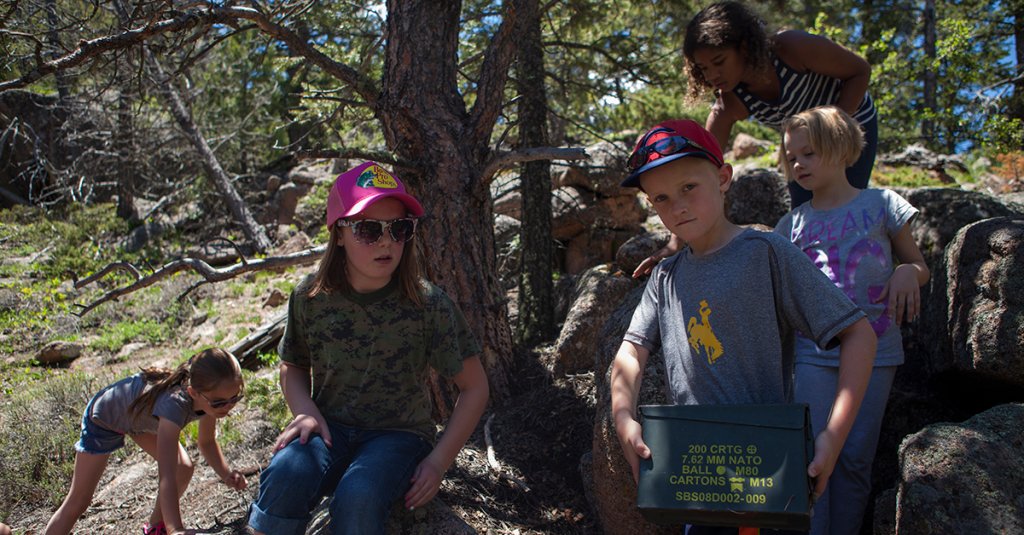
Military families know a thing or two about adventure. One day, you’re finally figuring out the fastest route to school pickup, and the next, you’re surrounded by moving boxes and learning a whole new town.
New duty stations bring new neighborhoods, new trails, new landmarks, and plenty of opportunities to explore. If your family enjoys a little adventure, geocaching might just become your next favorite hobby. Often described as a real-world treasure hunt, geocaching uses GPS coordinates to help people discover hidden caches tucked away in parks, historic sites, hiking trails, and unexpected corners of their communities.
Also Read: 5 free online courses military spouses should take advantage of this year
Before you grab your phone and head out with your crew on your first treasure hunt, though, it helps to know what geocaching actually is, where it came from, and why millions of people around the world have fallen in love with it.
What Is Geocaching?
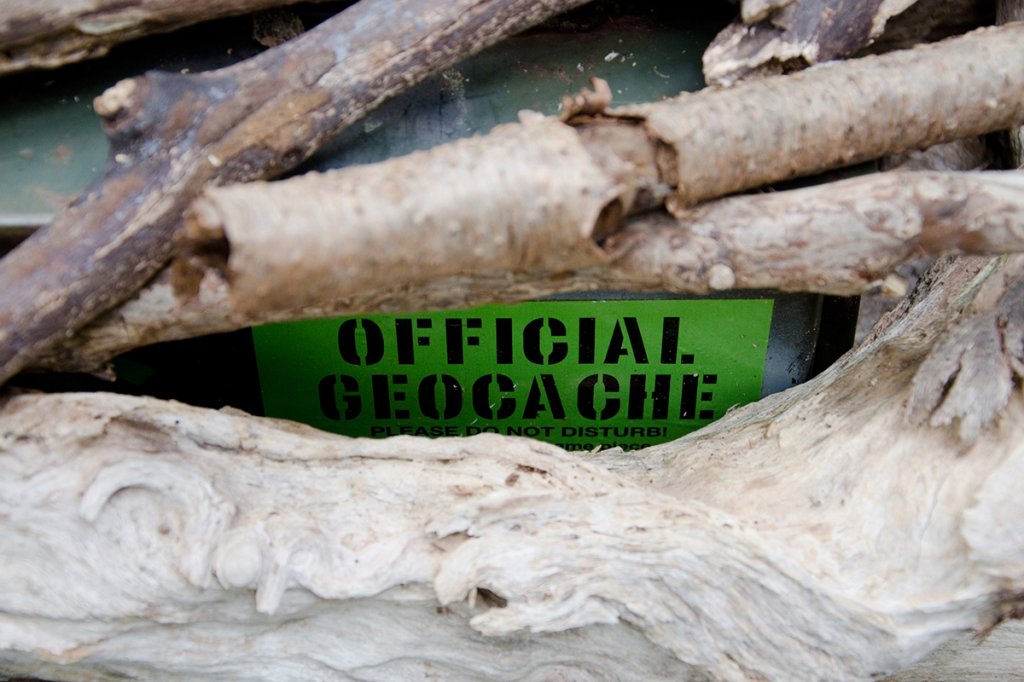
Geocaching is a worldwide treasure-hunting activity that uses GPS coordinates to help people find hidden containers, known as caches. The hobby began in 2000 when Dave Ulmer tested newly improved GPS technology. He hid a bucket filled with small items and a logbook in the woods near Beavercreek, Oregon, then shared the coordinates online and challenged others to find it.
It did not take long for curiosity to spread.
Within days, people had located the hidden bucket, signed the logbook, and shared their success online. What started as a simple experiment quickly grew into something much bigger. The name geocaching combines the word “geo,” meaning Earth, and “cache,” which refers to a hidden storage place.
Later in 2000, Jeremy Irish launched Geocaching.com, creating a place where people could search for cache locations, record their finds, and connect with fellow treasure hunters. More than two decades later, geocaching has become a global hobby with millions of people searching for hidden caches everywhere from city parks to mountain trails.
Why Is Geocaching Such a Great Fit for Military Families?
Military families are always exploring. We move to new towns, new states, and sometimes entirely new countries. We spend years learning unfamiliar places and turning them into home. Geocaching combines exploration, learning, movement, and family connection into one simple activity. In many ways, it feels like it was made for military families.
Here are five reasons your family should give it a try.
1. Adventure Is Waiting Around Every Corner
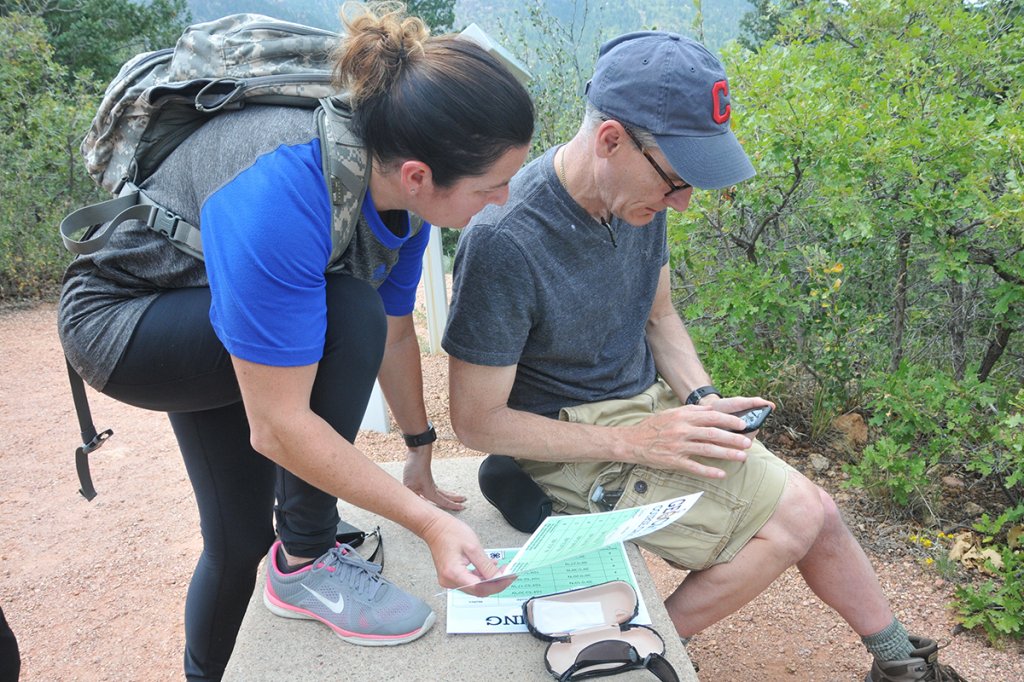
One of the best parts of geocaching is that it helps you discover places you might otherwise drive right past. Many caches are hidden near local landmarks, scenic overlooks, parks, trails, and historic sites. Whether you’ve lived somewhere for five days or five years, geocaching has a way of helping you see your surroundings differently. You never know what hidden gem you’ll stumble across next.
2. Kids Learn Without Realizing It
Military parents are always looking for ways to keep kids engaged and curious, especially during summer break.Geocaching naturally teaches map reading, navigation, observation skills, critical thinking, and problem solving. It can also spark conversations about geography, local history, and nature. For those who survived land navigation courses, this may be your chance to finally put those skills to good use. Show your family what the military taught you on the land nav course.
3. It Won’t Break the Budget
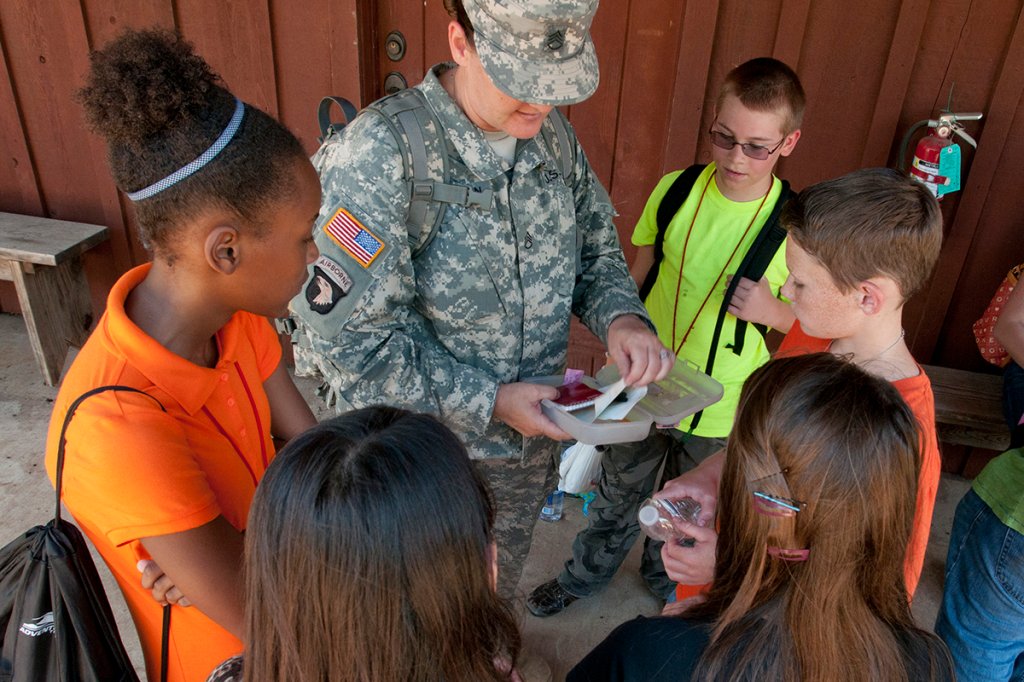
Let’s be honest. Military families appreciate a good free activity. Geocaching is generally free to get started. Most families already have the main tool required: a smartphone. When you’re looking for something fun that doesn’t involve expensive tickets, equipment, or reservations, geocaching is an easy win. And yes, you can bring your own compass and 550 cord.
4. It Gets Everyone Outside Together
Military life can be busy and stressful. Between work schedules, sports practices, appointments, and everything else, quality family time can be hard to come by. Geocaching gives families a reason to unplug and spend time outdoors together. Whether you’re hiking a trail, wandering through a park, or searching for a cleverly hidden cache, the experience encourages teamwork, conversation, and shared memories.
5. It Helps a New Duty Station Feel Like Home
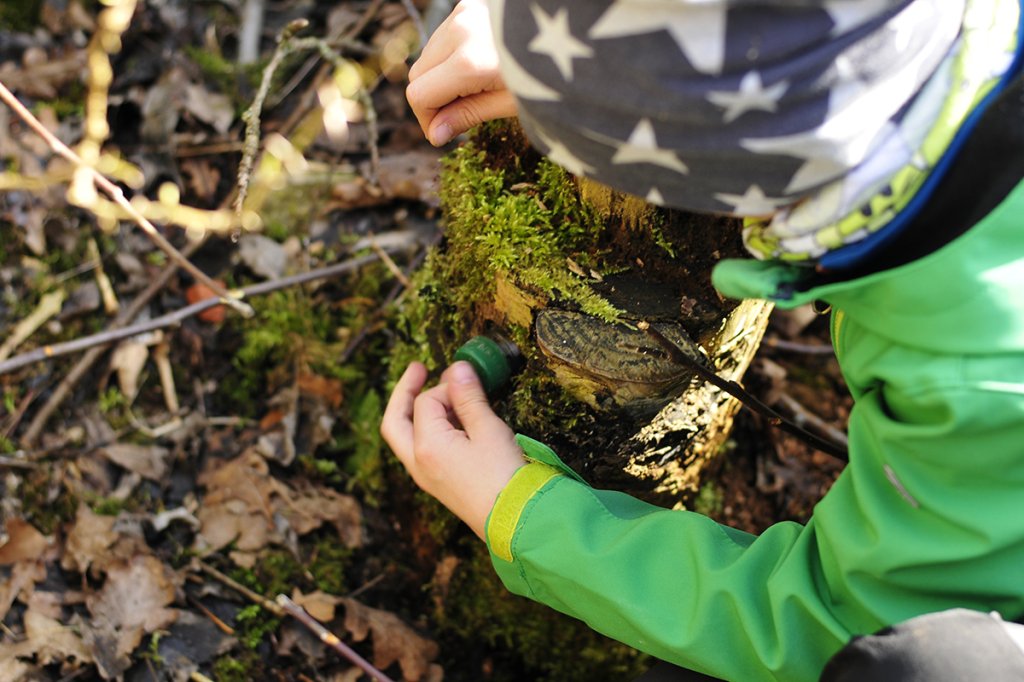
Every PCS comes with an adjustment period. A new community can feel unfamiliar at first, especially for military kids. Geocaching encourages families to get out and explore beyond the installation gates. It helps you discover local parks, favorite trails, hidden landmarks, and places that make a community unique. The more you explore, the more familiar a place becomes. Before long, that new duty station starts feeling a little more like home.
Getting Started
Getting started is simple. Download a geocaching app, create an account, and search for caches near you. Each cache includes clues, coordinates, and instructions to help guide your search. Some are easy to find, while others require a little creativity and persistence.Bring a pen with you because many caches contain a physical logbook for visitors to sign. Some caches also include small trinkets that can be traded using the “take something, leave something” rule. Most importantly, remember to respect the environment and follow Leave No Trace principles wherever your adventure takes you.
Military families already know how to embrace the unknown. We understand what it means to arrive somewhere new and start exploring. Geocaching simply gives us another way to do that together. As we navigate unknowns, geocaching offers coordinates to explore together, one treasure at the time.
Don’t Miss the Best of We Are The Mighty
• More than game day: navigating youth sports as a military family
• These support systems shape the future for military families with every PCS
• M is for military families: ‘Sesame Street’ is here to help kids through military life




Loading comments…
Comments couldn’t be loaded. Please refresh the page.