
During World War I, families began flying flags or banners to honor their loved one serving in a war. Blue stars were hung for every immediate family member away, often including several stars for a single household.
The tradition soon became more telling: when a soldier died “over there,” the blue star was switched out to gold. This became a way for the family to inform the public about their loss without having to do so in person.
Also Read: It’s time for the VA to recognize spouse proxy for catastrophic veteran illnesses
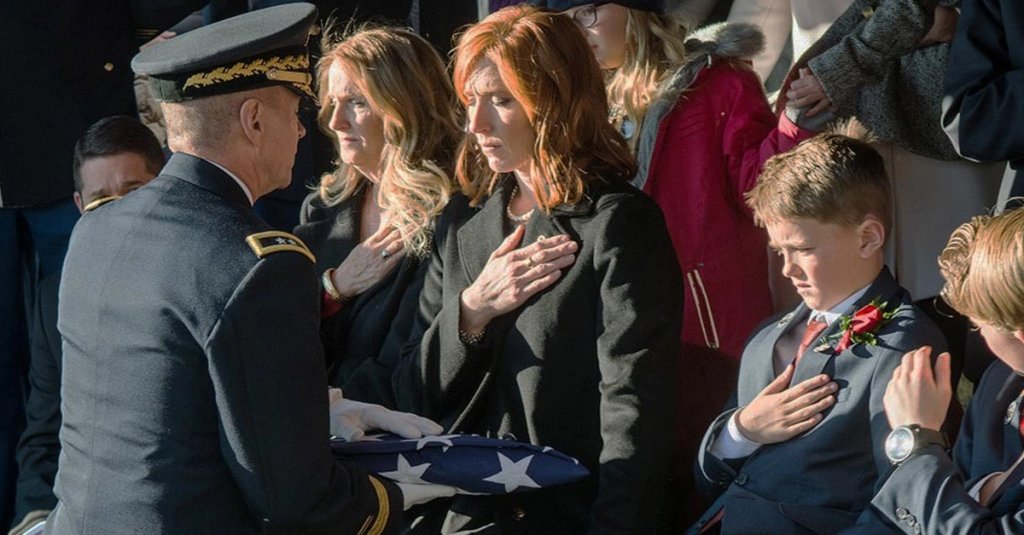
Soon, the term Gold Star became synonymous with parents, a spouse, child, or immediate relative of a fallen soldier. It’s a title that no one wants.
Families, especially mothers, hung these initial banners out of sadness, but also pride for their husbands or sons. It was also mothers and spouses who took the label and turned into something thoroghly meaningful. But it wasn’t until September of 1936 that the first Gold Star Mother’s Day was observed.
They then Gold Star Wives organization formed during World war II, and .throughout the war, they banded together to create support groups, resources, and more. A few years later, a lapel button was created, allowing members to wear their loss in public. Congress approved the pin’s design, which is included, free of charge, to an affected family. Additional pins must be purchased.
From lobbying the federal government to raising financial support for their families, it was Gold Star women who made the term what it is today. It wasn’t long before they were able to gather support for life insurance and additional pay to help offset a lifetime without their soldier.

As time. went on, those benefits gre to include a death gratuity, a one-time, tax-free payment of $100,000 for the family after the death of a service member. Families also receive a Dependency and Indemnity Compensation, a tax-free monetary benefit as well as the option of the Survivor Benefit Plan, which pays up to 55% of their lost service member’s retired pay base; on top of social security benefits; healthcare benefits; scholarships; and eligibility for VA loans.
Some states also have their own local benefits eligible for families of fallen service members, such as college tuition waivers, property tax exemptions, and more.
In 1973, a second pin was introduced, this time to recognize the loss of a soldier during a non-combat situation.
Today, there are support groups and organizations of all kinds, both for the families themselves, as well as for services they offer to others, like scholarships or other forms of support. While annual holidays are still celebrated each year; the last Sunday in September remains Gold Star Mother’s Day and Gold Star Family Day.
There are currently more than 470,000 surviving Gold Star families in the U.S.,, some dating back to World War II.
Don’t Miss the Best of We Are The Mighty
• Viral post offers hysterical ways to ragebait your service member
• The hysterically relatable responses to a military spouse’s biggest PCS rule
• Mental Health and the Military Spouse: What spouses are really thinking





Loading comments…
Comments couldn’t be loaded. Please refresh the page.