

Words hold significant power; they shape thoughts, impact emotions, and influence behavior. This makes them one of the sharpest tools humans possess. Ultimately, the power of words should never be underestimated, which is why the word “dependent” doesn’t sit well with some in the military spouse community.
Also Read: Overqualified, underemployed, and still showing up: the military spouse employment challenge
Merriam-Webster provides a simple definition of “dependent” as: “Decided or controlled by something else, Needing [sic] someone or something else for support, help, etc., or Addicted to alcohol or a drug.”
In 1942, the federal government officially classified military wives as “dependents,” because they were eligible for benefits through their husband’s service, per historical verbiage. Some 84 years later, military spouses are CEOs, business owners, entrepreneurs, homemakers, nonprofit executives, physicians, students, educators, elected officials, and combat veterans themselves.
They are badasses at all levels and far from the traditional, misappropriated definition of a “dependent,” one-size-fits-all label.
Although the term was never intended to diminish military spouses, it no longer reflects who they are or what they contribute.
Historically “Dependent”
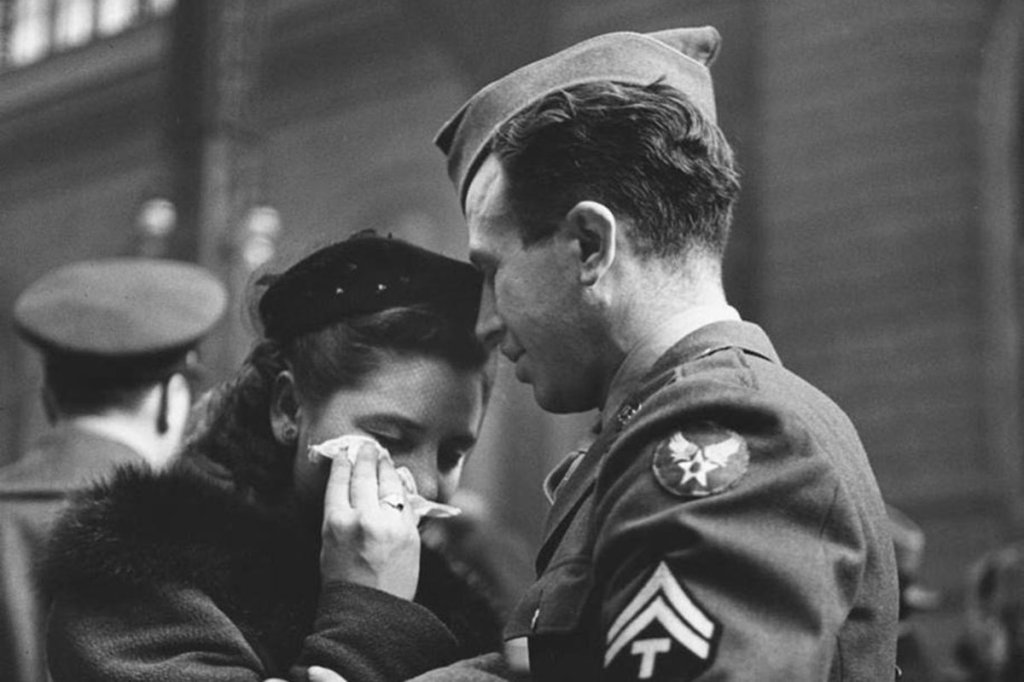
The concept of military “dependents” first appeared in military pay legislation in the early 20th century. The Pay Readjustment Act of 1942 contained the earliest formal definition, but even that law built upon earlier military pay acts dating to 1922. The law authorized additional pay and housing allowances for officers with “dependents,” including a lawful wife, unmarried children, and dependent parents.
But it wasn’t until 1942 that the term became standardized after Congress passed the above-mentioned Pay Readjustment Act and also the Servicemen’s Dependents Allowance Act.
Overall, the Servicemen’s Dependents Allowance Act reflected the government’s recognition that military families deserved financial support during their service members’ deployment. It separated dependents into two categories: Class A: wife and child(ren), and Class B: other qualifying family members. This law also created monthly family allowances for military families during World War II.
Before World War II, the overall military was relatively small. But more than 16 million Americans served during World War II; the federal government realized the need to establish a uniform process to determine eligibility for military benefits.
At this point in history, the legal classification “dependent” became the solution.
But everything changed after the Second World War, when society had assumed that husbands earned the income, wives managed the home, and children relied on the service member for financial support. With economic transformation, social and cultural progression, technological advances, and global impact exploding after the war, our country’s tone allowed an opening for women to break out of a “dependent” role.
That turning point created long-term shifts in gender roles, which were either assumed or assigned to women.
Wives Played Crucial Roles During WWII
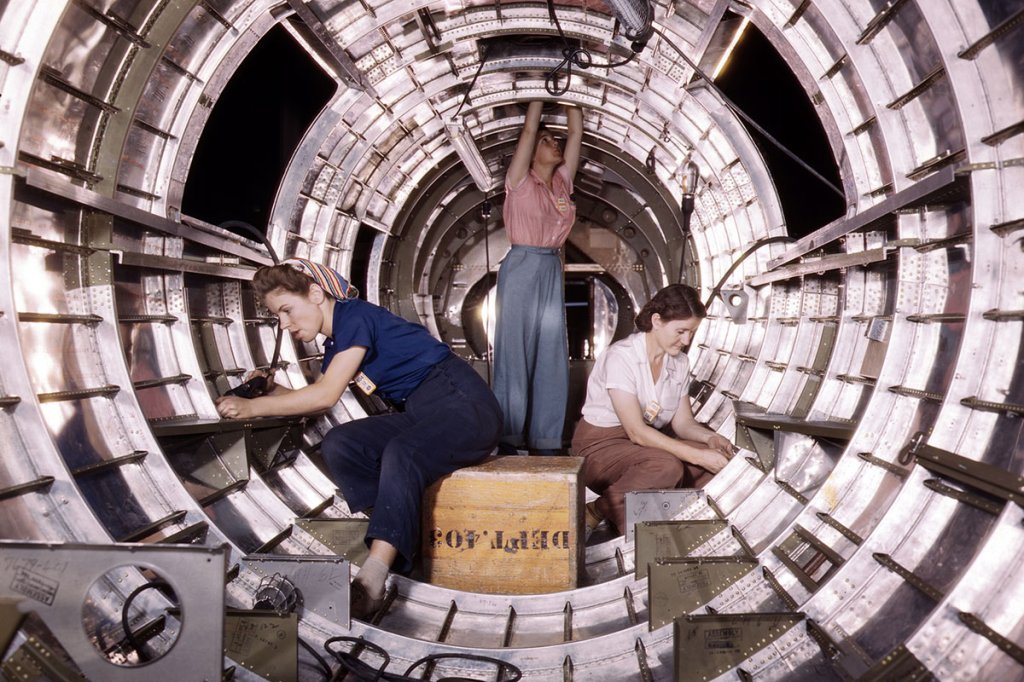
While the terminology reflected the social, gender, and legal norms of that period, it wasn’t meant to describe the spouses’ roles or value. Interestingly enough, during the war, those same “dependent” wives supported the war effort. They did this through civilian service and work in the absence of men on the battlefields. They ran households and managed their families without their spouses present, and quite literally held down the homefront.
The definition has changed, but the word hasn’t. To this day, federal law defines “dependent” as eligible spouses, children, and certain parents for military pay and benefits purposes. The legal classification remains the same, although the wording was modernized over the decades as “military families” and “service members’ spouses and children” to reflect modern dual-income households and gender equality.
History explains why the military adopted the term “dependent.” It served a practical purpose: to standardize a legal category to standardize eligibility for military pay, housing, and family benefits during the largest military mobilizations in American history. To this day, “dependent” remains a legal definition for eligibility for benefits connected to the service member and is not a measure of worth.
The cringe factor, however, is ever-present. Because words outlive the circumstances in which they originated.
Essential Partners

Societal assumptions and the gender roles of the early 1940s. no longer define today’s military spouses. Their contributions also include operational support, as family readiness has long been recognized as an essential component of mission readiness. The force is stronger when military families are healthy.
The Department of Defense and military leaders have increasingly embraced terms such as “military spouses,” “military families,” and “service members’ spouses,” because those words recognize identity rather than dependency.
Military spouses are husbands and wives with an acknowledged partnership. While the legal classification may remain necessary for benefits administration, our language has the opportunity to evolve just as the expectations on military spouses rise.
When both the military and civilian communities consistently recognize military spouses as indispensable partners in service, they reinforce a truth that has always existed: Mission readiness has never depended on one uniform alone. It became stronger through the grit, determination, sacrifice, leadership, stamina, and unwavering commitment of the families who support their service members.
Perhaps the word “dependent” will remain where it belongs, in legal code, while the military spouse is recognized for being an essential partner in our nation’s defense.
Don’t Miss the Best of We Are The Mighty
• HomeFront Haven is a place of respite for military spouses
• The mental health crisis of military-connected families and the system that doesn’t protect us
• 4 signs your workplace does not truly value its people


Loading comments…
Comments couldn’t be loaded. Please refresh the page.