
The U.S. military is no stranger to slang, acronyms, and nicknames. It seems like American troops have a language all their own at times,. Some of their new words are self-explanatory and others are inside jokes, but the language isn’t meant to be understood by everyone, or even acceptable to everyone. There are some words that make no sense at all; we just continue to use these term because everyone seems to know what it means.
And some of them are just not that nice.
Falling into this latter category comes the term, “dependa.” We all know “dependent” generally refers to the spouse and children of a military member. In special cases, parents-in-law, grandchildren, or even siblings can also fall into this category.
Also Read: Someone coined a term for the English spoken by military veterans
It’s easy to see how “dependa” came from “dependent”—they are close enough and the former is simply a more informal version of the term. However, “dependa” is shorthand for the original derogatory word. The original, full-length term is “dependapotamus.” Other versions like “dependasaurus” can also be found in the wild.
This history is why the seemingly innocuous term “dependa” has such a negative connotation.
All of the words are emotionally charged; referring to someone who is totally reliant on their working partner. The implication begins with the spouse’s physical size, which has become a growing stereotype throughout the military. It also describes a spouse who is seen as lazy, entitled, or overly invested in their spouse’s rank.
Originally, the term is a portmanteau of “dependent” and “hippopotamus,” the latter a reference to obesity. In almost every definition, the term is unflattering and meant to point out negative qualities, like spending all the money they didn’t earn, a general lack of productive activities or ambition, and personal size.
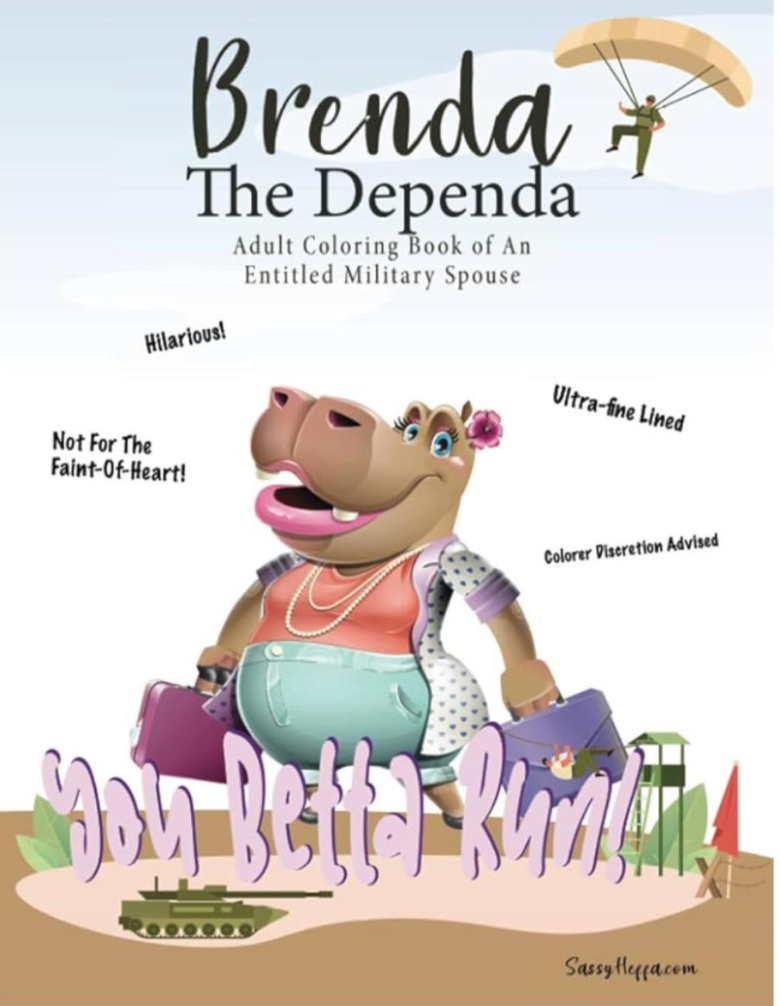
Whether you use it or not, there’s a history behind the term, “dependa,” and it’s relatively recent. “Dependapotamus” first hit Urban Dictionary in 2008, just 18 years ago, though some service members date it back decades prior. Some say it came soon after DEERS was introduced via computer, which provided detailed dependent status. The term gained more traction with the growth of the internet and spread of internet culture, but the original Urban Dictionary definition remains:
“Traditionally a service-member’s dependent who is a “stay at home mom” that doesn’t do a damn thing all day besides sitting on the couch looking remarkably similar to jabba the hut [sic] leaching off of military benefits and eating anything that gets too close.”
The term only snowballed from there. Google trends show it consistent growth just a few years later, in both online references and memes.
Some spouses even took over the term to make it a joke, naming their block or social media page with “dependa” in the title. Satire and serious pages alike adopted the term as a badge of honor, or simply because it’s out there and it’s well-known.
“Dependa” is a word that’s become recognizable in military life, especially for spouses, whether or not you choose to accept the stereotype. It’s also one more example of how military members and their spouses have taken dark humor and turned an insult into an ongoing joke.
Don’t Miss the Best of We Are The Mighty
• Military parents call their kids brats—and it’s a badge of honor
• 8 Signs you grew up a military brat (and are forever ruined for civilian life)
• Richard Brookshire sued the VA for its own data. It proved Black veterans right.
Loading comments…
Comments couldn’t be loaded. Please refresh the page.