

As a U.S. History teacher, I view it as my civic duty to serve, protect, and defend the ideas rooted in the U.S. Constitution, ensuring my students understand the foundations of our democracy and the challenges we face as a nation. My involvement with military veterans enhances my teaching, and I actively support veteran programs in my community.
Also Read: The Yellow Footprints: The Marine Corps Educators Workshop
My mission is to serve the community by creating powerful and engaging interactive lessons about compelling aspects of U.S. History to cultivate a deeper understanding and respect for our nation’s path to this present day. My vision is to educate the public about their local, state, and national history to generate a new understanding of how it has shaped our lives, which in turn fosters a deeper desire to honor and respect what has come before to ensure a brighter future.
Understanding Republican Motherhood
One of the most important concepts that educators must refocus on today is the historical idea of Republican Motherhood. Following the American Revolution, Republican Motherhood became a defining social and political philosophy in the newly formed United States.
The concept centered on the belief that women, particularly mothers, held the responsibility of raising virtuous, educated, and civically minded citizens who would preserve the republic and uphold democratic values. Although women did not possess the same political rights as men during the late 18th and early 19th centuries, they were viewed as essential to the survival of the republic because they shaped the moral and intellectual development of future generations.
Republican Motherhood was not simply about motherhood itself. It was about civic virtue, patriotism, education, and responsibility. The idea recognized that the success of the American experiment depended upon citizens who understood liberty, self government, sacrifice, and civic participation.
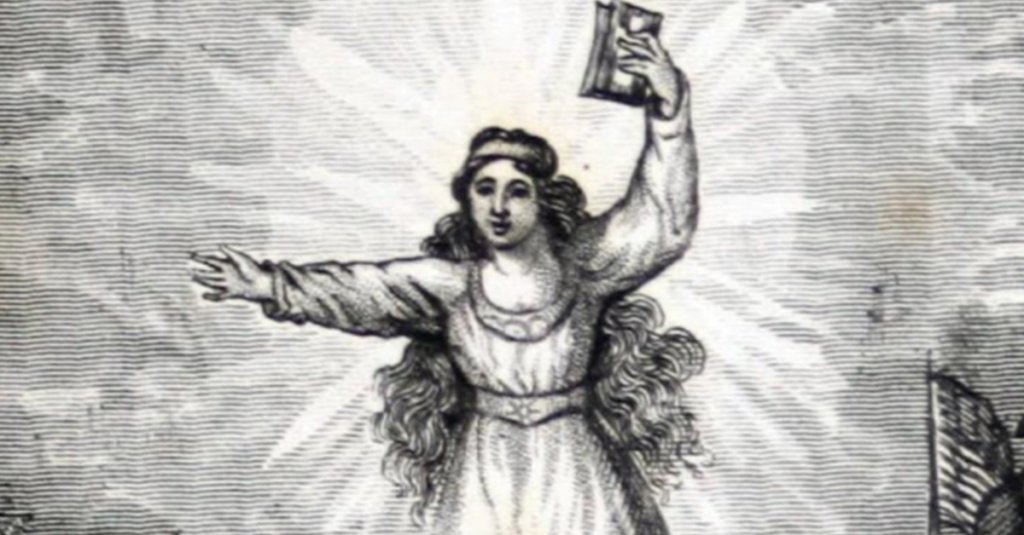
Mothers were expected to instill these principles in their children, ensuring that future generations would preserve the freedoms won during the American Revolution. In many ways, educators today have inherited a similar responsibility. Teachers serve as guardians of civic understanding, helping students comprehend not only historical facts but also the principles that sustain constitutional government.
My desire to refocus on teaching the American Revolution in the classroom stemmed from discovering the membership records of the Daughters of the American Revolution that my maternal grandmother held. This discovery created a personal connection to the Revolutionary generation and reinforced my understanding that the sacrifices of the founding era still shape our lives today.
Over the course of my 23 years of teaching, including five years as an Advanced Placement United States History instructor, I have witnessed a gradual decline in the emphasis placed on the American Revolution and its long lasting impact on American society.
The Decline of Civic Understanding
This decline in civic understanding presents a serious challenge. Increasingly, historical events are sometimes approached through modern bias rather than grounded analysis of historical fact and historical context. When educators inject personal ideology into historical interpretation without presenting balanced evidence, students may lose sight of the actual complexities of the past.
The result can be confusion about the foundations of American democracy and the responsibilities that accompany citizenship.
As we approach election cycles and periods of intense political division, I have noticed that many students are more interested in criticizing elected officials than understanding the constitutional system that allows for free elections and peaceful transitions of power. Too often, they fail to appreciate why representative government itself was revolutionary in the 18th century.
It all traces back to those 55 men gathered in Philadelphia who produced one of the most revolutionary political documents in human history: the Constitutional Convention and the creation of the United States Constitution.
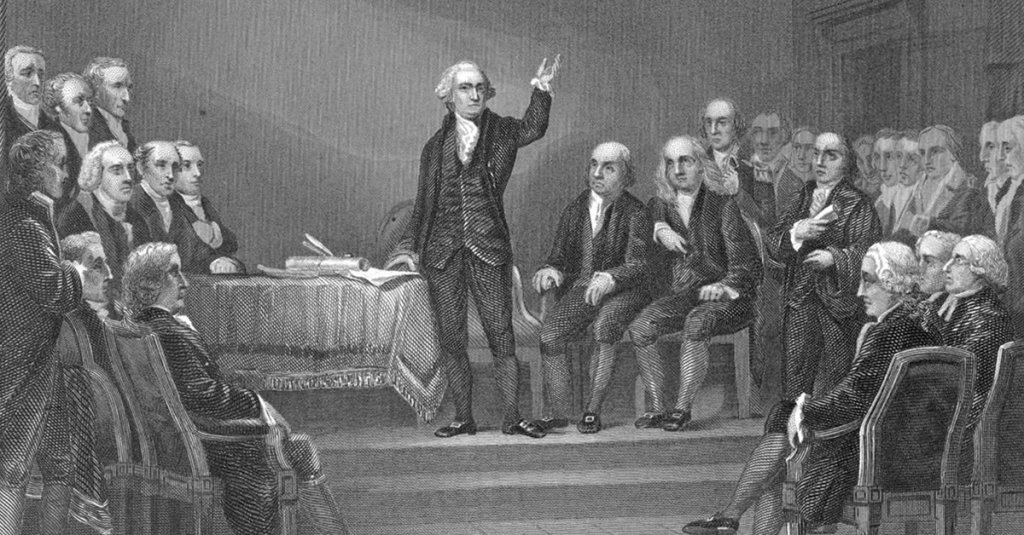
The founders challenged the traditional notion of absolute authority and argued that governments derived their legitimacy from the consent of the governed. They believed that an effective government required the voices of the people to be heard and that “taxation without representation” represented a dangerous abuse of power.
These principles became cornerstones of American democracy and inspired democratic movements throughout the world.
Why the American Revolution Still Matters
The American Revolution gave the United States the ability to choose its own destiny. It demonstrated that ordinary citizens could challenge imperial authority and establish a government based on constitutional principles and civic participation. Understanding this history helps students appreciate the sacrifices made by patriot ancestors while also recognizing the fragility of democratic institutions.
History must not simply be memorized; it must be understood so that mistakes are not repeated.
This is precisely why the concept of Republican Motherhood remains relevant today. The original idea emphasized that preserving the republic required an educated citizenry grounded in virtue and civic responsibility. In the 21st century, educators have become some of the primary individuals responsible for carrying forward that mission.
Teachers are not merely instructors of dates and names. They are civic stewards charged with helping students understand liberty, responsibility, and the importance of informed citizenship.
Bringing the Revolution Back Into the Classroom
To counteract the reduction in civic and historical knowledge, I have personally taken it upon myself to go beyond the recommended curriculum and ensure that my students develop a concrete understanding of the American Revolution and its continuing influence. Students need to recognize that the Revolution was not simply a historical event frozen in the past. Its effects continue to echo throughout modern American society, politics, economics, and culture.
One of the most effective strategies I use is the interdisciplinary project. This project requires students to formulate a thesis not only about the historical significance of the Revolution but also about how its ideals continue to influence current society.
The assignment encourages students to think critically about the political, economic, and social environment of the Revolutionary period while drawing connections to the modern world.
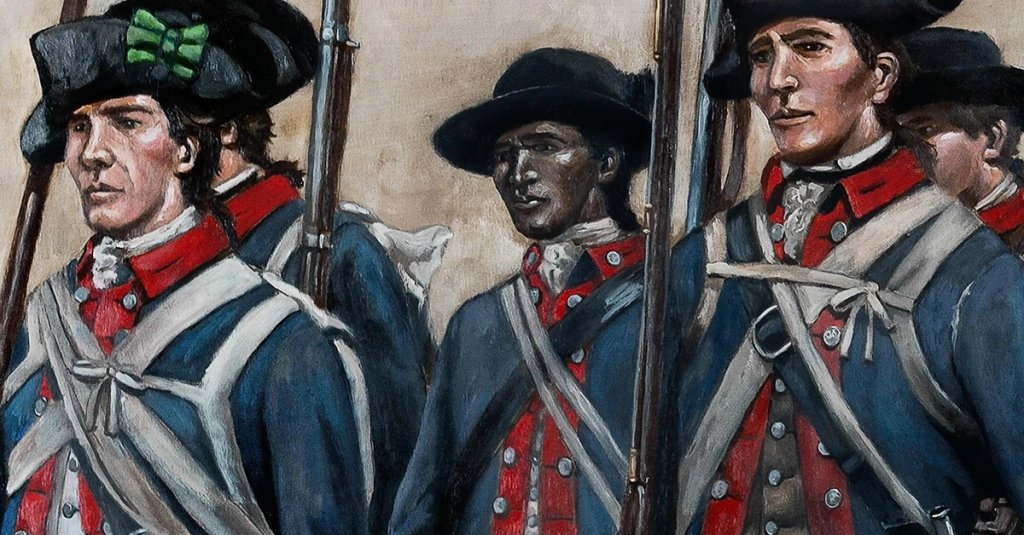
Students are also required to locate and analyze a literary work connected to the Revolutionary era. For example, a student may choose to study Common Sense by Thomas Paine and explain how the pamphlet challenged British authority while inspiring colonial support for independence. Through this process, students come to understand the power of ideas and written communication during times of political upheaval.
Another portion of the project requires students to examine a mathematical, scientific, or technological advancement associated with the Revolution. This component allows students to see that history is interconnected with innovation and problem solving.
A student might choose to research the Turtle, often considered America’s first submarine, and analyze its significance as a technological advancement during the war. By exploring military innovation, students gain insight into how necessity and conflict can drive scientific creativity.
Bringing History Alive Through Veterans and Living History
Perhaps one of the most beloved activities among my students is the opportunity to experience what I call “living history.” One of the most powerful ways to accomplish this is by bringing veterans, historians, and civic organizations directly into the classroom to share their experiences and knowledge firsthand.
These moments allow students to move beyond simply reading about history in a textbook and instead engage with the individuals who have lived it, protected it, and continue to preserve it.
I invite local compatriots from the National Society Sons of the American Revolution in Jacksonville, Florida, to visit the classroom and conduct presentations on the history and evolution of the United States flag. The presenters arrive dressed in traditional Revolutionary War uniforms, immediately capturing the attention and imagination of the students.
During the presentation, students examine the various flags carried throughout different stages of the Revolutionary period and early American history. They then select four flags that resonate with them personally and write essays explaining why they chose those flags and what being an American citizen means to them.
This assignment transforms patriotism from an abstract concept into a personal reflection grounded in historical understanding.
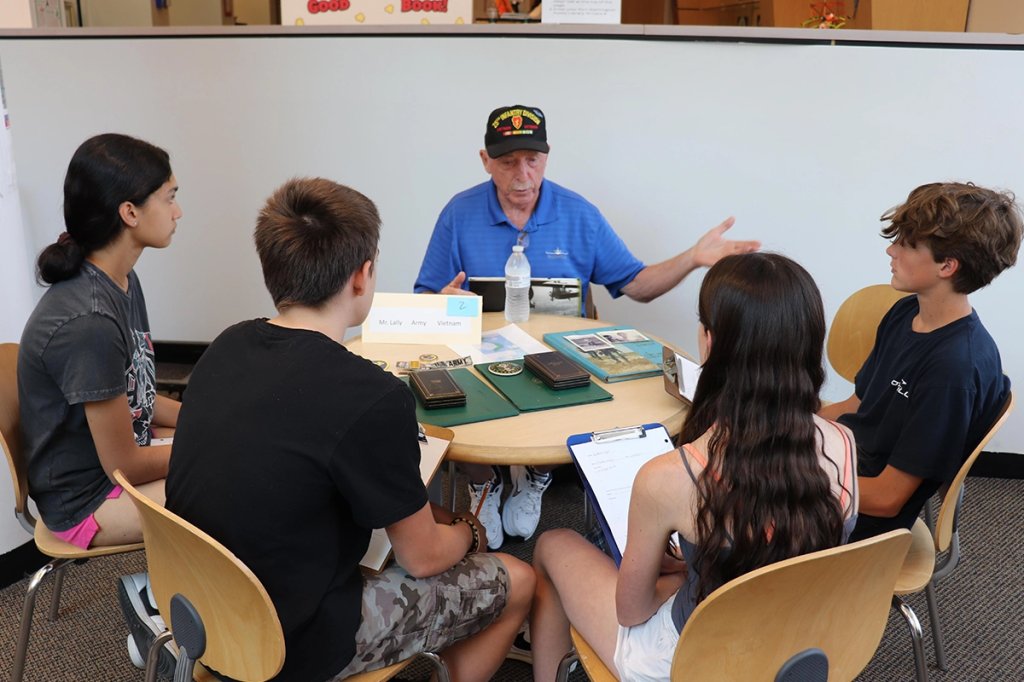
In addition to Revolutionary War living history programs, the BLK OPS Foundation Road Shows have become another transformative educational experience for our students. These events bring veteran history directly into the classroom environment and provide students with the unique opportunity to hear history from the voices of those who lived it.
In many ways, this directly reflects the spirit of Republican Motherhood and civic education by ensuring that the next generation understands the sacrifices, leadership, and service required to preserve our republic.
Thanks to the BLK OPS Foundation, students rotate through four powerful learning stations, each aligned with Florida’s House Bill 1329, which requires schools to teach the history and contributions of service members and Special Operations Forces.
What makes this experience so impactful is that veterans themselves become the educators. Instead of simply reading about military history, students engage directly with the men and women who experienced it firsthand.
The Modern Role of Educators
Republican Motherhood reminds us that every generation bears responsibility for preparing the next generation to preserve the republic. In the eighteenth century, this responsibility was placed heavily upon mothers within the home. Today, it extends to teachers, mentors, parents, veterans, and community leaders who influence the development of young citizens.
Civic education cannot be viewed as optional or secondary. It is fundamental to the survival of constitutional democracy.
As educators, we must ensure that students understand not only what happened in history but why it matters. We must encourage them to analyze evidence, engage respectfully in civic discourse, and appreciate the freedoms secured through sacrifice. Students should leave the classroom understanding the value of voting, constitutional rights, civic duty, and informed participation in government.
Preserving the Republic for Future Generations
The preservation of American democracy depends upon historical literacy. If students fail to understand the principles of the American Revolution, they may also fail to recognize the importance of protecting those principles in the future. The founders understood that liberty required educated citizens capable of self government. Republican Motherhood reinforced that belief by emphasizing moral education and civic virtue within the family structure.
Modern educators must continue that mission within the classroom.
As America approaches the celebration of its 250th anniversary, there has never been a more important time to renew our commitment to civic education and historical understanding. The American Revolution was not perfect, but it established ideas that transformed the world and continue to inspire democratic societies today.
By teaching students about these principles with honesty, balance, and historical accuracy, we honor the sacrifices of those who came before us while preparing future generations to preserve the republic for years to come.
Don’t Miss the Best of We Are The Mighty
• More Americans died on one British prison ship than in most Revolutionary War combat
• Daniel Morgan’s Revolutionary War riflemen were America’s original scout snipers
• The anonymous plot to oust George Washington as commander-in-chief


Loading comments…
Comments couldn’t be loaded. Please refresh the page.