
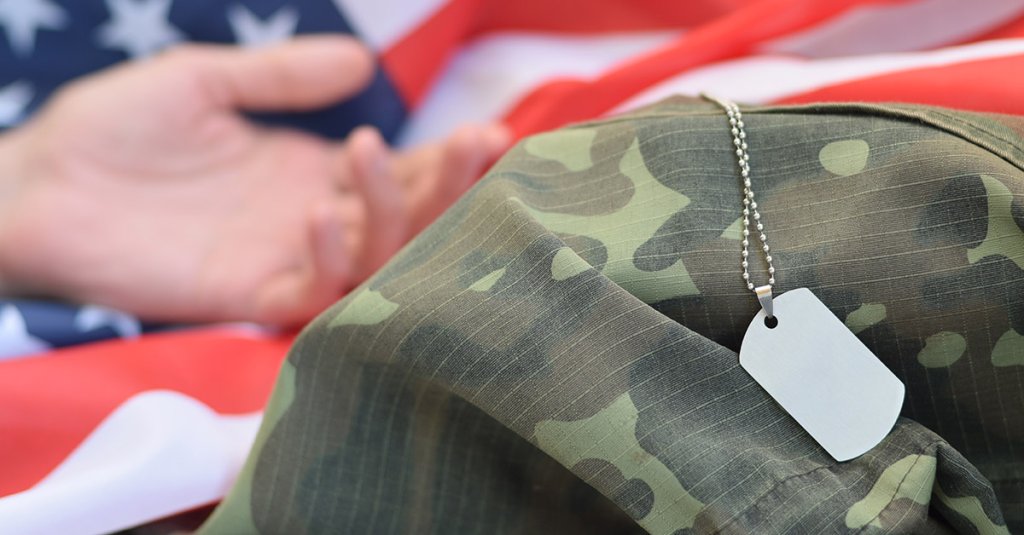
Lindsey Gray never served a day in uniform, yet she battles on the front lines every day against an issue tormenting the military community.
Veteran suicide.
Released in February 2026, the Department of Veterans Affairs’ most recent data showed that 6,398 veterans died by suicide in 2023. That’s a slight decline from 2022, when 6,442 former service members took their lives, but it still averages out to more than 17 suicides per day.
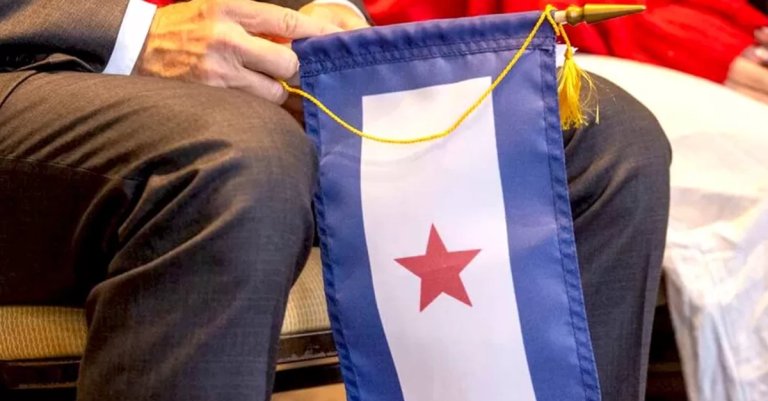
Also Read: The Red Star Banner gives families of veteran suicide a new name and national community
That’s an incalculable tragedy for a veteran’s family and friends, as well as for the military community at large. It’s not nearly enough to appease those in the field such as Gray, the suicide prevention manager at Wounded Warrior Project. She longs for the day when those figures are much, much lower.
“A lot of my work has been tied to helping reduce stigma across a community that has allowed me to live the life that I live,” Gray said.
We Are The Mighty spoke with Gray this week about her advice for loved ones of a veteran who might be contemplating suicide. Here are seven tips:
1. Look for Warning Signs
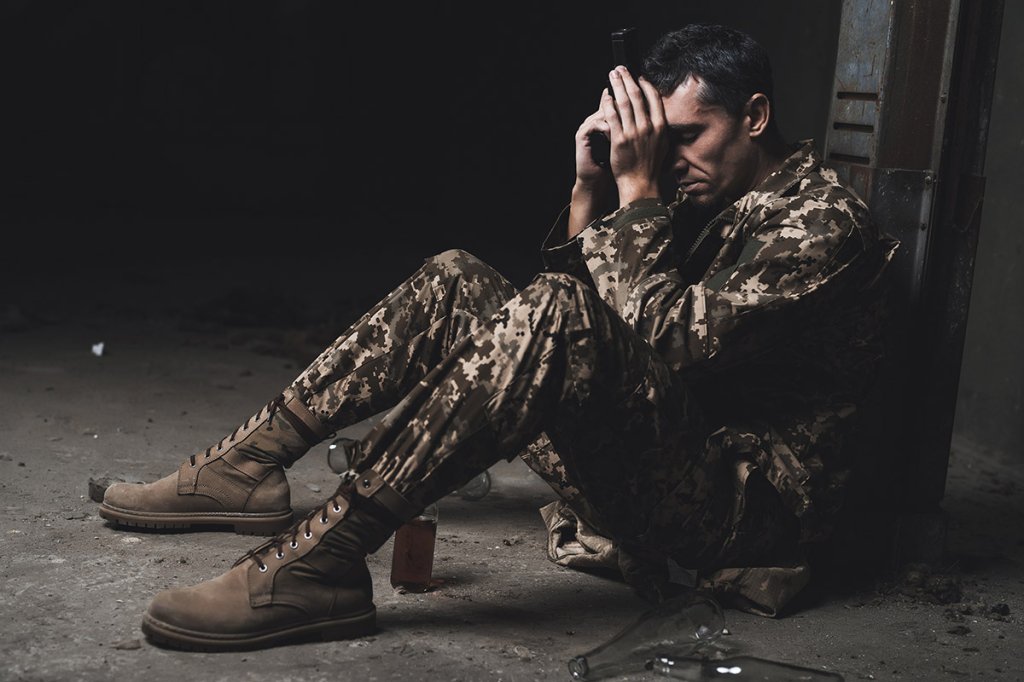
Is your veteran having trouble sleeping, or have their eating habits changed? Are they becoming more irritable or withdrawn? Do they show a lack of interest in activities they normally enjoy? Are they taking risks that are out of character for them?
There can be other warning signs as well. Some of these potential clues to whether a veteran may be considering suicide may stand out as a big red flag. Or they may be nothing to indicate a veteran is in a dark place.
“Warning signs are not always going to be as overt or obvious as we might want them to be,” Gray said. “We really just encourage people to pay attention to some subtle changes.”
2. An Open Dialogue Is Crucial
Warning signs could mean something. They also could mean nothing, and the veteran is actually not pondering thoughts of suicide. You will never know for sure without having an honest conversation with your veteran, Gray said.
Curiosity is your friend. Make inquiries from a place of genuine concern. This is no guarantee that a vet will be willing to talk then, but at least you’ve provided an opportunity to do so. It is important to be caring and patient.
“If we can use our evidence to say, ‘We’ve seen this or I’ve heard you say this or I’ve noticed,’ that sometimes gives us more of a platform for these conversations,” Gray said. “It’s showing people we’re paying attention. We’re not asking out of the blue, or we’re not asking just to be intrusive.”
3. Don’t Assume It’s a Mental-Health Issue
If your veteran is not themselves, it might not be because of post-traumatic stress disorder (PTSD) or another mental-health condition. They might just be reacting to the normal challenges that service members confront during their military transition. Or it could have nothing to do with their service; financial troubles, job loss, or a divorce, for example, can cause personal turmoil for a veteran.
It also could be something that we normally deem worthy of celebrating—perhaps a promotion, marriage, or the birth of a child—Gray said. Everyone reacts to sudden changes in their lives differently. That’s why it is vital not to make assumptions and allow veterans to express how they’re feeling.
“We know people don’t wake up one morning and think about suicide and immediately have a plan to act on that,” Gray explained to WATM. “It does typically progress out of those feelings of hopelessness or helplessness.
“It can’t just be one piece of the puzzle, meaning it can’t just be mental health.”
4. Don’t Make It About You
When someone we love is struggling, our instinct is to rush in and fix the issue. We all come from a good place, right? But our experiences are not necessarily theirs, and that distinction matters when trying to comfort a veteran in crisis. It is important to understand how they’re feeling and not muddy those emotional waters with things that happened to you.
“We have to approach from a place of curiosity and not judge what these experiences mean because of what they meant to us in the past,” Gray said.
5. Don’t Judge
This pro tip might be obvious, but it bears repeating. During those important conversations with your veteran, you should prioritize listening rather than talking. Inquire about their feelings and then let them talk.
Try not to judge. This is where coming in without any preconceived notions really helps.
“No one is expecting you to become a therapist magically,” Gray said. “What we’re asking is that you listen and can be there to help navigate to maybe more appropriate support when that time comes.”
6. Now Is Not the Time for an Intervention
Families and friends stage interventions when someone they care about is struggling with drugs or alcohol. In the case of a veteran possibly thinking about killing themselves, a lighter touch is usually required, Gray said. The veteran likely won’t respond to help if they feel it is being forced upon them. Again, that doesn’t mean you shouldn’t be direct. Just be advised that your veteran might lose trust in you if they perceive you as going behind their back.
While Gray cautioned that safety is the ultimate priority, being overly aggressive or pushy is likely the wrong play here.
“We always want to keep it at the lowest level of intervention we can,” Gray said. “We want people to be an active participant in their recovery, because that is where true recovery is going to happen.”
7. Make Sure the Veteran Knows They’re Not Alone

That goes for you—the veteran’s family member or friend—too. To Gray’s earlier point, you’re not expected to have all the answers. Far from it.
There are myriad resources available, whether from the VA or military nonprofit organizations, that are ready and willing to help.
At Wounded Warrior Project, a veteran registered with WWP can reach out through its resource center, which is available Monday through Friday. They can also go to woundedwarriorproject.org, where veterans or their family members can register.
Don’t Miss the Best of We Are The Mighty
• General Patton’s grandson help heal veterans through filmmaking
• Reports show a military spouse commits suicide every 8 days
• A roadside bomb made this Army vet a triple amputee. Adaptive surfing gave him a new life



Loading comments…
Comments couldn’t be loaded. Please refresh the page.