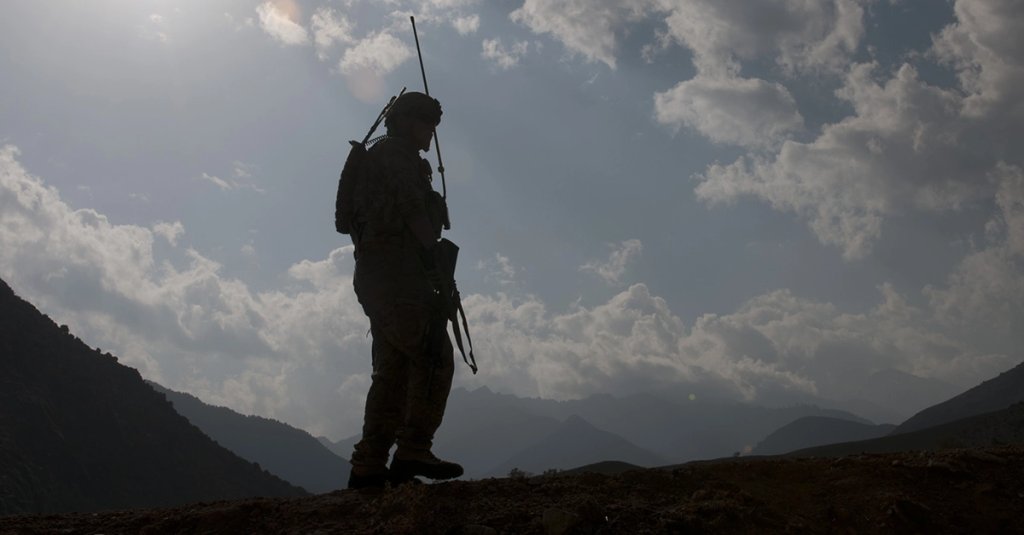
The United States military seems to attract some of the best our country has to offer. Perhaps not always the brightest, but when the stakes are high, American service members will go above and beyond to accomplish the mission.
From motorpool Mondays to holding key terrain on Guadalcanal, Americans always bring a natural grit you won’t easily find elsewhere. But not everyone joins just to serve. Many people join for the various benefits each branch offers. For some people, the reserve component is just the right place. And then there’s the National Guard.
The National Guard falls into a strange area. While most people may think they primarily operate at the state level, the reality is that they frequently operate at both levels. And while most people may still associate “one weekend a month, two weeks a year” with the National Guard, the slogan is outdated.
Not only is it outdated, but it was true only for a brief period in the last century. For the majority of its history, the National Guard has served alongside its active-duty counterparts.
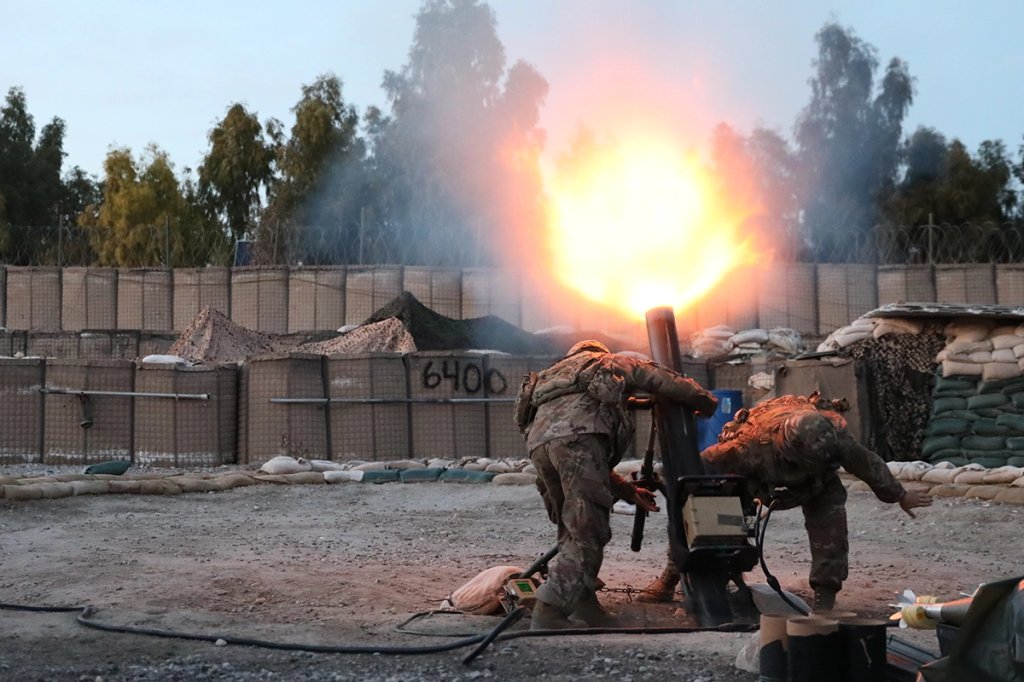
Before the Vietnam War, the National Guard was involved in, like, everything. With its origin dating back to 1636, it’s hard not to be. It was involved in everything before the United States of America was one of those things.
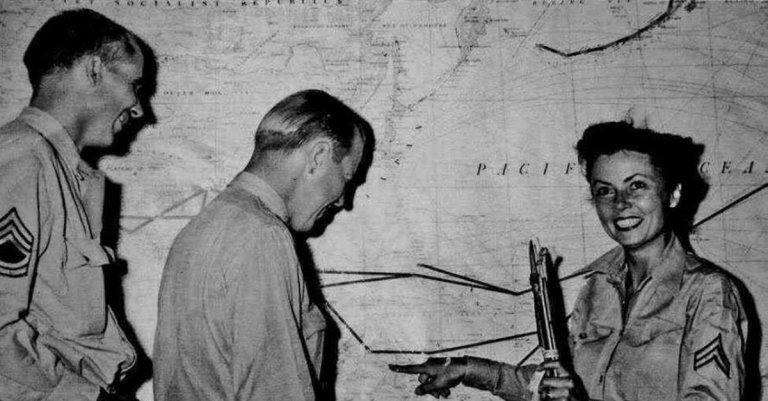
And yet, we still often gloss over the fact that three of the biggest wars of the 20th century involved the National Guard. I mean, it would have been hard to avoid calling the Guard, considering how many people we needed to fight those wars. The National Guard saw combat across every major theater, alongside everyone else who fought—even the Normandy Landings are a part of that resume.
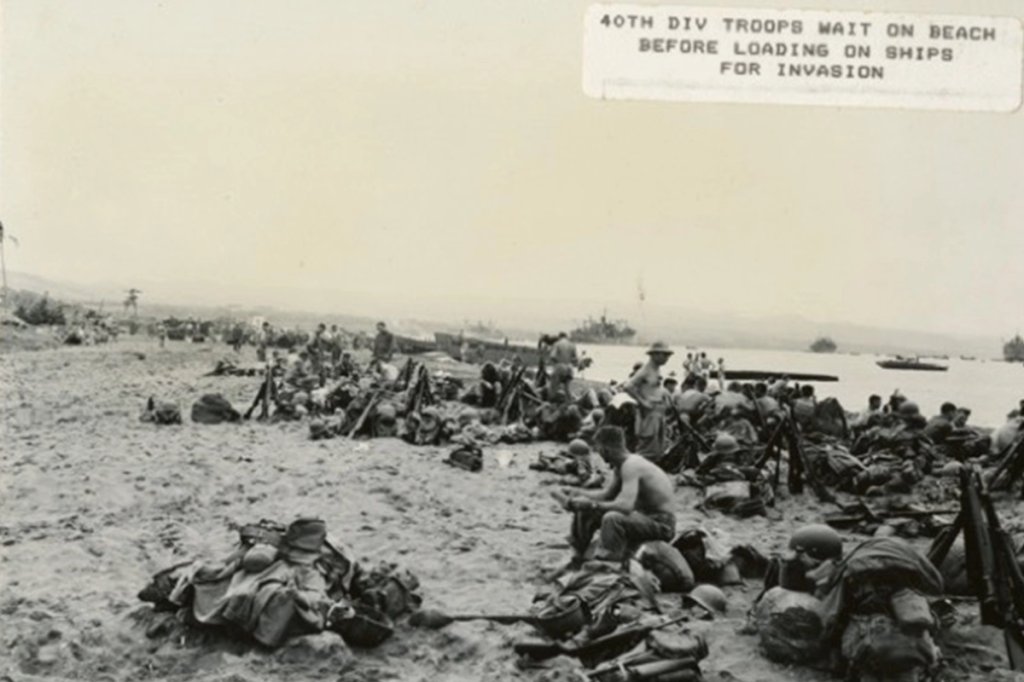
It’s almost impossible to explain why the “one weekend a month” slogan is outdated without mentioning the National Guard’s long history of service. It’s also hard not to mention that units going to war really cannot operate on that type of mentality.
Where the “one weekend a month” slogan really draws its origin from is Vietnam-era policy.
Vietnam-Era and Post-Vietnam
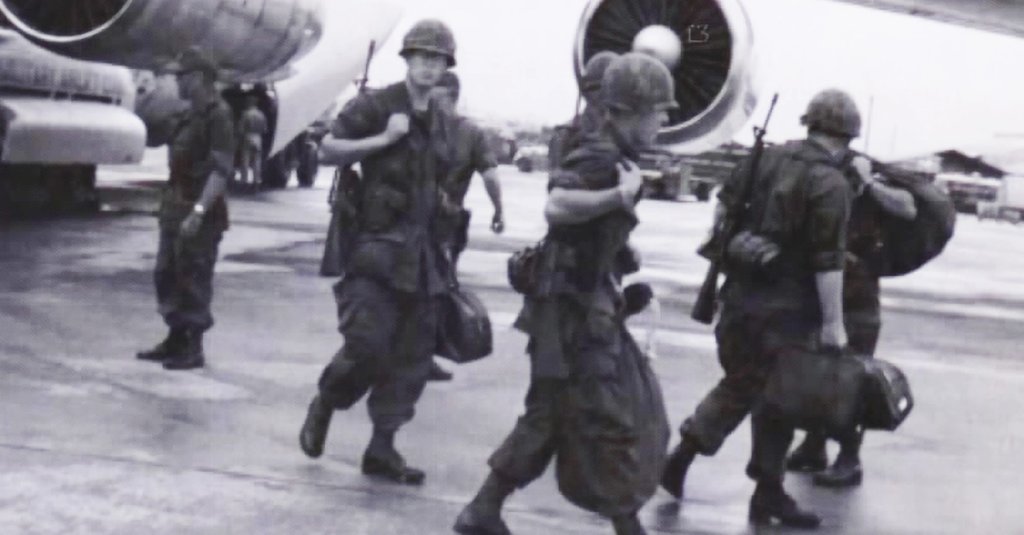
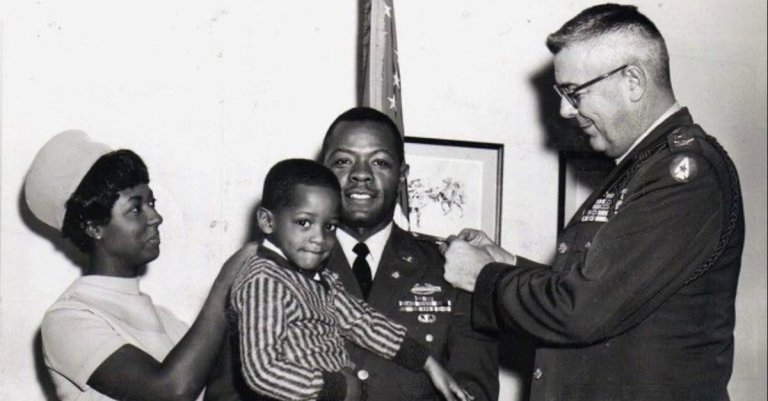
President Lyndon B. Johnson made it clear that the National Guard’s responsibility was to protect the homeland. As a result, the National Guard’s mobilization was limited. Despite what your grandpa or uncle might tell you, 9,000 National Guardsmen and women served in-country, with 100 giving their lives. But the mentality at the time was that joining the Guard could get you out of seeing combat.
Given the growing civil unrest at the time, it makes sense that the Guard was underutilized overseas. But, somehow, the National Guard caught this reputation for being easy and laid-back, while everyone else had to go fight. While the National Guard stayed in this “weekend warrior” box for several more decades, everything changed with the War on Terror.
Global War on Terror
When the GWOT started heating up, active duty units relied heavily upon Guard units to make up for their lack of numbers. In 2005, the National Guard made up 41% of all units deployed to Iraq. Guard units had already been extending weekend drills and annual training periods to better prepare for deployments to places like the National Training Center in California or the Joint Readiness Training Center in Louisiana.
The National Guard did not stop deploying in support of the War on Terror, and it still trains to be ready for those deployments the way it was 20 years ago.
The 2020s
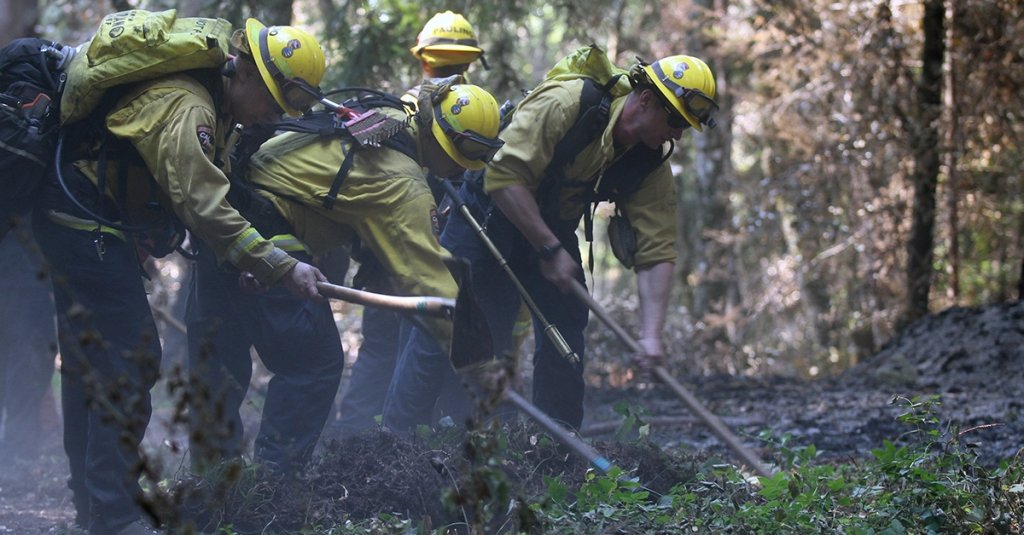
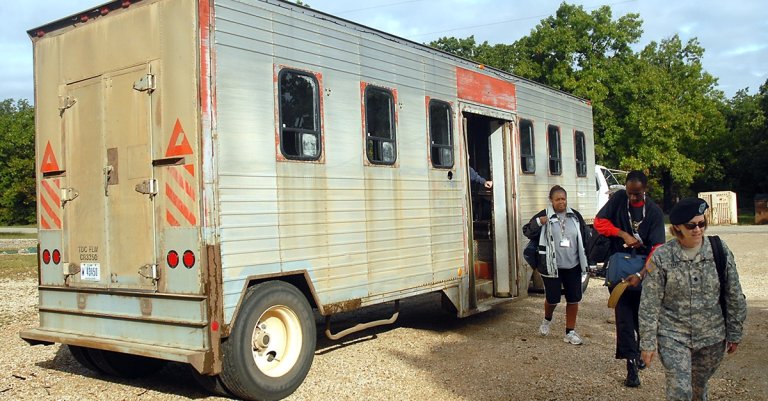
Since 2020, the National Guard has been mobilized stateside every year for some type of situation. 2020 saw massive, widespread mobilizations in response to civil unrest, for medical support, and fighting wildfires. In 2021, the Massachusetts National Guard was driving buses, and the Oregon National Guard was staffing hospitals. All of this in addition to weekend drills, annual training, and deployments.
Maybe there are units out there that are still operating under that old slogan. But for the majority of the Guard, “one weekend a month, two weeks a year,” is a relic of a bygone era. You won’t see a private complaining about finally being able to pay for their brand new Dodge Challenger, though.
Don’t Miss the Best of We Are The Mighty
• 6 reasons why comm guys hate military movies
• The Complete Hater’s Guide to the Army National Guard
• Soldier killed in Afghanistan will receive the Medal of Honor