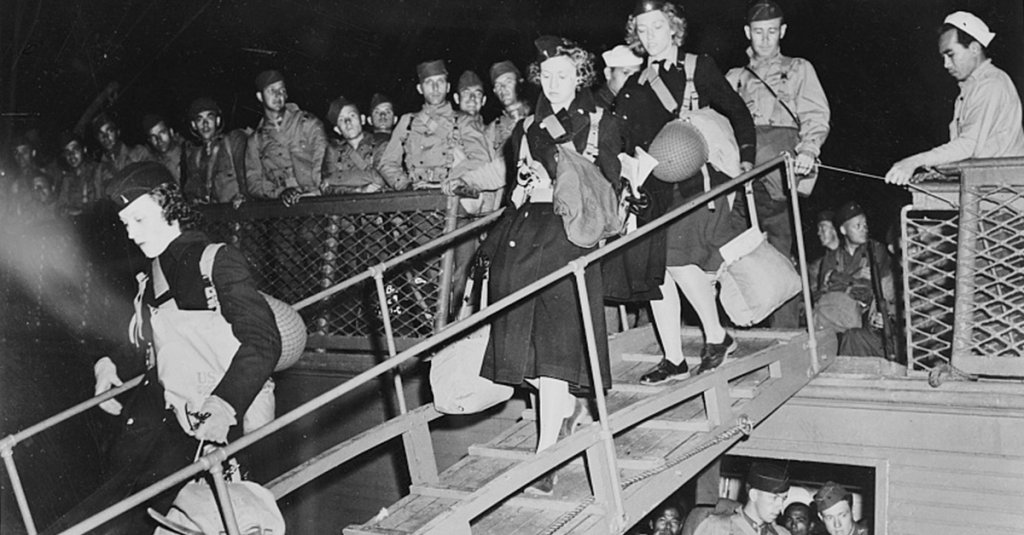
As the national conversation swirls around Pete Hegseth’s challenge of women in combat, it may be hard to imagine a similar situation more than a half-century ago. The question today is: “Do women deserve access to combat roles?”
Back then, it was: “Do men deserve access to nursing roles?’
For the majority of the 20th Century, men were barred from commissioning in the Army Nurse Corps (ANC) solely on the basis of their gender.
Related: 10 reasons to become a military nurse
To understand this little-known piece of history, we need a crash course in the history of Army nurses. Let’s rewind. During the 18th and 19th Centuries, care for U.S. soldiers was a patchwork of male and female volunteers, contract and civilian workers, and unskilled service members.
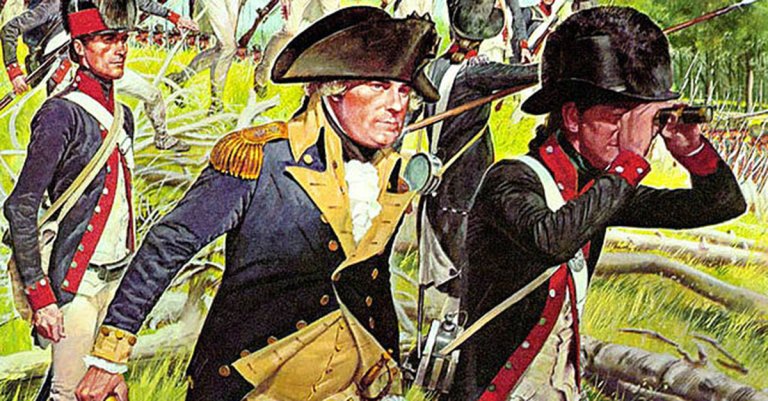
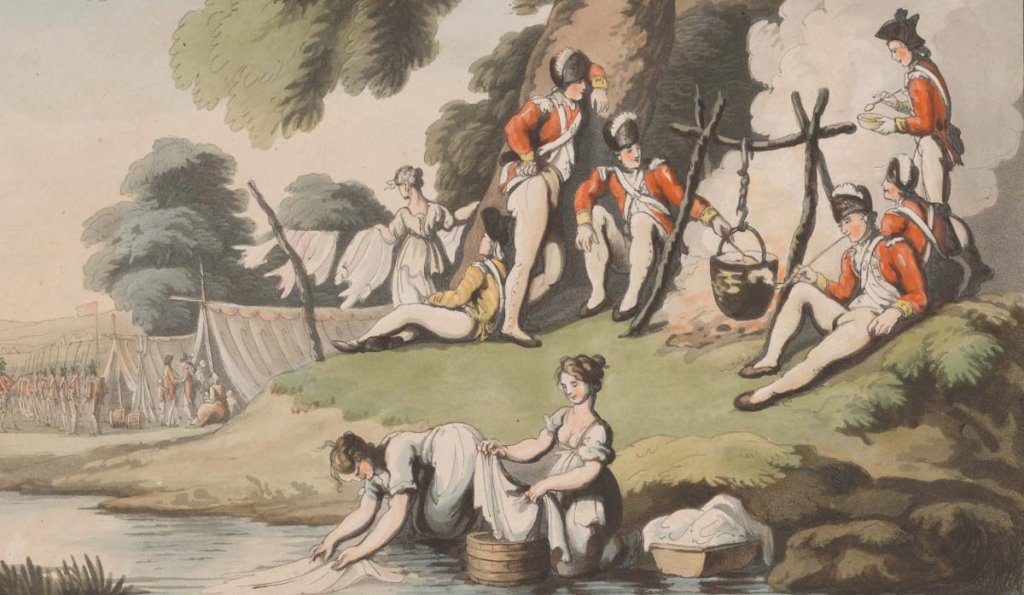
During the Revolutionary War and Civil War, camp followers—the service members’ mothers, wives, sisters, and daughters who quite literally followed wherever the Army camped—were the most common type of nurse. Others “became” nurses out of necessity when the war came to their towns. Still others (like poet Walt Whitman) travelled great distances to hospitals, intending to help in any way they could. In addition to using volunteers, the Army paid a small number of workers to provide nursing services in nearly every conflict during that period.
After contract nurses—both male and female, Black and white—proved themselves invaluable during the Spanish-American War and in the face of a deadly influenza outbreak, the Army Nurse Corps was created in 1901. It was a huge economic and social win for white women, even though their commissions were not equal in status, rank, or benefits to men who commissioned with the Army (with one small exception: During the last year of World War I, Black women were barred from joining the ANC from its inception until World War II).
The ANC’s founding documents explicitly forbade men from joining, likely due to intense lobbying from women’s professional organizations and widely accepted gendered stereotypes.
As early as the First World War, there is documentation that then-serving male nurses petitioned the Army for the opportunity to become ANC officers. One of the prevailing reasons for the fight? Male nurses were assigned to inferior ranks as either orderlies or pharmacy techs, negatively affecting their pay, benefits, and career trajectories. At that time, a male nurse with a nursing degree in the Army earned half of what a commissioned female ANC officer did.
Even with evidence of male nurses serving faithfully and skillfully, they came up empty-handed in their quest for professional equality. When World War I ended and the need for a large Army—and subsequently large ANC—decreased, the issue was set aside during the interwar years.
As another war became more and more inevitable, so too did the clash between male nurses and the ANC. Before the start of the Second World War, professional nursing organizations and individuals flooded the government with petitions to change policies. The issue was repeatedly met with opposition from the Army and the Surgeon General’s office.
Brigadier General Albert G. Love’s response to the American Nurses’ Association’s advocacy for male nurses read, “We feel that we have provided a satisfactory and dignified position for such male nurses as may be employed during the military emergency.” The status quo prevailed: male nurses could serve, but with an inferior rank and pay and not within the ANC.
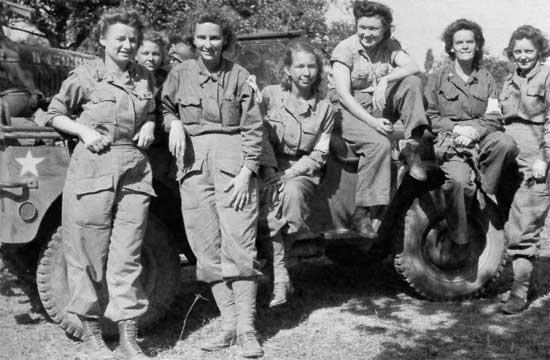
Advocates persisted, again lobbying government and military officials with even more urgency. The debate continued, much of it focusing on the same ideas. One argument for excluding men centered on the likelihood of men being unable to accept a subordinate rank once part of the ANC. Another was that the system worked well. Still another pointed to administrative issues that having male nurses would cause.
It would take nearly another decade for men to get a fair shot at commissioning as ANC nurses. Enter: LeRoy Craig and Ohio congresswoman Frances Payne Bolton. Bolton was a longtime advocate for nurses, having passed the eponymous Bolton Act, which created the U.S. Cadet Nurse Corps. LeRoy Craig was a male nurse and superintendent of the Pennsylvania School of Nursing for Men. He successfully lobbied Bolton to take up the cause of male Army nurses.
She did.
Congress passed the Bolton Amendment to the Army-Navy Nurses Act of 1947 in August 1954. Coincidentally, just months after suffering a heart attack and being cared for by Army medical staff, President Dwight D. Eisenhower signed the legislation into law, ending gendered segregation in the ANC
“Army Commissions Male Nurse, First One in 54 Years of Corps; Swearing-In Closes a 14-Year Fight to Give Qualified Men Equal Status,” read a headline in the October 7, 1955 edition of the New York Times. The article described the pomp and circumstance surrounding the historic commissioning of Private Edward L. T. Lyon as a second lieutenant.
Perhaps predictably, the Times took great pains to paint Lyon as an all-American guy, noting his stature (“6 feet 5½ inches tall”), virility (“He plays basketball and tennis”), and ambition (he really wanted to be a doctor, but family circumstances got in the way).
Lyon cemented his place in history working as an anesthetist in the Army as a Reservist. Perhaps surprisingly, it would take another 10 years for a male nurse to commission with the ANC for active duty. When Lawrence C. Washington joined in 1967, he also became the first Black male nurse to be commissioned into the ANC. Other male nurses continued to join, creating a new legacy for the second half of the 20th Century.
During the Vietnam War, the Army instituted a short-lived and unpopular draft for male nurses. Regardless of that ultimately unsuccessful initiative, it was the first war in which they could serve as Army officers. Despite the rich history of female Army nurses serving valiantly under extreme duress in WWII’s Pacific Theater, ANC officers sent men into more dangerous, physically demanding, and remote assignments. A contingent of male-only Army nurses even trained the Nursing Division of the Republic of Vietnam Armed Forces.
According to one officer, “The living conditions and the travel and the field were not conducive to putting females into these positions. Oftentimes, we would not shower for days on end. This would have been difficult for women.”
For the past 70 years, men and women have served alongside each other in the Army Nurse Corps, providing excellent care for their patients in some of the most difficult circumstances. What began as a small group of women is now thousands strong, 35% of which are male.
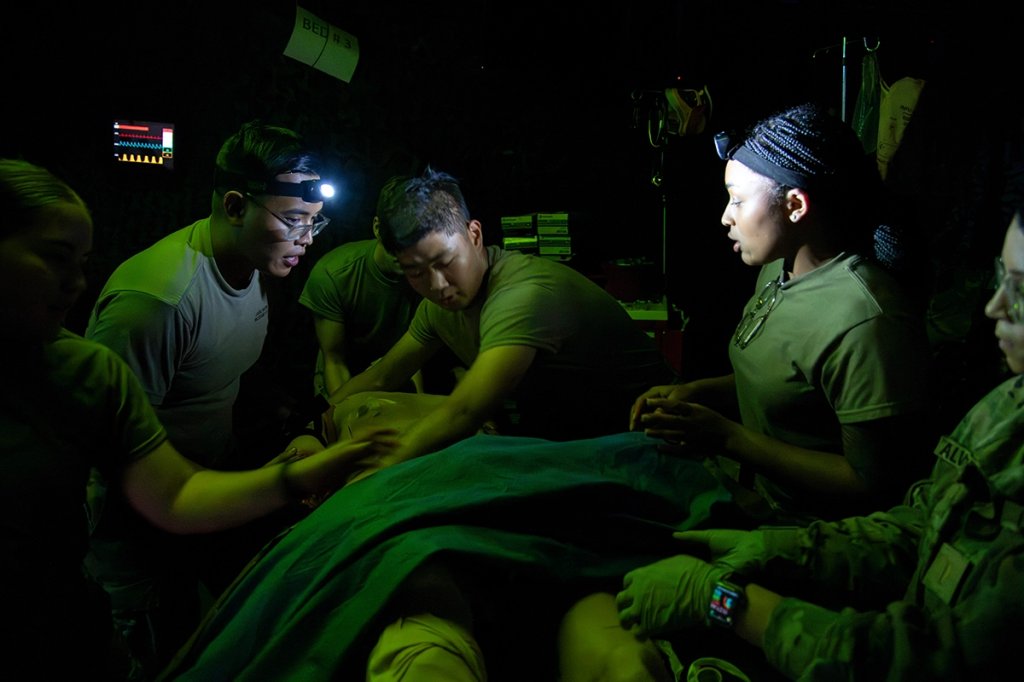
For perspective, just over 5% of U.S. nurses are male. Present at every conflict since the Vietnam War, serving abroad, or stationed at home, male nurses are now part of the fiber of the ANC. It’s a pertinent reminder that progress may be delayed, but the skilled and determined can change hearts, minds, and policy.
Don’t Miss the Best of We Are The Mighty
• A Marine Corps veteran’s grind to rebuild a fire-ravaged neighborhood
• 5 terrifying things US troops faced in Vietnam’s jungles
• How ‘Major Payne’ became a Marine Corps comedy classic