In an age where worldwide industry and fossil fuel use emits 6.5 billion tons of carbon into the environment, we (mostly) scramble to find unique ways to cut our global carbon footprint. In that context, it’s incredible how one man could single-handedly cut 700 million tons of his carbon footprint. And the carbon footprints of other people. And their actual footprints. And their feet.

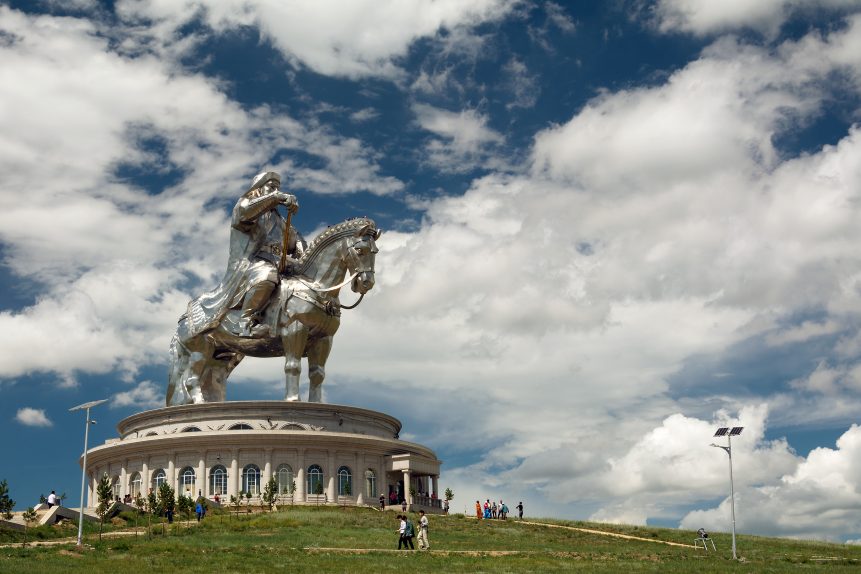
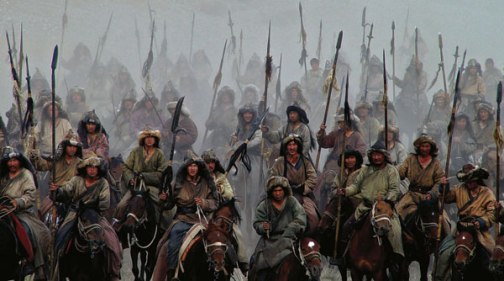
Genghis Khan Temujin conquered his way into the largest empire on earth between 1162 and 1227. His Mongol Army swept south through China, over and around the Great Wall.
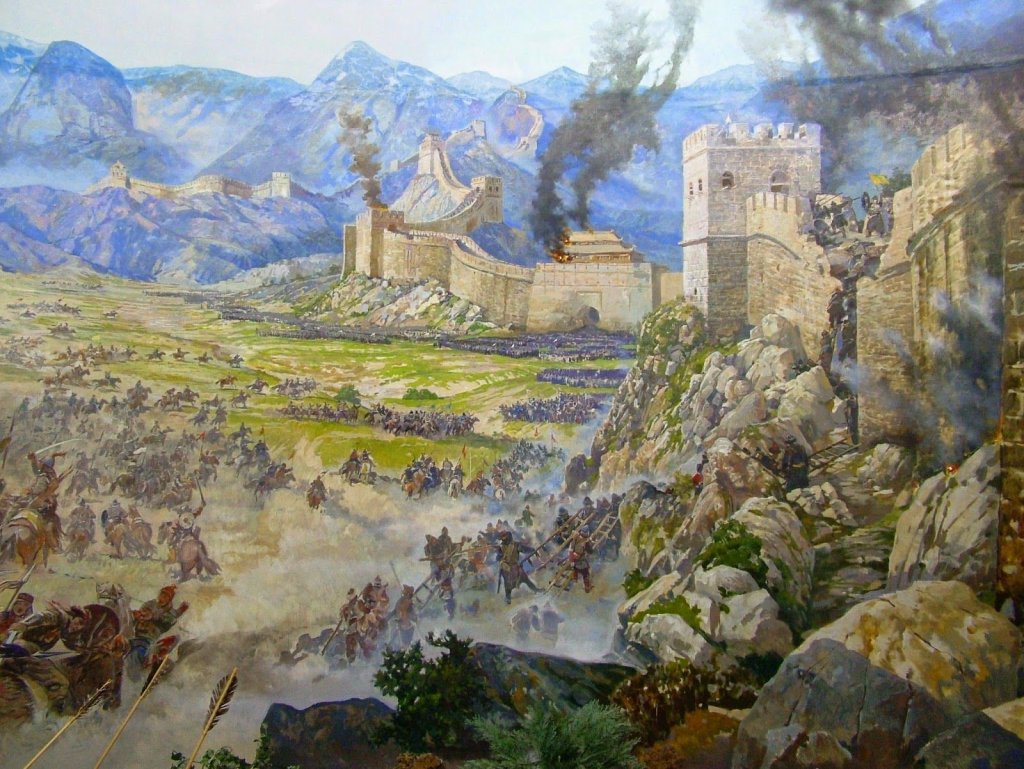
They then turned west through modern-day Afghanistan, Iran, and onward to the shores of the Caspian Sea – some 22 percent of the Earth’s surface.
In that campaign, the Great Khan killed some 40 million people. The lands that those people were cultivating for farmland before the Mongols made it their gravesites soon started to grow trees and other vegetation instead. The returning forests pulled an astonishing 700 million tons of human-generated carbon out of the atmosphere, according to a Carnegie Institute study.
That’s like getting rid of every gasoline-fueled car on the road today.
That same study found that deforestation is one of the major contributors to climate change. Since the Khan killed all the people chopping down trees for farmland in Central and East Asia, the Earth had a chance to heal.
He’s like an ancient Lorax sent by Mother Earth — but with real consequences.
However, since the people of the mid- to late-Middle Ages did not have access to cars, tanks, or John Deere tractors, the carbon removed from the atmosphere may have contributed to the first case of man-made global cooling.