When millions of Americans tune in to the 2026 NFL draft on Thursday, April 23, they’ll have two military veterans to thank for the league’s biggest offseason spectacle.
Seeking to jump-start the Philadelphia Eagles’ fortunes, owner Bert Bell tried to sign a hotshot running back from the University of Minnesota in 1935. Stan Kostka, who became a U.S. Navy lieutenant commander during World War II, wasn’t going to come cheaply.
Related: This Medal of Honor recipient came up with the idea for the Super Bowl
As Bell and Kostka negotiated terms, the asking price kept increasing. With other teams striving to sign Kostka, Bell was caught in a bidding war. He didn’t like to lose, but the price point became too rich for his wallet.
When Kostka was noncommittal after Bell offered him a then-astronomical salary of $6,000, the Eagles owner walked away disappointed, upset, and determined not to take the rejection lying down.
“I made up my mind that this league would never survive unless we have some system whereby each team had an even chance to bid for talent against the other,” Bell recalled to The Associated Press two decades later.
Bell Served as a Medic During World War I
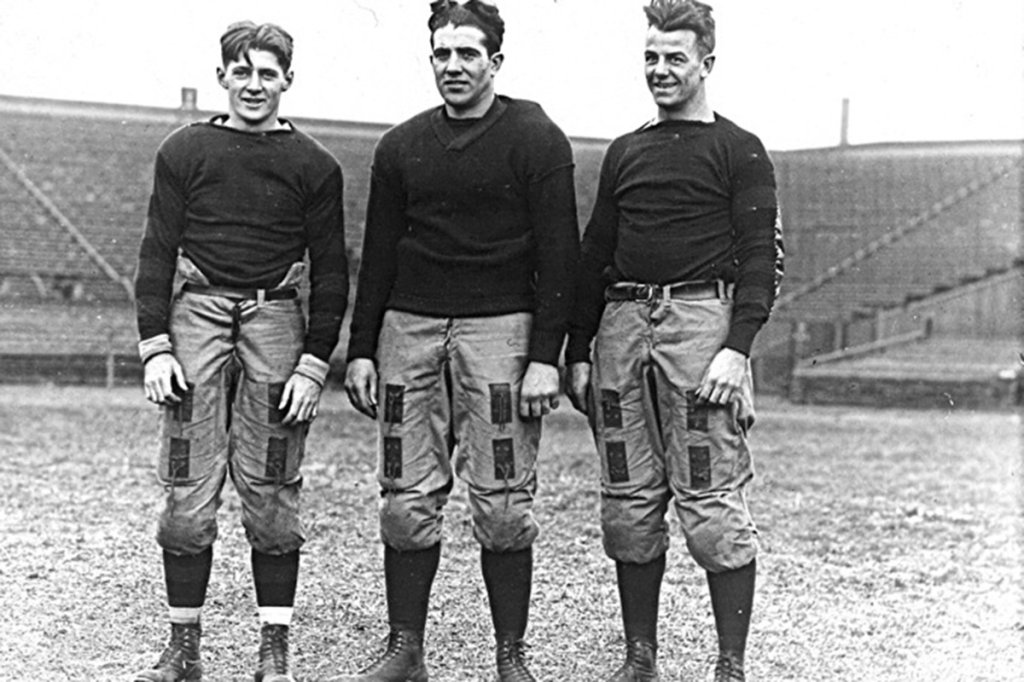
Born De Benneville Bell on February 25, 1895, young Bert grew up wealthy and with a deep appreciation for football.
His father took him to his first game when he was 6 years old. Bell’s athletic skills blossomed to such an extent that he quarterbacked the University of Pennsylvania to its only Rose Bowl appearance, a 14-0 loss to Oregon on January 1, 1917.
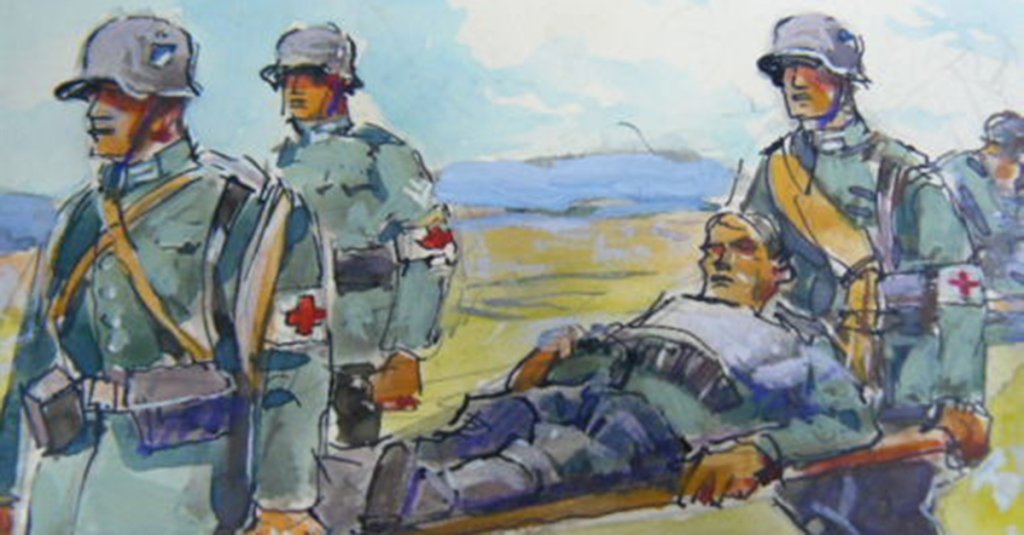
Nine months later, Bell enlisted in the Army during World War I. As part of a mobile hospital unit, Bell was sent to France in May 1918 and rose to the rank of first sergeant.
Bell coached football after the war until his wife loaned him $2,500 to purchase the rights to the defunct Frankford Yellow Jackets in 1933. (His family had cut off Bell financially at the time.) The Yellow Jackets were based in Philadelphia, and Bell renamed the franchise the Eagles after the symbol for President Franklin D. Roosevelt’s National Recovery Administration.
How the ‘Selection of Players” Started
Bell liked to gamble, and back in the 1930s, owning an NFL team was a risky business. As the Great Depression lingered on, professional football was not immune to the economic realities of the time. Television had not yet surged in popularity, there was no internet, and the NFL lagged far behind college football and pro baseball in popularity.
The Eagles were coming off consecutive losing seasons when the NFL held its meetings in Pittsburgh in 1935. After Kostka’s rejection, Bell pushed for a “selection of players” process in which a team’s record the previous season would determine its order of selection. The teams with the worst records would pick before the better clubs, Bell proposed.
Then-Boston Redskins owner George Preston Marshall seconded Bell’s motion, and it passed unanimously. The NFL now had a draft.
A True Innovator
Bell, who became the NFL’s commissioner in 1946, helped spearhead such innovations as the two-minute warning and sudden-death overtime. Nothing he did, though, is as popular as the NFL draft.
Since ESPN first aired the proceedings in 1980, the draft has turned into appointment television for diehard fans. It wasn’t that way nearly a century ago, when Kostka turned down Bell’s overtures. Instead, he accepted a $5,000 salary, plus a $500 bonus, to play for the Brooklyn Dodgers. Kostka played nine games in his only NFL season.
Bell’s Eagles didn’t fare much better in the immediate aftermath of the first draft. They selected Jay Berwanger, a University of Chicago running back coming off winning the first Heisman Trophy, as the first overall pick. Berwanger never played a game for Philadelphia; he was dealt to the Chicago Bears after a contract dispute.
Berwanger never played a game in the NFL, becoming a successful businessman and a Navy flight instructor during World War II.
Bell just couldn’t win. Literally. He coached the Eagles for five seasons, and after selling his stake in the franchise, he bought part of the Pittsburgh Steelers and coached them for two games in 1941. Bell’s overall record was 10-46-2, the worst in league history.
As an innovator, though, there were few like him. Bell was inducted into the Pro Football Hall of Fame in 1963, four years after he died of a heart attack while attending an Eagles-Steelers game.