
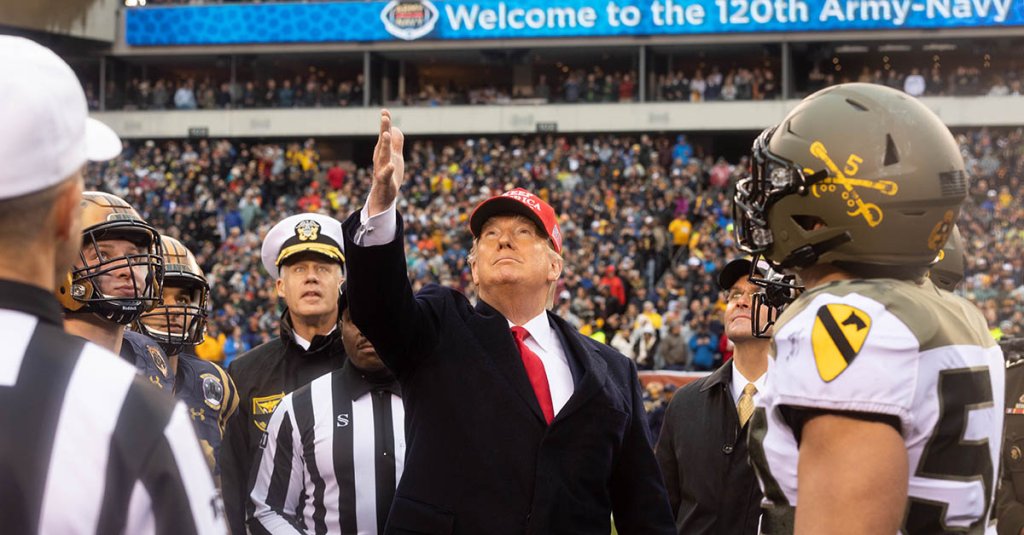
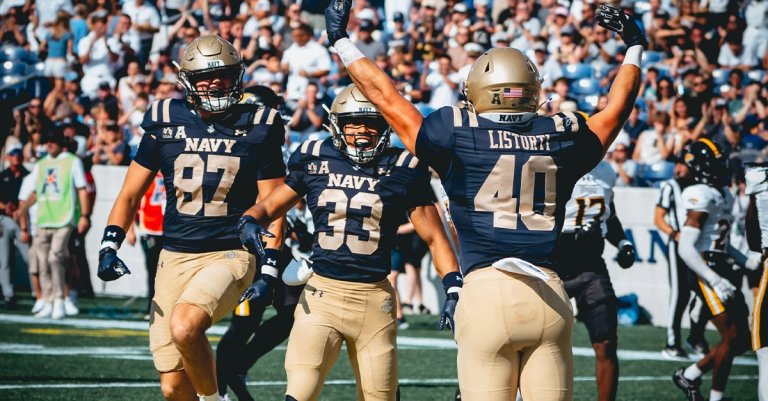
Since 2009, the Army-Navy rivalry is the only major-college football game played on the second Saturday in December.
With the College Football Playoff considering expansion, that exclusive television window is in jeopardy. President Donald Trump addressed the matter Friday by issuing an executive order that was titled “Preserving America’s Game.”
Related: How the Army-Navy game of 1944 stopped World War II
In the order, Trump said Commerce Secretary Howard Lutnick and Federal Communications Commission (FCC) Chairman Brendan Carr will meet with the CFP committee and the NCAA to protect the Army-Navy game from going head to head with other matchups.
Carr also will “review the public interest obligations of broadcast licensees to determine whether those obligations would require that the Army-Navy Game remain a national service event,” according to the order.
The Possible Domino Effect of Playoff Expansion
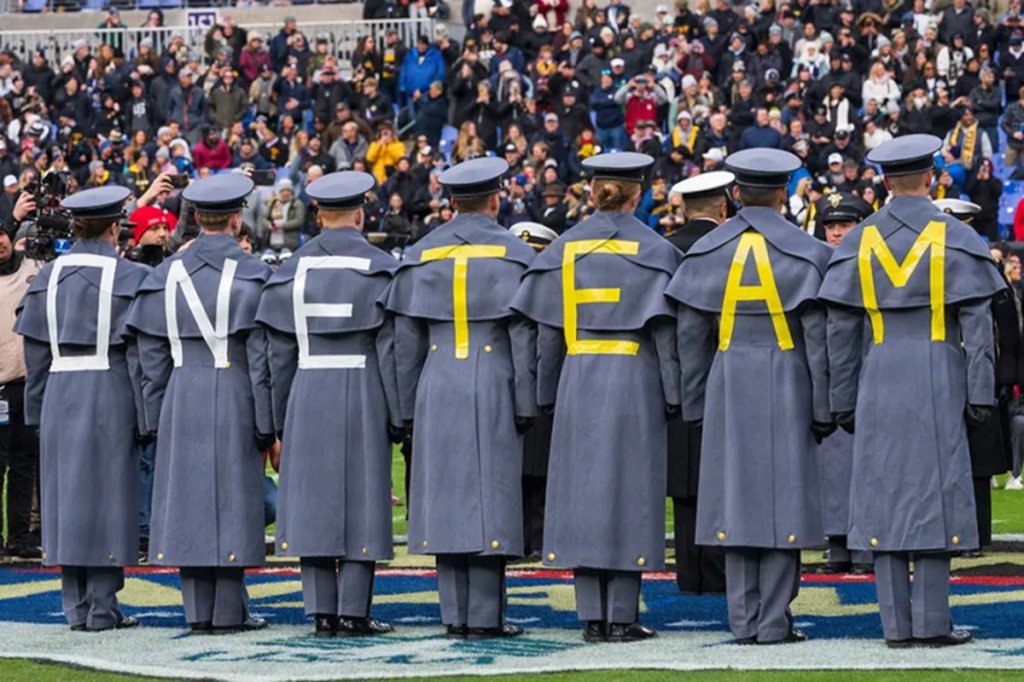
For nearly two decades, Army vs. Navy has been a lead-in to the presentation of the Heisman Trophy. Other than that, it was strategically placed after the myriad conference championship games and before the bowl season began, guaranteeing no other major-college games posed any competition.
That scheduling worked for everyone until the College Football Playoff came along during the 2014 season. It began with four teams and expanded to 12 teams in 2024. That format will be in effect through the 2026 season, but the sport’s leaders aren’t waiting that long.
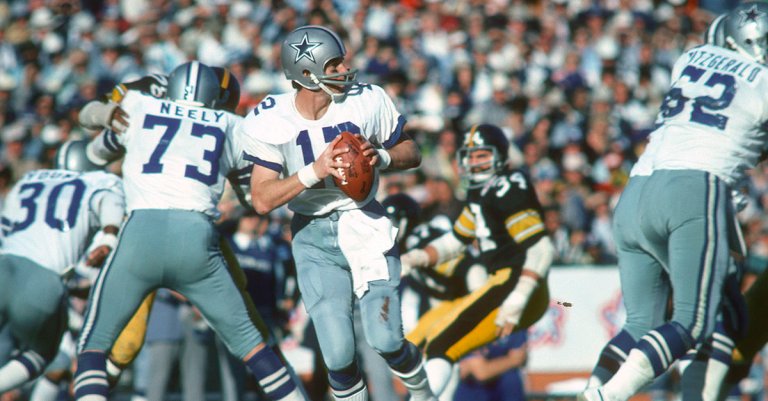
Faster than you can say “Roger Staubach,” they saw an opportunity to extract more money in television rights fees. More playoff games, more money. It’s straightforward financial math, but it has left the Army-Navy game in a vulnerable position.
The service academies are wondering what’s next.
Navy Rejected Army Coach’s Idea
Is an Executive Order Law?
Executive orders do not carry the same weight as legislation, according to the American Bar Association. They are not the law of the land; instead, they are more instructive about how the president at that time would like the federal government to act toward a specific goal.
Whether Trump has the legal right to force the College Football Playoff committee to schedule around the Army-Navy game is way above our paygrade. Obliterating that window by expanding the playoff would “detract from a morale-building event of vital interest to the Department of War.”
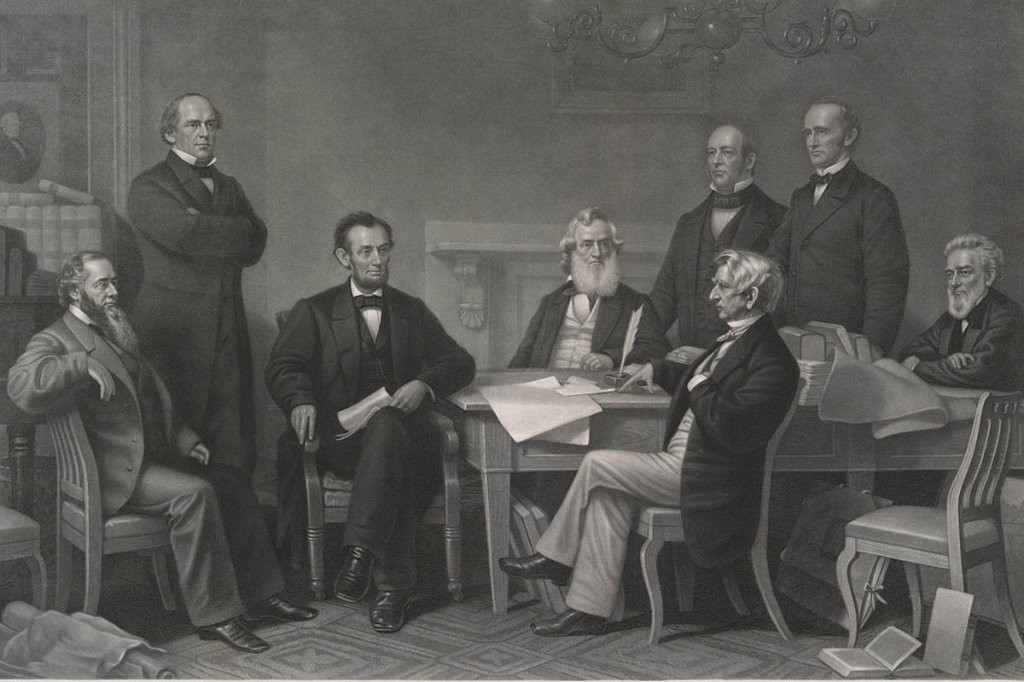
While this executive order pales in significance to others, such as President Abraham Lincoln’s Emancipation Proclamation in 1863 or when President Harry Truman desegregated the U.S. military in 1948, don’t tell that to Trump.
“For over a century, the Army-Navy Game, known as ‘America’s Game,’ has stood as a symbol of excellence and the American spirit,” the executive order read. “… Accordingly, it is the policy of the United States that no college football game, specifically college football’s CFP or other postseason games, be broadcast in a manner that directly conflicts with the Army-Navy Game.”
Any Change Won’t Occur During 2026 Season
For now, all we know for certain is that the Black Knights and Midshipmen will meet at 3 p.m. Eastern time on December 12, 2026, in East Rutherford, N.J. As the playoff committee considers expanding (likely to 16 or 24 teams) after the current contract expires, some chairs may have to be rearranged.
If that happens, the military academies’ exclusive television window would become a complication that the CFP must solve. If it doesn’t, we know someone residing at 1600 Pennsylvania Ave. NW who won’t be happy.
Don’t Miss the Best of We Are The Mighty
• 4 awesome traditions to look for at the Army-Navy Game
• The ‘Prisoner Exchange’ is the coolest Army-Navy tradition no one talks about
• Leatherneck Football: The Marine Corps’ legacy on the gridiron
Featured

Loading comments…
Comments couldn’t be loaded. Please refresh the page.