
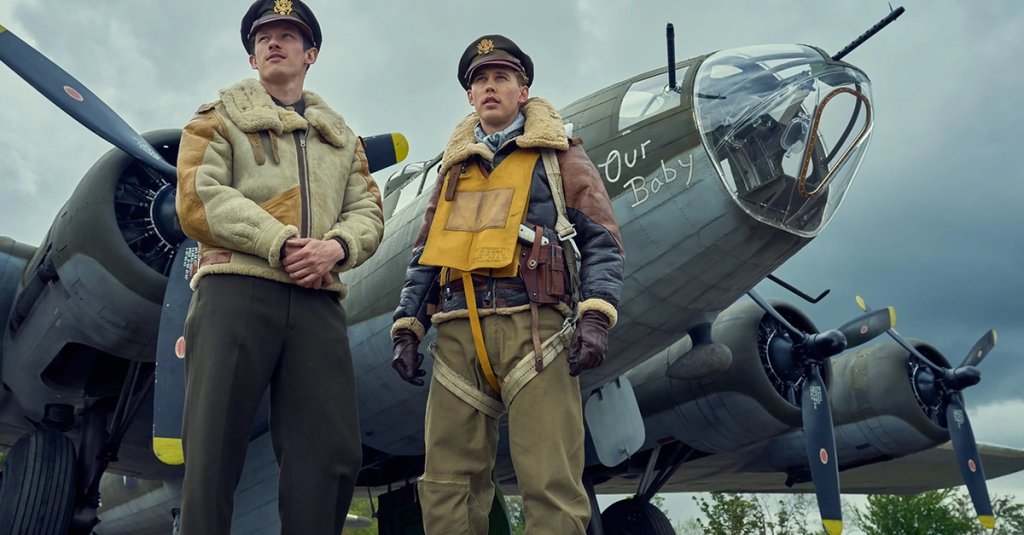
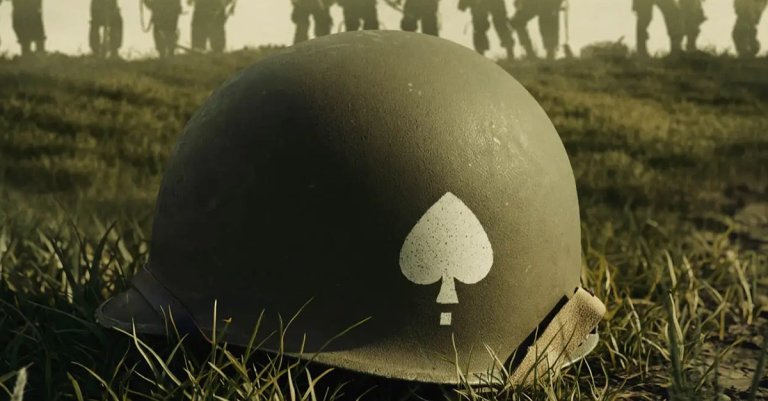
Following the incredibly successful 1998 release of “Saving Private Ryan,” Steven Spielberg and Tom Hanks took what they learned from making the film (and many of the props and costumes) to create the HBO miniseries, “Band of Brothers.”
Released in 2001, “Band of Brothers” received similar praise and cemented itself in American culture as a top-tier depiction of World War II combat in Western Europe. As of 2010, it is one of the best-selling TV DVD box sets with $250 million in sales. TV channels often run marathons of the miniseries, and its jump from streaming on MAX to Netflix was closely followed by fans. Scenes from “Band of Brothers” are even used by the U.S. Army to teach tactics and leadership.
With that level of success, HBO signed on to produce 2010’s “The Pacific “as a successor to “Band of Brothers.” However, with a much larger budget and reportedly lower subscription rates and DVD sales, “The Pacific” may have cost HBO more than it made.
To the surprise of many fans, HBO passed on the opportunity to produce “Masters of the Air” with Spielberg, Hanks, and Gary Goetzman, who worked on “Band of Brothers” and “The Pacific.”

Instead, Apple TV+ picked up the miniseries based on Donald Miller’s book of the same name. Previously teased as “The Mighty Eighth,” “Masters of the Air” was likened to “Band of Brothers” in the sky.
But was it?
A big part of what made the first miniseries so great is that the audience follows a single unit from training in the U.S. through the end of World War II. Over that time, viewers get to know the men of Easy Company, develop attachments to them, and watch them evolve throughout the war.
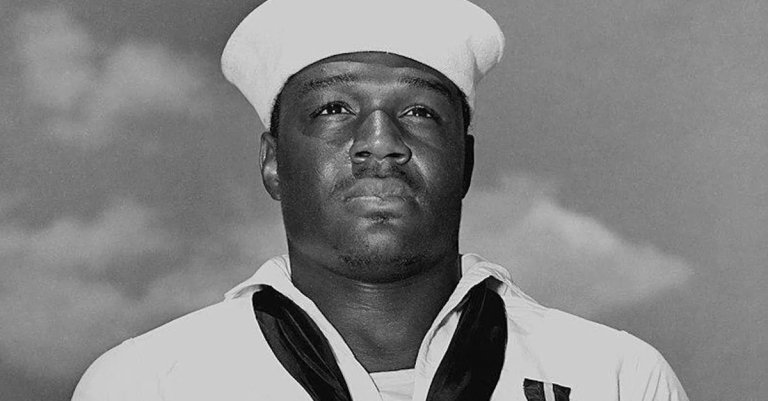
In contrast, “The Pacific” follows the stories of three main characters (the miniseries draws from two autobiographies, “Helmet for My Pillow” by Robert Leckie and “With the Old Breed: At Peleliu and Okinawa” by Eugene Sledge, and the story of John Basilone). As a result, viewers can find the episodes disjointed and inconsistent as the narrative jumps between different units and even stateside and overseas settings.

“Masters of the Air” focuses on the men of the Eighth Air Force’s 100th Bomb Group. Nicknamed “the Bloody Hundredth,” the unit was infamous for its high casualty rate. As a result, characters are introduced and killed just as the audience is getting to know them, sometimes in the same episode.
While this is contradictory to what made “Band of Brothers” so popular, the 2001 miniseries has the benefit of over two decades of viewing by audiences who have rewatched it countless times. The quick loss of certain characters accurately depicts the horrific casualty rate of American airmen; the Mighty Eighth had more men killed than the entirety of the U.S. Marine Corps during the war.
Even so, “Masters of the Air” follows a core set of characters with much closer ties than the main characters of “The Pacific.” The miniseries is narrated by Harry Crosby and primarily follows Gale “Buck” Cleven, John “Bucky” Egan, and Robert “Rosie” Rosenthal. Other characters like Everett “Ev” Blakely, Joseph “Bubbles” Payne, and Bernard “Benny” DeMarco may not have stuck with the audience as well during the first viewing of “Masters of the Air.”
Consider, however, how long it took you to match names to the faces of “Band of Brothers” characters like Thomas Peacock, Alex Penkala, and Walter “Smokey” Gordon.

Unlike “Band of Brothers,” “Masters of the Air” jumps straight into the action with its first episode just as early in the air war, many American airmen went into combat with only months of training and as little as 100 flight hours.
Unproven theories about bomber warfare like fighter escorts being unnecessary and heavily armed bombers being able to hold their own against air defense fighters were quickly shattered by veteran Luftwaffe pilots. These theories were developed before the advent of radar-guided flak artillery which inflicted heavy losses on the Mighty Eighth.
Between marauding enemy fighters and razor-sharp flak clouds, daylight raids by America’s Bomber Boys were as suicidal as their RAF counterparts viewed them to be. In fact, for all the emphasis on the Norden bombsight and precision bombing of military targets, the USAAF did defer to city-busting terror bombings.
Later in the war, radar-equipped American bombers released their payloads above the clouds over obscured targets when their screens indicated that they were above a population center large enough to return a radar signature.

The death of Curtis “Curt” Biddick, played by Academy Award nominee Barry Keoghan, in Part Three may have come as a surprise to viewers not expecting a big-name actor to play a character that dies three episodes in, especially after his close call in the previous episode.
Similarly, the assumed deaths of Buck Cleven and Harry Crosby in Part Four emphasize the harsh realities of World War II aerial combat: there is no cover in the sky and no one is safe from flak. Even on repeat viewings, the deaths of Biddick and Snyder deal heavy blows to the audience while the anger and thirst for revenge displayed by Bucky Egan after learning of Buck being shot down is enough to raise the hair on your arms.
“Masters of the Air” does take some liberties with the story of the Bloody Hundredth and the Mighty Eighth. Some conversations that came from other groups recounted in the source book are played out in the 100th’s story in the miniseries. Similarly, certain events like the deaths of Biddick, Snyder, and Joseph “Bubbles” Payne are changed in the show for dramatic and narrative purposes.

Whether or not you believe that “Masters of the Air” is a worthy successor to “Band of Brothers,” it’s difficult to argue against it being one of the best media depictions of aerial combat in WWII. Especially when it comes to the exploits of bomber crews, the stories of the U.S. Army Air Forces are largely forgone by Hollywood. Even in historical documentaries, the air war is depicted as combat between planes, not people.
As a result of “Masters of the Air,” institutions like The National Museum of the Mighty Eighth Air Force in Pooler, Georgia and the American Air Museum in England are seeing an uptick in interest. Prior to the release of “Band of Brothers,” American heroes like Richard Winters, Williams “Wild Bill” Guarnere, and Edward “Babe” Heffron were not well-known to the public; today, all three men have statues dedicated to their service.
As America’s population of World War II veterans shrinks, it’s more important than ever to tell their stories and preserve their legacy for future generations to learn from and be inspired by.
As Winston Churchill said of the UK’s debt to the RAF’s pilots who fought the Battle of Britain: “Never in the field of human conflict was so much owed by so many to so few.”
It also describes the debt owed by the free world to all Allied World War II veterans. By placing the spotlight on the men of the 100th Bomb Group, Spielberg, Hanks, Goetzman, and Apple TV+ help to preserve the memories of those masters of the air.
Loading comments…
Comments couldn’t be loaded. Please refresh the page.