We all know that contemplating the hereafter or planning for the inevitable can be a pretty uncomfortable undertaking. For veterans, however, half the work is already done. We all know there are certain benefits eligible veterans are entitled to, but what we may not realize is that those benefits aren’t all automatic. If you want the veteran’s funeral you deserve, it’s gonna take some planning on your end, some phone calls from your survivors, and, of course, paperwork.
Reimbursements form the VA can be filed by the veteran’s spouse, children, executors, or funeral home personnel for things like tranporting the remains, burial plots, and some funeral costs. In some cases, claims must be filed within two years of their death. Other cases have no time limits.
As unpleasant as the thought might be, life is random and short, and can stop suddenly at any time. The best day to start planning for the end was yesterday, so here are a few things veterans should know about their VA burial benefits to help get started today.
1. VA burial benefits don’t cover everything.

It’s nice to assume that the Department of Veterans Affairs will assume the cost of your burial or cremation, that all the veteran has to do is show up. But that’s not how it works. The truth is that, although some expenses may be covered, reimbursements are only available under specific criteria and only if the veteran died of a service-related condition, was receiving or was eligible for a pension or compensation, or died under VA care (or at a contracted facility).
2. The VA doesn’t automatically know someone died.
Many government agencies have been accused of tracking groups of Americans over the years, but the VA has never been one of them. To get VA burial benefits, families will need to provide proof of military service. Today, we all know it as the coveted DD-214, but before 1950, it was called a Report of Separation.
3. The folded flag isn’t automatic, either.
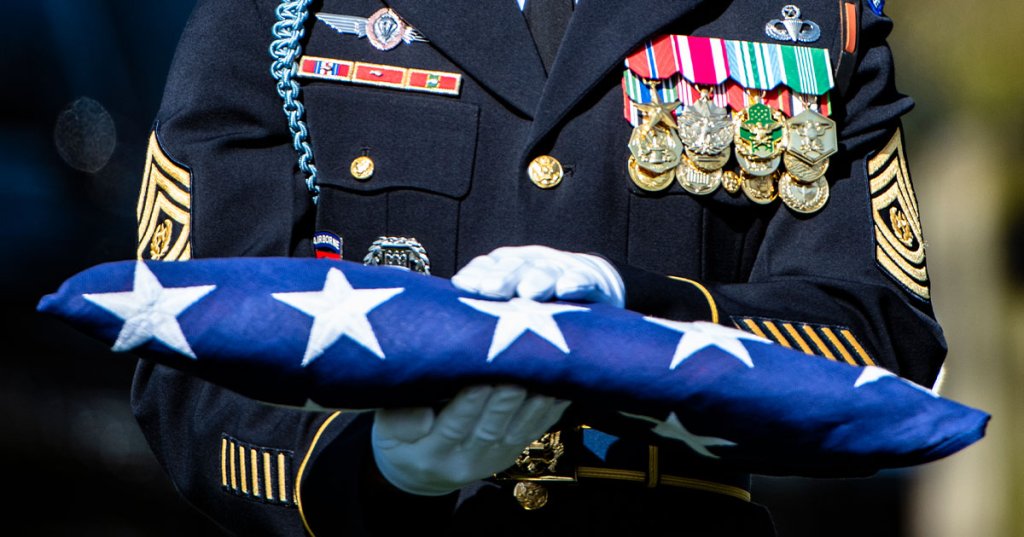
Freemasons have their lambskin apron, Odd Fellows present their three-link chain, but there is no American funeral tradition more iconic than an honor guard tightly folding Old Glory and presenting it to the family of the deceased.
The VA provides an American flag at these funerals free of charge to families who request one, but that’s the key: they must request it. Be sure to let your family know that they must submit a VA Form 27-2008 (Application for United States Flag for Burial Purposes) along with a DD-214 to the VA.
4. Military funeral honors must be scheduled in advance.
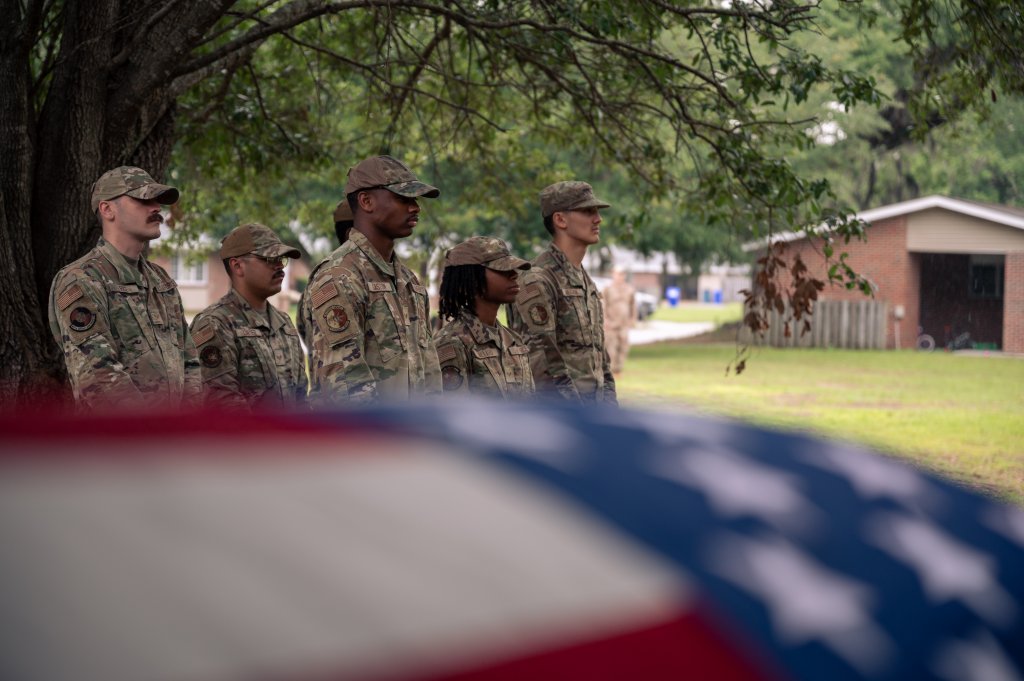
Okay, no one is expecting a veteran to know the precise date of their own funeral (it would be super helpful though). Military funeral honors include the playing of “Taps” and the aforementioned folding and presentation of the flag. These are very specific skills that some military personnel volunteer and train for, but not every military member can do it. So, like the flag request, the honors team has to be scheduled in advance, at least two days is recommended.
Read: The difference between military funeral honors and ‘full’ military honors
5. The veteran’s casket probably isn’t free.
There’s a difference between a coffin and a casket. A coffin is the six-sided, body-shaped box with a removable lid, one usually seen in movies. A casket is the rectangle-shaped box with two lids, usually on hinges. Caskets are also usually three time more expensive than a coffin. It’s a morbid kind of fun fact, but what’s most important for veterans to know is the VA isn’t paying for either one of them, unless the vet died on active duty.
6. Request a Presidential Memorial Certificate.
This is the “Thanks from a grateful nation” certificate. You might not be a fan of the current sitting President of the United States, but it’s likely someone in your family is. So when it comes time, families of honorably discharged, deceased veterans can request an engraved Presidential Memorial Certificate, signed by the current POTUS.
America is undoubtedly increasingly divided politically, but this transcends time and politics. Do you still harbor strong feelings about Calvin Coolidge, who was president 100 years ago? Your great-grandchildren won’t have them about today’s president a hundred years from now, either. So don’t let current politics interfere with a family legacy. Apply by mail or in person at a VA regional office.
7. Veterans can be buried in a national cemetery.
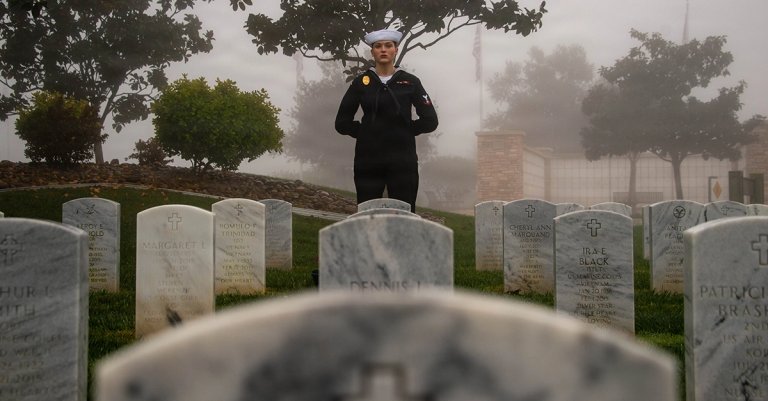
… but it’s probably not going to be Arlington National Cemetery. Space is limited at Arlington, so the requirements for being buried there are getting more stringent every year. Any veteran, however, can choose to have their cremated remains there. To be buried in a VA national cemetery, most of us will have to go elsewhere, but that’s not a bad thing–there are many beautiful, well-kept VA cemeteries all across America.
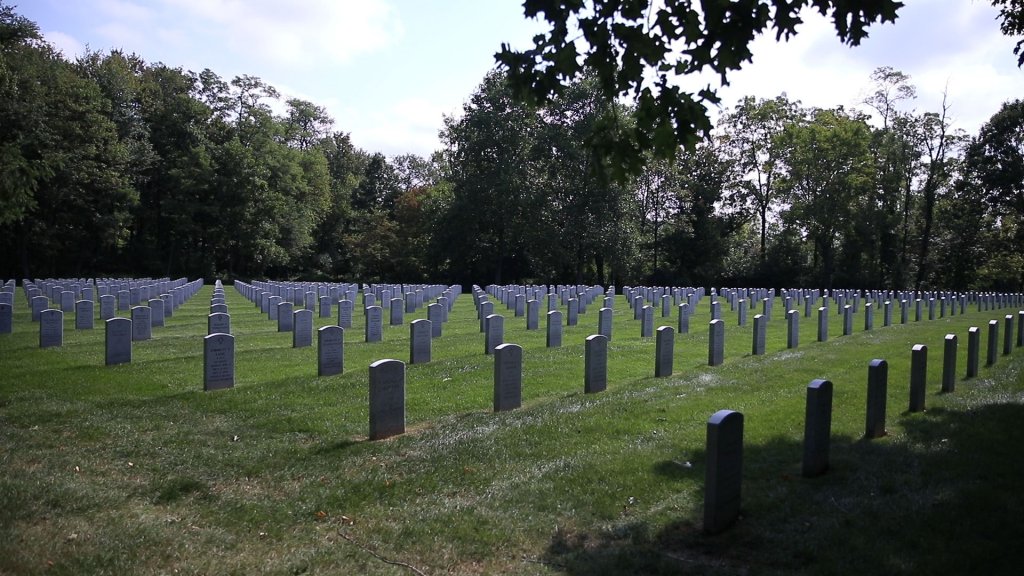
Those who choose not to be buried in a national cemetery have some VA burial benefits, but those are limited. In most cases, the VA will reimburse a maximum of $2,000 for burial expenses (a coffin might be the way to go). This is only for veterans who died of a service-connected disability, were receiving (or were eligible for) disability, or died under VA care, either in a hospital or VA-contracted facility. Family should file a VA Form 21P-530 to get compensated.
8. Non-veteran family members can be buried in a national cemetery.
Just because a veteran opts for a national cemetery doesn’t mean their loved ones can’t be buried beside them. Surviving spouses, some parents, and minor children can be eligible for this VA burial benefit, too. Heck, they can be buried in a national cemetery even if their veteran isn’t there. This is done through the VA’s Pre-Need Determination of Eligibility program, appropriately named because that “need” is their death and they have to qualify before they die. Fill out a VA Form 40-10007 with eligibility support documents.
9. VA burial benefits in national cemeteries are extensive.
Along with a bugler, flag, and at least two honor guardsmen, those who choose to be interred in a VA cemetery will receive a gravesite (if spouse, child, or other family are coming and want a spot next to the veteran, see #8). They also receive a government headstone or marker, opening and closing of the grave, perpetual maintenance, and a grave liner at no cost to the family.
All of these preparations require some kind of effort (and paperwork!) before the veteran dies. Besides, it’s just easier that way. Have you ever tried to find important papers from the past year? Then imagine how fun it is to find a veteran’s DD-214 from 30 years prior after they die. It’s much easier to make arrangments with them alive and willing to help you.
For additional assistance in arranging military honors, flags, certificates, and everything else after your veteran passes, talk to the funeral director. Chances are good they know what to do–and many of them offer a military discount.

Sponsored Content
The first-time homebuyer’s reality checklist