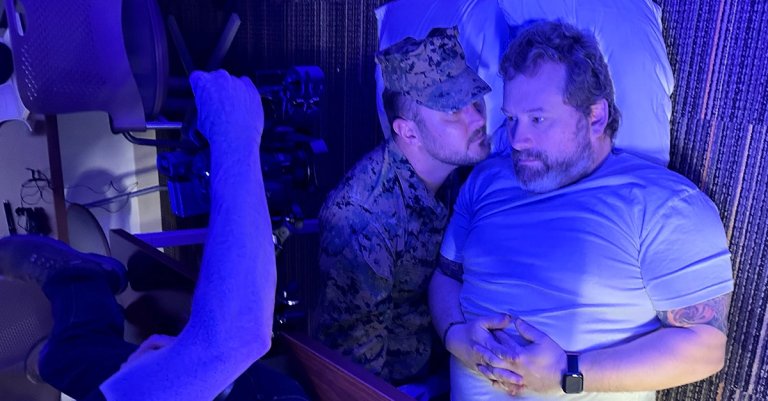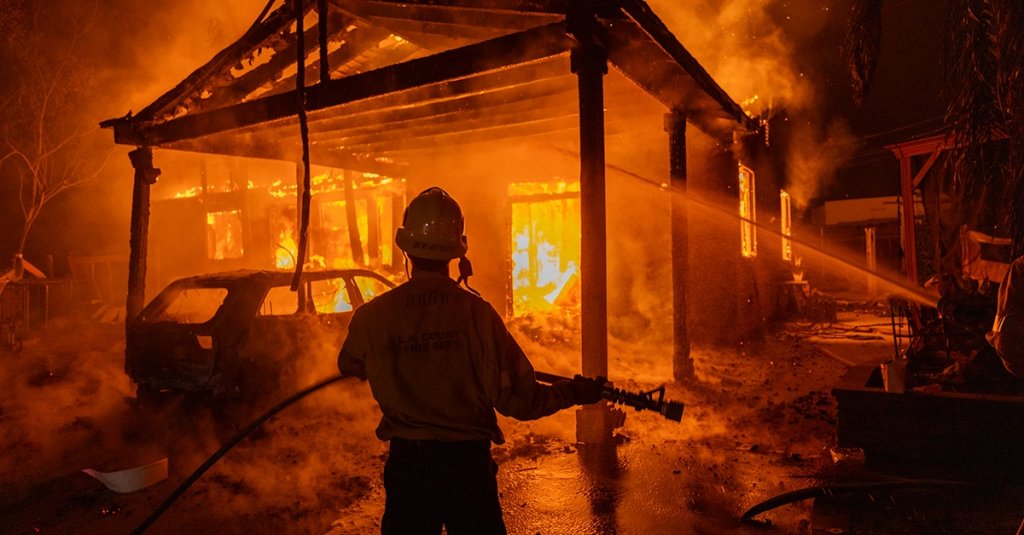
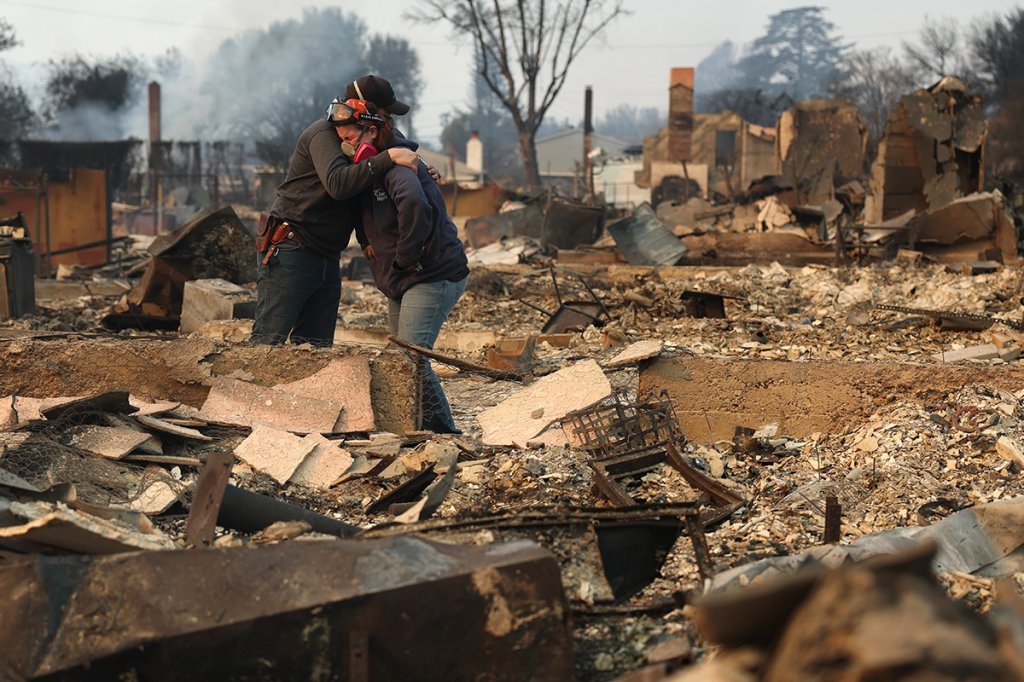
Every Southern California neighborhood takes on a certain kind of look after a wildfire. The mountains still sit there as if nothing happened, the sky eventually turns blue again, but entire blocks go quiet. The familiar silhouettes of roofs and trees are replaced by chimneys and walls standing alone, punctuation marks for the end of a tragic sentence.
That was the reality after a wildfire tore through Eaton Canyon in the San Gabriel Mountains in 2025, ripping into Altadena and nearby foothill communities. The fire started on Jan. 7, killing 19 people, destroying more than 9,400 homes and other structures, and burning roughly 14,000 acres before full containment later that month.
It was the fifth-deadliest and second-most-destructive wildfire in California history.
In the months after, the story shifted from flames to forms. There are inspections, debris removal, insurance calls, and the slow work of making a place livable again.
That’s where Graham Pulliam shows up.
Pulliam is a U.S. Marine Corps veteran of the elite 1st Reconnaissance Battalion with combat deployments to both Iraq and Afghanistan. Upon returning home, he founded Paul Davis Restoration of Pasadena, a full-service property restoration firm working heavily in Altadena, Pasadena, and surrounding neighborhoods. His name has popped up often in the Eaton Fire recovery orbit because his company has focused on a part of wildfire aftermath most people don’t think about until it becomes personal: making a house safe enough to step back inside and then rebuilding it.
Remediation Starts Before Rebuilding
For many Eaton Fire survivors, the first major hurdle was not framing or finish work, but remediation. Even when a structure didn’t fully burn, smoke, ash, and debris can infiltrate attics, wall cavities, HVAC systems, and every surface you forgot existed until someone tells you it might be contaminated.
Pulliam’s company has been involved in what are often called “structural cleans,” an intensive process to remove debris, soot, and ash and restore a home’s safety. The firm has completed more than 100 of those cleans in the wake of the Eaton Fire. His approach is end-to-end work that can run from cleaning and clearance testing to reconstruction, reflecting a basic reality of wildfire recovery. Homeowners don’t just need builders, they need translators.
Someone has to explain what the damage means, what can be saved, what must go, what the timeline looks like, and how to document all of it so the next person in the chain, often an insurer or a building department, does not kick the whole process back to the start.
A Marine Corps Background Built for Chaos
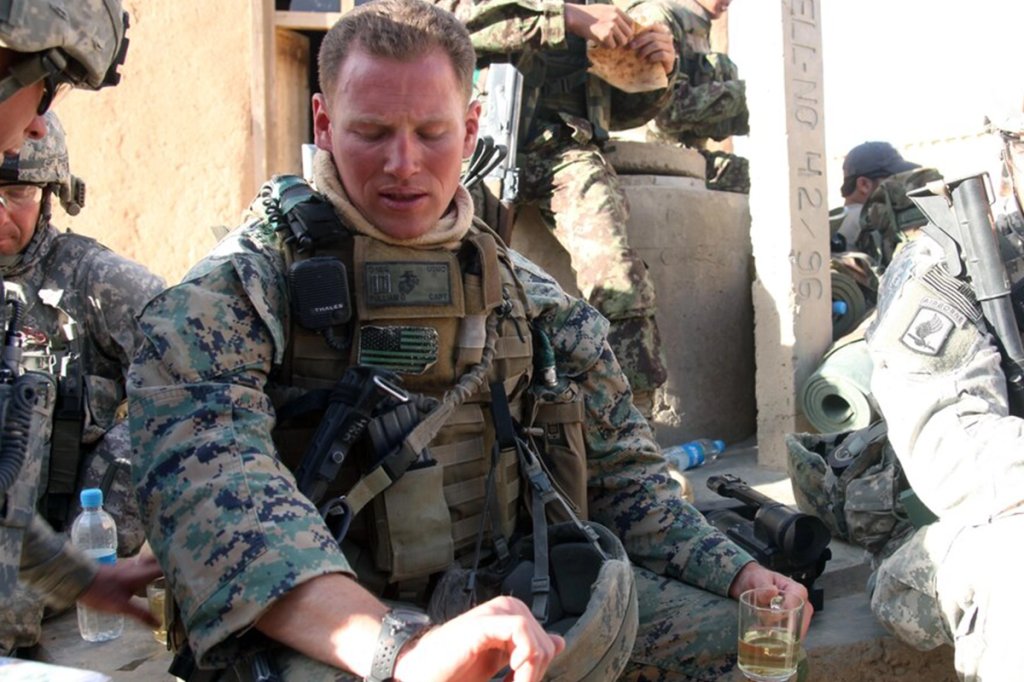
Pulliam’s biography reads like two careers that rhyme: military leadership, then construction leadership.
Before founding Paul Davis Pasadena, Pulliam served in the U.S. Marine Corps, including two deployments to Afghanistan between 2009 and 2012. As a company-grade officer, he worked alongside Afghan Army units and later led as a company commander with the 1st Reconnaissance Battalion.
If you’ve ever watched a fire recovery effort up close, you can see why that background helps. Wildfire rebuilding is logistics and people management dressed up as construction. It’s scheduling trades while a neighborhood is still under restrictions, coordinating testing and cleanup, and keeping families informed, even as timelines change because a permit office is backed up, a lab’s turnaround is longer than expected, or another inspection is added.
There’s no Hollywood heroics here. Just relentless follow-through.
Pasadena Roots, Altadena Urgency
Paul Davis Pasadena is a full-service design and construction firm specializing in complete home rebuilds, custom accessory dwelling units, and architectural design solutions, with a focus on Altadena, Pasadena, and nearby communities.
There is also a deeper, very Southern California layer to the company story: architecture runs in the family. Pulliam founded the company in part to carry forward the legacy of his father, James Pulliam, an award-winning modernist architect whose work helped shape parts of the region’s built environment. The elder Pulliam also happened to be a United States Marine.
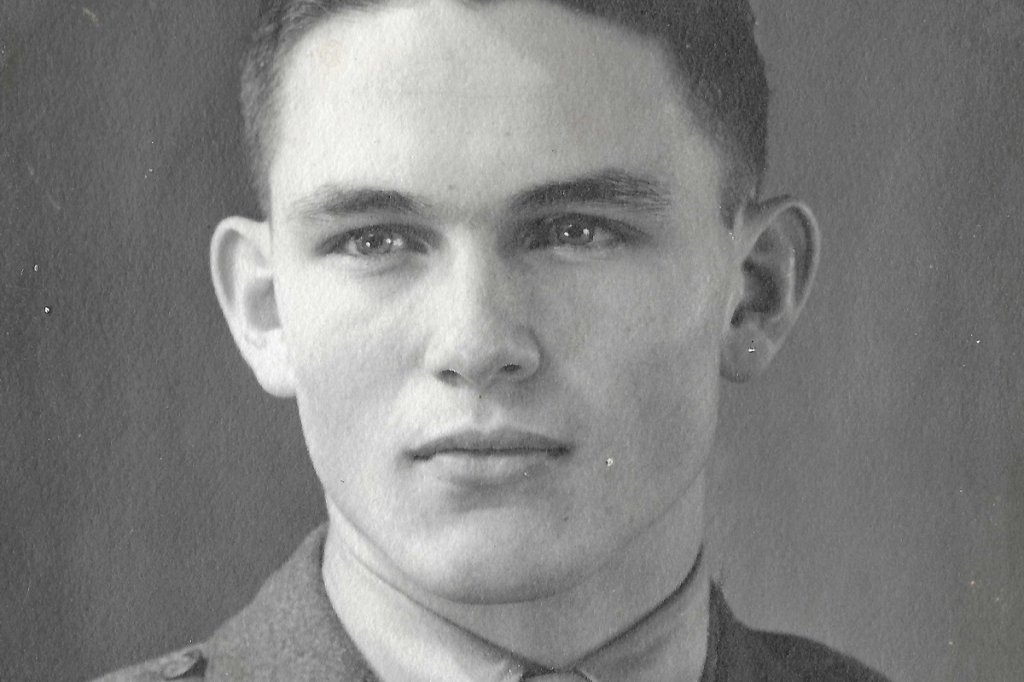
That legacy is a north star for craftsmanship and community-oriented building, which matters in places like Pasadena and Altadena, where historic character is not just an aesthetic, but a point of local identity. That identity is exactly what the Eaton Fire threatened to erase.
Toxins and Testing
Wildfire rebuild conversations usually start with design. In practice, they start with finding what actually might be salvageable.
Paul Davis Pasadena’s decision tree is laid out in plain terms: some homes may need specialized cleaning and clearance testing if the structure did not burn, while partial burns can mean months of gutting, blasting, encapsulating framing, and rebuilding to current codes. The company also emphasizes that many older homes in the area may contain asbestos in certain materials, which can quickly expand the scope.
There’s also one detail that surprises people until they live it: smoke and ash are not just grime. In wildfire zones, the concern can include toxic residue and, in older neighborhoods, lead intrusion. Lead contamination is common in testing in the area, and lead-certified cleaning protocols extend beyond a basic wipe-down.
This is the work Pulliam has been tied to most directly since the Eaton Fire: taking houses that survived the flames, but not the fallout, and turning them back into spaces where families can safely return.
Politics, Permits, and Patience
Even the best contractor can’t outbuild bureaucracy. A year after the Eaton Fire, rebuilding progress has been shaped by permitting delays and uneven momentum, with some homeowners waiting months after submitting applications. The permit itself can be the difference between an empty lot and a construction site.
Those delays carry deeper stakes in Altadena, a community with a long history as a foothill haven for Black homeowners and multigenerational families. Reporting on the post-fire landscape has raised concerns that slower rebuilding and fewer approved permits may worsen displacement pressures, especially for residents with fewer financial buffers.
At the same time, the fire’s origin and emergency response remain under scrutiny. The cause has long been under investigation, and there have been renewed questions about infrastructure, warnings, and whether residents in parts of West Altadena received evacuation alerts too late.
All of that swirls around the day-to-day reality Pulliam and other builders face. Families need answers, but they also need crews, schedules, and steps that actually move forward.
Pulliam describes mountains as silent masters. It fits the setting, sure, especially in the areas hardest hit by California wildfires. But it also fits the work. The mountains are still there, but the neighborhoods are the enduring question mark.
The Eaton Fire turned Altadena’s recovery into a test of endurance for homeowners, for local government, for insurers, and for the contractors doing the unglamorous middle work between disaster and normal life.
Pulliam and Paul Davis Pasadena sit right in that middle. The company’s post-fire focus, from structural cleaning and remediation through design and planning, is not about a single dramatic moment. It is about stacking small wins until a family can stop saying “temporary” and start calling it “home” again.
Don’t Miss the Best of We Are The Mighty
• This metal manufacturing jobs program wants to fill 122,000 openings
• This Air Force vet is out to prove hiring veterans makes a company thrive
• Together We Served connects vets with old friends and new ones