
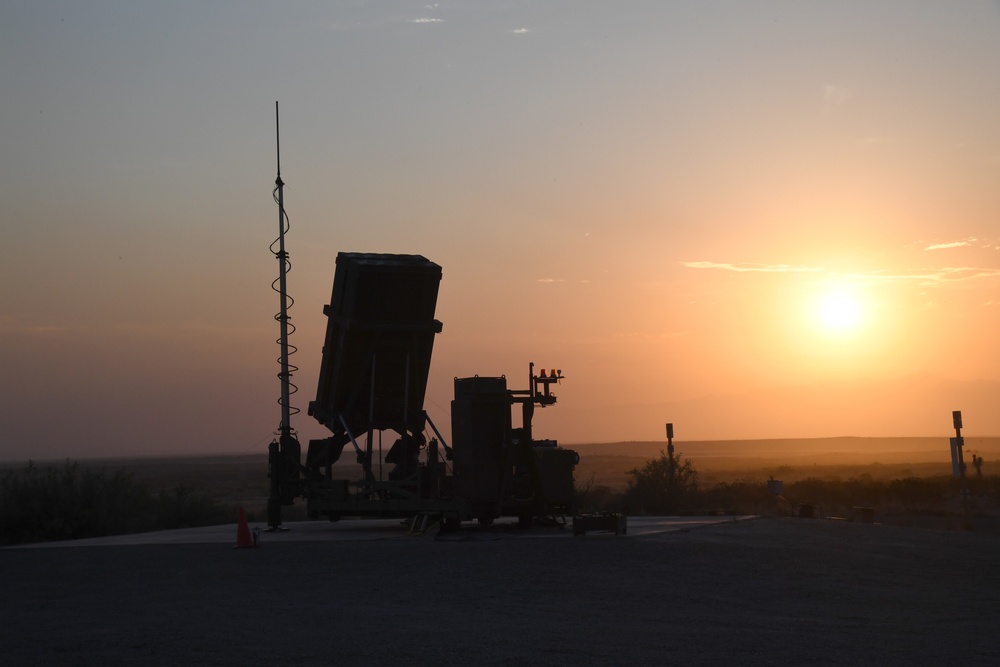
Israel’s Iron Dome missile defense system is key to the country’s air defense. Using advanced radar and high-speed precision missiles, Iron Dome can detect and intercept incoming munitions like rockets and artillery. Three days after the Hamas terror attacks on October 7, 2023, the United States announced that it would send military aid to Israel, including Iron Dome interceptors. On October 26, 2023, Pentagon Press Secretary Brig. Gen. Pat Ryder confirmed that the U.S. is sending two Iron Dome systems to Israel.
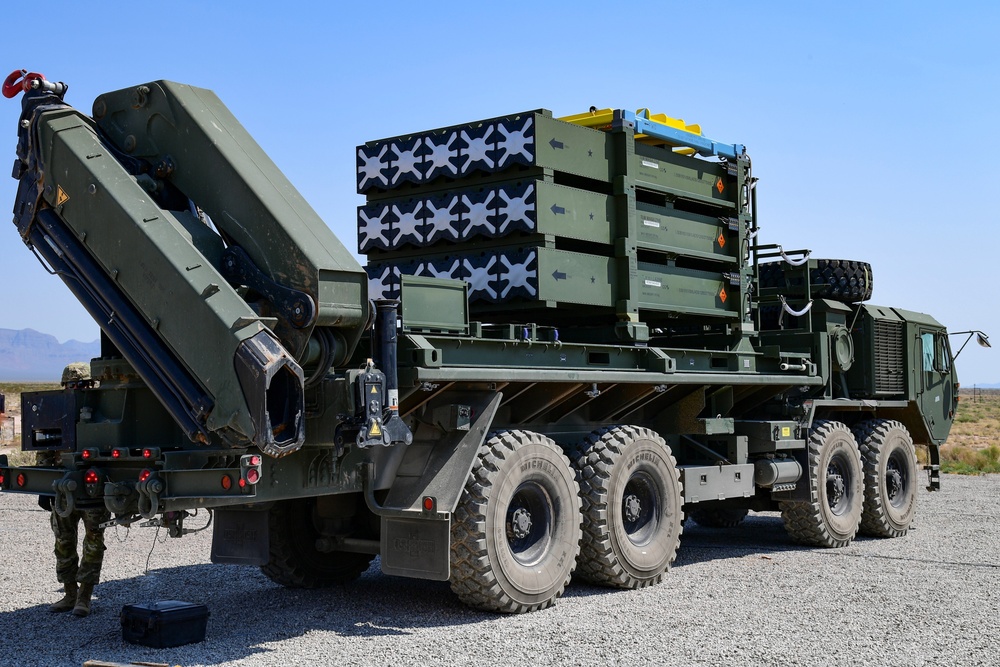
In 2019, the U.S. Army purchased two Iron Dome systems for $373 million as an interim air defense capability. The first battery was delivered in September 2020, and the second was delivered in January 2021. Iron Dome was deployed to Andersen Air Force Base, Guam, for testing later that year. On May 16, 2023, the U.S. confirmed that one battery is ready for deployment and that the other is wrapping up training, both at Joint Base Lewis-McChord, Washington.

The two U.S. Iron Dome systems headed to Israel are under an 11-month lease via foreign military sales. “It was the fastest way to do it, so that’s why we went with that,” Assistant Secretary of the Army for Acquisition, Logistics, and Technology Douglas Bush told reporters. He also noted that the lease involves a “small amount of money…with pay back to be determined,” and that it could be extended “depending on factors on the ground.”
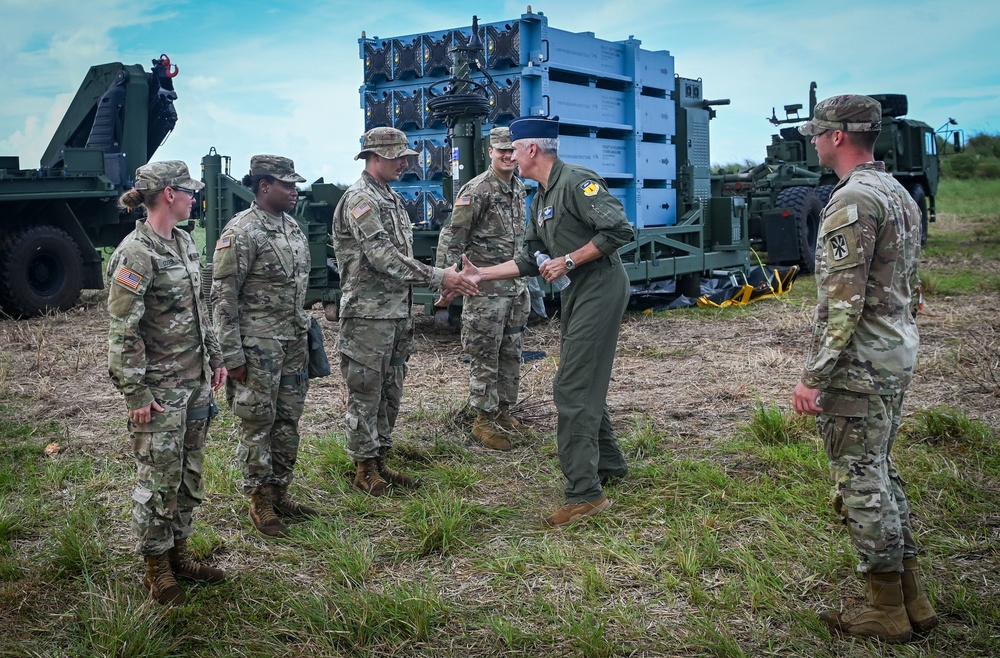
Sending the Iron Domes systems back to Israel does not leave a gap in the Army’s air defense capabilities. Following testing of the batteries, Army officials raised concerns over integrating the Israeli systems into the service’s overall air defense system. Instead, the Indirect Fire Protection Capability Increment 2 contract was awarded to Dynetics’ Enduring Shield and Raytheon’s ground-launched AIM-9X Sidewinder missile in 2021. However, the Marine Corps is still pursuing its Medium-Range Intercept Capability prototype which is based on Iron Dome.
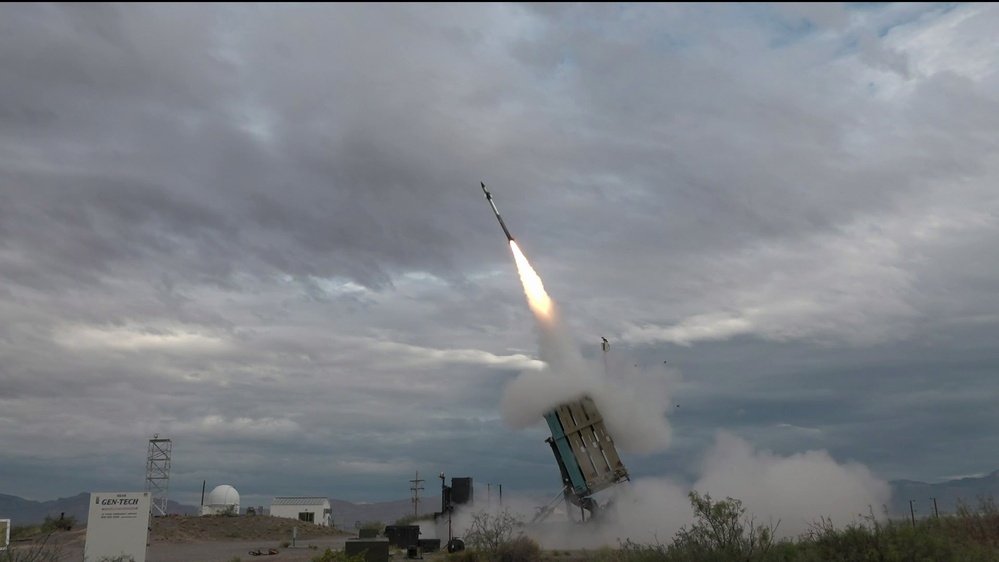
MRIC replaces the base of Iron Dome’s launcher and, instead, mounts it directly to the back of a trailer. It still uses Iron Dome’s battle management control system and integrates with other Marine systems. Following the outbreak of Israel’s war with Hamas, the road ahead for MRIC is undetermined as Iron Dome components become prioritized for domestic use.