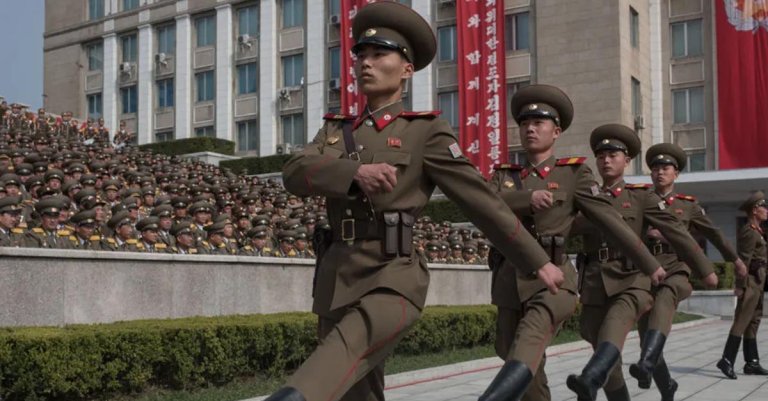
Pyongyang has identified a new threat to the integrity of its socialist utopia, one so insidious and corrupting that it must be purged from the populace with the full force of the state.
It’s not a new South Korean military exercise, a rebellious army, or even KPop Demon Hunters. The latest enemy of Kim Jong Un’s regime is far more dangerous: it’s the phrase “I love you.”
The Democratic People’s Republic of Korea has officially categorized the expression of romantic love as a direct import from North Korea’s enemies: South Korea, the United States, and elsewhere in the Western world. According to a report from Daily NK, sources inside the country claim that the government is launching a full-scale ideological crackdown on the phrase and other related, unsocialist, and probably anti-revolutionary behaviors.
Think of it as the Rules of Engagement for the heart, handed down directly from Marshal Kim Jong-Un himself.
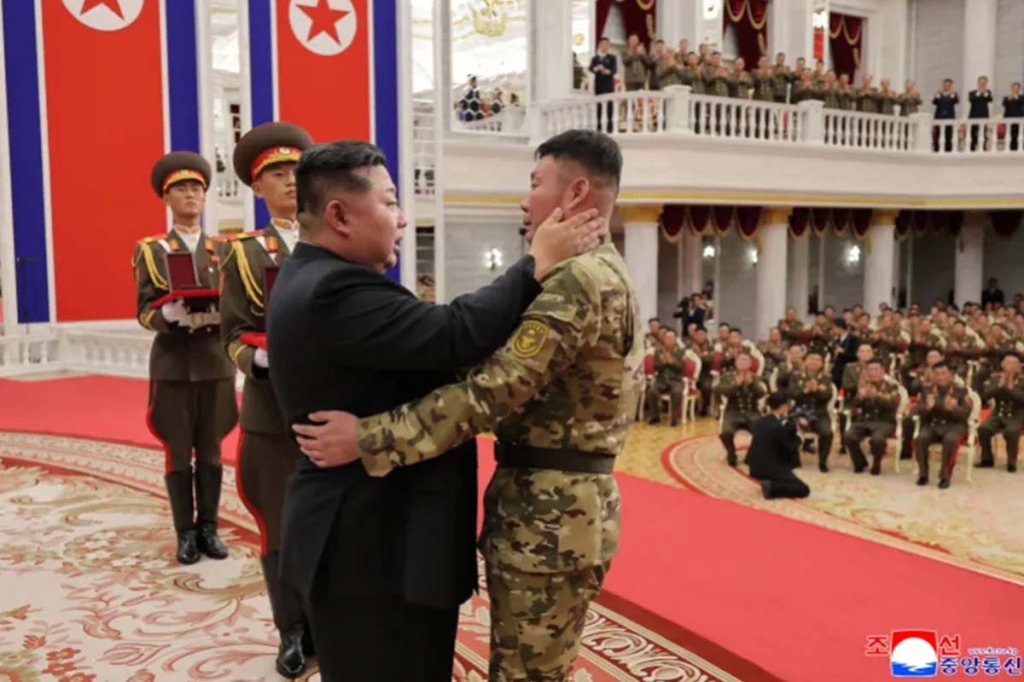
North Koreans regularly consume South Korean and other Western media (even North Koreans love K-pop nowadays), which are often obtained through USB drives smuggled into the country from places like China. It’s a challenging practice for the government to eradicate, as evidenced by the severe penalty it carries for those caught using Western media: a death sentence.
One of the methods the North Korean regime uses to combat the influence of foreign entertainment is conducting snap inspections of citizens and their electronic devices, such as mobile phones. That’s how the latest row over “I love you” began. During one of those inspections at a factory’s Socialist Patriotic Youth League in Hamhung, officials discovered a love letter containing the phrase, along with “The only thing I think of is you.”
The overwhelming response from the socialist overlords was immediate, and it wasn’t “I love you, too.”
The group called it evidence of “decadent lifestyle imbued with capitalist views of love,” then quickly organized an ideological struggle session, and the perpetrator was forced to publicly criticize himself in front of other members of his youth league (a common punishment for minor ideological crimes in the country).
“Lovers often say ‘I like you,’ but use ‘I love you’ less frequently,” Daily NK’s source inside North Korea explained. “All he did was write down feelings he couldn’t express out loud, but officials turned it into a major issue. Other league members watched the struggle session with disgust, like they were chewing rotten cucumbers.”
The North Korean regime has removed the concept of love in North Korea, says North Korean defector Yeonmi Park.
“I never heard my mother say that she loved me,” Park told former Australian Prime Minister John Anderson in a 2021 interview. “I never heard my parents telling each other that they loved each other. The only time we were allowed to use ‘love’ in our sentences or in written form was when we describe our feelings toward the kings.”

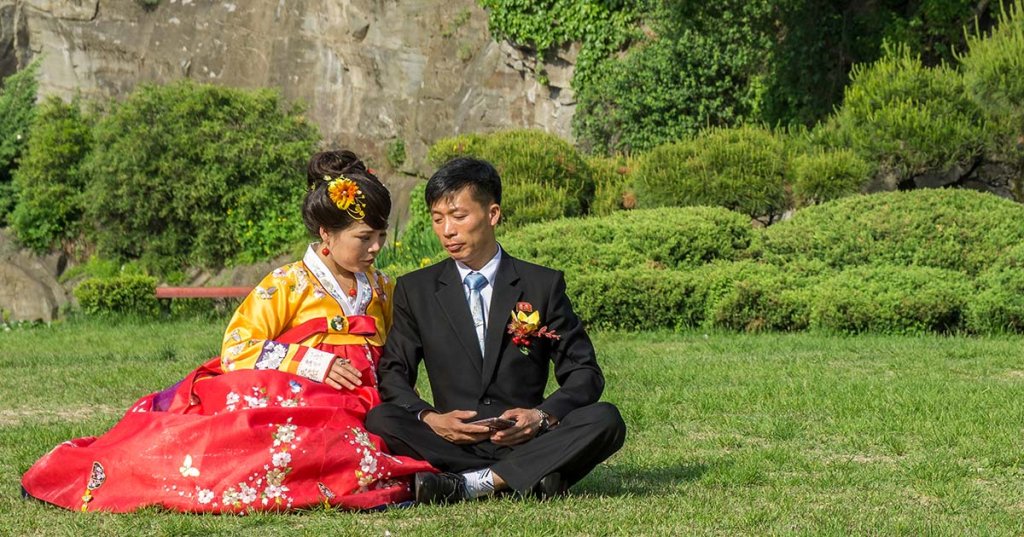
Love and dating in North Korea are still very much in line with its conservative culture, so making out at a party is unlikely, and even the traditional, 1950s-style heavy petting under the bleachers is doubtful. Dating is strictly controlled because romances can cause friction in workplace environments. But the social changes in the way young North Koreans date are influenced by media, usually Western media.
After all, watching government-produced romance stories where the only true love is love for the state has to get old after a while. But the loss of control over this aspect of everyday life is something the regime can’t abide. North Koreans are taught that love is a sacrificial feeling that occurs between two comrades in their ideological struggles, and is not a “physical desire.” So, you can forget about sexual education. Young North Koreans literally do not know where babies come from.
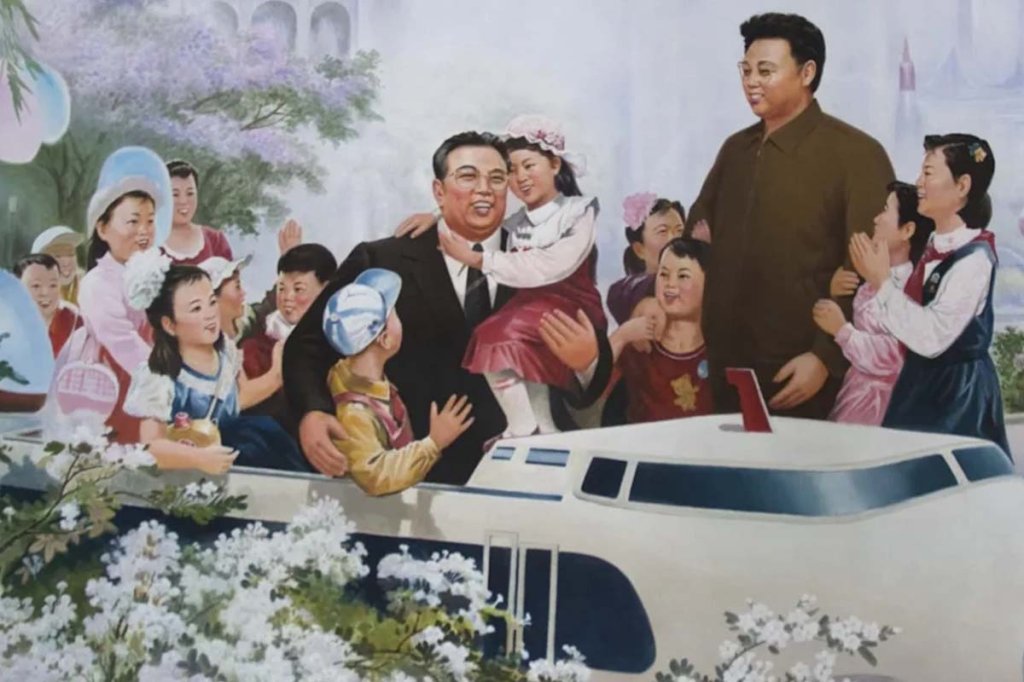
“They don’t have a word for ‘love’ in North Korea, because they don’t want us to have love for people other than the Dear Leader,” Park said. “There’s no proposal, there’s no word for romance. Romantic relationships are not celebrated; it’s a very shameful thing. The only reason you’d marry is because you want to glorify the revolution of the party and the Dear Leader.”