The Black Seminoles emerged as one of the most remarkable Afro-Indigenous communities in North American history. Their story is one of survival, adaptation, and unity forged during some of the most turbulent chapters of the eighteenth and nineteenth centuries. These men, women, and families were originally Africans who escaped from slavery in Georgia and the Carolinas and found refuge among the Seminole Indians of Florida. Over time, the shared experience of resisting oppression shaped a powerful cultural bond. Their unity was not simply a matter of coexistence. It became the foundation of a distinct cultural identity built on resistance, survival, and loyalty to one another.
Related: The Seminole Wars: Florida’s longest conflicts
Today, new educational efforts, including those led by the Black Operations Foundation, continue this legacy by elevating the histories of Afro Indigenous Americans and their contributions to the United States. Through veteran education and public programming, the foundation brings to light stories of resilience first embodied by the Black Seminole Scouts and carried on by generations of warriors who defended their communities and their freedom.
Early Roots of the Black Seminoles
Although the Black Seminoles formed as a distinct cultural group in the early 1700s, the broader backdrop of African Indigenous interaction dates back much earlier. Historians have explored theories about transatlantic African voyages during the era of the Mali Empire, including accounts that Emperor Abu Bakr II may have launched exploratory expeditions in 1329. While the historical evidence remains debated, the idea highlights the longstanding scholarly interest in understanding how African and Indigenous societies may have interacted long before European colonization reshaped the hemisphere.
By the early 18th century, Africans fleeing enslavement found Spanish Florida to be one of the few places where freedom was legally attainable. Spain offered sanctuary to fugitives who accepted Catholicism and pledged loyalty to the crown, creating early free Black settlements and militias. As these African refugees forged bonds with the Seminoles, new Afro-Indigenous communities took shape in villages such as Peliklakaha and along the Suwannee and St. Johns Rivers. This blending of cultures laid the groundwork for a resilient identity capable of surviving the coming decades of conflict.
Identity, Language, and the Power of Cohesion
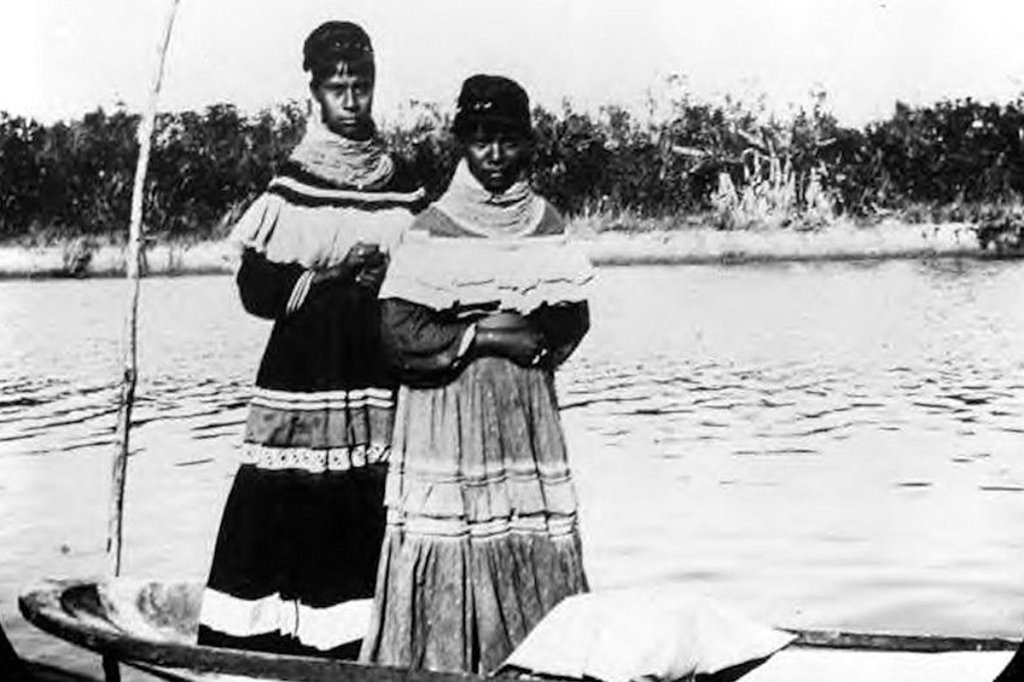
The cultural resilience of the Black Seminoles was central to their survival. They developed a unique cultural identity shaped by West African traditions, Gullah heritage, and Seminole customs. Their language, Afro-Seminole Creole, blended English, Spanish, and Mikasuki and served as a critical tool for maintaining cohesion across generations and regions.
Agricultural techniques adapted from both African foodways and Seminole practices allowed them to thrive in Florida’s wetland environment. Their spiritual beliefs integrated African cosmology with Indigenous traditions, creating a worldview centered on community protection, mutual responsibility, and survival through unity.
This cultural cohesion was more than a shared heritage. It directly translated into military effectiveness. Their strong social networks, communal child rearing, unified leadership, and shared identity created the discipline and trust needed to sustain prolonged resistance. In a world where outsiders attempted to divide and dismantle their society, their cultural unity became the most powerful weapon they possessed.
The Seminole Wars and the Fight for Freedom
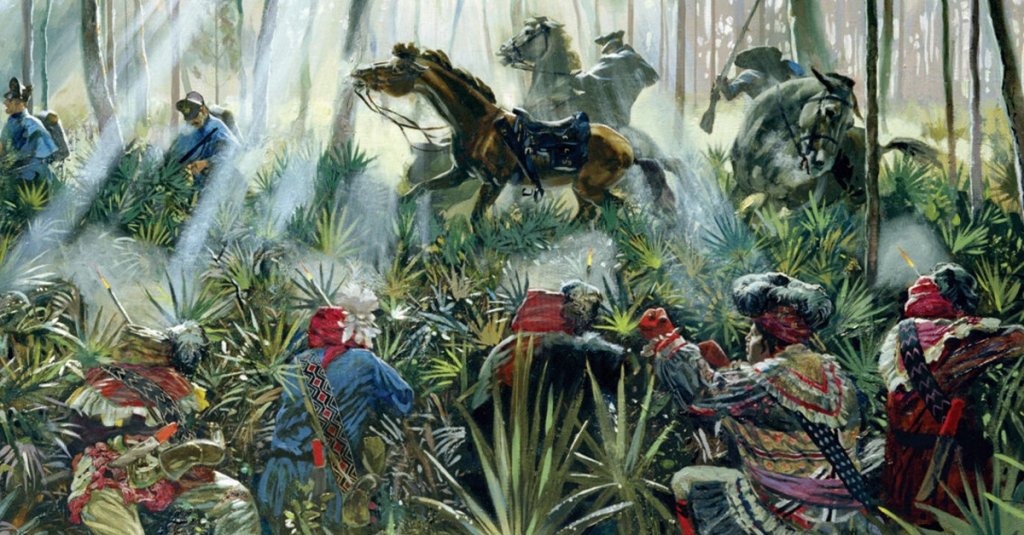
The Black Seminoles proved their strength most visibly during the Seminole Wars. The Second Seminole War, fought from 1835 to 1842, remains the longest and most expensive conflict of the Indian Wars era. Black Seminoles fought alongside their Seminole allies under leaders such as Osceola, Micanopy, and Wild Cat. Their intimate knowledge of the terrain and their disciplined approach to guerrilla warfare made them exceptionally effective. They orchestrated ambushes, disrupted supply lines, and guided fighters through the swamps where U.S. soldiers struggled to maintain order or momentum.
To American officials, the presence of the Black Seminoles represented an existential threat to the institution of slavery. Their military success challenged the idea that enslaved people were passive or powerless. Their autonomy and ability to defend it inspired enslaved people across the South and alarmed plantation owners in neighboring states.
Cultural cohesion once again played a central role in their military strength. The Black Seminoles fought not as individuals but as unified communities protecting their families, their leaders, and their way of life. This unity sustained them through years of warfare against one of the largest military forces the young United States had ever mustered.
Forced Migration: Florida to Texas and Ultimately to Mexico
After years of exhausting conflict, many Seminoles and Black Seminoles were forced to migrate west to Indian Territory. But for the Black Seminoles, removal brought an added layer of danger. Slave hunters, rival tribal factions, and discriminatory policies put their freedom at constant risk. Their cultural unity allowed them to remain organized even under threat.
Seeking safety, leaders such as Wild Cat and John Horse negotiated with Mexican officials in the 1850s for land and military alliance in northern Mexico. Hundreds of Black Seminoles were resettled in Coahuila, where they formed the community of Nacimiento de los Negros. Their disciplined, unified society enabled them to serve as border guardians against raiders, earning recognition for their loyalty and skill.
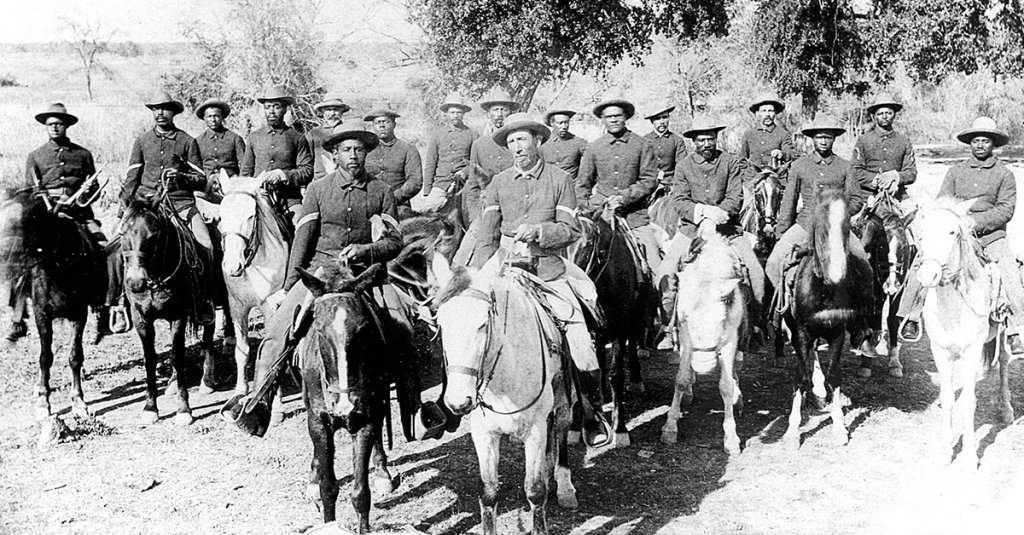
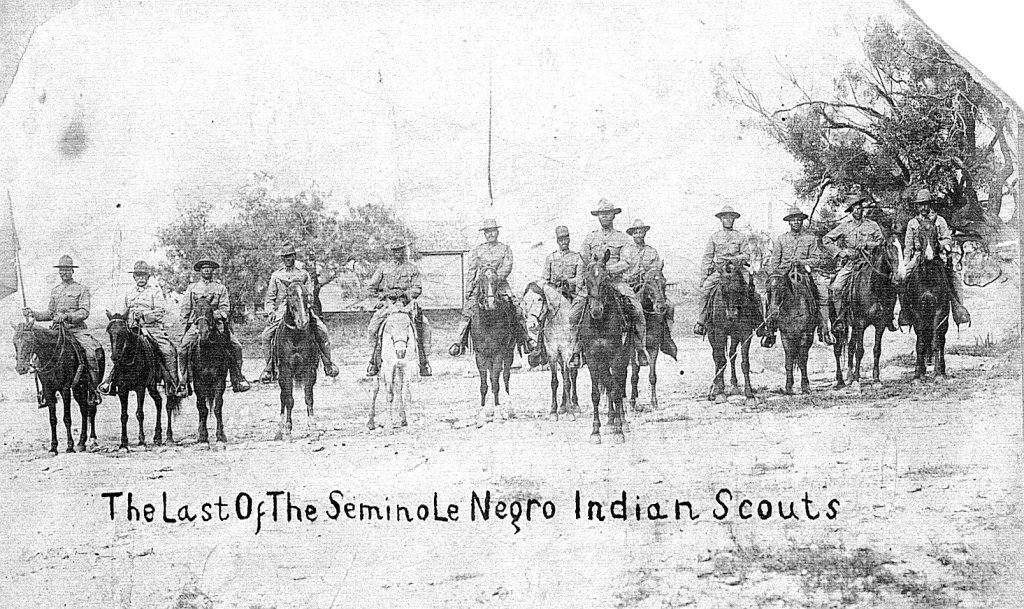
In 1870, some Black Seminoles returned to the United States to serve as scouts for the U.S. Army along the Texas frontier. Stationed at Fort Clark, the Black Seminole Scouts became legendary for their ability to track, navigate, and operate in hostile terrain. Their teamwork and cohesion made them some of the most effective scouts in military history. Despite their service, they faced segregation and were denied land rights, yet their cultural identity remained strong enough to preserve their community well into the twentieth century.
Legacy and Modern Connections
The legacy of the Black Seminoles lives on in their descendants and in the ongoing work to honor their contributions. Communities in Brackettville, Texas, and Nacimiento de los Negros continue to maintain their traditions and preserve the memories of their ancestors. Their story has become a powerful example of what unity, culture, and mutual responsibility can achieve.
The BLK OPS Foundation continues this legacy by empowering veterans and educating the public about overlooked chapters in American history. Inspired by the courage and discipline of the Black Seminole Scouts, the foundation helps modern veterans channel their experiences into new forms of service. Their mission mirrors the legacy of the Black Seminoles who used unity, knowledge, and skill to protect their people and build stronger communities. The foundation’s work ensures that these histories inform leadership, resilience, and national service today.
A Living History of Freedom, Survival, and Strength Through Unity
The history of the Black Seminoles is a testament to what communities can achieve through cultural cohesion, shared identity, and collective purpose. Their journey from Florida’s swamps to the plains of Texas and the hills of northern Mexico demonstrates an unbroken commitment to freedom and autonomy. Their military effectiveness was not accidental. It was the result of a culture built on trust, shared responsibility, and the belief that survival required unwavering unity.
Organizations like the BLK OPS Foundation ensure this history is preserved and the lessons it teaches are passed down to future generations. The story of the Black Seminoles is not only a chapter of the past. It remains a living reminder that identity, culture, and community are powerful forces capable of shaping history and guiding a people through even the greatest struggles.
Don’t Miss the Best of We Are The Mighty
• ‘Operation Underworld’ was a secret wartime pact no one saw coming
• How the Seminoles became America’s ‘unconquered people’
• The original Green Berets: tracing the roots of US Special Forces

Sponsored Content