In 1876, Americans were introduced to the typewriter and sewing machine, tasted ketchup for the first time, and saw firsthand what a 1,400-horsepower steam engine could do.
All of that occurred at a collection of displays with the long-winded title of “the 1876 International Exhibition of Arts, Manufactures, and Products of Soil and Mine.” Most remember it by a more familiar name: the World’s Fair.
Related: Remembering 250 years of Marine Corps Commandants
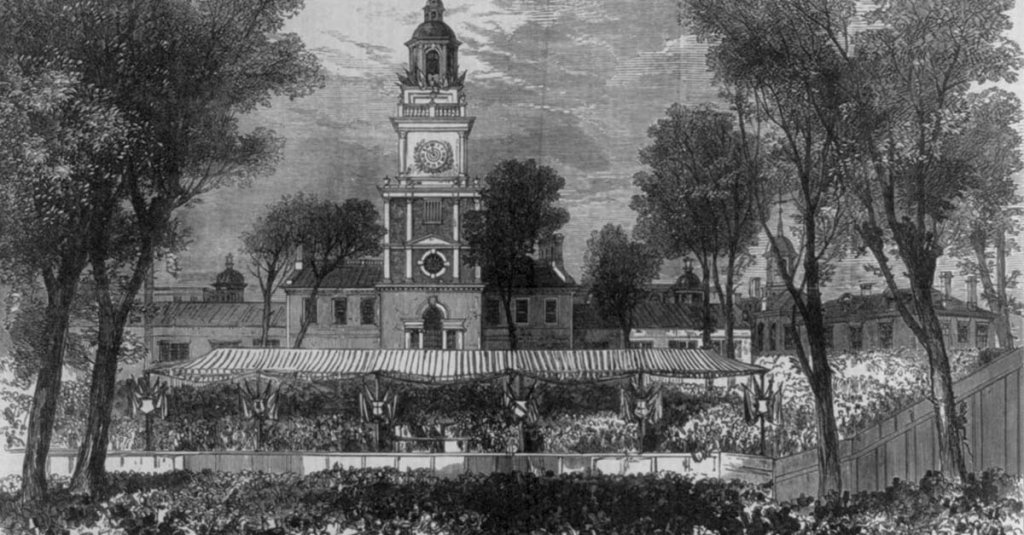
This was not just any World’s Fair. The United States had never hosted the international event on a large scale and was celebrating the country’s centennial. A hundred years after the founders signed the Declaration of Independence, the Centennial Exhibition opened on May 10, 1876, in Philadelphia and lasted six months.
By the time the fair closed on November 10, its showcase of American ingenuity transfixed visitors.
“The American invents as the Greek sculpted and the Italian painted: It is genius,” The Times of London gushed.
The Fair Helped a Nation Heal
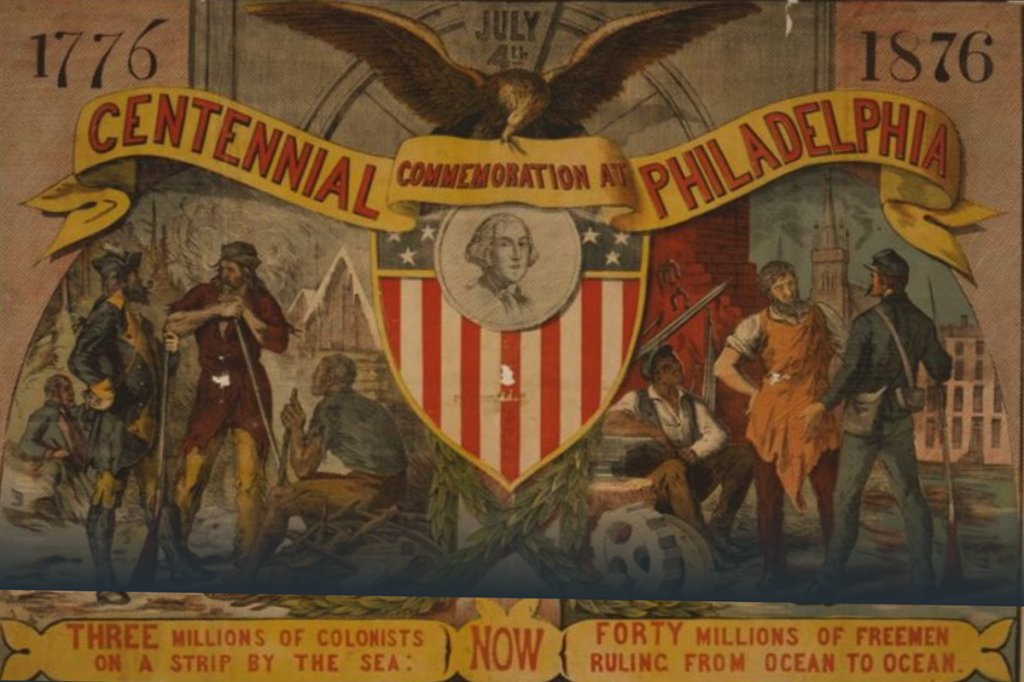
The Centennial Exhibition arrived at a perfect time for the U.S.
It was not only a milestone birthday celebration, but also helped the country further heal from the Civil War. Eleven years after Confederate Gen. Robert E. Lee surrendered at Appomattox Court House in Virginia, federal soldiers were still occupying southern states during Reconstruction. And as the World’s Fair churned along at Fairmount Park, the Army was also embroiled in the Great Sioux War of 1876.
Despite those obligations, the U.S. military constructed sprawling exhibits over the fair’s grounds. The Army put forth a replica of a 24-bed military hospital and spotlighted advances in health and medicine that begin in the military. The Navy’s presence included ship steam engines, astronomical equipment, and vessels on the Schuylkill River.
Overall, those exhibits achieved their desired effect.
“[They] were an opportunity to show an old-fashioned patriotism… in bringing together our brothers who were our most terrible enemies a few years old,” said expo president Joseph R. Hawley, a Union brevet major general during the Civil War.
Regardless of whether you lived in the North or South, the World’s Fair provided a collective source of national pride.
Bell Puts New Invention on Display
Machinery Hall was the focal point of the Centennial Exhibition.
Built over a sprawling 13 acres of floor space, it featured examples of America’s burgeoning industrial might, best exemplified by the Corliss steam engine. Standing 40 feet tall and weighing 600 tons, the engine was an impressive structure. Befitting its status, U.S. President Ulysses S. Grant and Brazilian Emperor Dom Pedro II helped start the giant machine, officially opening the fair and powering every building at the exhibition.
What was inside Machinery Hall was nothing short of transformative. Besides the typewriter and sewing machine, shoemaking, cotton, screw-cutting, and woodworking machines were on display.
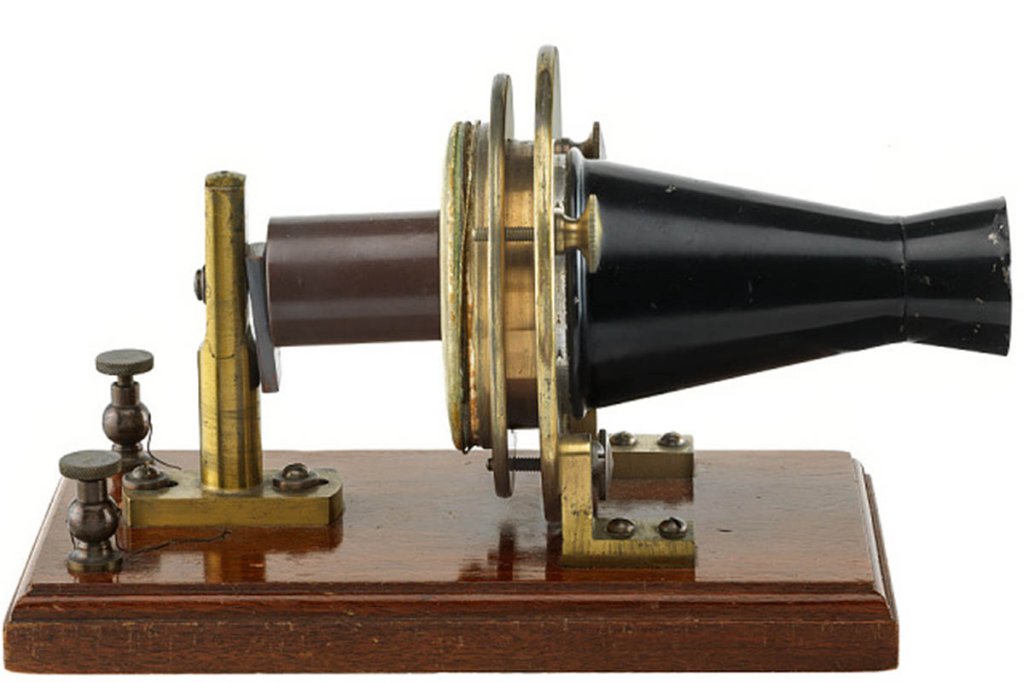
Thomas Edison showcased his automatic telegraph machine as well, but nothing changed communications more than Alexander Graham Bell’s telephone. Three months after Bell received a patent for his device, he held the first large public demonstration of how it worked at the World’s Fair.
It did not disappoint. After Bell went into another room and sang into the telephone, he posed a question into the receiver: “Do you understand what I say?” Listening in, Dom Pedro II enthusiastically replied: “I have heard! I have heard!”
Parts of the Statue of Liberty Make an Appearance
For a while, the Centennial Exhibition was the talk of the town.
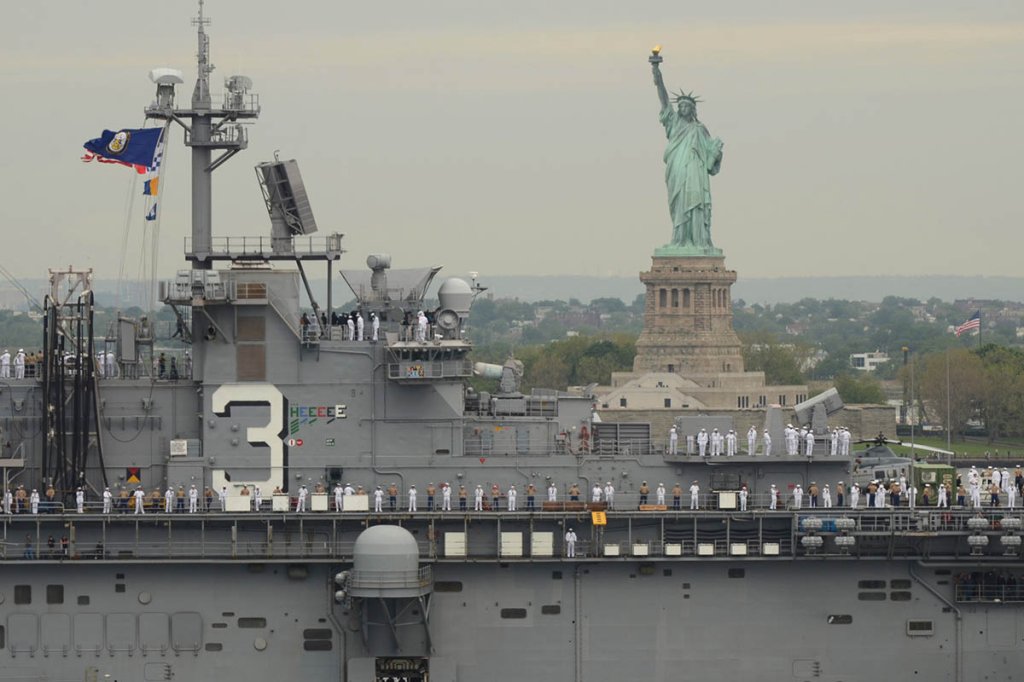
It allowed Americans to enjoy its first sip of root beer and popularized popcorn. They saw the hand and torch of what became the Statue of Liberty. (It would be another decade before President Grover Cleveland dedicated France’s gift to the United States, and it assumed its permanent place on Liberty Island in New York Harbor.)
The centennial expo was also the first World’s Fair to include a Women’s Pavilion, thanks largely to the efforts of Benjamin Franklin’s great-granddaughter, Elizabeth Duane Gillespie.
As America prepares to mark its 250th birthday on July 4, 2026, the country is unrecognizable from what it was 150 years ago. While the U.S. population is about 342 million today, it was approximately 44 million in 1876, a nearly 800% increase.
Way back when, an estimated 10 million visitors plopped down 50 cents each to see a preview of where the United States was headed. The 1876 Centennial Exhibition showed them that America had a bright future, one that would be constantly evolving.
And still is.