By 1890, the American Frontier was closed. There was no longer a line of settlers marking the westward expansion of the United States. Destiny had been manifested, and the number of Native Americans had dwindled to just 225,000. It would also see the last major event of the Indian Wars: the Massacre at Wounded Knee.
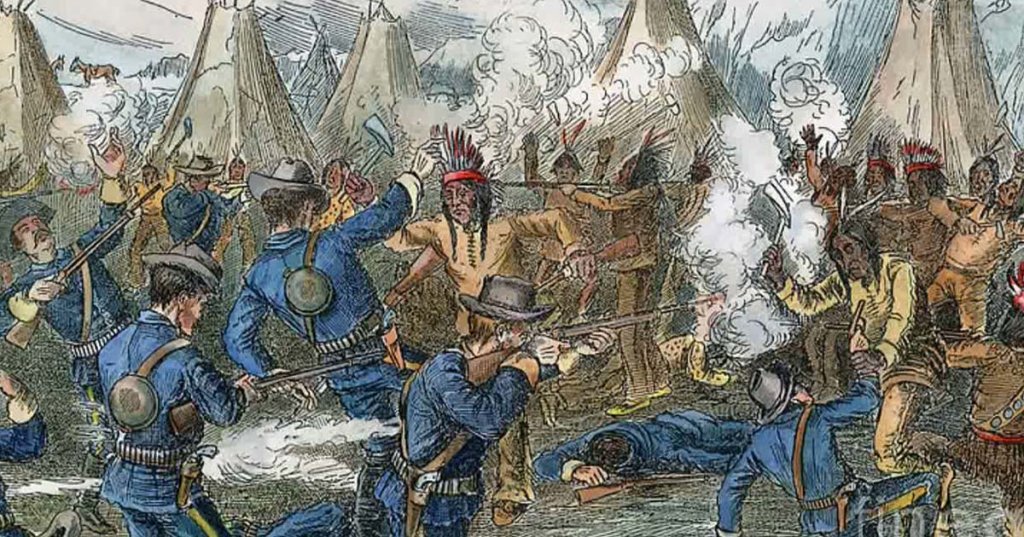
On December 29, 1890, near Wounded Knee Creek on the Lakota Pine Ridge Reservation, the U.S. 7th Cavalry attempted to disarm a band of Miniconjou Lakota led by Spotted Elk. A shot—no one knows who fired the shot—sparked chaos; soldiers fired rifles and Hotchkiss rapid-fire guns into the Native encampment. An estimated 250–300 Lakota were killed, mostly women and children. Roughly 25 American soldiers died, some from friendly fire.
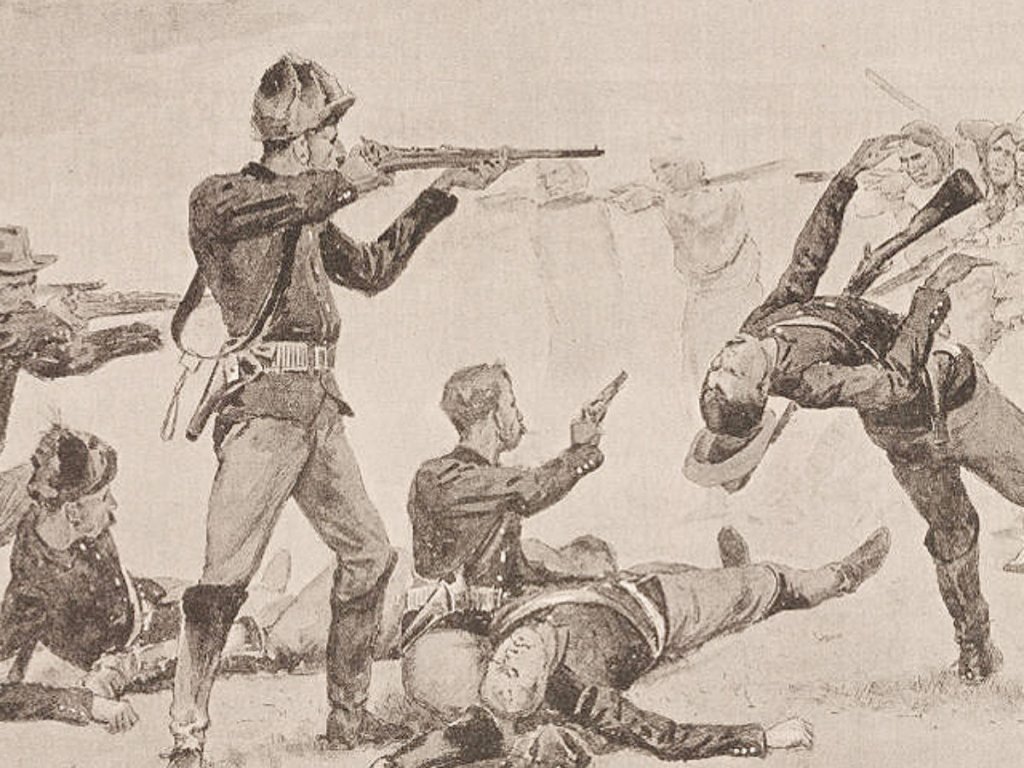
The following year, the Army awarded 20 Medals of Honor to soldiers who were at Wounded Knee. This included Sgt. William G. Austin, whose Medal of Honor citation reads: “While the Indians were concealed in a ravine, assisted men on the skirmish line, directing their fire, etc., and using every effort to dislodge the enemy.”
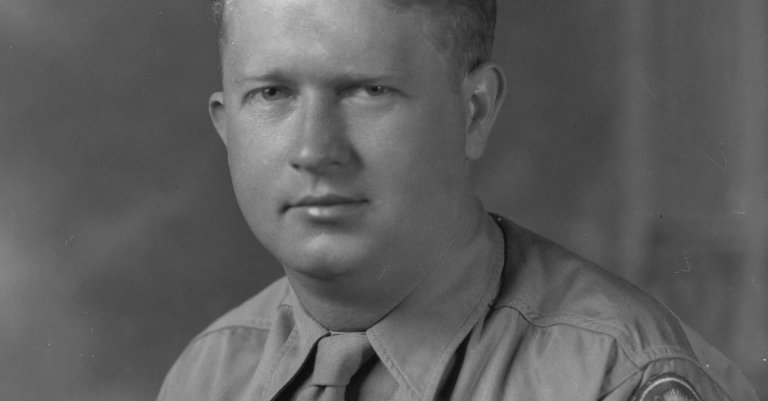
In reality, the “enemy” was a frightened group of women and children hiding in the ravine, hoping to survive the slaughter—and Austin systematically executed them. So goes the stories of the other Medals issued for that day. That’s why former Secretary of Defense Lloyd Austin ordered a review of the medals.
None have yet been revoked, but on Sept. 25, 2025, former Fox and Friends weekend anchor Pete Hegseth announced on X that the soldiers “will keep their medals… their place in history is settled.”
Their place in history is, as mentioned, the last major event of the Indian Wars. In the years leading up to the confrontation, the U.S. Army had corralled the once-nomadic Sioux tribes (and all the others that somehow survived) onto several hundred small reservations. In an effort to curb the Native population, the United States government even went so far as to try to hunt the American Bison, the chief source of food for many tribes, to extinction.
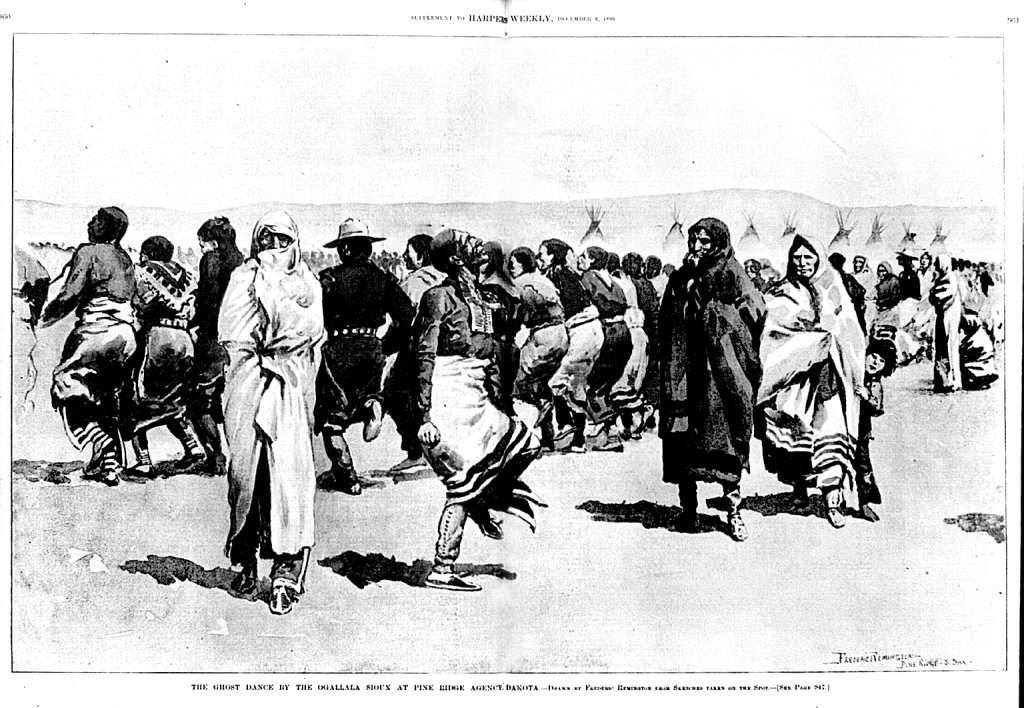
The Army wanted the Lakota to abandon their traditional, nomadic way of life and adopt farming, despite the fact that the land they occupied was not suitable for growing enough food. By 1890, they had suffered successive poor harvests, and the aid the United States was supposed to supply (by treaty) wasn’t forthcoming. The lack of food and the encroachment of white settlers not only led to frustration and unrest but also sparked a sort of new religion, the Ghost Dance.
Ghost Dancers believed that the ghosts of their ancestors would return to the Earth, make the whites disappear, and lead them to better hunting grounds, where the buffalo herds would be abundant once again. They could be called upon by performing a slow, relatively quiet dance, the Ghost Dance. As the Ghost Dance spread, it began to alarm locals and Indian Agents, who feared it would lead to a mass uprising.
American authorities decided to arrest prominent chieftains in an effort to quell the dance craze. Among them was Sitting Bull, who was not a Ghost Dancer himself but supported the movement. Some 40 armed policemen swatted his home, and when he refused to comply, a scuffle broke out. Two of the officers shot and killed the famous chief. Fearing further violence, Sitting Bull’s band of Lakota fled and linked up with a group of Miniconjou in a neighboring reservation.
The Miniconjou would eventually seek safety at the Pine Ridge Agency, but were intercepted by the U.S. 7th Cavalry near Porcupine Butte and escorted to a campsite by Wounded Knee Creek, South Dakota. That night, more cavalry arrived under Col. James W. Forsyth and by morning, roughly 500 troopers surrounded about 350 Lakota—most of them women and children. Four Hotchkiss rapid-fire guns were set up on a nearby rise dominating the camp.
At dawn on December 29, soldiers began a forced disarmament. Tension spiked when a deaf Lakota man commonly identified as Black Coyote resisted giving up his rifle; a struggle and a shot triggered a general eruption of fire. Troopers fired into the clustered tipis and fleeing families. The Hotchkiss guns swept the ravine and camp. In the chaos, some soldiers were hit by friendly fire while others were killed in close-quarters fighting.
In the immediate aftermath, Army reports framed the event as a “battle,” and 20 Medals of Honor were awarded to 7th Cavalry soldiers—decorations long condemned by Lakota descendants, veterans, and historians as honoring a massacre.
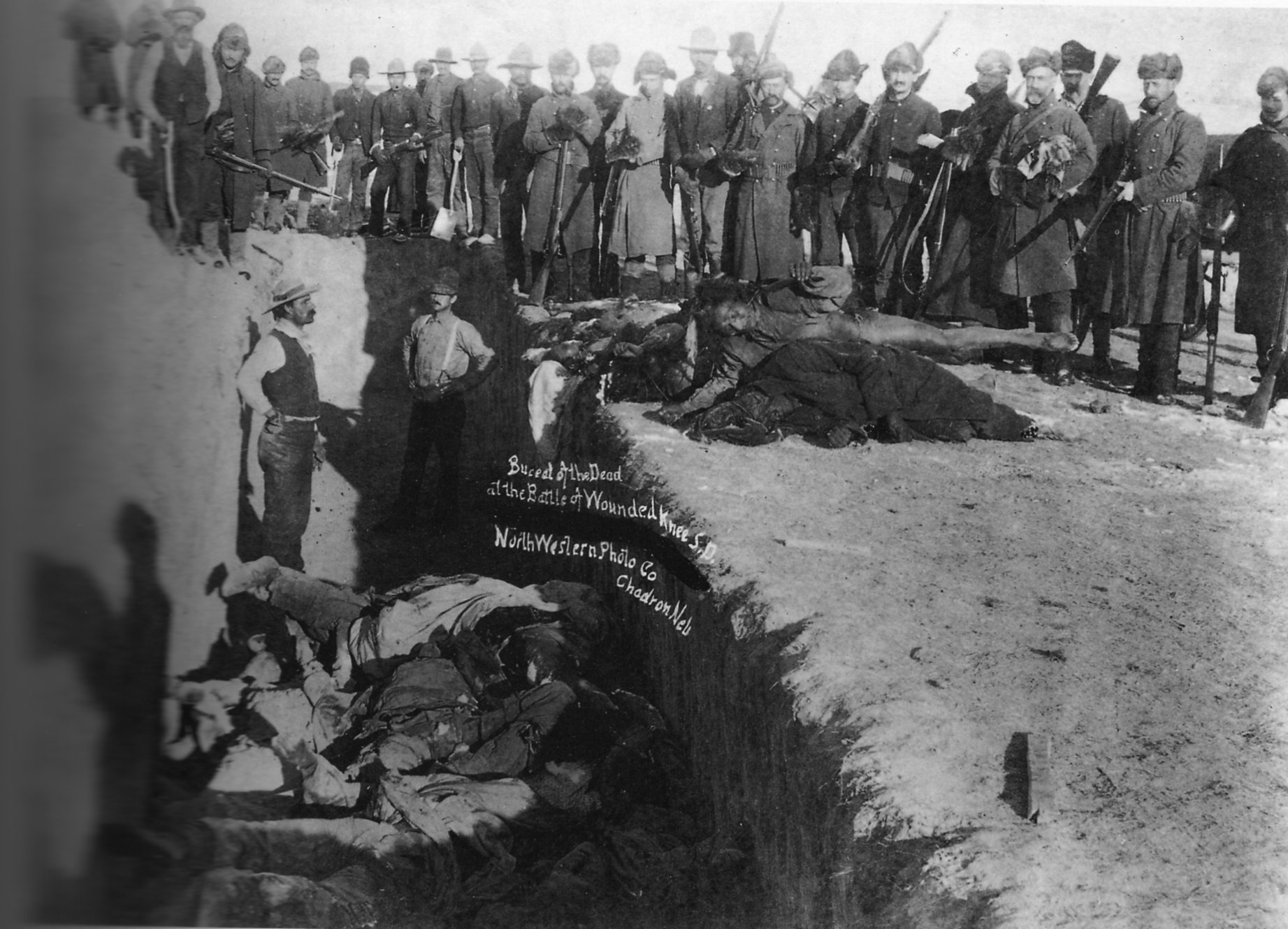
Defense Secretary Lloyd Austin’s review was never completed; however, the Pentagon routinely reviews awards, typically for upgrades, and has rescinded Medals of Honor in the past, including hundreds in a 1916 purge. The Medals of Honor awarded for the Massacre at Wounded Knee remain a contentious issue, one that will apparently remain for the foreseeable future.