Whether it’s an economic disaster, the actual Apocalypse, or a second civil war, everyone is looking for ways to save money, stretch their food supply, or just prepare for whatever might be coming down the road. Whether you’re an actual prepper or just feeling the pinch of inflation, you might be buying cheaper foods, but that doesn’t mean you need to eat like a hobo.
Americans preparing for a second civil war can actually learn a lot from the guys who fought in the first Civil War. Stocking up on foods that keep well while learning the myriad ways to use those foods can go a long way toward staying alive and healthy, while saving a few bucks and avoiding the cycle of eating the same canned foods every day. Stocking up on some staples and learning some basic recipes could lead to a post-apocalyptic career as a cook, or at least ensure you don’t go hungry.
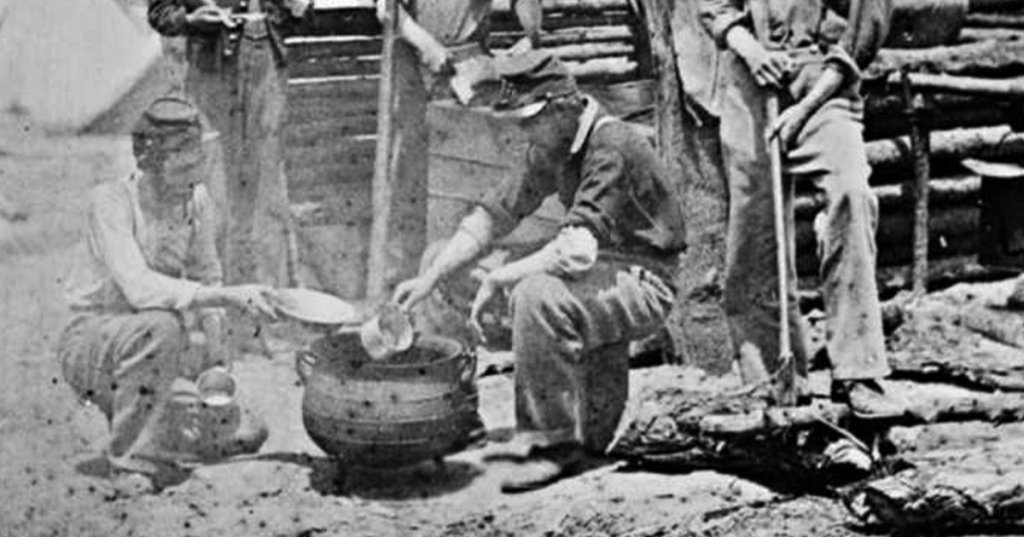
The daily Union Army ration consisted of 12 ounces of salt pork or bacon, or 20 ounces of beef. Federal troops also received 22 ounces of soft bread or flour, a pound of hardtack, or 20 ounces of cornmeal. For every 100 rations, they also received 15 pounds of beans or peas, 10 pounds of rice or hominy, potatoes, coffee, sugar, vinegar, salt, pepper, and molasses. The vegetables were often substituted with dessicated (dried and compressed) vegetables, which were reportedly vile. Many units even got to use a relatively new creation: canned, evaporated milk.
This ration is more than enough for any modern cook to work with, if we just learn how to use it. Here are a few Civil War foods we could all know how to use and a few dishes to make with them.
Hardtack “Mock Apple” Cobbler
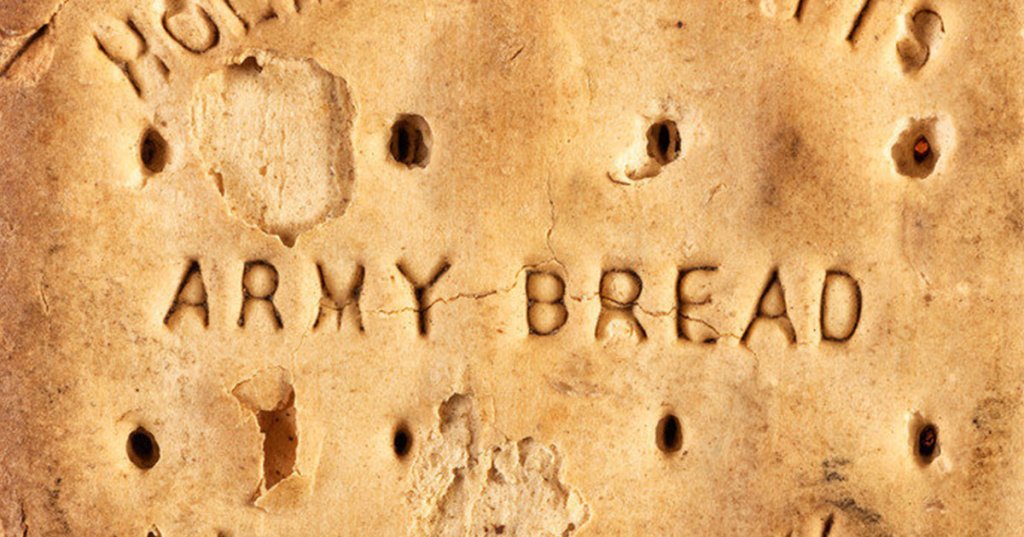
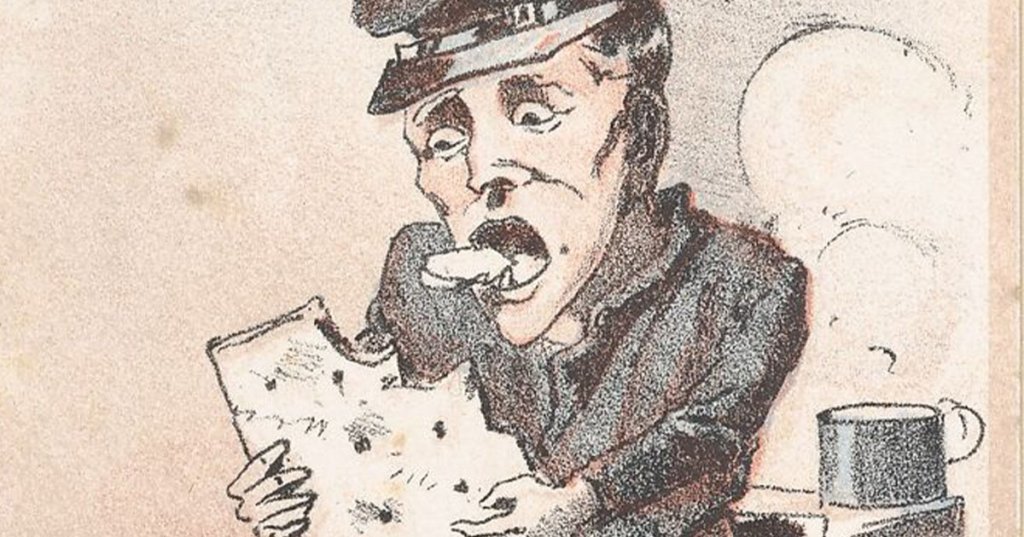
Hard tack is a cracker-like bread substance that was cooked so long, it became as hard as iron (according to some troops, anyway). It was so hard to eat, soldiers used to either soak it in coffee or break it with the butt of their rifles so they could throw it into a soup.
But just because your great-great-great-grandad didn’t have the culinary skills we’ve developed since the Civil War, doesn’t mean we’re locked into using hard tack the same way.
This recipe borrows from the now-famous Great Depression-era “Mock Apple” black magic, which somehow makes crackers taste like a dessert fruit.
Soak hardtack pieces in strong, sweetened coffee (or water with sugar and vinegar) until soft. Layer in a dish with cinnamon (if available – it’s a historically plausible spice) and dots of precious sugar. Top with a simple crumb topping made from more crushed hardtack, sugar, and fat rendered from the beef or pork. Bake until brown.
Boston Baked Beans
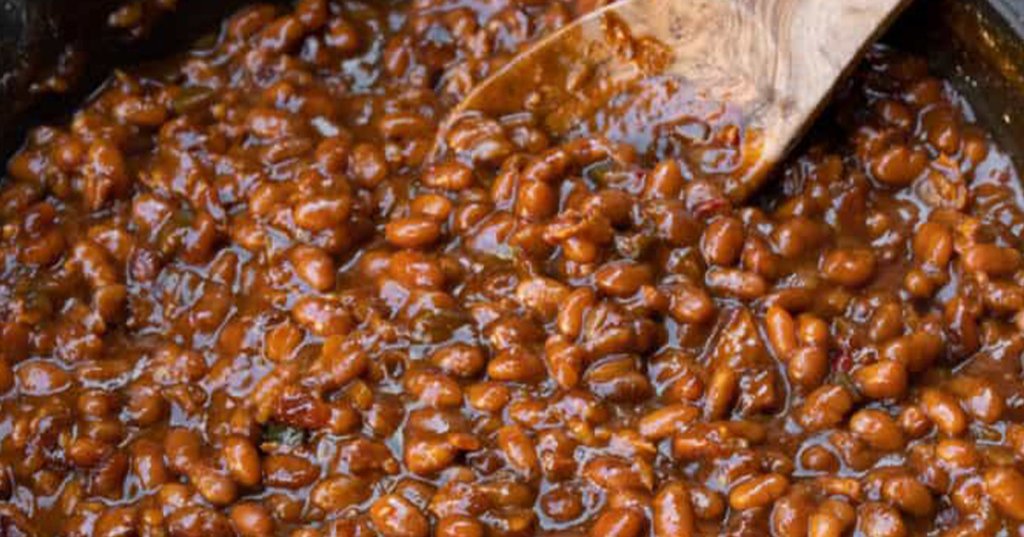
When using the Union Army’s salt pork, it’s essential to desalinate the pork before cooking with it. This means soaking it in cold water for 12 to 24 hours, changing the water every two hours. This works out because you also need to soak the beans.
You will need 3/4 pound of salt pork, a pound of beans, 1/3 cup of molasses, 2 pieces of hardtack, and vinegar. If you can forage some mustard and onion in the post-apocalyptic world, that would be great too.
Simmer the beans for 45 minutes, then layer them in a pan. Separately, simmer the molasses, 2 cups of the water from your boiled beans, 2 tablespoons of sugar, and a tablespoon of vinegar for 3 minutes. If you scrounged up the mustard, add a tablespoon of that.
Add this sauce to the bean pan, then add some onion (if available), crushed hardtack crumbs, and pork cubes throughout. Bake low and slow (300 degrees for 5-7 hours, checking frequently), uncovered for the last hour.
Pork Confit
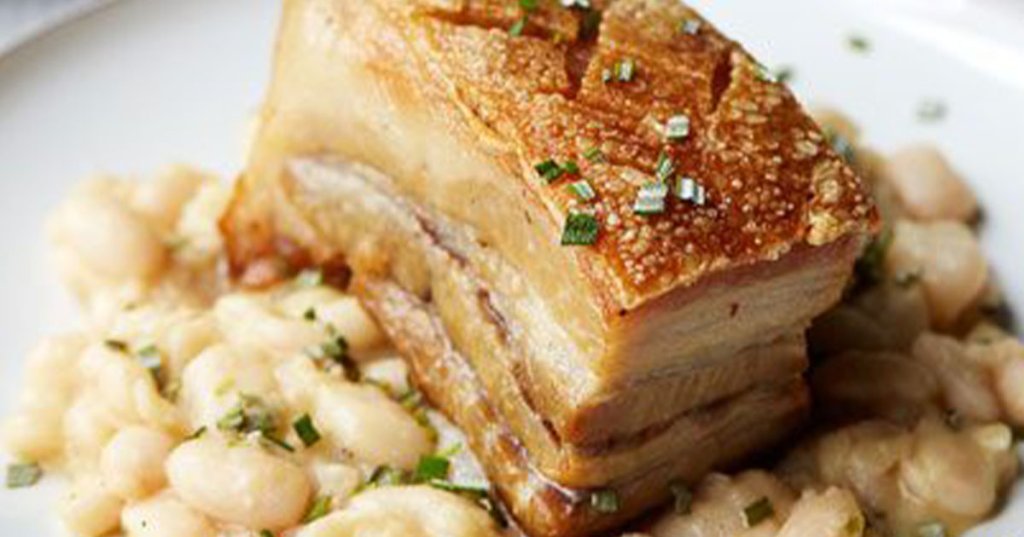
After desalinating the salt pork, render the fat slowly in a pot. Submerge the pork pieces in their own rendered fat. Cook on very low heat (or in a low oven around 200°F) for 2-3 hours until tender. They pair well on some simple mashed beans or can be fried for a crispy bacon-like texture. For added flavor, you can use ground coffee as a dry rub before rendering.
Lobscouse
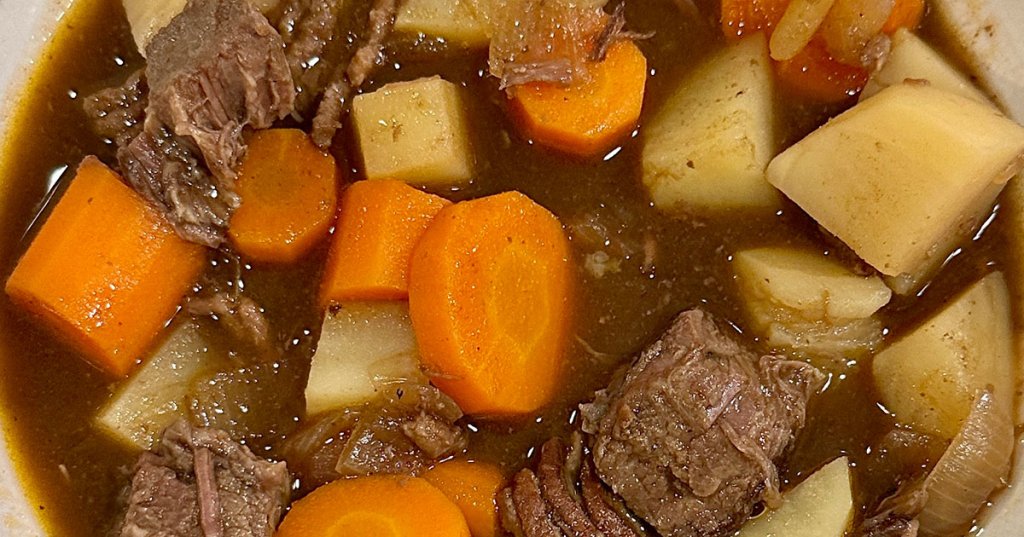
Lobscouse is also known as “sailor’s stew,” because it’s an easy-to-make, one-pot soup that uses common military rations from the same era. After desalinating a pound of pork or beef and soaking a cup of beans, boil the meat for an hour or so, skimming the foam as it boils. Add the beans and a tablespoon of vinegar. If you can scrounge up an onion, add a chopped onion. Simmer for an hour, add pepper and two crushed pieces of hardtack.
Hardtack Biscuits and Gravy
For those who refuse to believe in the “mock apple” possibilities (and believe me, reluctance is understandable), there’s more we can do with the iron cracker. Soak hard tack until soft, drain, and roughly crumble/mash. Make a simple pan gravy from rendered salt pork fat, flour (if available), water, and black pepper. Pour gravy over the softened hardtack mash. This guy made it on a trail.
Union Coffee Jelly
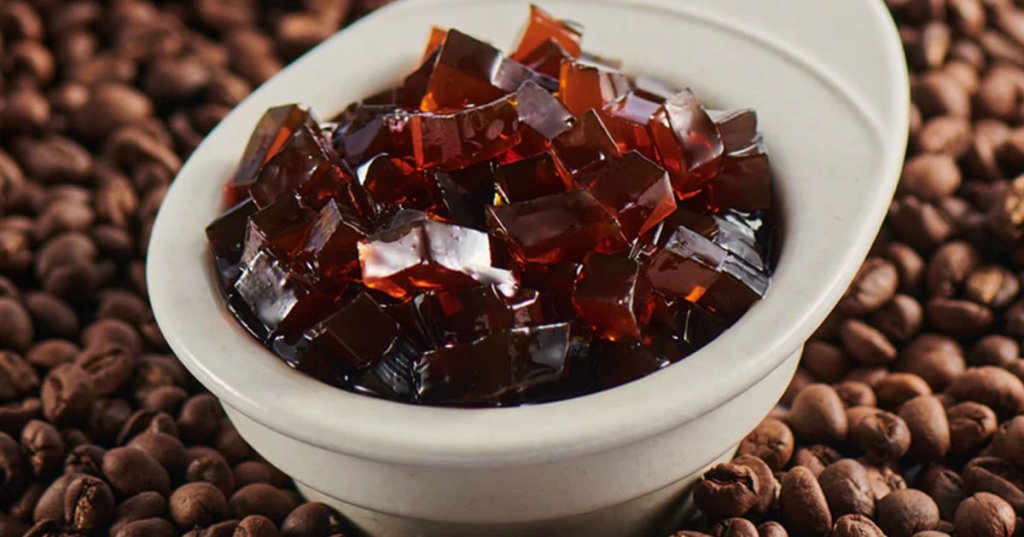
Listen up, philistines: coffee jelly used to be one of the first cuisines of the United States. This recipe does require some work; skimming the gelatin from boiled beef bones as it floats to the top over the course of four hours. But if you happen to have access to unflavored gelatin instead, it might be easier.
Stir 2 tablespoons of the gelatin in a half cup of cold coffee. Bring another 1.5 cups to boil with 1/4 cup of sugar. After boiling, blend the two coffee mixtures and divide into four cups. Chill for at least two hours for the gelatin to set. Garnish with some crushed hardtack.
Bean and Hardtack Falafel
Mash cooked beans with finely crumbled, softened hardtack, chopped onion (if available), pepper, and possibly an egg if you can find one. Form into patties and pan-fry in salt pork fat.
Confederate Short Cornbread

Rebel recipes existed, but were much harder for Confederate soldiers to actually prepare. The daily ration for rebel troops was similar to the Union’s, but the Confederate armies were rarely able to procure what they required. Most of the time, Confederate meals were designed to stretch already scarce resources.
To make the rebel cornbread, sift the weevils out of two cups of cornmeal and mix with a teaspoon of salt. Mix in 1 1/4 cups of boiling water. Heat leftover bacon or salt pork grease in a cast-iron skillet, making sure to coat the whole pan. Add the cornmeal mixture and press it down. Cook for 15-20 minutes, until the bottom is crisp. Then, flip the cornbread out of the skillet, re-grease it, and flip it back in. Cook for an additional 10 minutes and eat with sorghum molasses.