During World War I, the term “war bride” was coined to describe women who were hastily married before their new husbands shipped off to Europe. Whether due to values or norms of the time, soldiers were married soon after high school, leaving their new spouses behind as they were shipped off to battle. By the war’s end, it also described foreign women overseas who married American soldiers.
After World War II, tens of thousands of women from East Asia married American soldiers. Between 1945 and 1965, an estimated 200,000 women migrated from the Philippines, Japan, and South Korea. However, the term “war bride” boomed after Congress passed the War Brides Act in 1945. The following year, the Army began transporting women and children, freshly married to American soldiers, to the United States. The mass migration even had a nickname: “Operation Diaper Run.”
During that time, several of these spouses stepped up to help their new country, not just their new husbands. Famous women like Pearl Jacobs Daube, Anna Chan, and Bridget Waters flew under the radar at the time, but left a lasting legacy–good or bad. Here’s what they did.
Pearl Jacobs Daube
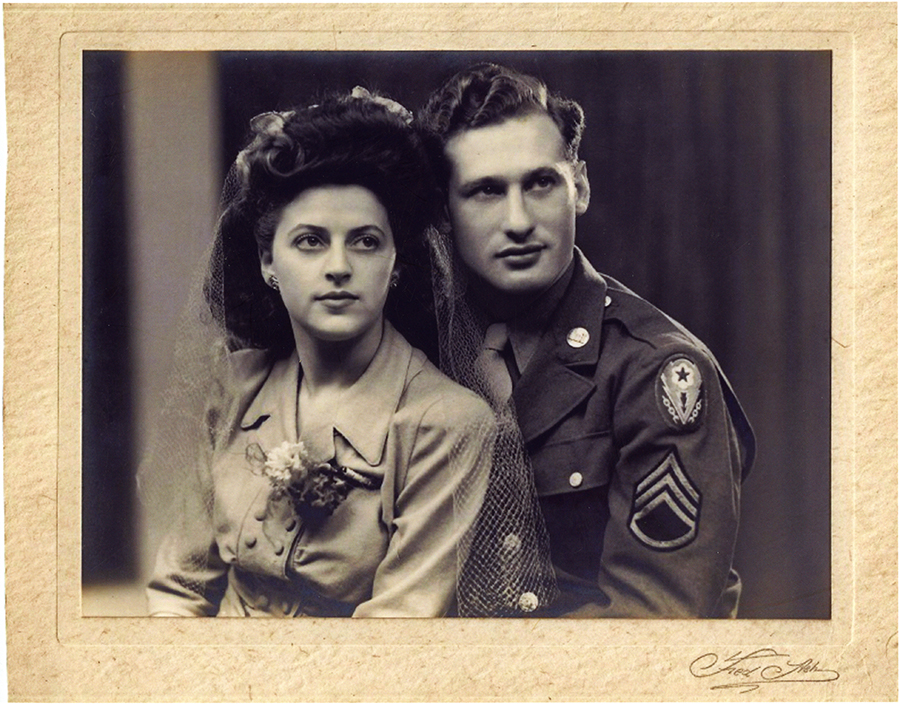
Pearl Jacobs Daube—among the early “Mrs. GI Joes”—sailed to the United States aboard the Queen Mary in March 1946. Born in Manchester in 1924 to Romanian Jewish parents, Pearl had a sister, Edith, the first woman munitions officer in the British Army’s Auxiliary Territorial Service.
Pearl met Sgt. Albert Daube in 1944. He was a German-Jewish refugee who reached America in 1937 and was drafted before his citizenship was finalized. He later proposed to Pearl, saying, “If I’m able to return alive, let’s get married.” They wed after the war, but because U.S. quotas were still tight from the 1924 immigration laws, Pearl could only join him after Congress passed the War Brides Act.
Pearl later retold her story of being a war bride and shared documentation while volunteering for the National WWII Museum. Between 2006 and 2013, she logged over 1,355 volunteer hours there.
Anna Chan Chennault
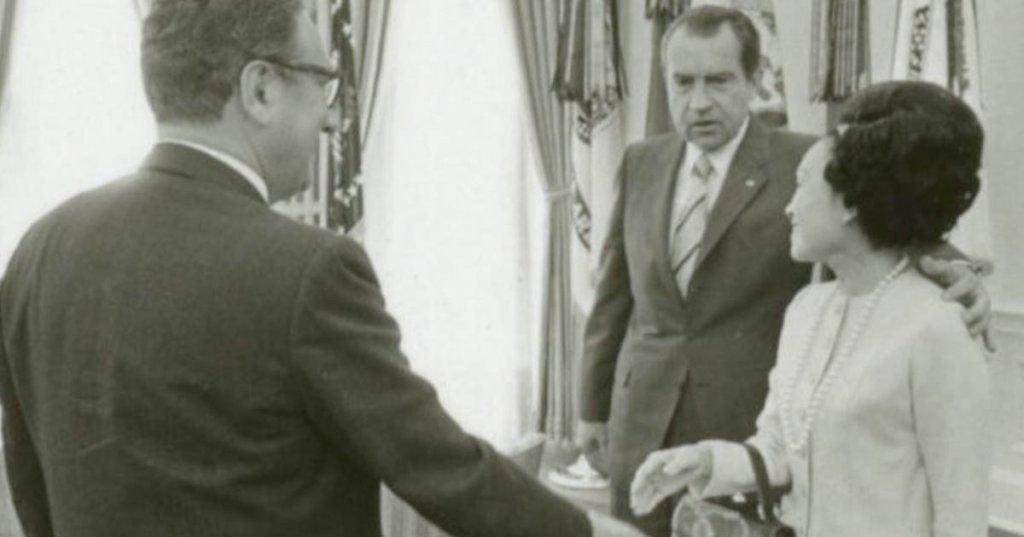
Born in Beijing in 1923, Chan Sheng Mai–later Anna Chennault–fled to Hong Kong with her family as Japan’s war with China escalated. A Lingnan University graduate, she became a war correspondent for the Central News Agency. In 1944, while visiting her sister Cynthia, a Flying Tigers nurse in Kunming, she interviewed Gen. Claire L. Chennault, then China’s best-known air commander, 30 years her senior and still married with eight children.
He divorced his first wife in 1946, married Anna in December 1947, and had two daughters. They moved to the general’s home state of Louisiana, where their interracial marriage violated the state’s anti-miscegenation law. But because of his World War II service, officials did not take action against the decorated general.
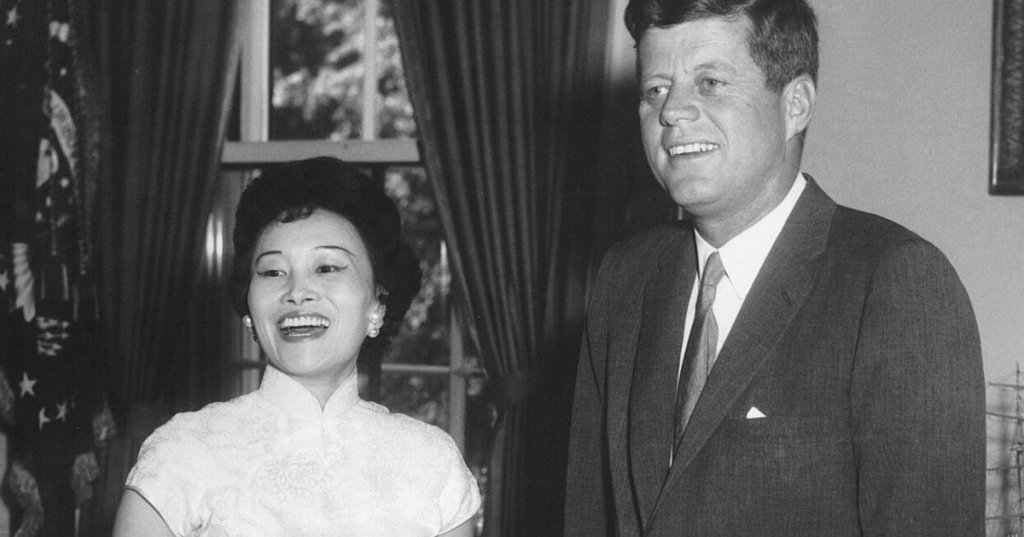
The pair became a power couple, with his influence and Chan’s work in communications. Anna served as chair of Chinese Refugee Relief under President John F. Kennedy in 1962, but later emerged as a prominent Republican fundraiser and behind-the-scenes actor linked to Richard Nixon’s successful 1968 presidential run. She remained in politics even after Chennault’s death in 1958 and remained active throughout her lifetime, giving speeches, promoting Chinese interests to American politicians, and backing Republican platforms.
Bridget Waters
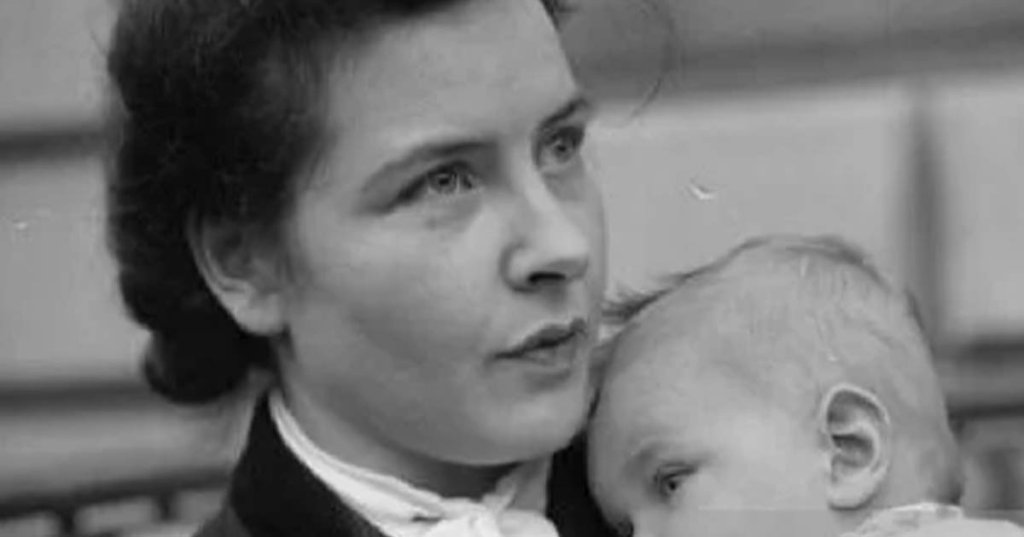
Fame doesn’t always come with a good story. Sometimes it comes with a great one. The case of Bridget Waters includes a woman scorned and the ugly side of what could happen with rapid-fire marriages, especially when the main goal was to obtain citizenship and not love itself.
Bridget McClusky met Frank K. Waters, a Los Angeles native and civilian employee for Lockheed in wartime Britain, while the 24-year-old Irishwoman served as a nurse during World War II. Like many couples, the pair got married quickly.
However, once Bridget was pregnant, Frank was sent on orders in France. After he left, he paid her $50 for rent and then tapered out of her life. Though he said he would write, Frank’s real intention was to ride off into the sunset. Alone. By the end of the pregnancy, Frank’s letters became less frequent until he offered to pay the hospital bills, but he didn’t want to be a father. This explanation was enclosed with $150.
Unfortunately, wartime abandonment was common at the time. Soldiers (and contractors) may have liked the idea of being married more than their spouses themselves. Therefore, when Frank was discharged in 1945, he returned to the U.S. and filed for divorce in Las Vegas, which had the shortest divorce requirements at the time. A person could live there just six weeks before filing paperwork. It was common for “divorce tourists” to live in the state for a short time in the mid-century.
However, Bridget wasn’t taking it lying down. She was also backed by Britons, who were tired of American soldiers abandoning their wives and children within their borders. Funded by women’s advocacy groups, Bridget traveled to Las Vegas with her baby, Frank Jr., in 1946. As a Catholic who did not believe in divorce, she instead filed for separation, which would retain the marriage legally and would include spousal and child support, which Frank had failed to pay.
Frank fought by introducing surprise witnesses who alleged she’d cheated on him when he moved to France, a move which spurred Bridget’s lawyer to request a jury trial. There was no such thing as a “no-fault” divorce at the time, meaning someone would have to cheat, abandon, or act cruelly to their spouse, which added to the dramatic spectacle.
The jury sided with Bridger, and his divorce was denied. Bridget was also awarded $220 per month. The agreement didn’t last because Frank allegedly threatened Bridget, and she handled it by shooting and killing him. Ultimately, she served just 15 months before being paroled on the condition that she go back to England.
What’s more interesting is that she wasn’t the only war bride to kill their spouse.
Good and bad, some of the most famous war brides created headlines during their time in the spotlight. The way immigration laws were changed, and the marriages used to circumvent them, have shaped the way the U.S. operates today.