If we ever find ourselves working in Venezuela’s thick green, it won’t be the politics that break you first. It’ll be wildlife with too many legs and zero f’s to give about your mission timeline.
You can prep for jungle warfare all you want; nothing in the field manual covers “thing that screams at you before it attacks” or “parasite that rents room under your skin.” Consider this your unofficial roster of nature’s insurgents, what they do, how to not become a smoke-shack tale, and why DEET and permethrin suddenly feel like real teammates; think about a broadaxe and a shield as well.
Bullet Ants (Paraponera clavata)
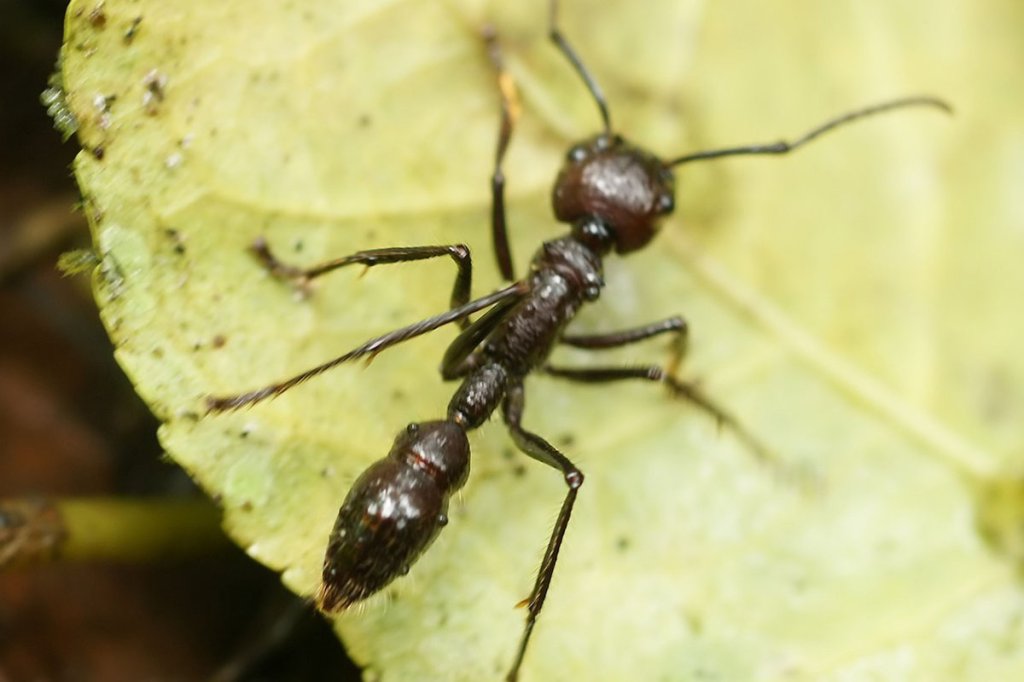
Locals call it hormiga veinticuatro, the 24-hour ant, because that’s how long the pain keeps you rethinking all your life choices. It’s not lethal; it’s just the most convincing argument for not re-upping your contract you’ll ever experience. The sting feels like being shot; it’ll turn one good soldier into one weeping noncombatant.
Related: 5 ways troops deal with their bug problems
Make sure to do surveillance around tree roots, tape your cuffs, and if one gets under your sleeve, consider yourself combat ineffective until tomorrow (Yes, you’ll live. No, you’ll never forget).
Goliath Birdeater (Theraphosa blondi)
Maybe you will be able to forget the world’s largest spider by mass (feel free to take ten deep breaths at this time; that’s it, you can do this). This beast is a hairy dinner plate with legs, and somehow, a bite from the horror movie reject is not your main threat. The birdeater’s mutant power is actually flicking clouds of barbed hairs from its abdomen… yay. Whether it gets into your eyes or airway, those hairs upgrade a nightmare encounter into a med/psych check.
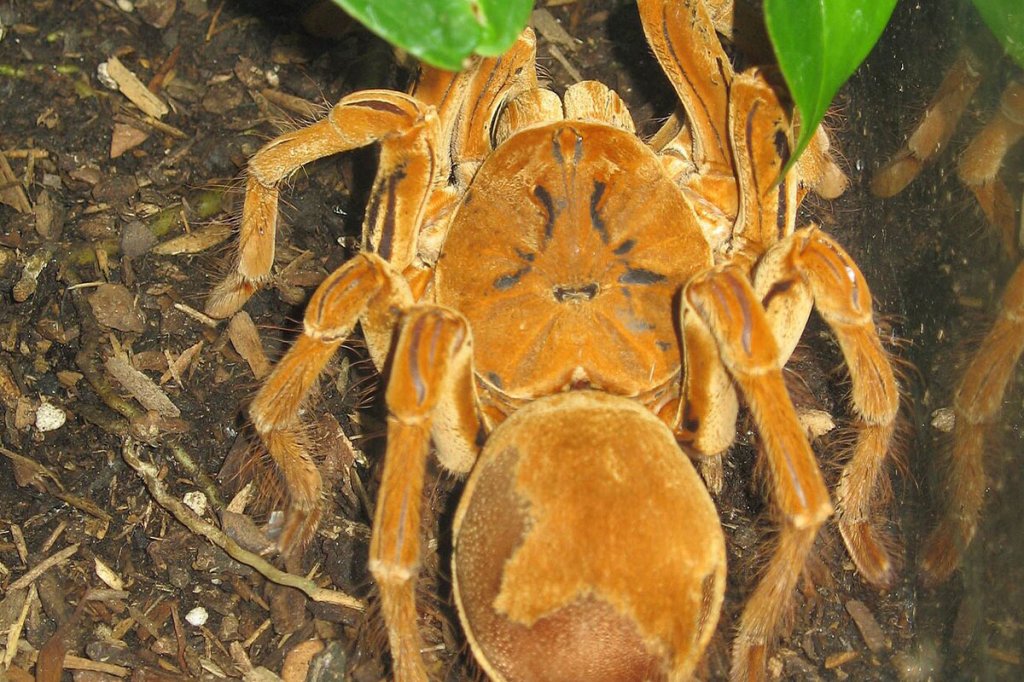
Bonus time: it also hisses. That sound you hear in the dark, like a leaking air compressor? Not your imagination. If you must relocate one, running away is a better option.
Army Ants (Eciton spp.)
Just don’t run into these dedicated little grunts. A single ant is kinda cute. A living carpet of millions, moving like a hungry train with teeth, is a different thing altogether.
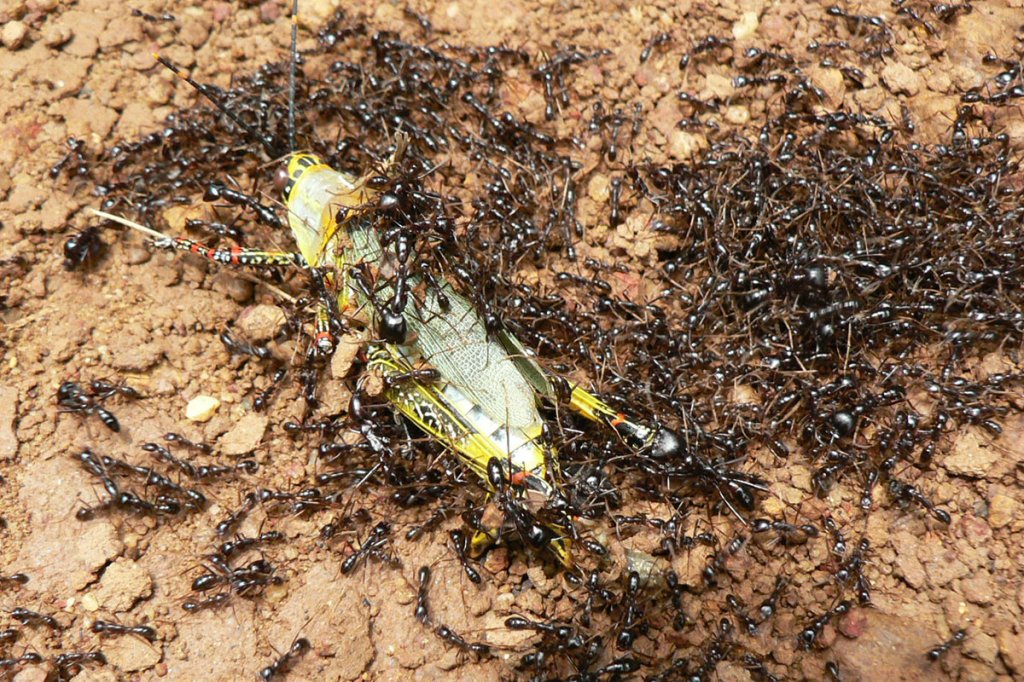
Army Ants don’t outflank you so much as delete you from their path. You can’t fight them; you can get out of their way. Secure your ramen, shake out your gear, and give these soldiers the road like it outranks you, because it basically does in these parts. Old-timey tales say people once used their jaws as emergency stitches: you’d just line up the edges of the cut, let the ant bite, twist off the body, and marvel at human ingenuity. Nature is disgusting and awe-inspiring, but mostly disgusting.
Kissing Bug (Rhodnius prolixus)
Speaking of disgusting, you’d imagine the kissing bug to be as beautiful and graceful as a butterfly; well, it bites you around the mouth while you sleep, then makes a doody in the bite hole. Scratch your eye or rub the bite? You just volunteered for Chagas disease, the long game of misery that can lie low for years and still hit your heart like ten pounds of butter decades later.
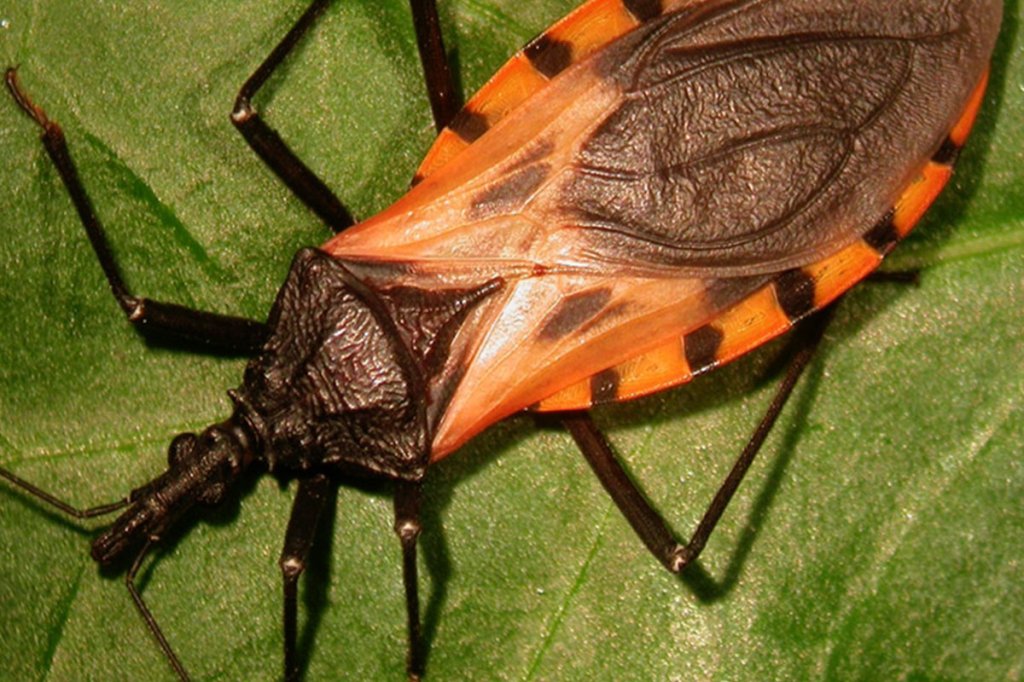
Countermeasures aren’t sexy, but they do work: skip any mud-brick and thatch sleeping spots, use a permethrin-treated net, tuck it tight, and keep your sleeping area as boring as a battalion safety brief; because if having your face used as a toilet doesn’t sound so appealing, there are potentially worse things that could be presented to you.
Botfly (Dermatobia hominis)
If hell had a mascot, the botfly would be a bit too much even for them. This soulless freak hijacks a mosquito to deliver eggs directly into your flesh, a few days later, something under your skin… starts to wiggle. Congratulations, you’re about to be a surrogate parent. You’ll feel a tender lump with a tiny little breathing hole; that’s your new dependent reminding you to enroll it in DEERS.
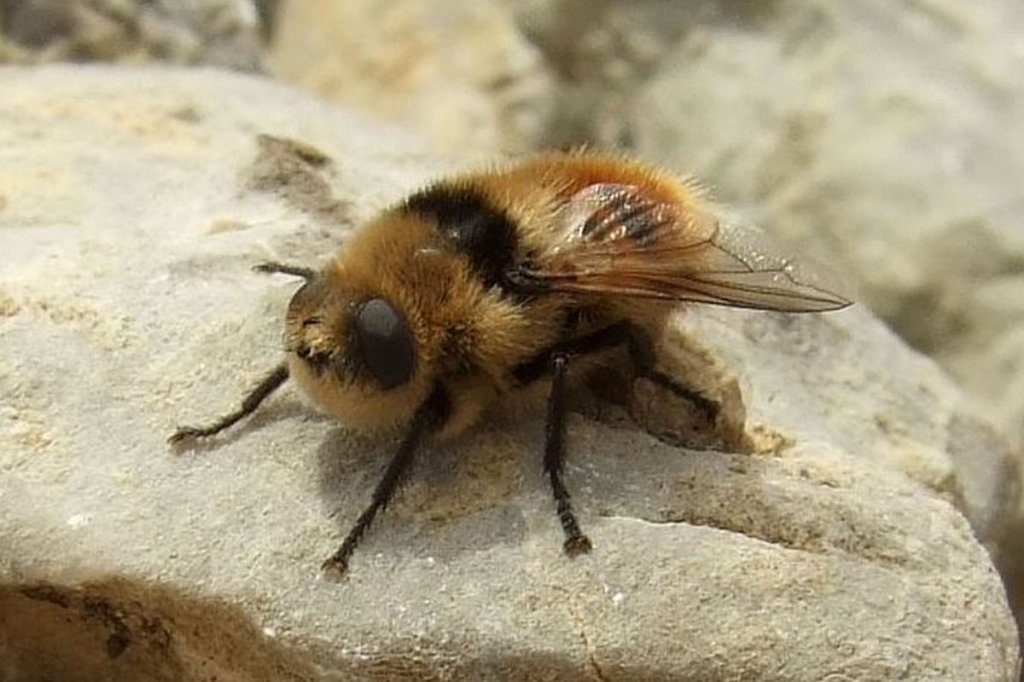
Extraction involves a glove, patience, and forceps, plus a promise to never speak of this again. Prevention is the same song you’ve heard since basic training: long sleeves, treated uniforms, repellent on skin, and a net that actually stays tucked. However, your tightly tucked net will not keep you from losing your sanity if this next potential friend moseys over to see whatcha doing.
Wandering Spider (Phoneutria nigriventer)
Here’s a spider that could hold up a platoon on their daily patrol. Good luck getting QRF to assist. Aggressive, fast, and armed with neurotoxic venom, the wandering spider earned its reputation “John Wick style” by acting like you murdered its puppy and stole its car… all day, every day.
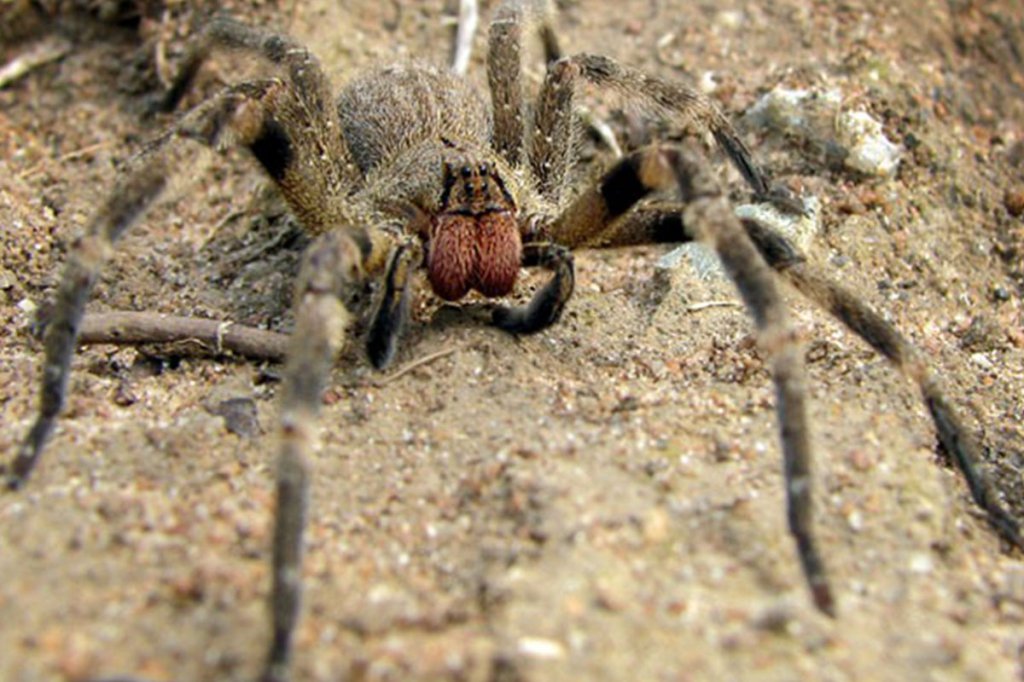
Wandering spiders can trigger intense pain, muscle issues, and a bonus side effect described as “memorable and awkward.” Your best bet here is to focus on distance and showing respect: shake out the boots and bedding, stop reaching into dark spaces, and remember that the banana box surprise isn’t just an internet myth.
Tityus Scorpion (especially Tityus discrepans)
Another potential myth is that the desert scorpions you learned about from prior deployed NCOs are the pinnacle of fear and pain; Tityus plays in a different weight class. Its venom is a potent neurotoxin that can turn the hardest soldiers into drama queens quickly: drooling, vomiting, breathing trouble, and even cardiac issues. This is the “Who knows the 9-line MEDEVAC procedures?!” item on the list. Field SOP remains painfully basic: shake boots, clothes, and sleeping bags every single time before you put them on or in. No one wants their obituary to include “killed by sleepy oversight.”
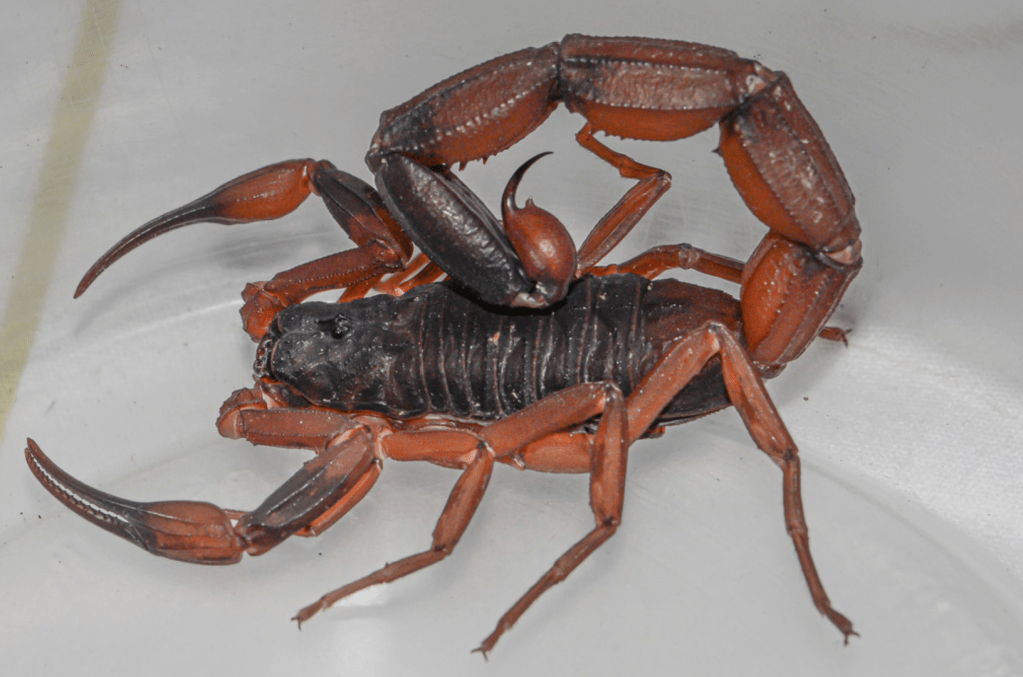
In Venezuela, the jungle doesn’t care about your MOS or your ROE. It just wants to know if you taste like sweat and fear. If something hisses at you in the dark, it’s not Pvt. Snuffy looking for alone time; it’s most likely a spider the size of your head.
We train for the loud dangers, contact left, contact right, but the quiet ones show up uninvited and stay for breakfast. In every environment, there’s that enemy that doesn’t carry a weapon, doesn’t care about Geneva paperwork. Respect these little guys and gals. They’re not here to crap on your mission. They’re here to poop in your face a little until the mission takes you home.