It was a seemingly random Sunday on March 13, 2022. Anne Black had just had a conversation with her son Gregory Black, a 36-year old U.S. Army veteran, about musicals and dogs. She could never have guessed that it would be the last time they ever spoke. Later that day, at 10 p.m., Greg died by suicide in his car.
During his time in the military, Greg suffered a traumatic brain injury—one that had led to constant headaches, severe depression, chronic pain, and post-traumatic stress disorder (PTSD), according to his mother. When the frequent night terrors and debilitating pain became too big a monster to fight single-handedly, Greg saw no way out other than to end his life.
Greg’s suicide is not an outlier; it’s actually part of a larger pattern among American veterans. And this pattern is exactly what the U.S. Department of Veterans Affairs (VA) is looking to break through its new ‘Keep It Secure’ campaign.
‘Face Your Dragon:’ The Meaning Behind the Message
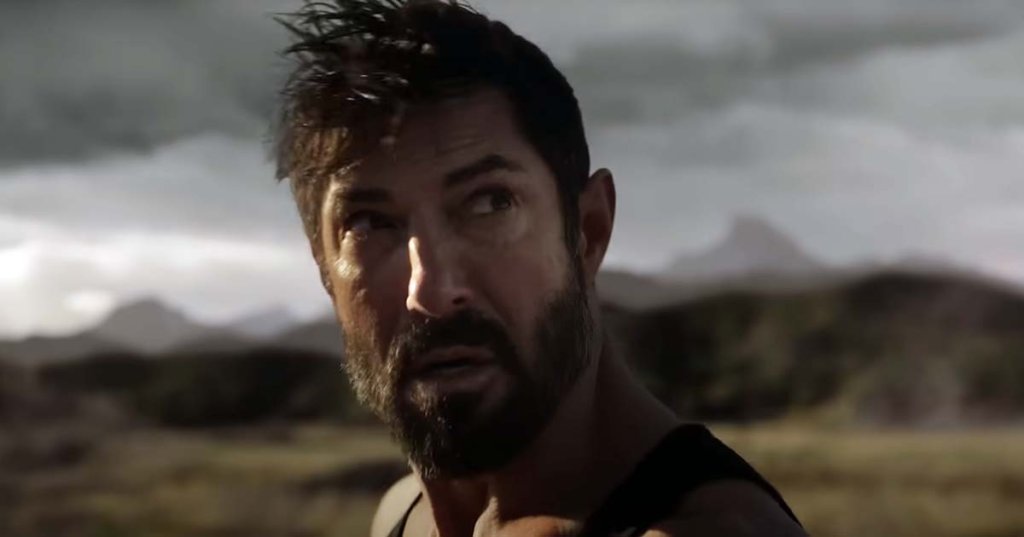
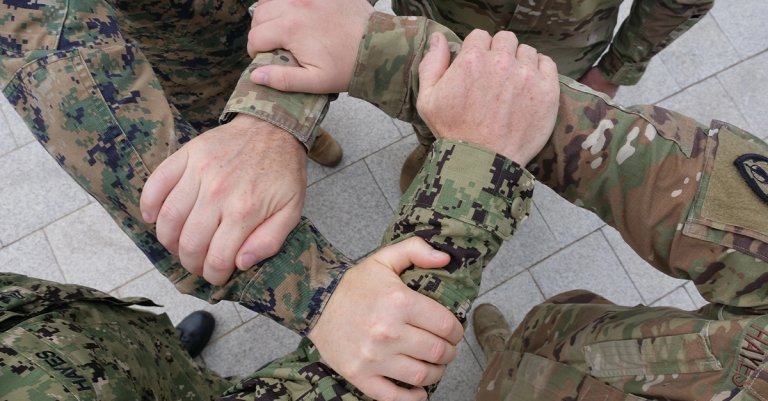
It’s September, National Suicide Awareness Month, and in keeping with the theme, the VA has just launched a new campaign called ‘Keep It Secure’ as part of its Lethal Means Safety strategy to reduce the number of veteran suicides. The campaign features a video where Marine Corps veteran and actor Rudy Reyes, who served in Iraq and Afghanistan, along with his fellow brothers and sisters, team up to face down a dragon after locking their firearms.

Keep It Secure – Face Your Dragon (:60)
Locking your weapons might seem counterproductive while fighting a dragon, yes, we know. But that’s also the point: you don’t need them when you have your community with you. The dragon here is only metaphorical: it represents the weight of the suicide crisis pressing down on veterans. It’s not a monster that can be slayed using a gun—quite the opposite, in fact. It’s a monster that can only be defeated by pausing, and then seeking community support and professional help.
“We all remember the Marine Corps dragon ad from the ‘90s—it inspired us to serve,” Reyes told We Are The Mighty. “But today’s dragon is different. Too many warriors are lost to suicide. Securing a firearm may seem small, but it gives us space, time, and a fighting chance to protect those we love.”
And the first step to pausing? Keeping your firearms locked prevents easy access that might otherwise end with impulsive decisions.
This is the core message behind the campaign: “When you secure your firearm, you create the time and space to confront a suicide crisis.”
Research shows that the time period between thinking about suicide and acting on it is often just 10 minutes. And having easy access to an unsecured firearm only makes it all the more easier. In fact, the same research found that owning a loaded firearm at home increases the risk of dying by suicide by as much as four to six times.
This is corroborated by the 2024 National Veteran Suicide Prevention Annual Report released by VA. The report’s statistics show that 6,407 veterans died by suicide in 2022, with a stunning 73.5% of them having used their firearms to take their own lives.
Keeping these statistics in mind, securing firearms becomes all the more important. Because those few seconds between having suicidal thoughts and unlocking to get access to weapons can give veterans a much-needed pause to actually think, take back control, and get out of that mind space. In short, it creates time and space between a crisis and action—to think, breathe, and get support.
“A crisis can happen and what we’re trying to do is build in that little moment, that pause, that small barrier between someone at their darkest moment and having that firearm right there,” Bobbi Hauptman, Senior Director of the Suicide Prevention Communications and Actions Team for the Office of Suicide Prevention, said.
“Securing up your firearm doesn’t make you weak—it makes you ready,” Reyes added. “Life can hit hard, but securing your weapon protects you and your loved ones on the toughest days. That’s strength.”
The Lethal Means Safety Campaign
“The VA and Pentagon are taking real action,” said Reyes. “Lethal Means Safety isn’t about taking guns away—it’s about giving veterans, active duty, and families time when it matters most. I secure mine up after the range, not out of weakness, but because I know life throws curveballs.”
The ‘Keep It Secure’ campaign addresses a significant problem among the veteran community: increasing suicide rates. The VA’s research shows that, when adjusted for the population differences, the rate of suicide among veterans (34.7 per 100,000) was higher than the rate of suicide among non-veterans (17.1 per 100,000).
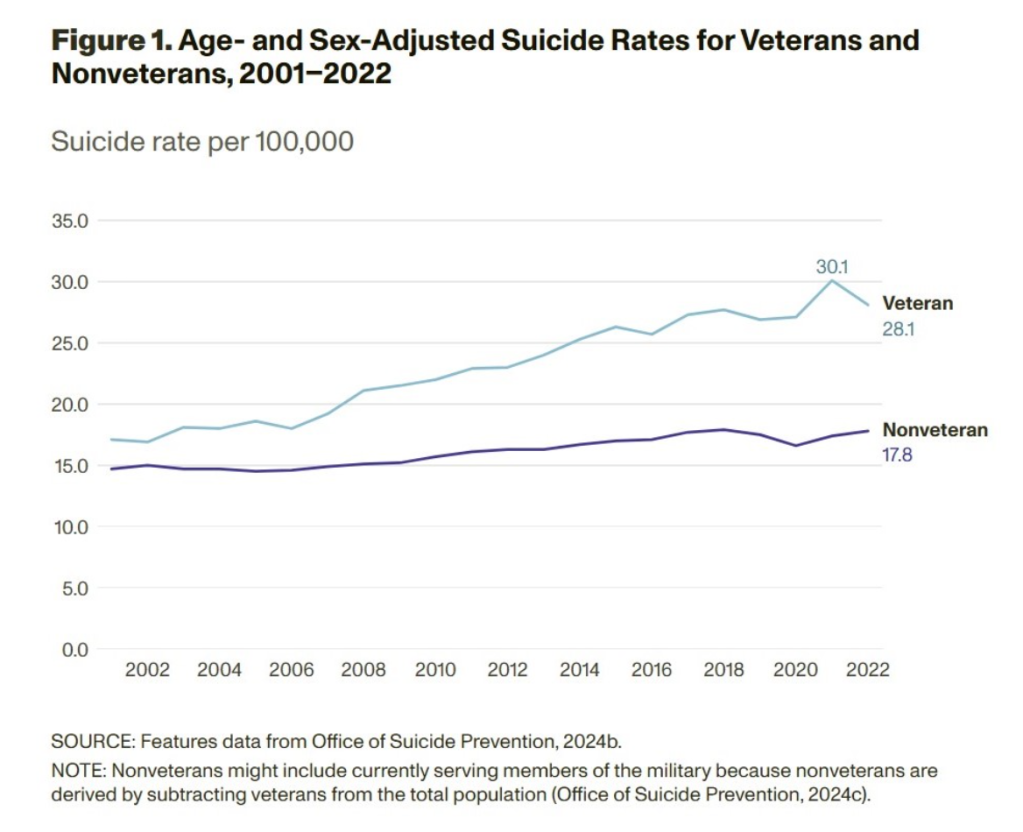
Why are veterans at a higher risk of dying by suicide? With the data from multiple studies, the VA cites the following as the most common reasons:
- Psychological stressors and trauma from their time spent in active service
- Injuries that require high doses of opioid medication, leading to a substance abuse disorder
- PTSD and traumatic brain injuries
- Insomnia
- Mental health conditions such as severe anxiety, depression, or bipolar disorder
- Feelings of loneliness and isolation after separating from active service, especially during the first year
Many veterans also struggle to readjust to civilian life, particularly if they lack social support to fall back on. Most of them also feel isolated, as they often believe people in their lives don’t (and can’t) understand what they’ve been through. Financial issues and social pressures can add to feelings of despair.
So to support veterans who are struggling, the VA has identified specific key pathways, such as enhancing mental health access care, sustaining community collaborations, and securing firearms.
How to Seek Help
If you’re a veteran struggling with mental health issues and thoughts of suicide, here’s how you can help:
- Secure your firearms: The VA provides free cable gun locks to help you secure them. Find your closest VA medical center/clinic and ask for one. Always ensure that you separate the ammunition from your firearms. For an added layer of protection, consider using lock boxes and gun safes. As the ‘Keep It Secure’ commercial’s star Rudy Reyes said, “Securing a firearm may seem small, but it gives us space, time, and a fighting chance to protect those we love.”
- Sign up for the Buddy Check program: This initiative by the American Legion encourages veterans to connect with and check in on each other.
- Contact the Veteran Crisis Line: Dial 988, then press 1, or text 838255 to get confidential and judgment-free support from trained professionals.
- Seek professional help: Talk to your local VA clinic about how you can get professional help from a trained mental health counselor. The Veteran’s Wellness Alliance can also help pair you with a licensed mental health professional.
If you notice a loved one struggling, you can:
- Check in on them: Encourage them to share how they’re feeling. Ask them if they have access to any firearms and urge them to secure them safely.
- Get training: Several courses, such as the VA’s ‘S.A.V.E’ and American Legion’s ‘Be The One’, provide free training on how to identify at-risk veterans, communicate with them, and get them the help they need.
Remember that no matter how hard life gets, better days are always coming. Secure your firearms, and give yourself the space and time you need to change course and get help.
“It’s not just a commercial—it’s a movement,” Reyes said. “‘Face Your Dragon’ puts us on the offense against a crisis taking too many of our brothers and sisters. We all face dragons in life, but like on screen, we overcome them together. One team, one fight. Hoorah.”
Sponsored Content
The first-time homebuyer’s reality checklist