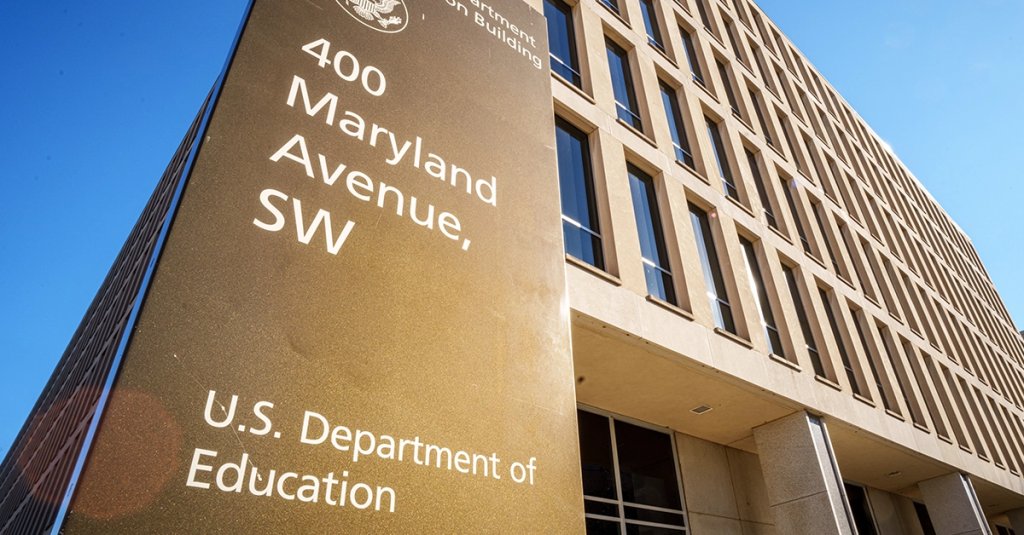
Veterans organizations in Washington, D.C. came together to nominate two prominent veterans to the U.S. Department of Education’s upcoming rulemaking committee on higher education accreditation. This committee is essentially a formal advisory group to develop or revise the federal regulations that govern how accreditation works.
While the “U.S. Department of Education negotiated rulemaking committee” sounds like slogging through a bureaucratic nightmare, it matters enormously because only students attending accredited schools can receive federal financial aid such as Pell Grants, federal loans—and the GI Bill.
The nomination of veterans to this committee is a testament to the importance of college accreditation to veterans organizations and the veteran community.
Also Read: The best online colleges for veterans in 2026
The Education Department has expressed dissatisfaction (to put it mildly) with accrediting organizations, believing these orgs have failed to hold institutions accountable for poor student outcomes. This is an issue that is especially concerning to veterans, who have too often used their well-earned benefits at accredited schools with abysmal outcomes.
It doesn’t take long to find those abysmal outcomes; many of them end with lawsuits against predatory schools. It does make one wonder how the schools could gain accreditation in the first place. But that’s what the negotiated rulemaking committee can seek to help.
In keeping with the requirements of the Higher Education Act, the Trump Administration has included a seat at the negotiation table dedicated to representing veterans and service members in the upcoming negotiated rulemaking committee.
The nominees advanced for the seat include Julie Howell of Paralyzed Veterans of America and Steven Betsch of The American Legion, both veterans with direct experience in education policy and firsthand familiarity with how federal education benefits function in practice.
Negotiated rulemaking is the formal process through which the department works with stakeholders to shape federal regulations before they are finalized. These stakeholders include students, schools, and other veteran groups, essentially anyone with an interest in the committee’s decisions.
Since the upcoming session will focus on accreditation, the system that determines which colleges are eligible to participate in federal student aid programs. The rules also play a significant role in higher education policy at other agencies, such as the U.S. Department of Veterans Affairs and the U.S. Department of Defense (or War, whatever).
This means they could be talking about what standards accreditors must use to evaluate schools, how accreditors are themselves recognized (or stripped of recognition) by the federal government, what happens when schools fail to meet standards, and what accreditors must disclose publicly.
It’s a big deal.
The nominations of Howell and Betsch has received strong support from a broad array of national veterans and military family organizations, including Paralyzed Veterans of America, The American Legion, Student Veterans of America, Tragedy Assistance Program for Survivors, National Association of State Approving Agencies, Iraq & Afghanistan Veterans of America, Military Officers Association of America, National Military Family Association, Vietnam Veterans of America, Commissioned Officers Association of the USPHS, Veterans for Common Sense, Elizabeth Dole Foundation, Jewish War Veterans of the USA, and Minority Veterans of America, and reflecting a wide consensus that veterans deserve thoughtful, credible representation in this process.
You get it. They’re both excellent choices for representing veterans in the Department of Education. And having a seat at the table strengthens both the legitimacy and the substance of the rulemaking process. There are other Cabinet-level rulemakers who willfully sacrificed creditbility by excluding actual veterans from their rulemaking, with disastrous effect.
Veteran repreesentation sets the expectation that any final regulations will account for the real-world impact on those who earned their education benefits through service and sacrifice.
Don’t Miss the Best of We Are The Mighty
• General Patton’s grandson help heal veterans through filmmaking
• Everything to know about the Post-9/11 GI Bill with other financial aid
• A new Supreme Court decision means more GI Bill time for some veterans