The decentralized leadership structure in the United States military is one of the best things we’ve got going for us. For the most part, a commander can pass their intent down to subordinate leaders and expect it to get done. This can only happen with cohesion between the officer and non-commissioned officer corps.
Also Read: The Guard’s ‘one weekend a month, two weeks a year’ slogan is outdated
Legally speaking, NCOs have to obey the orders of the Officers appointed over them. I mean, it’s literally in the Oath of Enlistment that enlisted service members take when they join. What that looks like in real life, more often than not, is NCOs tearing their hair out (if they’ve still got any) because some butterbar at the S3 wrote a Concept of Operations without thinking an NCO’s input would matter.
The reality is this: an officer may be more educated than an NCO, but NCOs typically have a wealth of knowledge and experience to back up what they know. Even though Officers have no real obligation to earn their NCOs’ trust, it would do them well to remember that their NCOs’ trust is key to success in a decentralized command structure.
If an officer is not trusted, the NCOs may be likely to do what they think will be beneficial to the lives of their troops, and still meet their commander’s intent. If you’re an officer, new or senior, these simple tips will help you build trust and loyalty among your NCO corps:
3. Respect your NCO Corps.
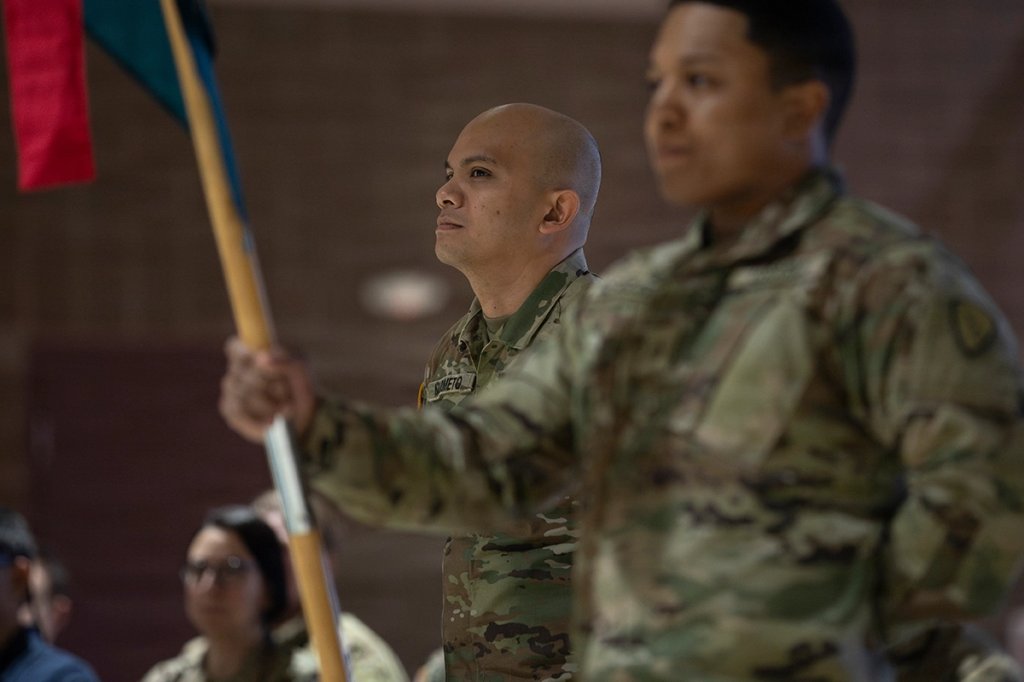
NCOs are the backbone of your organization. Both the Marine Corps and Army include that in their respective NCO creeds. You may understand very well that you call the shots, but it’s the NCOs who drive the culture and climate of your unit. If you don’t demonstrate respect for your NCOs, they’ll only follow your orders because they’re legally obligated to, not because they respect you or your decisions.
It’s important to acknowledge that you may not be the most experienced person in your organization. If you, an officer, have more experience than your NCO advisor, there’s a different problem in your organization that needs to be addressed.
One way to earn the NCOs’ respect is not to micromanage them. If they fail to complete a task, then fine, yes, drop the hammer and supervise, as is your right. However, if you give an NCO the chance to lead their troops, you might find yourself getting all sorts of “atta-boys” from your leadership.
And we all know how praise and admiration are the love language of officers everywhere.
2. Be on the ground, with your people.
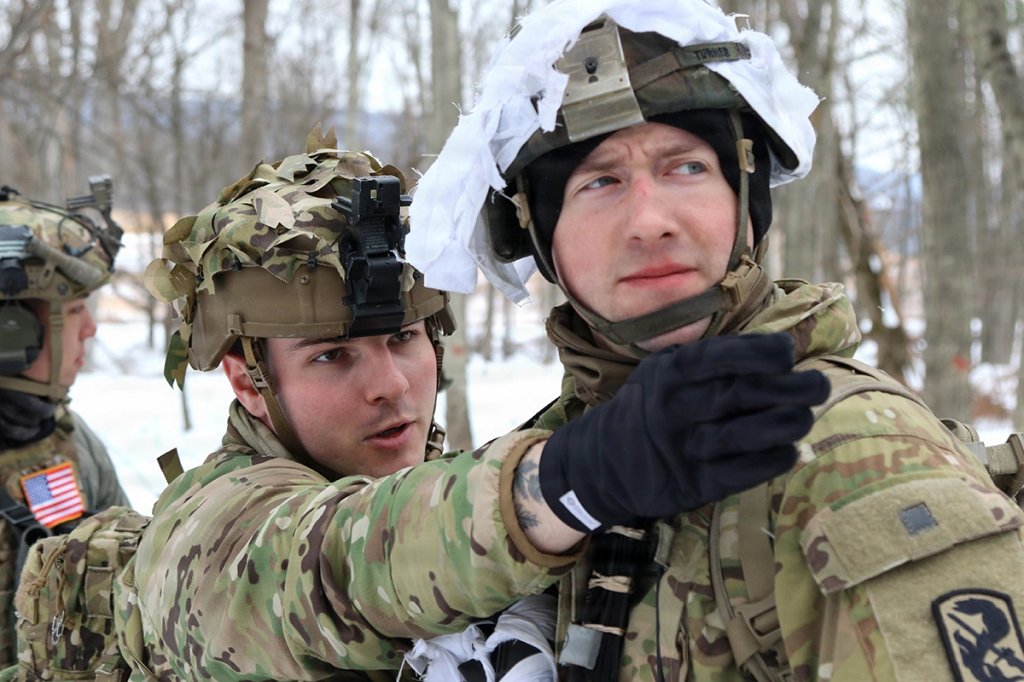
This one can be tough, I know. You’ve got a meeting or a phone call, or you’re going to get help while your troops manage things on the line. But when you’ve got nothing better to do, be there with your people.
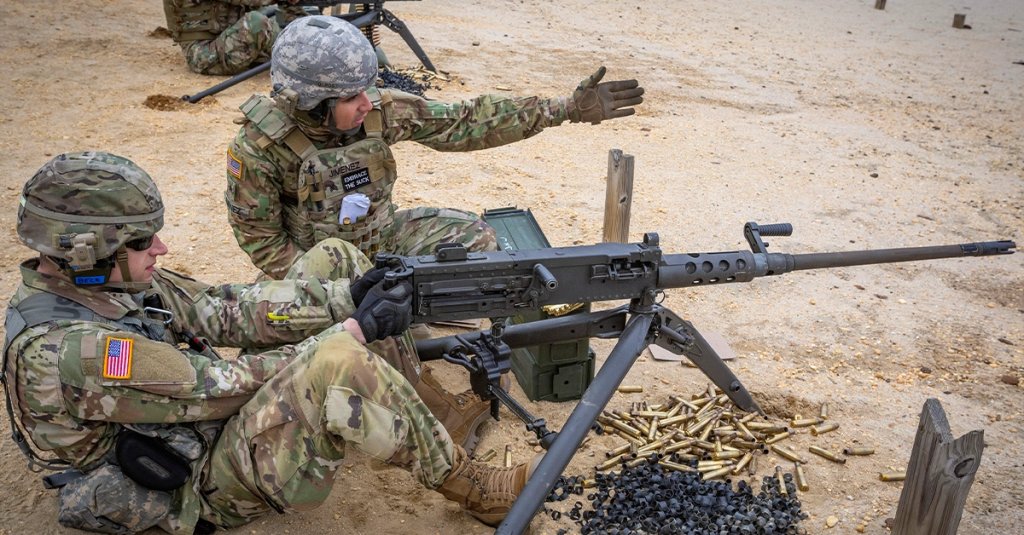
When it comes to training, don’t just “observe” training. Do the training. Shoot the guns, throw the grenades, do the PT. Troops at every level want to see their leaders walk the walk. When NCOs see their captain or lieutenant running next to them on a PT test or carrying a belt of ammo to shoot a machine gun, we all have the same thought: “Respect.”
Every NCO has had an experience with leaders at any level simply “observing” training, and it’s really not enough. We love seeing officers rip machine guns and crush PT tests. We just want to know that you’re one of us and not some corporate shill the battalion sent to make sure we don’t steal any guidons.
Just so you know, we’re going to do that whether you like it or not.
1. Listen to your NCOs.
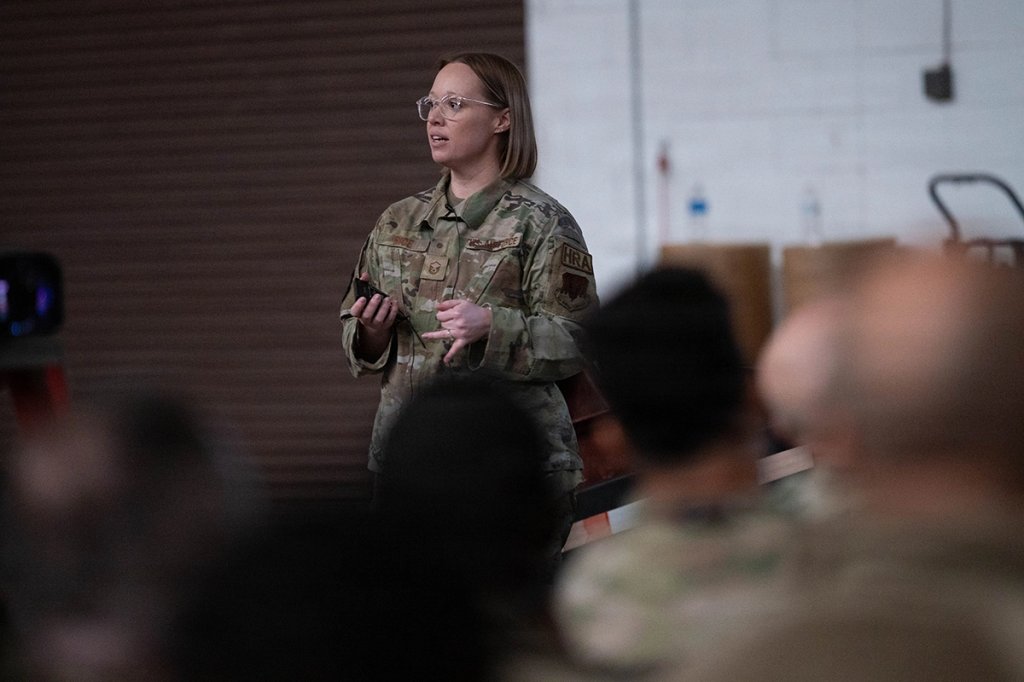
While listening to your NCOs may ultimately come down to a respect thing, it’s important to mention it separately. Too often, NCOs are kept out of the planning process and forced to do whatever mad scientist trash the officers came up with. Sure, we can just do what we’re told, and we absolutely will. But the part you may be missing is that we have to defend you to our junior troops. On top of that, we’re expected to pretend that we’re cool with it since we “complain up, not down.”
You may be alienating your entire formation by excluding your NCOs and not even realize it. You can ask junior service members for their opinion but, I promise you, they’re going to lie to your face because they don’t want to be punished for being honest.
The good news is that you can just include your NCOs in the planning process. Not just asking for their input, but genuinely trying to implement it. Show that you considered their advice or, at the very least, let them know why you chose differently in the end. You may not owe that NCO an explanation, but they’ll respect you a whole lot more if you give them one—and not some “it just won’t work” or “because I said so,” type explanation either.
At the end of the day, NCOs will do what you say. We have to. But we want the team to succeed the same way you do. We want nothing more than to have officers who listen and respect us. Respect is a two-way street, after all.
Don’t Miss the Best of We Are The Mighty
• The undisputed guide to proper treatment of an ROTC cadet
• The Complete Hater’s Guide to the Army National Guard
• Why the Honor Guard is the best military experience