England has a long and storied history of having boys serve in the Royal Navy and Home Guard. In a more modern update of that Idea, a new report is now making the rounds in London, one that considers asking kids to help ferret out Russian spies and disinformation online. But at least this time, they can work from home, possibly while playing Minecraft, so at least they won’t be in any extra danger.
It’s part of a new “whole-of-society” approach to defending against Russia’s gray zone threats, where Russia uses tactics short of armed conflict to destabilize its adversaries. The idea was released to British MPs via a report titled “Defence in the Grey Zone.”
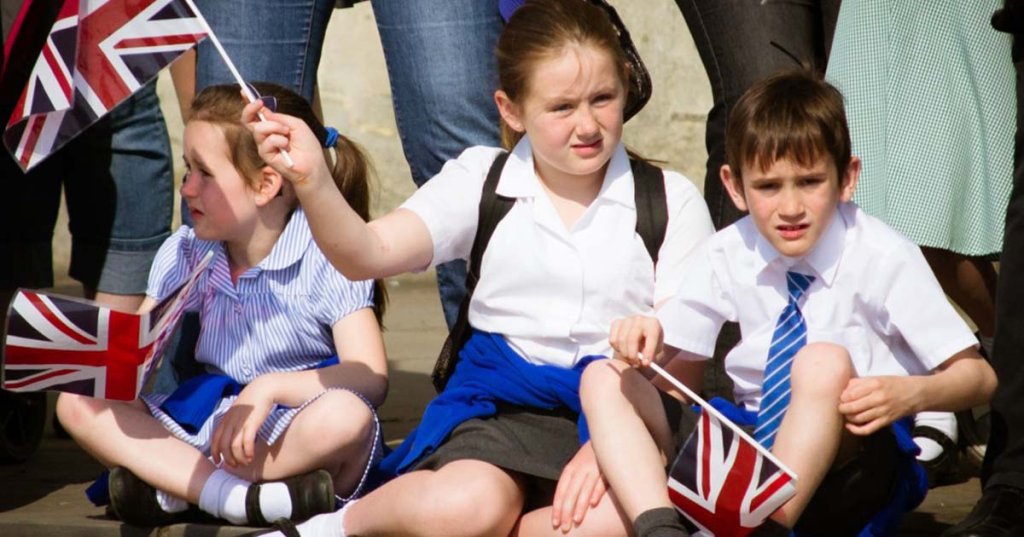
“At societal level, the Ministry of Defence should draw on its understanding of the threats faced to make a greater impact by proactively engaging far more with wider society, both public and private—for example, critical national industries, schools and communities—to help generate a dialogue around those threats to the UK and build consensus around a common response,” the report said.
Although China gets a mention in the report, Russia is mentioned more than 30 times. Putin’s Russia is widely acknowledged as a leader in so-called “gray warfare,” a space between peace and war, with the nearly bloodless capture of Crimea serving as its calling card. Russia also destabilized Ukraine’s democracy as much as it could ahead of the 2014 invasion and did so again before widening the invasion in 2022.
Russian spies and intelligence services are thought to be behind dozens of other incidents of espionage and sabotage, including the destruction of undersea internet cables and gas pipelines.
“Our adversaries have purposefully blurred the line between peace and war,” said Tan Dhesi, a British member of Parliament. “Grey zone threats pose a particularly insidious challenge – they unsettle the fabric of our day-to-day lives and undermine our ability to respond.
And Russia has turned its agents loose in the U.K. before. Just this March, Britain convicted three Bulgarians of spying for Russia with honeypot, kidnapping, and murder schemes. Russia is also likely behind attacks on the Nord Stream gas pipelines, which have affected the U.K.’s energy security. And the U.K. knows that Putin would love to retaliate for British support to Ukraine.
In the U.K., the Ministry of Defence and the intelligence services are the first line of defence against Russia’s grey tactics. But, like in America, Russian disinformation can spread nearly unchecked online. And that’s where the United Kingdom is asking for child labor this go ’round. No 12-year-old Horatio Nelsons need apply at their local naval recruiting office. Yet.
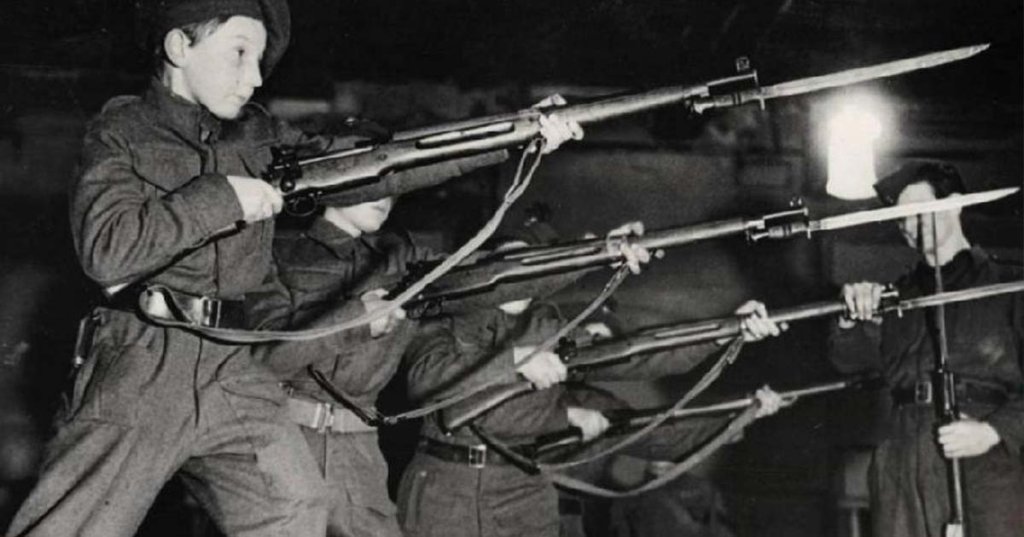
“Grey zone threats bring war to the doorstep of each and every one of us,” Dhesi continued. “These attacks do not discriminate; they target the whole of our society and so demand a whole of society response, in which we all must play our part.”
While it might sound a bit nutty to ask schoolchildren to help identify Russian disinformation and spies, Finland already has a similar curriculum in its schools. Pour one out for the disappointed child who was told that his next lesson was about spy catching, got excited, and then found the class was mostly about critical reading and spotting AI-generated images.
Come to think of it, most of us probably have a few family members and government officials we would like to refer to the classes.
The U.K. has not yet moved forward with the inquiry’s recommendations, so it will be a while before we know if Harriett the Spy can still follow Winnie the Pooh around with impunity.