Every year, the Pentagon promises us “game-changing” technology. Usually, that just means a new radio that weighs five pounds more than the old one and requires a Master’s degree to operate.
Related: What’s really real with SOCOM’s AI targeting tests right now
But 2025 was different. This year, the future actually showed up. We aren’t just looking at PowerPoints anymore; we are looking at laser weapons that shoot down rockets for the price of a coffee, “vampire” medical kits that don’t need refrigeration, and drones that land on their tails like retro spaceships.
Here are the top five breakthroughs of 2025 that prove warfare is getting weirder, faster, and a whole lot more lethal.
1. The Iron Beam: Basically Infinite Ammo
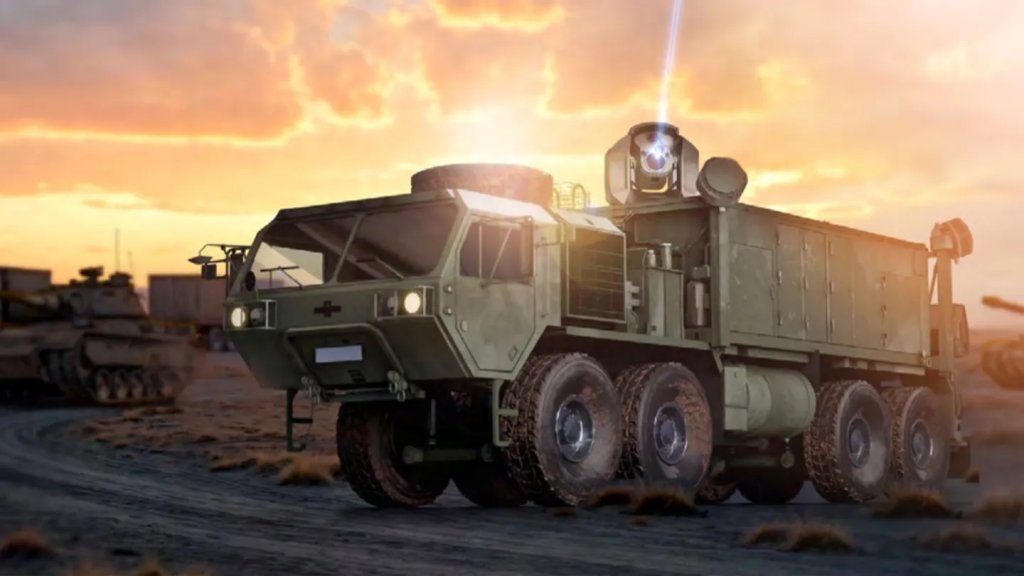
For decades, the dream of a laser weapon was… a dream. But as of late 2025, the Iron Beam is officially operational, and it changes the course of war forever.
The concept is quite simple. Instead of firing a $50,000 interceptor missile to knock down a $500 enemy mortar, the Iron Beam uses a 100kW high-energy laser to bake the threat in mid-air like a potato. There is no explosion, no exhaust trail, and no reload time. As long as the generator has fuel, you have ammo, and coffee makers.
Best of all? The cost per shot is roughly $3. You literally spend more money buying a Rip It energy drink than the IDF spends dropping an incoming rocket. It effectively creates a “laser wall” that makes traditional saturation tactics financially impossible for the enemy.
2. The Reusable Kamikaze: Anduril Roadrunner
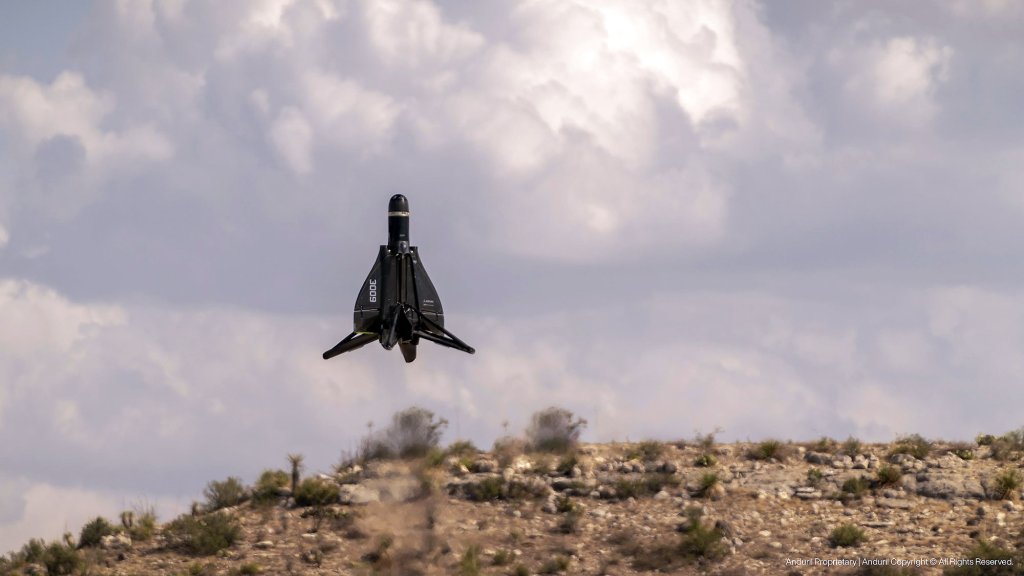
If you saw this thing in a PowerPoint presentation, you would roll your eyes. A twin-jet autonomous vehicle that races into the sky, hunts for a target, and if it doesn’t find one, lands vertically on its tail to be refueled and re-used.
But the Roadrunner is real, and as of late 2025, it is already out hunting. It solves the “Patriot Problem”, the issue where we hesitate to fire a $4 million missile at a cheap drone swarm. The Roadrunner is basically a flying guard dog.
It launches, loiters at high subsonic speeds to identify the threat, and then makes a decision. If it’s a bird, it comes home. If it’s a Shahed drone, it turns into a warhead. It is the first time “kamikaze” weapons have included a boomerang functionality.
3. The Nuclear Backpack: Project Pele
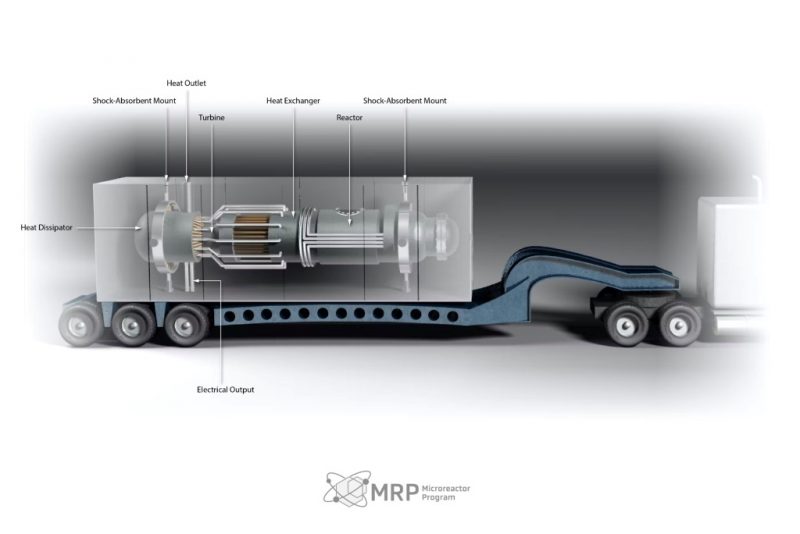
The biggest killer in modern logistics isn’t the enemy; it’s the fuel convoy. Trucking diesel to forward operating bases is dangerous, costly, and loud. The Army’s solution? Stop bringing the fuel.
In December 2025, the Department of Defense reached a milestone with Project Pele, taking delivery of the first fuel for its portable nuclear microreactors. These aren’t the massive cooling towers you see on “The Simpsons.” They are self-contained, safe “nuclear batteries” designed to fit inside standard shipping containers.
You drop it at a remote base, flip the switch, and it powers the entire grid for years without a single tanker truck ever passing through the gate. It effectively bypasses the most vulnerable part of the supply chain.
4. The “Vampire Kit”: Synthetic Freeze-Dried Blood
Ask any medic what their biggest nightmare is, and they will tell you it’s the “Cold Chain.” You can’t carry bags of whole blood in a rucksack for a week; it’s gross. They also need refrigeration. That means when a soldier starts to bleed out in a remote valley, the clock is ticking on the helicopter.
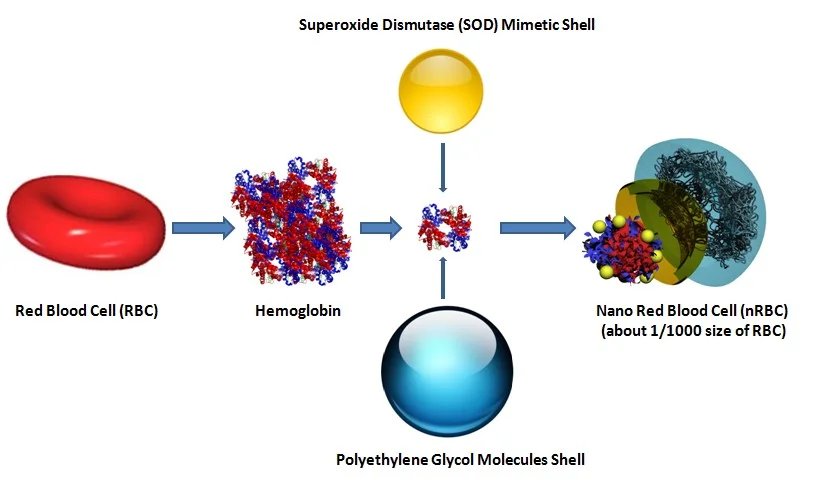
That changed this year. Trials for synthetic blood and “freeze-dried” plasma ramped up globally in 2025, with researchers receiving massive grants to finalize the “Nano-RBC” (Red Blood Cell). This powder will mimic the oxygen-carrying capacity of real blood but can be stored at room temperature for years.
A medic doesn’t need a fridge anymore; they just need a bag of saline solution to mix it with. It’s literally the “just add water” miracle that turns every infantryman’s aid kit into a walking blood bank.
5. The Invisibility Cloak: HT4 Thermal Camouflage
Night vision used to be the ultimate advantage. If you owned the night, you won the fight. But thermal optics, which see body heat, made hiding impossible. You can’t turn off your body heat.
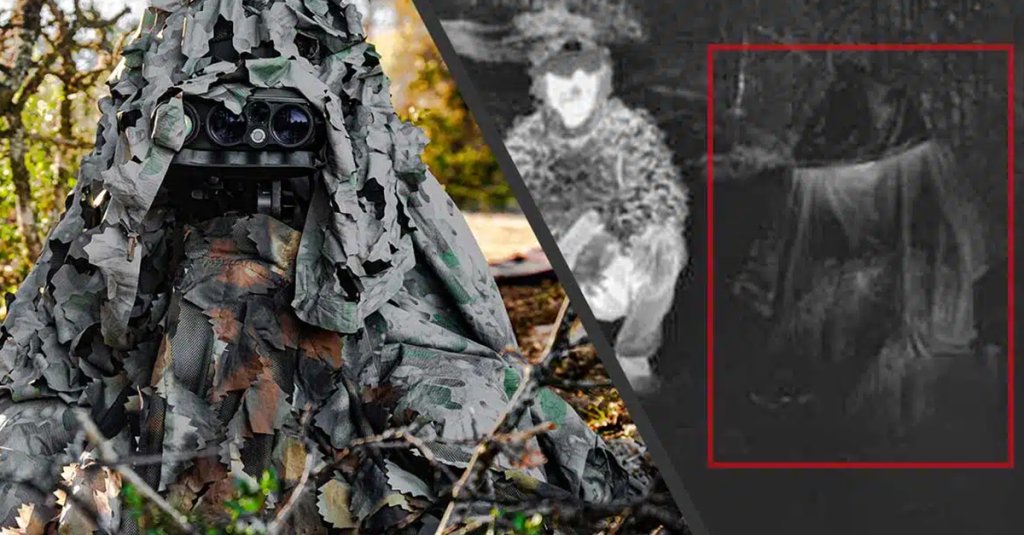
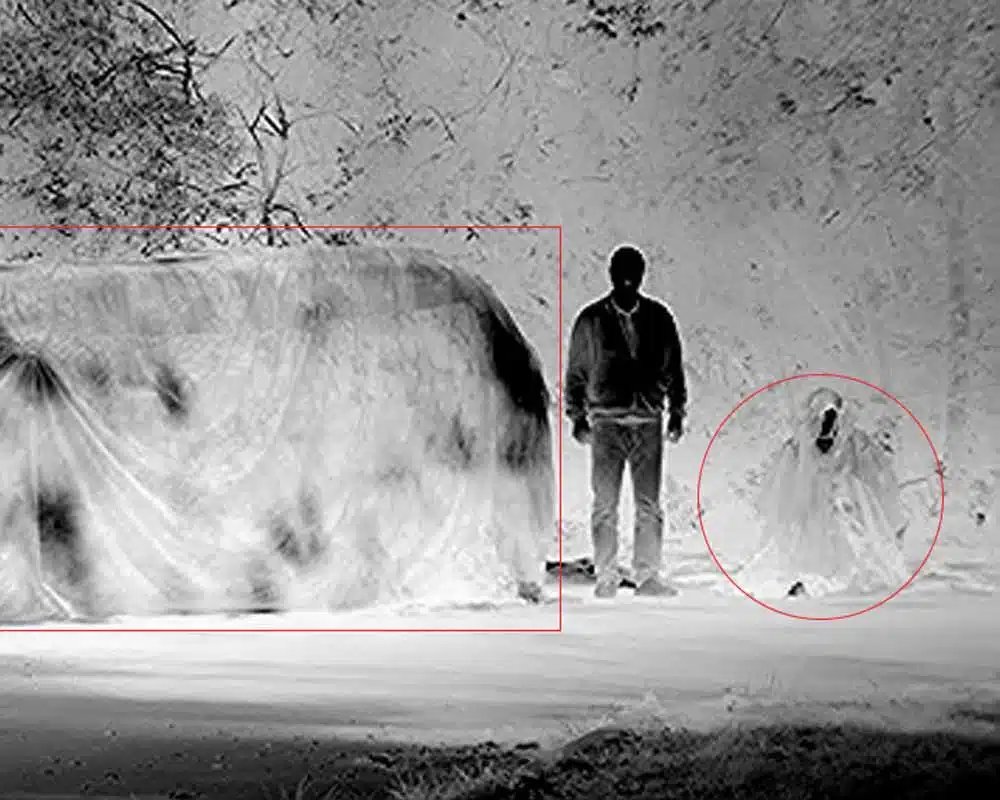
Until now, that is. Late in 2025, breakthroughs in adaptive thermal materials, like the HT4 system tested in Europe, introduced the magical idea of the “thermal invisibility cloak“. These materials don’t just block heat; they can adapt to the ambient temperature of the background. If you are standing in front of a cold rock wall, the cloak cools your signature to match the rock’s temperature.
Think of it as a real-life Harry Potter invisibility cloak, effectively erasing a soldier from thermal sights, blinding the eye in the sky of modern drones. The Predator just became the prey.
It is easy to look at this list and think we are entering a video game era of warfare. Lasers that don’t run out of ammo? Backpacks that replace fuel convoys? It sounds clean. It sounds efficient. Although maybe don’t let the press releases fool you.
The reality of 2026 is that the battlefield just got infinitely more unforgiving. We are handing 19-year-olds the power to control nuclear batteries and orbital-class drones. Still, we are also asking them to survive in a world where thermal cloaks make enemies invisible and cheaply made, advanced drones give you zero warning.
The margin for error is thinning rapidly. The era of the hyper-competent, tech-literate warfighter has begun. The gear is smarter than most of those who will use it; the weapons are faster, but ultimately it comes down to a filthy, sleep-deprived human making a decision that a computer just cannot. The tools are changed, but the job description remains the same: adapt and overcome.