

A lot gets said about “America’s porous borders,” especially in an election year. Forget for a moment about the argument about whether or not a bigger wall would be effective along the U.S.-Mexican border (and forget about who is going to pay for it).
The boats, horses, and troopers of the Border Patrol weren’t originally meant to be on guard against illegal Mexican immigrants, drugs, and guns from coming over the southern U.S. border; they were formed to keep the American southwest free of illegal Chinese immigrants.
The Border Patrol is no joke. The agency has tens of thousands of Congressionally mandated agents covering a staggering 19,000 miles across the U.S.’s northern and southern borders, as well as the Caribbean. It has its own SWAT team, special operations units, and search and rescue teams. They are required to complete a 13- to 21-week basic training course (depending on the trainee’s proficiency in Spanish) and then undergo 12 to 16 weeks of field training at their first duty station – just to earn the title of “agent.”
In 1904, the newly created Border Patrol was known as the Mounted Guards. Operating out of El Paso, Texas, 75 horsemen scanned as far west as California in an attempt to stem the tide of Chinese immigration.
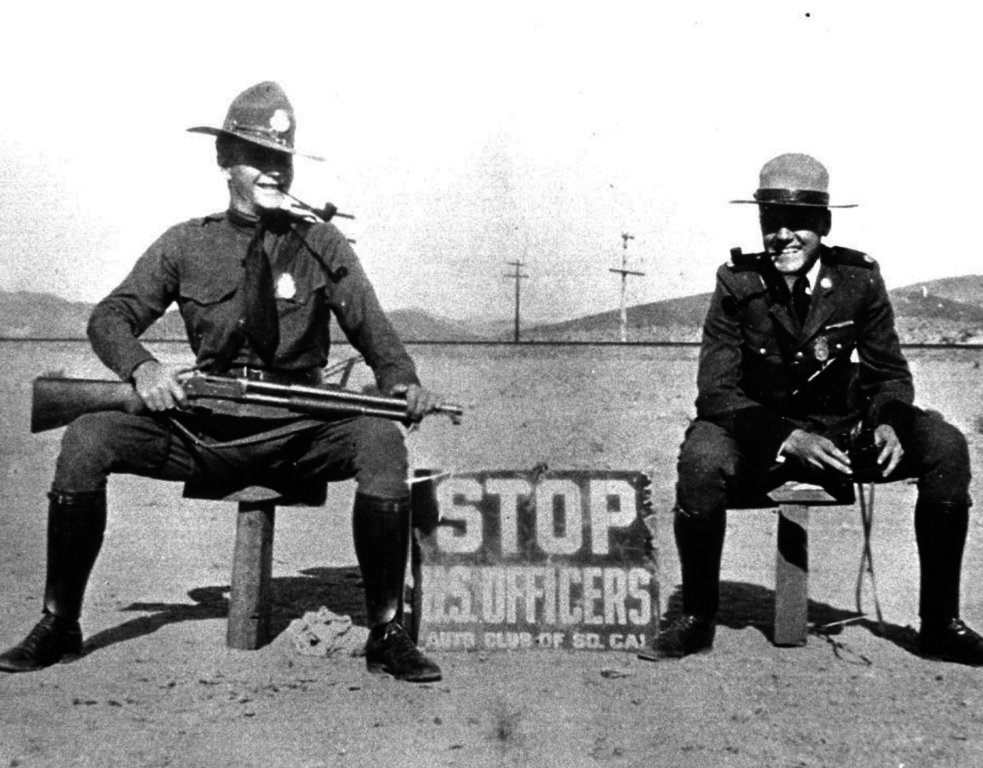
During the Gold Rush and the construction of the Transcontinental Railroads, Chinese laborers were welcomed to the U.S. in large numbers. After the economic booms of the post-Civil War years and the end of the Gold Rush, the once-welcomed source of cheap labor lost its appeal, and public opinion quickly turned sour. So, around the turn of the 20th Century, Congress passed the Chinese Exclusion Act, which restricted immigration from China.
A mix of these Mounted Guards, U.S. troops, and Texas Rangers kept an eye out for the then-unwanted immigrants. These watchmen patrolled the border regions as early as 1904, but there were only 75 of them working along an area that spanned from Texas to California. In 1915, the Mounted Guards were reorganized as Mounted Inspectors and gained congressional authority.
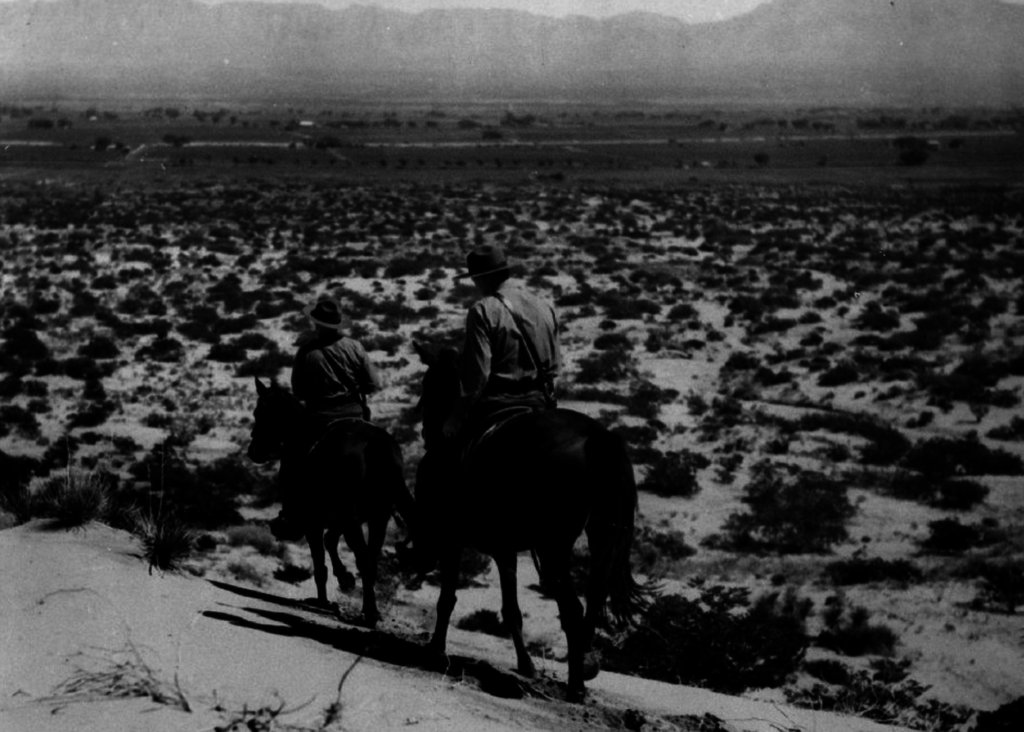
In those days, catching the slew of customs violations was more important than cutting off illegal immigration. The Border Patrol, as we know it, was established in 1924 in response to the 18th Amendment, which prohibited the manufacture, importation, and sale of alcohol. The Immigration Acts of 1921 and 1924 also marked increased efforts to control the entry of immigrants and goods into the United States. It was the Labor Appropriation Act of 1924 that established the Border Patrol as the official agency responsible for securing the border between inspection stations.
With Prohibition, defending the northern border became as crucial as protecting the southern border. Based in Detroit, the northern area had to cut illegal immigration as well as the illegal import of Canadian Whiskey. The American government authorized 450 agents to patrol all of America’s borders, but with the rise of bootlegging and smuggling associated with alcohol and organized crime, the focus of the Border Patrol was on Canada, not Mexico.
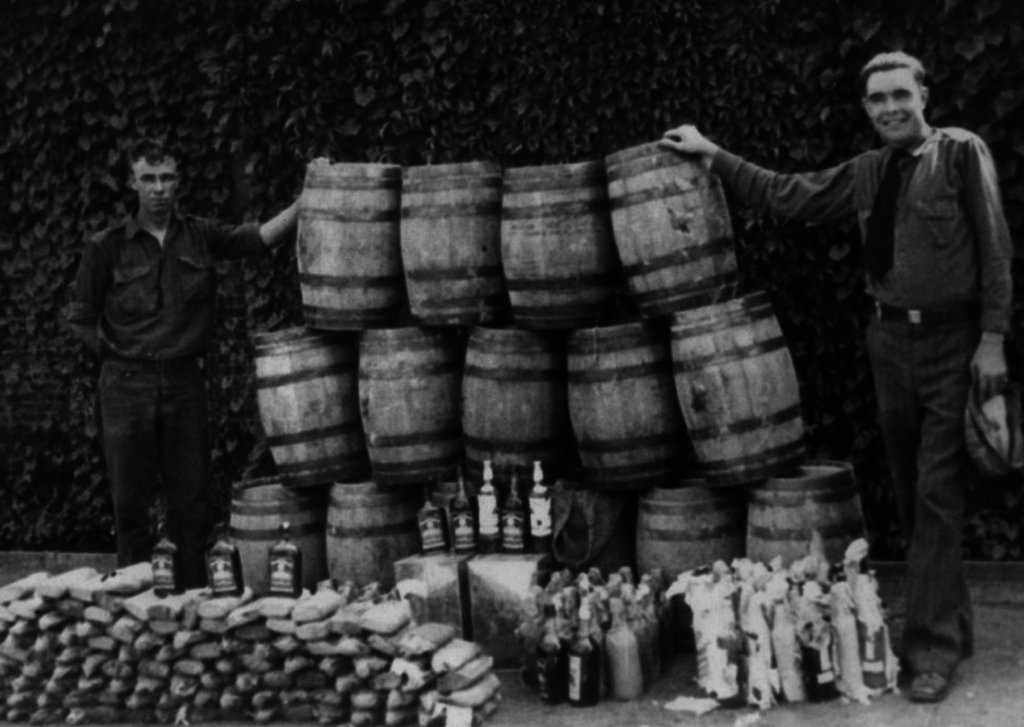
Smugglers still brought booze in across the southern border; there just weren’t as many federal agents available to catch them crossing the Rio Grande. Early Border Patrol agents received a badge and a sidearm, but they were required to provide their own horses and saddles. They didn’t even get official uniforms until 1928.
It was in 1952 that the Border Patrol was granted the authority to arrest illegal immigrants anywhere in the United States. That same year, the agency’s focus shifted from the northern border to the south, as the bulk of the Border Patrol was relocated to the Mexican border.
Don’t Miss the Best of Mighty History
We Are The Mighty is a celebration of military service, with a mission to entertain, inform, and inspire those who serve and those who support them. We are made by and for current service members, veterans, spouses, family members, and civilians who want to be part of this community. Keep up with the best in military culture and entertainment: subscribe to the We Are The Mighty newsletter.