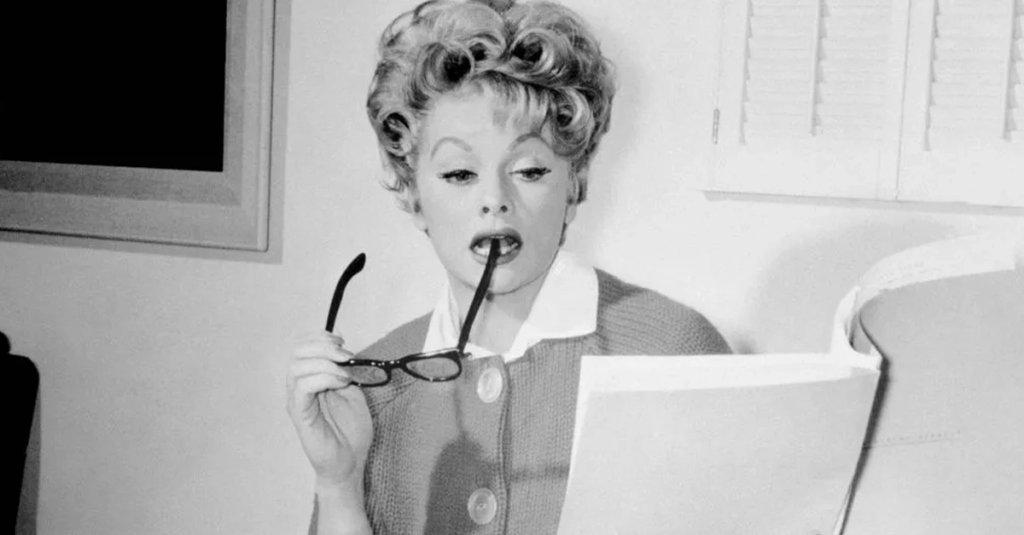
Lucille Ball spent most of her life turning chaos into comedy. But one of the strangest stories tied to her name isn’t about a sitcom stunt or a studio fight. It’s about late-night driving in Los Angeles, temporary dental fillings, and what turned out to be a Japanese radio signal coming from inside her mouth.
Also Read: This Army dentist died mowing down 98 attacking Japanese soldiers
That story, which Ball shared publicly in the early 1970s, sits alongside a career that helped build modern television. Ball wasn’t just the star of “I Love Lucy.” She was a Hollywood fixture whose working life stretched from the tail end of the silent era to the age of home video, cable, and satellite television. She arrived in Tinseltown in 1929, stayed in the game for decades, and changed the rules for women in entertainment along the way. But she didn’t need a scriptwriter for her unforgettable World War II spy tale.
No one would believe a story like that if it were on TV, anyway.
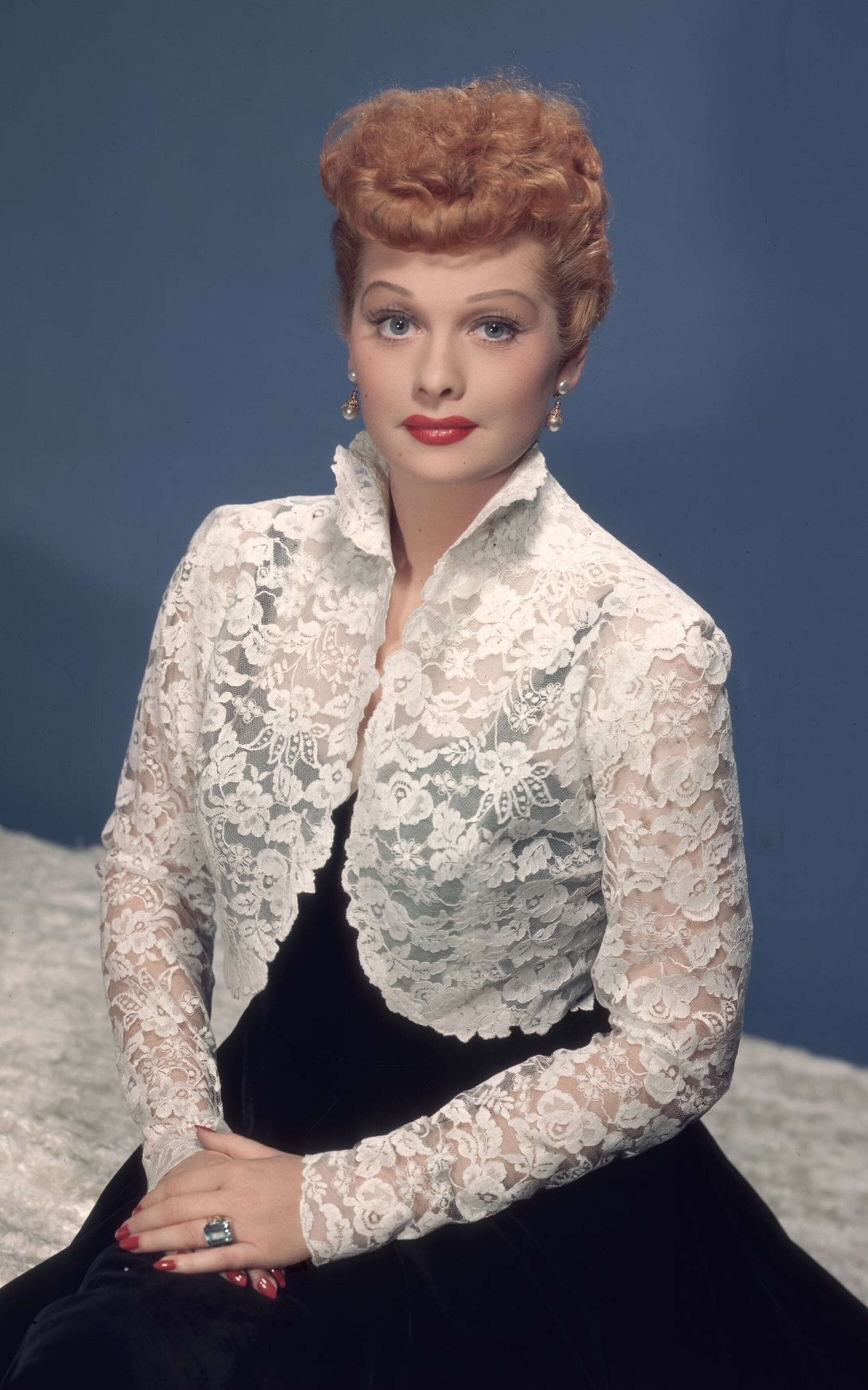
For a few minutes in the early 1940s, she said her mouth basically turned into a radio, like some low-budget spy gadget that accidentally wandered onto the set of a Hollywood comedy.
That’s the story Ball told on “The Dick Cavett Show” in the early 1970s, and it’s the kind of tale that’s so weird you remember it forever, even if you’re not sure you believe every mechanical detail. Either way, it perfectly fits the era: wartime Los Angeles, blackouts, paranoia, studios with their own security offices, and a superstar who swore she stumbled into something bigger than herself.
By the time Ball described this on television, she was already an American legend, the face of “I Love Lucy,” and a powerhouse who didn’t just act but ran the machinery behind the scenes. Her career began in Hollywood in 1929 and stretched across the silent era’s last gasps, talkies, television, and the later world of home video, cable, and satellite TV. She also broke ground as the first woman to run a top television studio.

That big legacy matters here for one reason: Ball wasn’t some random person chasing attention. She was a working legend who spent decades in an industry built on illusion, which makes it more interesting that she told this story as something that genuinely rattled her.
The story goes back to the 1940s, when she had fillings put in her teeth. According to Ball, the dentist put in temporary fillings that, at the time, were made of lead. Not one, either. She said she had several temporary fillings in both her upper and lower jaw. Then she went on with her life until one night, on a long drive through Los Angeles, the fillings allegedly went operational.
Ball said she was driving alone around 1:15 a.m. It was early morning, the roads were quiet, and she still had a long way to go. That’s already the perfect setting for your brain to start inventing problems, the way it does when you’ve been awake too long, and every shadow looks like a problem with intent.
Then she heard music.
Not a faint hiss or a random squeal. Music. She described it as having a great beat. Her first move was the normal move. she looked down to shut off the radio.
Except the radio wasn’t on.
That’s the moment where a normal person stops thinking about music and starts thinking about who’s behind them, because nothing good ever starts with a mysterious sound at 1:15 a.m. Ball said she looked around to see if anyone was following her. The music didn’t fade. It got louder and louder.
And then she said she realized it was in her mouth.

Crazy story with Lucille Ball discovering a Japanese spy communications morse code in her mouth
Ball described the shock of understanding that the sound wasn’t coming from the dashboard or the street or another car. It was coming from her. She said she recognized the tune, and then it started to fade away. Her reaction was not polished celebrity banter. It was blunt, human disbelief. What the hell was that? How could it possibly be happening?
Even told years later on a talk show, you can hear the shape of the original fear in it. Not panic screaming, but that tight, confused alarm where your brain is trying to write a rational explanation and keeps coming up empty.
Ball said she went back to MGM the next morning and reported what happened to the studio’s security office.
In the early 1940s, movie studios weren’t just workplaces. They were institutions with their own internal systems, including security operations that took wartime concerns seriously. Ball didn’t tell the story like she called a friend and laughed it off. She described it like she flagged a real issue. From there, she said, the security office passed the information to authorities.
Ball said authorities found an underground Japanese radio station.
Her late-night drive and a mouth full of temporary fillings helped point officials toward a hidden radio transmitter. She was in Hollywood, far from any battlefield, but she believed she had still helped foil enemy activity, just by being unlucky enough to have the right dental work and a long commute.
Don’t Miss the Best of We Are The Mighty
• This Medal of Honor recipient came up with the idea for the Super Bowl
• The best in military entertainment from 2025 (and what sucked)
• Your guide to the most watchable Hallmark Channel holiday movies