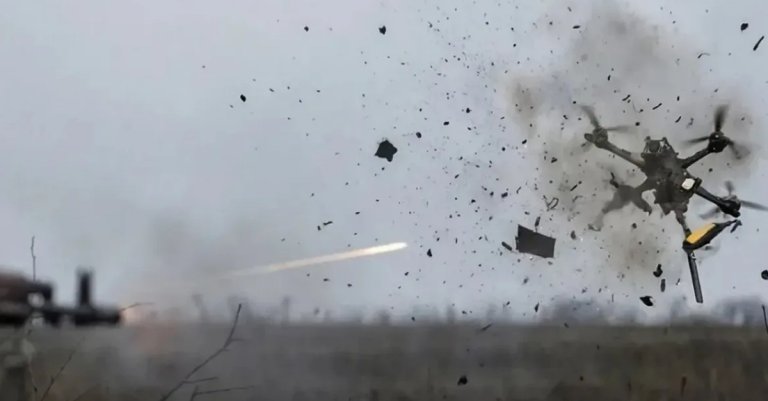
If you listen closely to the sounds coming from the Donbas on this frigid Winter day, you won’t just hear the whistle of incoming 152mm shells or the persistent buzz of drone engines in the sky. You will hear the sound of Ukrainian men and women’s fingers tapping away, in a muddy dugout near Bakhmut, as they stare at a cracked tablet screen.
These warriors aren’t scanning Netflix or a social media profile. They are looking at a leaderboard. To the left of the screen, a stack of empty crates represents the “freedom weight” of a unit that has run out of thermal optics.
Also Read: The grunt’s 250-year quest for a weapon that actually works
To the right, the DELTA system, a digital heart used by over 200,000 on the Ukrainian front, pings with a confirmation. One Russian T-72, spotted by a scout and finished by a loitering munition, has just been “cashed in” for forty points.
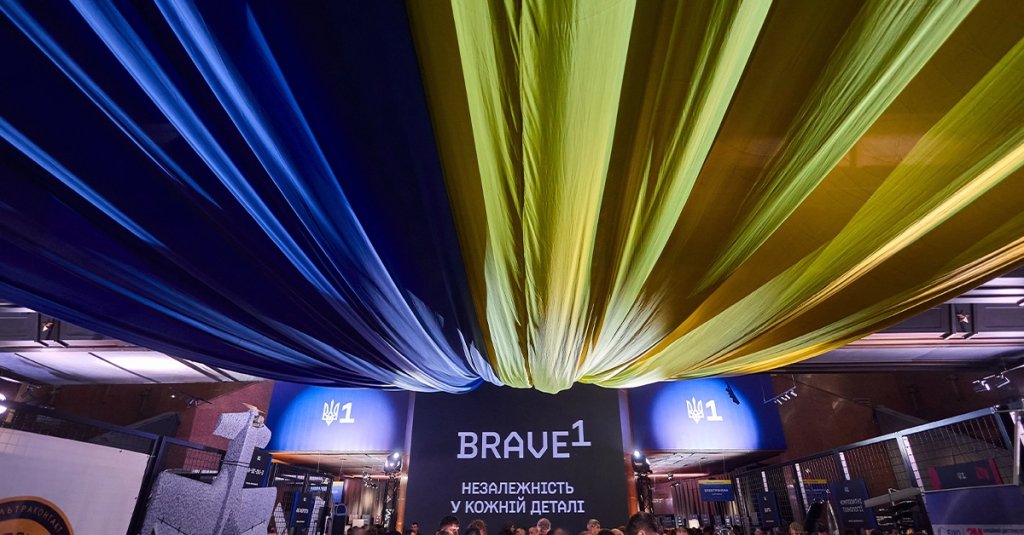
In the Brave1 Market, that is a down payment on a fresh stack of FPV drone interceptors. This is the new ePoint economy, a system that has turned the grim business of attrition into a high-stakes version of a tactical loadout screen. While the rest of the world’s militaries are still filling out triplicate forms to request a single night-vision optic, Ukraine has decided that reality demands a faster loop, and why not make it fun, if possible?
Simplicity is the game here; if you can prove the kill, you get the gear. It is the ultimate form of progressive overload: the more lethal you are, the more tools of lethality you are given to carry. It isn’t fancy, and it doesn’t look like a recruiting commercial, but in 2026, it is the only way to keep the wheels from falling off the war effort.
The Scoreboard of the Steppe
The Brave1 Market operates on a cold, calculated logic. The “Army of Drones: Bonus” program has assigned a literal value to every piece of Russian hardware and personnel on the map. As of early 2026, the exchange rate is fixed but adjusted for tactical priorities at the time.
A standard infantryman could be worth six points. A tank used to fetch forty (they are worth less now since Russian tanks are not considered a high-value target at the moment). A mobile rocket system or a high-value electronic warfare suite can net a unit seventy points or more. Evacuating wounded friendlies? You are looking at possibly 120 points. These aren’t just numbers on a screen; they are quickly becoming the means of survival for those who need them most.
To everyday citizens, this looks like the “gamification” of slaughter, a generation raised on digital shooters applying those same mechanics to the mud of Eastern Europe. But for the veteran who has spent years watching requisition forms disappear into the void of the Defense procurement, the scoreboard is more about readiness.
Every point must be verified through the DELTA system, a cloud-based battlefield management tool. No payout occurs without a timestamped, geo-located video feed of the impact. This requirement for proof has effectively cauterized the traditional wounds of corruption and exaggerated combat reports.
If the drone feed doesn’t show the target burning, the points don’t hit the wallet. It forces a level of tactical honesty that is entirely foreign to Soviet-style command structures, while providing assurances to the world that only valid military targets are being hit.
“Walmart” vs. the Military Industrial Complex
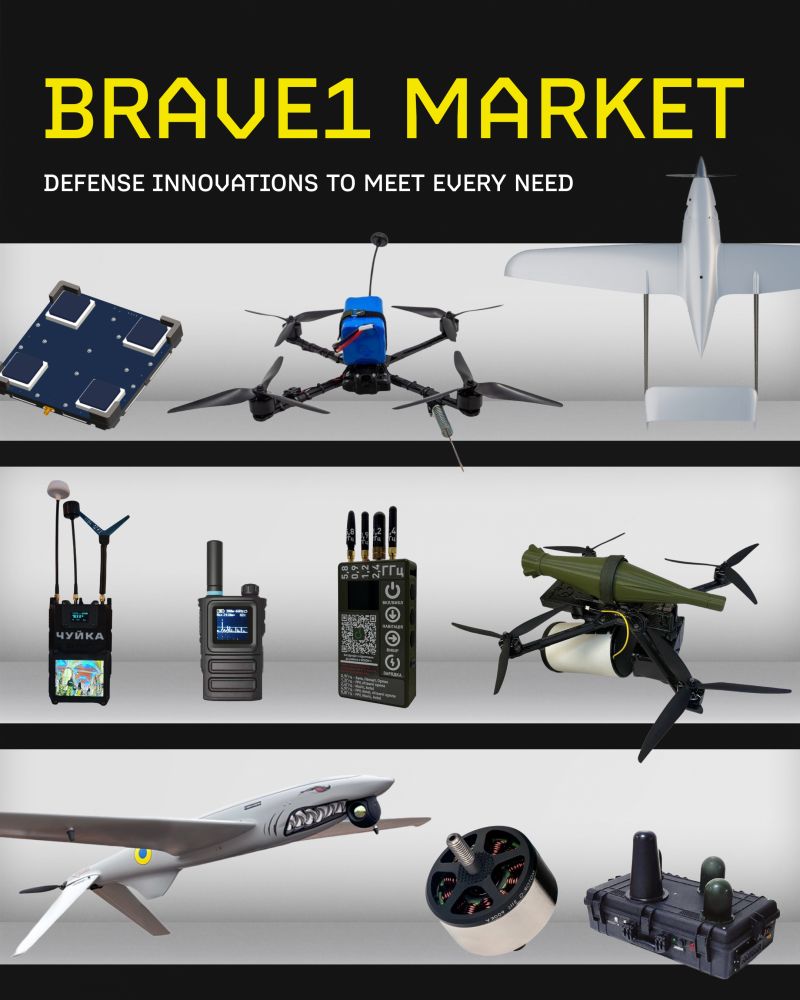
Ukrainian Brave1 Market has spent the last year proving that the only equipment you need to become lethal is a stable uplink and the technical proficiency to manage a drone swarm. By allowing units to “buy” directly from manufacturers using their earned points, Ukraine has bypassed the standard procurement bottleneck.
Utilizing this model, the mission itself becomes the only variable. A commander in the 47th Separate Mechanized Brigade doesn’t need to beg a general in Kyiv for a specific sensor upgrade or a new batch of signal boosters; they simply check their unit’s ePoint wallet. If they have been effective on the line, they have the capital to bypass the red tape.
This Walmart-of-War model has disrupted the traditional relationship between the soldier and the state. In the old world, the soldier was a passive recipient of whatever gear the central command deemed sufficient. In the Brave1 economy, the soldier is a consumer. They choose the tools that work in their specific sector.
If a certain model of drone is constantly failing in the electronic warfare environment of the south, the soldiers stop buying it. The points will flow elsewhere. This market pressure forces manufacturers to innovate or go bankrupt.
It is a Darwinian cycle that ensures the hardware in the trenches is what is actually working today, not what a lobbyist promised would work three years ago.
The Darwinian Leaderboards
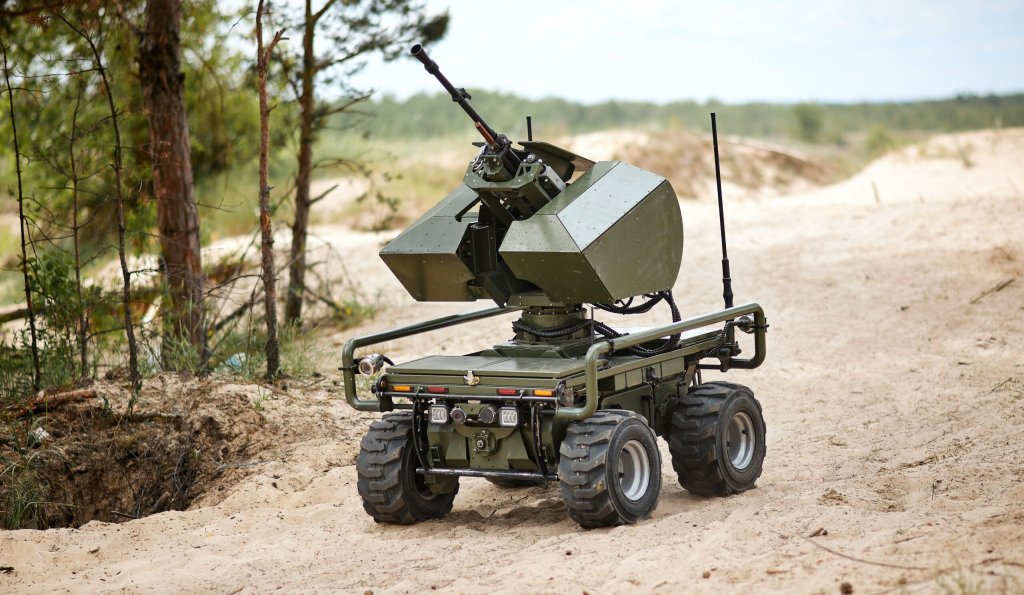
Evolution over time has created a “Unit Leaderboard”, born out of pure survival instinct, one taken so seriously that it has begun to shift the internal power dynamics of the Ukrainian Armed Forces. Elite units like the “Birds of Magyar” occupy the top slots, not because of their seniority, but because they have mastered the technical return on investment of modern warfare.
These are the professional Ukrainian warfighters who understand that every drone launch is a financial and tactical investment. They aren’t waiting for a centralized distribution center to decide when they deserve more gear; they are earning it through a constant cycle of engagement and replenishment.
However, this competition isn’t just about vanity. The frontline is a place of constant anxiety, where the technical edge can evaporate in a single afternoon of Russian jamming updates. The market fuels a cycle where the units that are most effective at utilizing their gear earn the points to get better gear, while less effective units find themselves relegated to the back of the queue.
Emerging from the ashes are “Super-Brigades”, units that are so well funded by their own performance that they operate almost as independent military entities. They have their own R&D labs and their own direct lines to manufacturers, fueled entirely by the ePoints they harvest from the Russian invaders.
The Manufacturer’s Real-Time Loop
The most profound shift in 2026 isn’t just how soldiers buy weapons, but how those weapons are built. Through the “Brave1 Dataroom,” private companies now have a direct feed into the performance analytics of their products. When a manufacturer’s drone is used in a strike, the data, success or failure, is uploaded to a secure dashboard. They aren’t looking for polite reviews; they are looking to see why their product failed to trigger an ePoint payout.
If a specific model of interceptor drone fails to secure a “kill” because of a frequency-hopping issue, the engineers in Kyiv or Warsaw see it within hours. Gone are the days of waiting weeks for a quarterly report or a formal military inquiry. A vulnerability found on Monday is patched in the software by Wednesday and shipped in a new hardware revision by the following week.
By creating a positive reinforcement feedback loop, Ukraine has cleverly eliminated the multi-year development cycles that plague Western procurement. Manufacturers are no longer building for a hypothetical requirement; they are building for the scoreboard. They see exactly what their products are worth in ePoints, and they continue innovating until they are the most valuable asset in the market.
A Moral Counterbalance
Critics of the system will point to the “video-game” optics as a descent into ritualized slaughter. However, the Brave1 Market contains a specific tactical and moral counterbalance: the Capture Incentive. As of 2026, the value for a captured Russian soldier, a live prisoner, is significantly higher than the bounty for a kill. A surrender is worth sixty points, nearly ten times the value of a kinetic engagement.
Sentimentality, we’d wager, wasn’t in the thought process when creating this distinction. For the sake of brevity, let’s say it solves two issues: one is the psychological effect on the soldiers; no need to create a Pavlovian response to death and destruction if it can be avoided. The second is a little more sinister in nature, but tactically sound. It is a cold, calculated move to bolster the prisoner exchange fund.
Live prisoners are really the only currency that can buy back Ukrainian Prisoners of War. By placing a premium on captures, the market ensures that the infantry doesn’t lose sight of the long-term strategic goal for the sake of a quick “score” on the leaderboard.
It keeps the tactical focus on intelligence and leverage, and less on cartoonish violence, turning the “gamified” battlefield into a tool for repatriation, maybe even a form of compassion. Thus, proving that even in a world of digital points and autonomous drones, the human element remains the sought-after prize.
Reality Demands Results
The Brave1 Market is not some “rad innovation” or tech-bro experiment; it is a desperate, yet effective response to a war of attrition that has outpaced the traditional world. It is the first time in history that the “ledger of war” has been put directly into the hands of the people fighting it. It ensures that the only easy day was yesterday, and that tomorrow is only guaranteed by the successes you earn today.
The goal of all this, the DELTA syncs, the ePoint wallets, and the real-time manufacturer dashboards, is to ensure that the Ukrainian soldier is fully mission-capable for the next day. It is about building an army that won’t quit, using the only equipment that reality currently demands. In the future, that equipment isn’t just a rifle and a ruck; it’s a shopping cart fueled by the wreckage of any invading enemy.
Don’t Miss the Best of We Are The Mighty
• The M72 LAW: the tube that toughened the Infantry
• How extremely cold weather can destroy the military’s best-laid plans
• The Mk-19 grenade launcher and how it helped shape the War on Terror