Not all oil is created equal, and Venezuelan crude is about as different from typical American light oil as heavy molasses is from a bottle of gasoline. That difference shapes everything from how refineries are built to how much it costs to turn crude into fuel to whether U.S. companies even want those barrels in the first place.
Related: How the US deleted Venezuela’s air defenses so quickly (and why the real war might be starting)
Venezuela sits on enormous oil reserves, especially in the form of extra-heavy crudes in the Orinoco region. On paper, it’s one of the largest hydrocarbon resource bases in the world. But years of mismanagement, corruption, and underinvestment at the state oil company have taken a toll. Production capacity has fallen, equipment has deteriorated, and critical infrastructure for handling extra-heavy crude, such as upgraders and pipelines, has struggled to remain operational.
Refineries (at least those built by American companies) are designed with specific crude slates in mind, and the decisions about which oil to run are shaped by engineering limits, market prices, and strategic risk. Refining Venezuelan oil requires considering all three.
Venezuelan crude is dense, sour, and complicated, but also abundant. American light crude is easy to work with, but not every refinery is optimally set up to run only light barrels. The real decisions live in a gray zone between what’s technically possible and what’s economically viable.
Sweet and Sour Crude
Most of Venezuela’s oil, especially from the Orinoco Belt, is classified as heavy or extra-heavy crude. In technical terms, it has a low API gravity. In practical terms, it’s thick, dense, and reluctant to flow. When it goes into a refinery, it doesn’t naturally yield a high share of the products people care about most, which are gasoline, jet fuel, and diesel. A larger portion of the barrel stays in the form of heavy residual material that must be aggressively broken down.
Venezuelan crude is also usually “sour,” which means it has a relatively high sulfur content and elevated levels of metals and other contaminants, which are far from harmless to refining mechanisms. They corrode equipment, poison catalysts, and force refineries to spend more money on hydrogen, energy, and cleanup processes to meet modern fuel and emissions standards. The result is more complexity and higher operating costs for anyone trying to run those barrels.
By contrast, much of the oil the United States produces today, especially from shale fields like the Permian Basin, is light, “sweet” crude. It flows easily, contains relatively little sulfur, and when it’s heated in a distillation column, a large share of it boils off into valuable middle and light products. That means less work is required to turn it into the fuels that actually sell.
From a refiner’s point of view, a barrel of extra-heavy Venezuelan crude and a barrel of West Texas light sweet may both be “oil” on a spreadsheet, but they behave like two completely different substances once they hit the plant.
If Venezuelan crude is so challenging, it raises a natural question: Why has the United States ever bothered with it? The answer is that some American refineries, especially along the Gulf Coast, were deliberately built to profit from the ugly, difficult stuff.
Refining “Texas Tea”
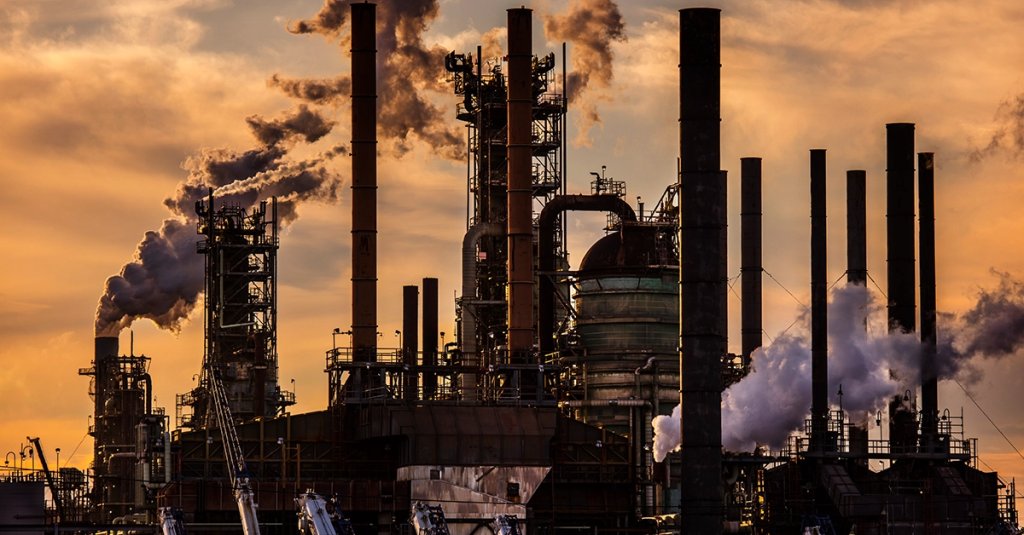
Refineries are not all the same. Simple refineries can take light crude, separate it into basic fractions, and do modest cleanup. More complex refineries, on the other hand, are equipped with cokers, hydrocrackers, and large hydrotreaters. These units can take the heaviest, least valuable parts of the barrel and crack, rearrange, and clean them until they turn into high-value fuels that meet modern specifications.
Those complex units are expensive to build, but once the capital is sunk, they give a refinery a powerful advantage. They allow the plant to buy cheap heavy crude at a steep discount, run it through high-end equipment, and sell the resulting gasoline, diesel, and jet fuel at the same price as fuel made from high-quality light crude. The profit lies in that spread between buying something difficult and selling something refined and standardized.
For decades, many Gulf Coast refineries did exactly that with heavy crude from Venezuela, Mexico, and Canada. When sanctions on Venezuela tightened and production there declined, those refineries did not tear out their cokers and hydrocrackers. They simply leaned harder into other heavy grades, especially from Canadian oil sands and Mexican Maya.
That history is important because it shows that refining Venezuelan crude is not inherently too expensive or impossible. For the right plant, with the right equipment already in place, those barrels can boost margins rather than wreck them. The key is whether the crude is discounted enough to justify the extra work and complexity.
“Stealing” American Oil

Trump claims Venezuela oil was 'stolen,' US companies to rebuild infrastructure after Maduro capture
When President Donald Trump says Venezuela “stole” American oil, he’s talking about the country’s decision to seize and nationalize oil projects that U.S. companies helped build and operate inside Venezuela. For much of the 20th century, American and European firms invested money, equipment and expertise there under concession and joint venture deals.
Beginning with nationalization in the 1970s and accelerating under Hugo Chávez in the 2000s, the Venezuelan state pushed foreign firms into new terms, took over assets and fields when companies refused, and triggered a series of high-dollar legal fights and arbitration awards. From the perspective of those companies, Venezuela grabbed projects and infrastructure they paid for and developed.
What Trump’s phrase leaves out is that the oil in the ground has always legally belonged to Venezuela, not the United States. The disputes are over contracts, facilities, and investment rights, not over a foreign government sneaking into Texas and pumping out American crude. By framing the expropriation of corporate assets as Venezuela “stealing our oil,” he’s really talking about contract disputes, not a literal description of U.S.-owned oil or oil fields being physically stolen.
War for Oil?
U.S. refiners don’t live in a vacuum. Heavy sour crude is available from other sources, including Canadian oil sands, Mexican Maya, and various Middle Eastern grades, depending on global trade flows.
Before the ouster of Venezuela’s Nicolas Maduro, the country’s crude oil was a complex, risk-heavy option in a world where other heavy barrels were available. Some American refineries are built to handle exactly that kind of crude and can make good money doing it as long as discounts, logistics, and regulations line up in their favor. Others had (and still have) no reason to touch it.
When you put it all together, Venezuelan crude is neither a technical taboo nor automatically a bad deal.
The only places where Venezuela’s oil becomes unappealing to American oil companies is at refineries not designed for Venezuela’s heavy, sour barrels. A simple or mid-complexity plant that tries to run a lot of Venezuelan crude can expect poor yields, rapid catalyst damage, and a product slate that’s hard to sell. Those operators will avoid extra-heavy crude unless it’s heavily blended with lighter barrels, and even then, will be cautious about how much they take.
For a well-equipped American Gulf Coast refinery, Venezuelan crude can be a profitable feedstock.