When the United States becomes embroiled in any ongoing conflict (not just a new Middle Eastern conflict), it inevitably stokes conscription fears among American civilians. They start to wonder if they’ll be drafted, if their sons will be drafted, and what (if any) draft exemptions are possible.
Also Read: 11 ways Americans dodged the Vietnam War draft
White House Press Secretary Karoline Leavitt didn’t help allay any anxiety or fears of a draft when she refused to tell Fox News’ Maria Bartiromo that President Trump isn’t planning to use ground troops in Iran. Bartiromo was the one who mentioned a draft, but Leavitt didn’t address that part of the question.
“President Trump wisely does not remove options off of the table,” the Press Secretary said on March 8th’s “Sunday Morning Futures.” She also added that a draft is “not part of the current plan.”
It’s probably not a great feeling for mothers and sons watching the Iran conflict unfold. At least one mother told Leavitt to take a hike.
The United States hasn’t used a draft since December 1972, and those men were inducted by June of 1973. We’ve been all-volunteer and just as lethal ever since, no matter what anyone tries to tell you.
Still, American males are required to register with the Selective Service System in case of a military need, and this is probably one of the main drivers of draft fears: they already have a list.
Here’s what happens if and when the U.S. starts a draft, and it happens fast. The system is designed to induct some 100,000-plus draftees within 193 days.
1. Congress has to approve a draft.
Article I, Section 8 of the Constitution grants Congress the power to “raise and support Armies” and “provide and maintain a Navy.” In practicality, the Commander-in-Chief controls the Defense Department and knows manpower needs.
During World War I, President Woodrow Wilson requested a draft. During World War II, Congress led the charge. During the Vietnam War, Presidents Johnson and Nixon used the Korean War-era Universal Military Training and Service Act to draft men into the military.
If something catastrophic occurred and the U.S. military was unable to recruit the numbers it needs to continue functioning, Congress would then have to amend the Military Selective Service Act (MSSA) and allot the funds.
This would allow the President of the United States to issue a proclamation ordering the induction of Americans into the U.S. military.
2. Selective Service comes online.
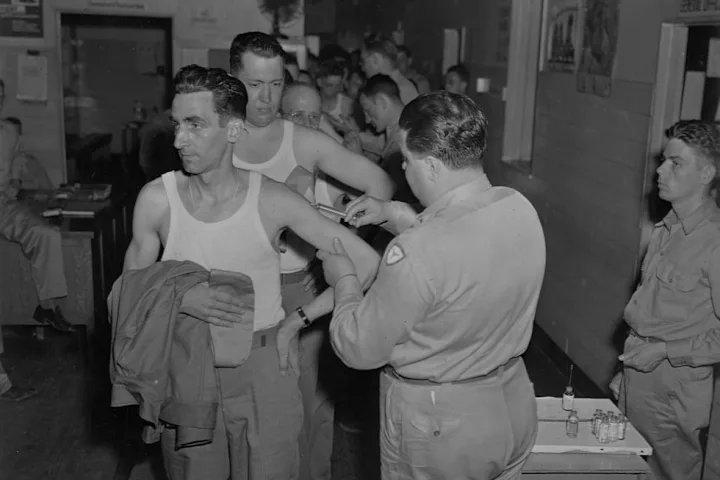
With the legislation (and money) in place, the Selective Service System (SSS) moves from a standby posture to operational mode. The SSS staff gets bulked up by pulling Reserve Force Officers (reservists assigned to the SSS) and retirees back into active roles.
Local SSS area offices, which are normally dormant during peacetime, are opened and staffed to administer the new draft and inductees. In peacetime, there are only 124 full-time SSS employees. But once activated, it becomes a bureaucratic monster in a hurry, because…
3. There’s a live lottery.
No, that’s not a joke. The reason is transparency. Selective Service describes it as a “publicly attended, nationally televised and live-streamed lottery… The lottery, a random drawing of birthdays and numbers, establishes the order in which individuals receive orders to report for induction.”
The first to receive draft orders are men whose 20th birthdays fall in the year drawn. Subsequent lotteries are held for ages 21-25, then 19 and 18. Men with the lowest lottery numbers are called up first.

4. Draftees get orders to report to MEPS.
After the lottery, induction notices go out, and draftees have to respond by either requesting their exemption or deferment, or reporting to MEPS for duty.
A visit to MEPS is one of the veteran’s most bizarre and fondest memories. Your local Military Entrance Processing Station (MEPS) might utilize the most elderly doctors the DoD can find to medically evaluate a draftee’s physical ability to serve.
They get a physical, which (allegedly) no longer includes the infamous “naked duck walk.” These days, recruits get the “underwear olympics,” one-on-one with a doctor, where they’re not allowed to wear most of their clothes. They should get used to this because privacy is not something they’re gonna know for a long time.
Draftees also take mental aptitude screenings, along with any other considerations that might disqualify them.
If a draftee has a medical condition that could disqualify them—say, Bone Spurs, as a totally random example—this is where the doctor would find out. It’s the first filter for rejecting people for service.
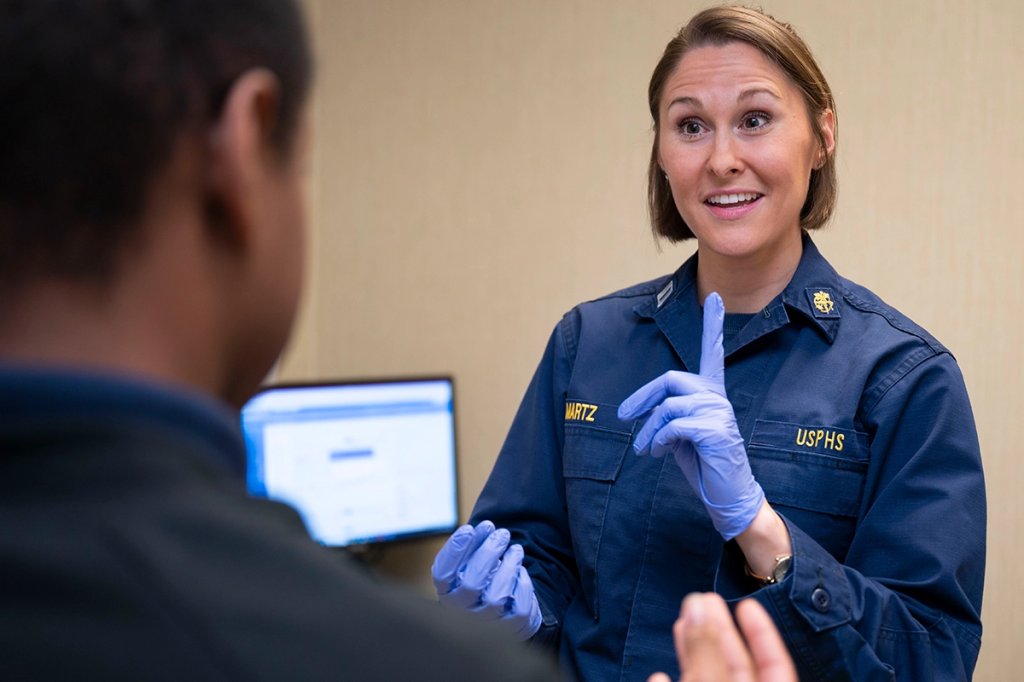
5. Local and district appeal boards are activated.
Those offices that were opened in Step 2 to induct new recruits have another function. Local and district draft and appeal boards are trained to process postponements, deferments, exemptions, and appeals. For anyone who wants to get out of serving for any reason and wasn’t disqualified mentally or physically, this is where the magic happens.
Your appeal board is where the paperwork for Conscientious Objector status, hardship, ministerial deferments, or any other exemption will be filed. You can get an in-person hearing where you show evidence and present your case. The local board will decide your classification, and you can appeal that to the district board. It’s like a jury trial for your military service.
6. The first draftees are inducted.
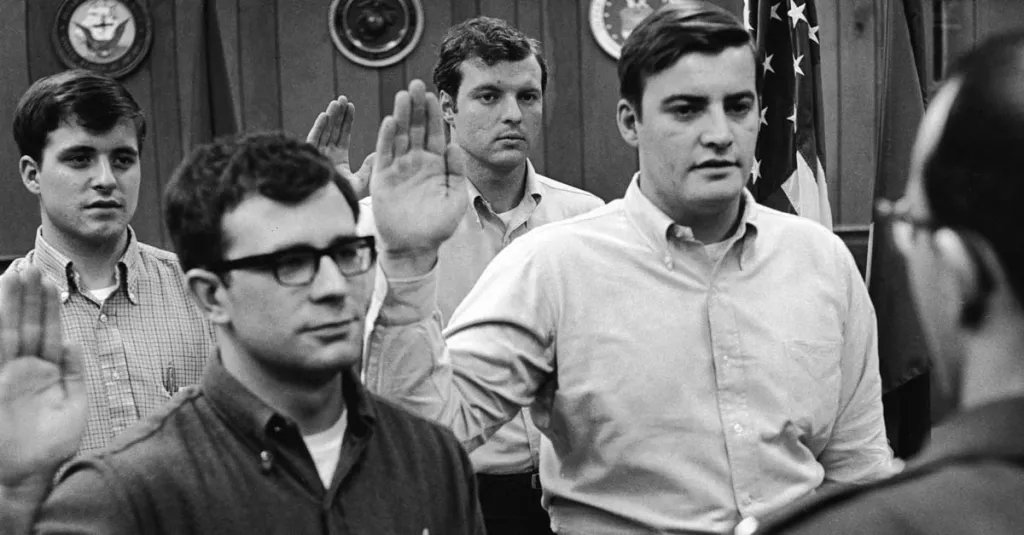
This is where draftees who can’t get out of it (or don’t want to) are conscripted into military service. They return to MEPS, take the Oath of Enlistment, and are handed off to their government-selected branch of service for basic training. SSS no longer owns them, the Department of Defense does.
You could also skip all of this and join a military branch of your choice, with the job you want to do.
Don’t Miss the Best of We Are The Mighty
• How to see if you would have been drafted to fight in Vietnam
• 5 terrifying things US troops faced in Vietnam’s jungles
• 8 of the most terrifying Vietnam War booby traps
Featured