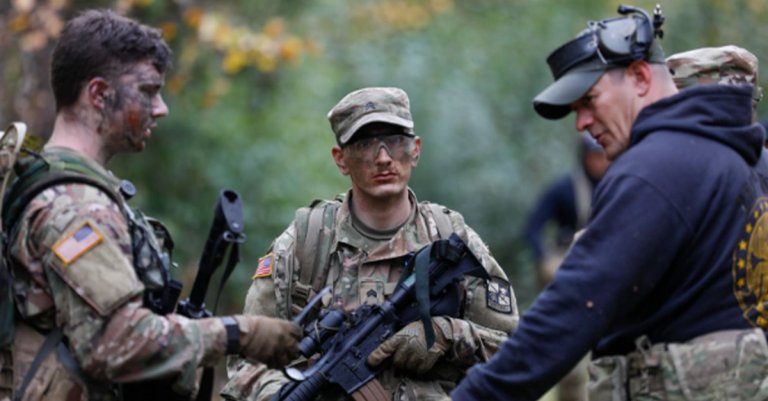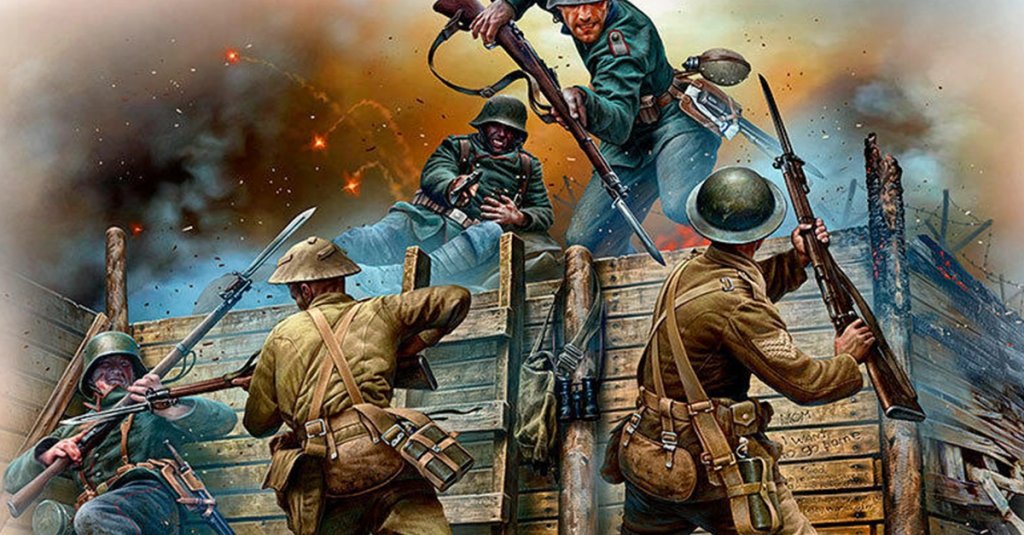
Every branch of the U.S. military calls it something different. It might be your “wingman” in the Air Force or your “shipmate” in the Navy. No matter what you call it, you and your battle buddy are a partnership forged in shared misery and mutual reliance. Your “battle” is the person who has your back in a firefight and checks you in the barracks. Even in post-military life, our battle buddy is someone who just checks in to see how we’re doing.
That bond is real, don’t let anyone tell you different. But before it became the cornerstone of unit cohesion and mental resilience, and before it was even called a battle buddy, the earliest formal versions of the concept weren’t about tactics, leadership, or even accountability at formation. It was about making sure your feet didn’t rot off.
Related: These crusader knights answered the call to fight World War I
The concept of soldiers watching out for one another is as old as war itself. Roman legionaries shared tents (and fates0 in eight-man squads called contubernium, the smallest unit of the Roman Army. Sentries have stood watch in pairs for millennia to combat fatigue, desertion, and the risk of being caught sleeping on the job. Throughout the 18th and 19th centuries, the mechanics of line fighting and skirmishing made the man beside you essential to your survival. He shoots while you reload, and vice versa.
But it was the nightmarish, stalemate warfare of World War I that institutionalized the buddy system as a matter of medical necessity.
Trench foot sounds like a problem you solve with a new pair of boots and a mild complaint to a medic. In reality, it’s a debilitating, nonfreezing cold, gangrene-like injury caused by prolonged exposure to cold, damp conditions. It can happen in temperatures up to about 60 degrees. It can also develop fast, in as little as 10 to 14 hours, if the conditions are right (which is to say, wrong).
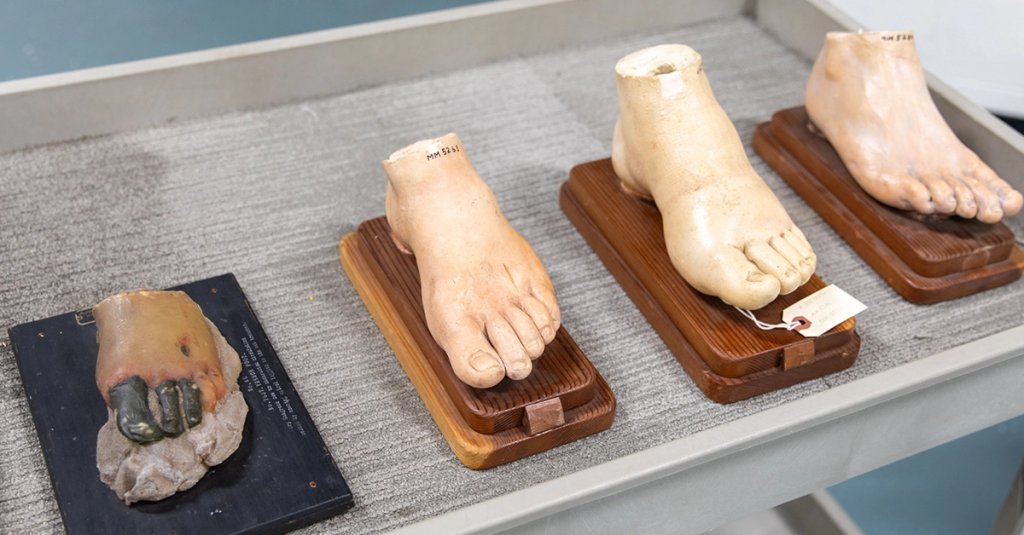
In the First World War, the right conditions meant standing in muddy, waterlogged trenches for days, with boots that were never truly dry, socks that had given up a long time ago, and hygiene standards that were a good idea, but usually an afterthought. Armies quickly learned that trench foot was crippling entire divisions without a single enemy bullet being fired.
Military medical authorities identified trench foot early onin the war and (rightfully) treated it as a serious, distinct condition. It became a major Allied problem, producing staggering casualty numbers: around 75,000 cases in British forces and about 2,000 in American forces.
But on a more personal level, a soldier falling out because his feet are numb, swollen, and turning technicolor is a real drain on unit cohesion and morale. Because the trenches aren’t going anywhere, and neither are the troops stuck in them.
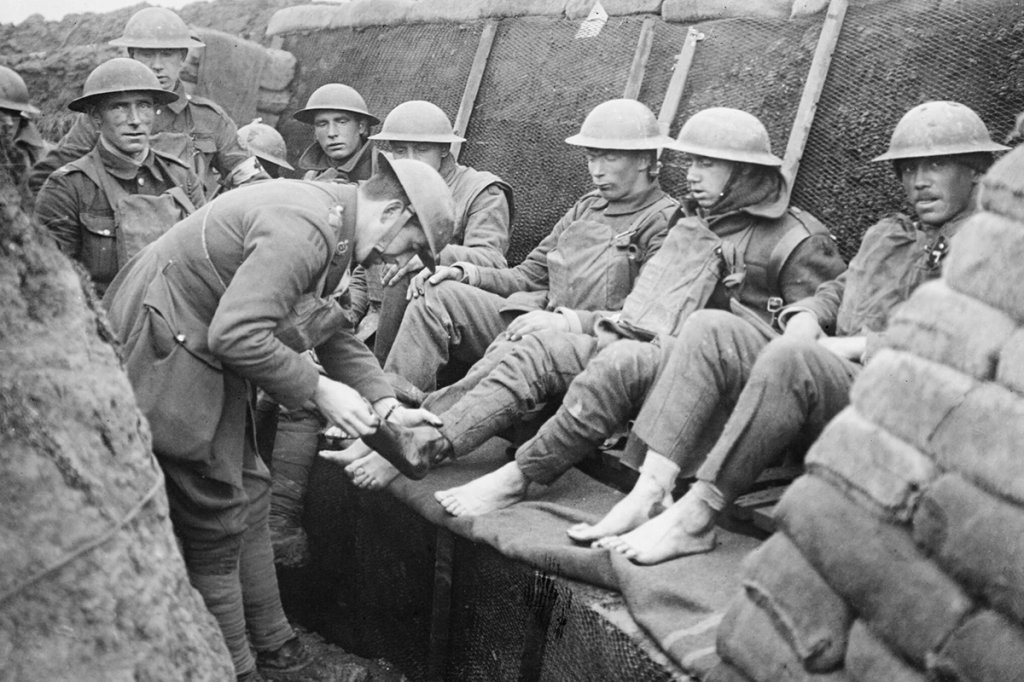
The British and French armies (and later the Americans) implemented a direct, unforgiving order: each man was responsible for inspecting the feet of the soldier next to him. This daily ritual of checking for pallor, swelling, and blisters became a matter of unit survival. It was the first widespread, formalized mandate that created a system of paired, personal accountability for health and welfare.
Prevention wasn’t glamorous (it was also probably awkward), but it worked. By the winter of 1915, British soldiers were under orders that effectively treated socks like ammunition. They had to carry enough socks (usually three pairs), actually change them (at least twice a day), and forgetting to do so was out of the question. They were also told to dry their feet and prevent water from seeping into their boots using greases like whale oil.
Yes, whale oil: the original battle-tested skincare routine. A battalion could go through 10 gallons in a day.
The enforcement side got serious, too. Official records show trench foot rates dropping sharply in some sectors as “strong disciplinary measures” were instituted, with weekly case counts declining dramatically over a 10-week period, according to the First British Army’s records from late 1914 into early 1915.
This is the real superpower of military life. The military can turn basic human self-care into a command responsibility.

Lt. Dan – Forrest Gump
Trench Foot is miserable and dangerous because it thrives in the moments when you’re too cold, too tired, and too unfeeling to do anything (except maybe collapse). There’s nothing revolutionary about the Army’s buddy system solution, either. The truth about humans in misery is that people skip steps. So, the Army built a system that made skipping those steps harder.
Medical prevention became a matter of operational readiness, and feet became everybody’s business—whether they wanted that job or not.
If that sounds invasive, you’re right, but most things about being in the military are invasive. Remember that we all had to do a naked duck walk with a room full of equally naked strangers while very elderly retirees watched just to join the military. Checking someone’s feet seems tame by comparison.
This buddy foot-inspection mindset didn’t disappear when the trenches did. During World War II and the Korean War, the Army had requirements for daily sock changes to guard against trench foot, with company medics inspecting the feet of all unit members each day. People still skipped steps, and that’s a persistent conflict that continues with each new generation of veterans.
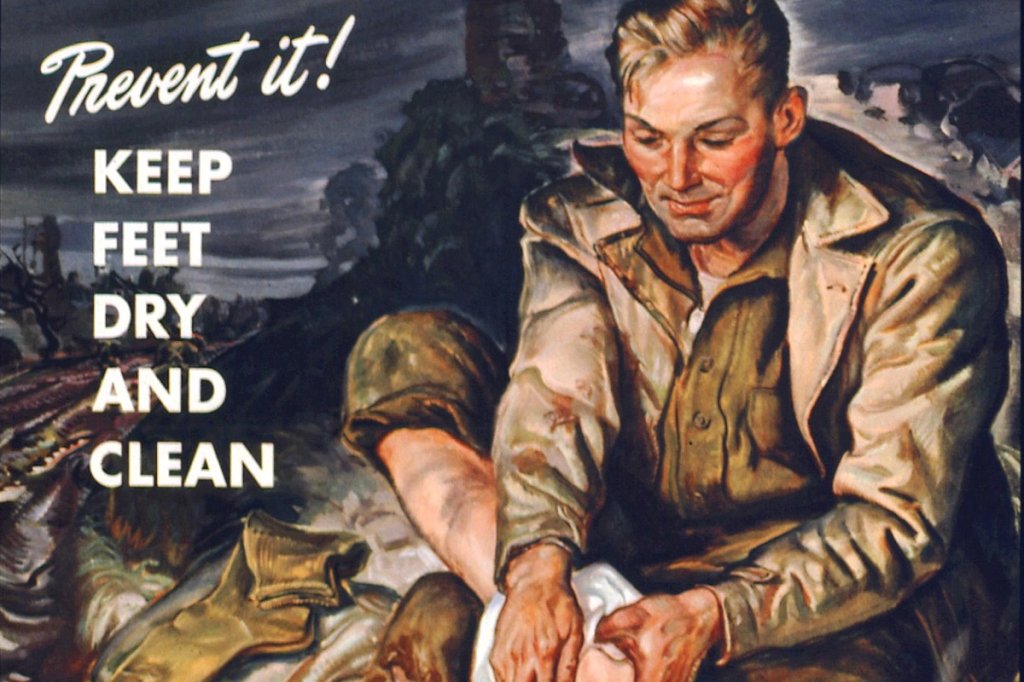
The official buddy system persisted into the 20th century but expanded to emphasize practical survival, whether by watching for booby traps or by sharing a foxhole. The term “buddy” was universal, but the term “battle buddy” isn’t as ancient as the behavior. The specific phrase didn’t enter the official lexicon with “trench foot.” That shift happened in the crucible of the post-9/11 wars in an attempt to put structure around how soldiers support each other under sustained stress.
Facing the asymmetric threats and the immense psychological strain of Iraq and Afghanistan, the U.S. Army formalized the concept into the battle buddy system around 2003-2004. Battlemind training defines a battle buddy as the person a soldier can turn to in times of stress and emotional highs and lows, someone who understands what the soldier is experiencing because they’re going through something similar or have been through it before.
The term soon evolved beyond tactical necessity. It’s now a doctrine of mutual support encompassing combat performance, safety, and critical mental resilience. The battle buddy concept is a major component of building unit cohesion and encouraging soldiers to talk to and support each other.
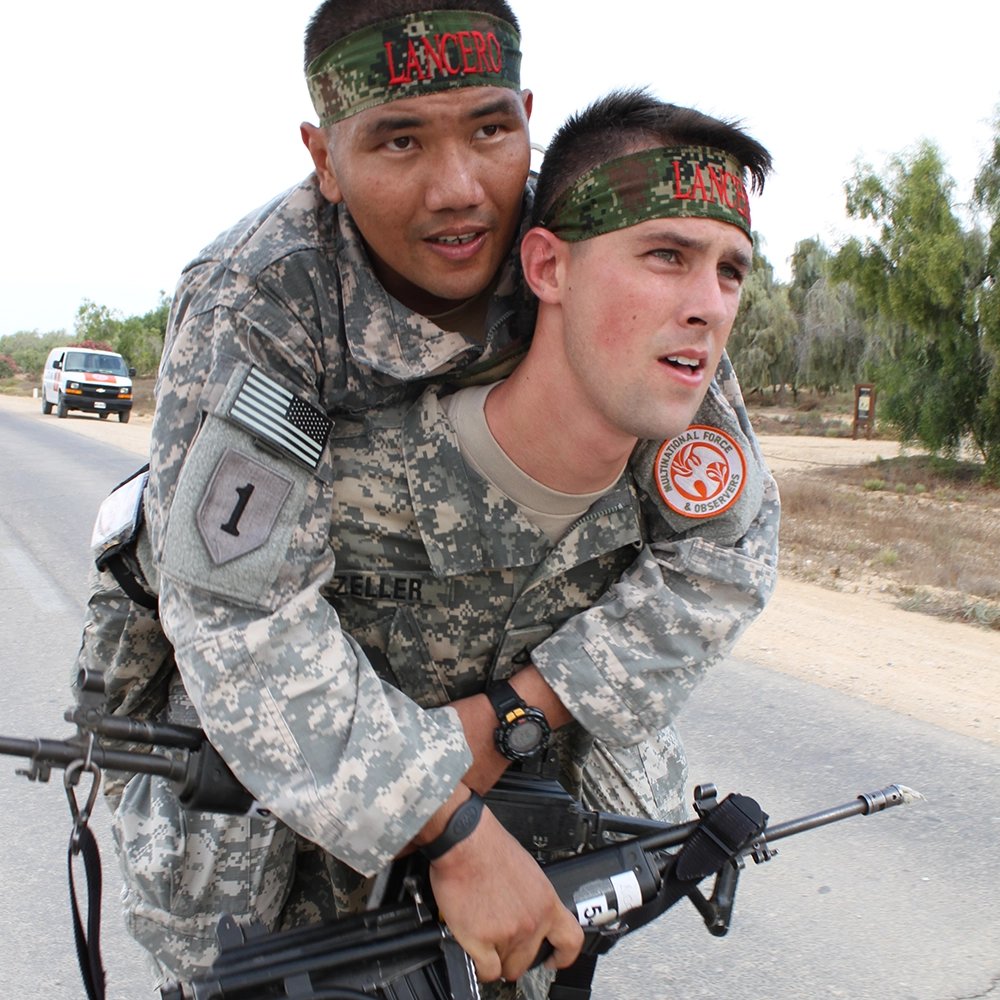
Your battle buddy is now your lifeline for everything from spotting signs of panic during a patrol to recognizing symptoms of depression. They may not be checking your feet every day, but they’re there to check your head.
The title might be modern, but the original idea was as simple as the bond itself was ancient. You look out for each other when it’s awkward, when it’s gross, and especially when you’re too tired to do it for yourself.
The battle buddy’s humble, disgusting origin is a lineage that stretches from the mud of Flanders fields, where your battle kept your feet from rotting off, to the dust of the Helmand River Valley, where he kept your head in the game. It’s a subtle reminder that no one fights alone. And these days, we can do it without covering ourselves in whale fat.