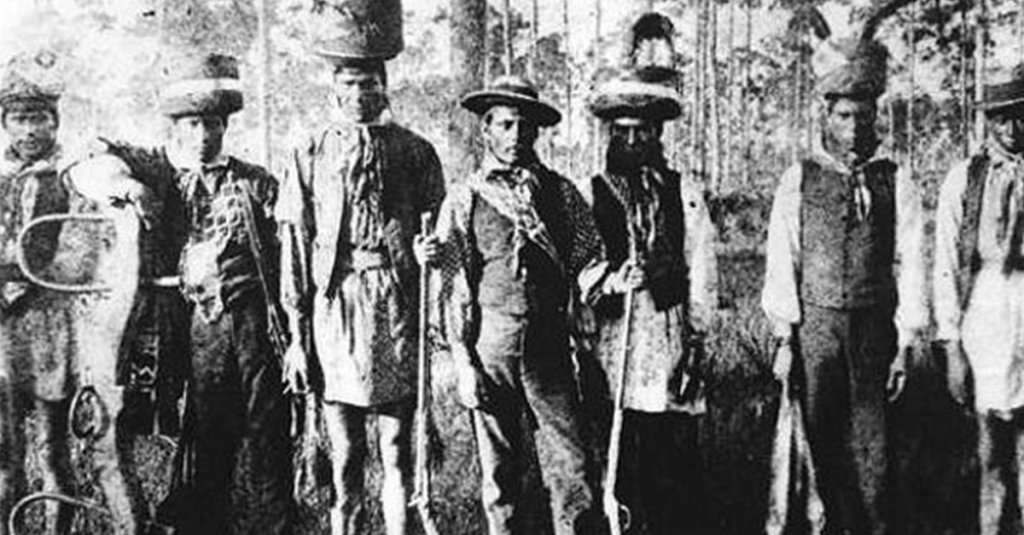
The story of the Black Seminoles is one of endurance, freedom, and tactical brilliance. Emerging from the complex crossroads of Native American sovereignty and African resistance to slavery, the Black Seminoles fought the United States to a standstill during the 19th century. Their most famous struggle, the Second Seminole War (1835–1842), became one of the largest and costliest conflicts in early American history. According to many historians, it represents the most successful sustained slave rebellion in United States history.
A “Negro War”
From the beginning, American military leaders recognized that the Second Seminole War was unlike any other. Major Gen. Thomas Sidney Jesup, who took command in 1836, wrote to Washington, “This, you may be assured, is a Negro, not an Indian War.” His words revealed an uncomfortable truth: the foundation of resistance in Florida came not only from Seminole warriors but from the Black Seminoles, descendants of Africans who had fled slavery and integrated into Seminole society decades earlier.
Jesup and other U.S. officials saw this alliance as a direct threat to the Southern slave system. Florida, then a U.S. territory, bordered slaveholding Georgia and Alabama. The presence of free, autonomous Black communities just beyond those borders alarmed plantation
owners who feared that enslaved people would flee south to join the Seminoles, destabilizing the institution of slavery itself.
The Army’s orders reflected these fears. Jesup directed his troops to “remove the Indians and their Negro allies” from Florida. His letters from 1836 to 1838 describe the Black fighters as “the most active and determined” portion of the enemy force, highlighting that the heart of the conflict lay in their defiance and determination to remain free.
Masters of Resistance
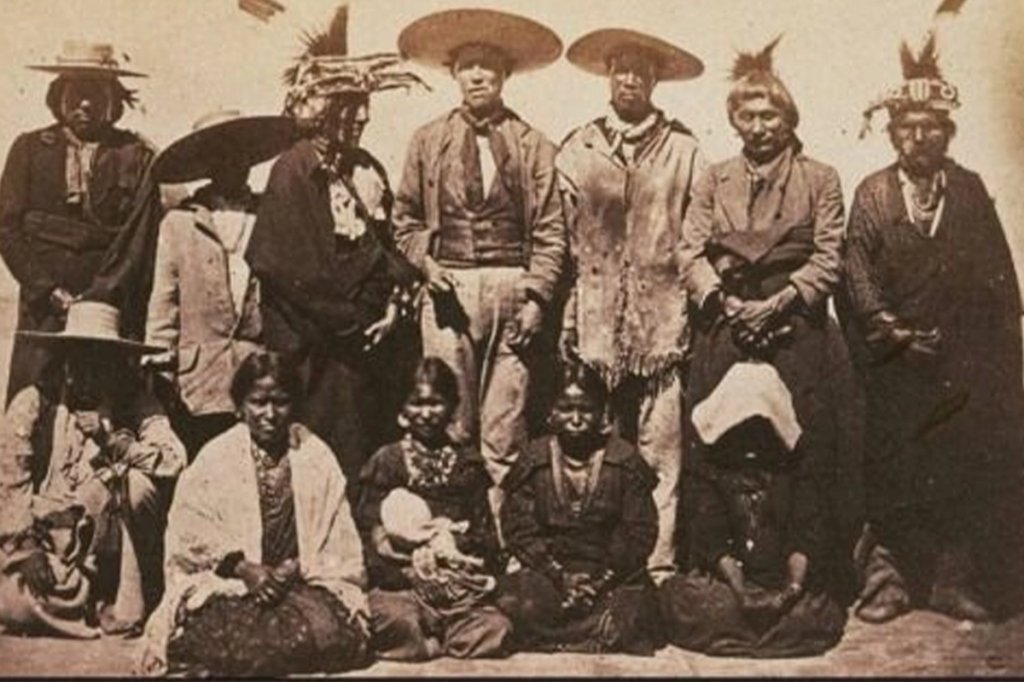
The Black Seminoles were both warriors and community builders. Many descended from Africans who had escaped bondage in the Carolinas and Georgia during the eighteenth century. They settled among the Seminoles in northern Florida, forming free farming villages near the St. Johns and Suwannee Rivers. Protected by the thick swamps and their alliance with Native Seminoles, these settlements thrived in relative independence.
They paid a share of their crops to Seminole chiefs but retained control over their internal affairs. Their leaders, including the renowned Abraham, who served as interpreter, strategist, and advisor to Chief Micanopy, were instrumental in shaping Seminole diplomacy and military operations.
During the Second Seminole War, the Black Seminoles became the tactical core of the resistance. They trained Seminole fighters in guerrilla warfare, including ambush tactics, concealment of supplies, and coordinated retreats through rugged terrain. Their methods resembled modern insurgency tactics used centuries later—small, mobile units striking swiftly and vanishing into the wilderness.
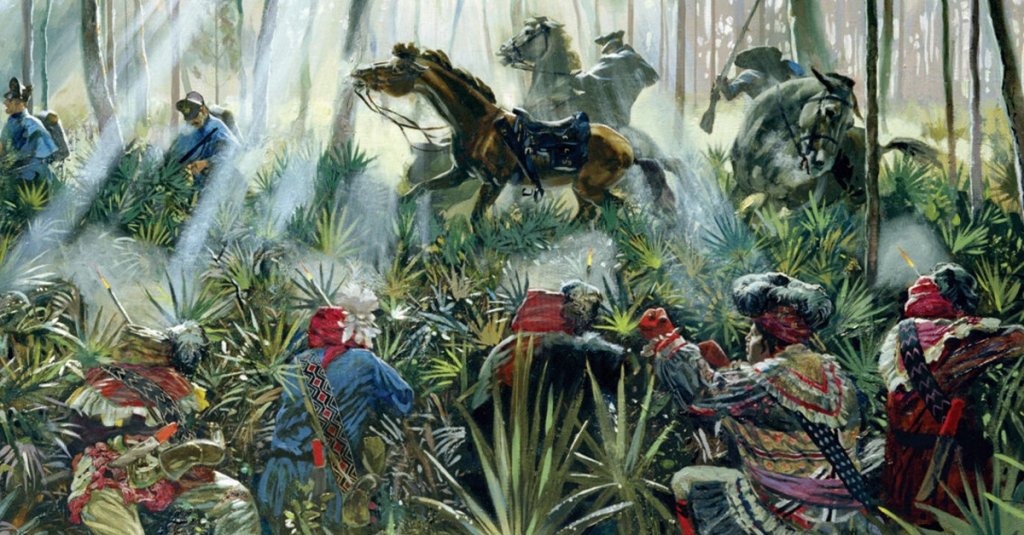
One of their most notable victories, the Battle of Dade on Dec. 28, 1835, demonstrated their effectiveness. A combined force of Seminole and Black Seminole fighters ambushed Maj. Francis L. Dade’s column of 110 soldiers traveling from Fort Brooke to Fort King. Only three survived. The battle marked the true beginning of the Second Seminole War and stunned the nation with its precision and ferocity.
The Costliest War of Indian Removal
The Second Seminole War lasted seven years and became the longest and most expensive of all Indian conflicts. More than 30,000 U.S. troops served in Florida, and over 1,500 died, mostly from disease. The federal government spent more than $30 million, equivalent to more than a billion today.
The Seminole and Black Seminole fighters, rarely numbering more than 2,000, successfully resisted one of the largest U.S. armies of the era. They fought decisive engagements at Wahoo Swamp, Lake Okeechobee, and along the Withlacoochee River, where Florida’s dense wilderness neutralized U.S. advantages in artillery and cavalry.
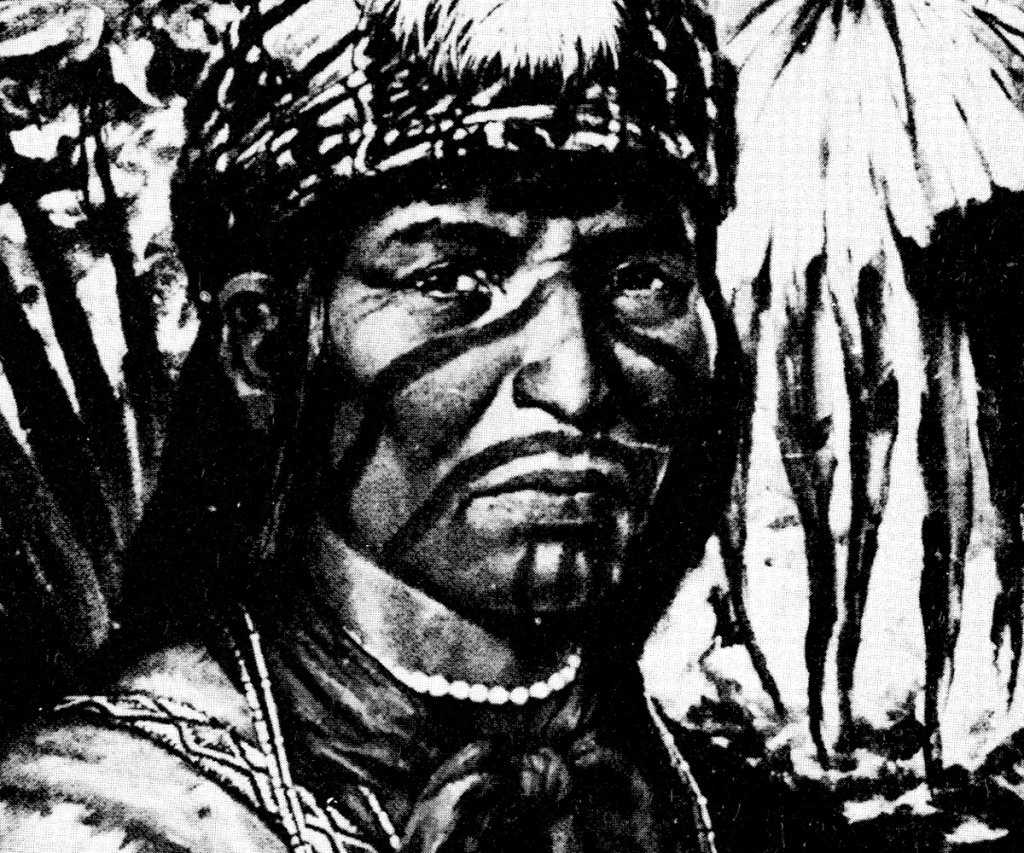
At the Battle of Lake Okeechobee on Christmas Day, 1837, Col. Zachary Taylor led more than 1,000 soldiers against roughly 380 Seminole and Black Seminole warriors commanded by Alligator (Halpatter Tustenuggee) and Coacoochee (Wild Cat). Despite being outnumbered nearly three to one, the Seminoles inflicted heavy casualties and withdrew in good order, leaving Taylor’s command bloodied and demoralized.
Jesup’s Dilemma and the Path to Freedom
By 1837, Jesup realized that the war could not be won through conventional military means. The brutal environment of Florida—its swamps, heat, and disease—combined with the determined resistance of the Seminoles and Black Seminoles, made victory elusive. As supply lines faltered and morale sank, Jesup sought to negotiate peace by offering relocation to the Indian Territory, now Oklahoma.
For the Black Seminoles, however, “removal” meant the possibility of being re-enslaved. Many officers, slave catchers, and Southern politicians viewed them as fugitives rather than free allies. Jesup recognized their crucial role in sustaining the war and began privately promising freedom to those who surrendered, using emancipation as a strategic tool to divide the resistance.
When Coacoochee and other leaders were captured under a flag of truce in late 1837, organized resistance weakened but did not end. Many Seminoles and Black Seminoles withdrew deeper into the Everglades, forming the foundation of today’s Seminole Tribe of Florida. Those forced west faced new hardships in Indian Territory. Some were enslaved again by pro-slavery Creek factions, while others fled south to Mexico, where they founded Nacimiento de los Negros in Coahuila. Known as Mascogos, they preserved both African and Seminole heritage.
Was Jesup’s Proclamation a blueprint for the Emancipation Proclamation?
Not a direct blueprint, but an early military precedent that anticipated the same logic Abraham Lincoln would use twenty-five years later.
During the Second Seminole War, Jesup issued terms allowing Black Seminoles and some enslaved Black people to gain freedom if they surrendered and relocated west with the Seminoles. Jesup realized that the United States could not defeat the Seminoles without separating them from their Black allies. By offering emancipation, he hoped to shorten the war and restore control through strategy rather than endless combat.
In 1837, Jesup declared that freedom would be granted to Black Seminoles who surrendered and agreed to removal. This was the first recorded instance of an American general using emancipation as a deliberate weapon of war. The decision enraged Southern politicians, who feared it set a dangerous precedent for federal involvement in slavery.
Jesup’s proclamation was one of the earliest instances in American history in which emancipation was wielded as a military tool. It marked the first federal recognition that Black freedom could serve national strategic purposes. The Seminole War thus became a testing ground for ideas that would later shape Civil War policy.
Lincoln’s Emancipation Proclamation of 1863 was founded on similar logic: emancipation as a wartime necessity to weaken the enemy and strengthen the Union. Both Jesup and Lincoln framed freedom as a military act before it became a moral one. Jesup’s order was local and temporary; Lincoln’s was national and transformative. Jesup proved the concept. Lincoln nationalized it.
Jesup’s precedent highlights a vital truth: the Black Seminoles were central to America’s first experiment with military emancipation. They were recognized as skilled fighters, tacticians, and indispensable allies—qualities that later defined the ethos of U.S. Army Special Forces. The Special Forces principle of working “by, with, and through” local partners reflects the collaborative, adaptive warfare pioneered by the Black Seminoles.
The Legacy of the Black Seminoles

The descendants of these warriors carried their tradition of service into both the Mexican and U.S. armies. In the 1870s, many who had settled in Mexico returned to Texas and enlisted as Seminole Negro Indian Scouts. Stationed at Fort Clark near Brackettville, Texas, they became renowned for their unmatched tracking and survival skills, serving alongside the Buffalo Soldiers of the 9th and 10th Cavalry.
Four of these scouts—Adam Payne, Pompey Factor, Isaac Payne, and John Ward—received the Medal of Honor for exceptional bravery during campaigns along the Rio Grande. Their emblem, two crossed arrows, symbolized their unity of purpose and heritage. When the U.S. Army created the Special Forces in 1952, the Green Berets adopted that same crossed-arrows insignia to honor this legacy of unconventional warfare.
The Special Forces motto, De Oppresso Liber (“To Free the Oppressed”), captures the enduring spirit of the Black Seminoles, whose defiance against enslavement reshaped America’s understanding of liberty and resistance.
A Legacy Preserved in Law and Memory
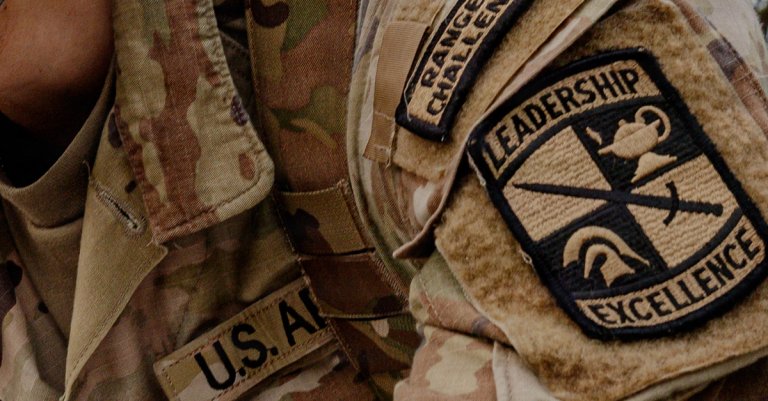
Thanks to Florida House Bill 1329, the state now requires that students learn about the contributions of veterans, including the Seminoles and Black Seminoles, whose sacrifices shaped American military history.
The law also expands support for veterans by:
- Designating Veterans Florida as the lead agency for transition assistance and outreach
- Expanding Veterans Florida’s board to connect veterans with training, certification, and business opportunities
- Creating hunting and fishing license exemptions for disabled veterans
- Expanding the Advisory Council on Brain and Spinal Cord Injuries to include veterans and their families
- Requiring schools to teach the history and meaning of Veterans Day and Memorial Day
- Establishing the Major John Leroy Haynes Florida Veterans’ History Program to record and preserve veterans’ stories
Teaching this history ensures that the bravery, innovation, and legacy of the Seminoles and Black Seminoles will never fade. Their story is not one of defeat; it is the origin of America’s ongoing pursuit of freedom and the philosophical foundation of the U.S. Army Special Forces.
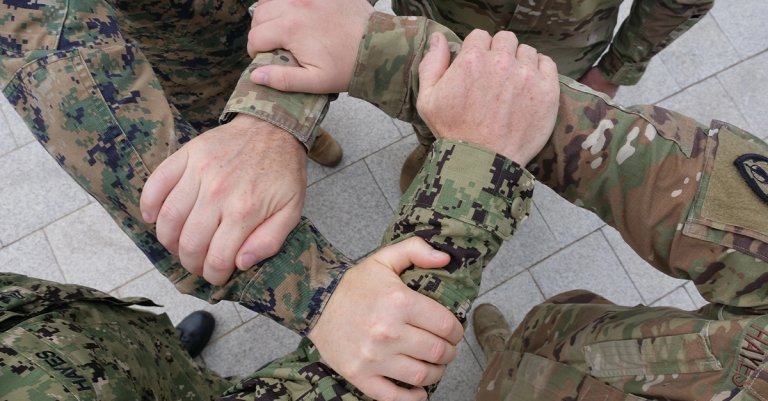
The Black Seminoles’ resistance was more than a rebellion; it was a test of America’s core ideals. They exposed the contradiction between liberty and slavery and fought to define freedom on their own terms. Their legacy endures in the Green Berets who wear the crossed arrows, in the veterans who carry forward their spirit, and in the classrooms where Florida students now learn their story.
They were not only freedom seekers; they were freedom keepers. From the swamps of Florida to the deserts of Texas, their fight for justice and autonomy helped define what it truly means to free the oppressed.
Organizations like the BLK OPS Foundation are leading the charge to bring this history to classrooms across the country. Through veteran-led storytelling, mentorship, and interactive educational programs, BLK OPS links Special Operations heritage to youth empowerment and historical education. Their work is part of a growing movement to recover and teach hidden narratives—including that of the Black Seminoles—that reflect the real diversity and complexity of America’s past. To learn more about their efforts, visit www.blkopsfoundation.org.