
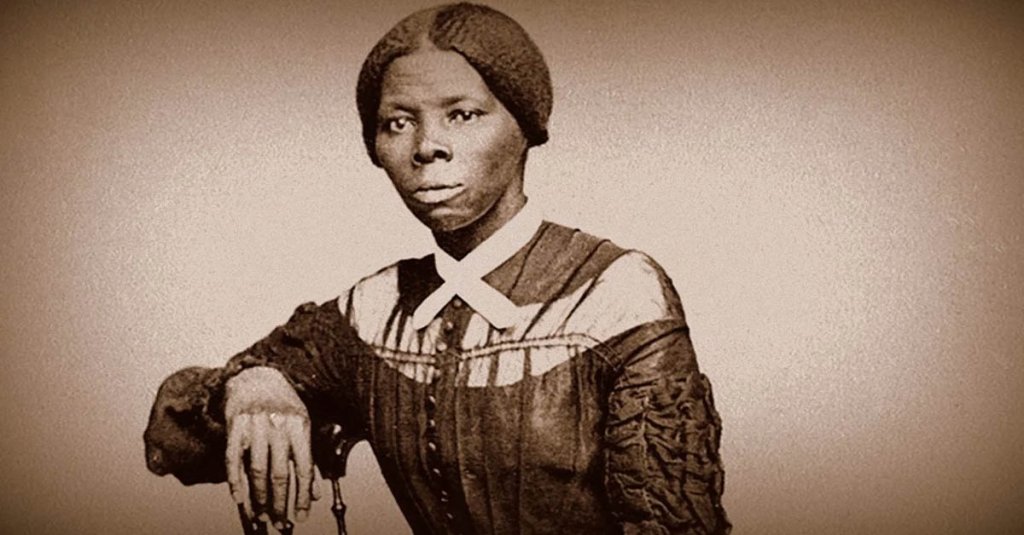
When we talk about Harriet Tubman, most people remember her as the fearless “conductor” of the Underground Railroad. But look deeper, and you’ll find something extraordinary. Tubman wasn’t just leading people to freedom—she was executing what modern U.S. Army Special Forces would recognize as a full-spectrum Unconventional Warfare (UW) mission.
In military terms, Tubman was conducting Operational Preparation of the Environment (OPE). She built, maintained, and leveraged a clandestine network that operated behind enemy lines, deep in Confederate-controlled territory, to move personnel, gather intelligence, and destabilize a hostile system built on slavery.
Related: A secret Cold War unit was the basis for today’s special operations
The Abolition Period: Seeds of Resistance
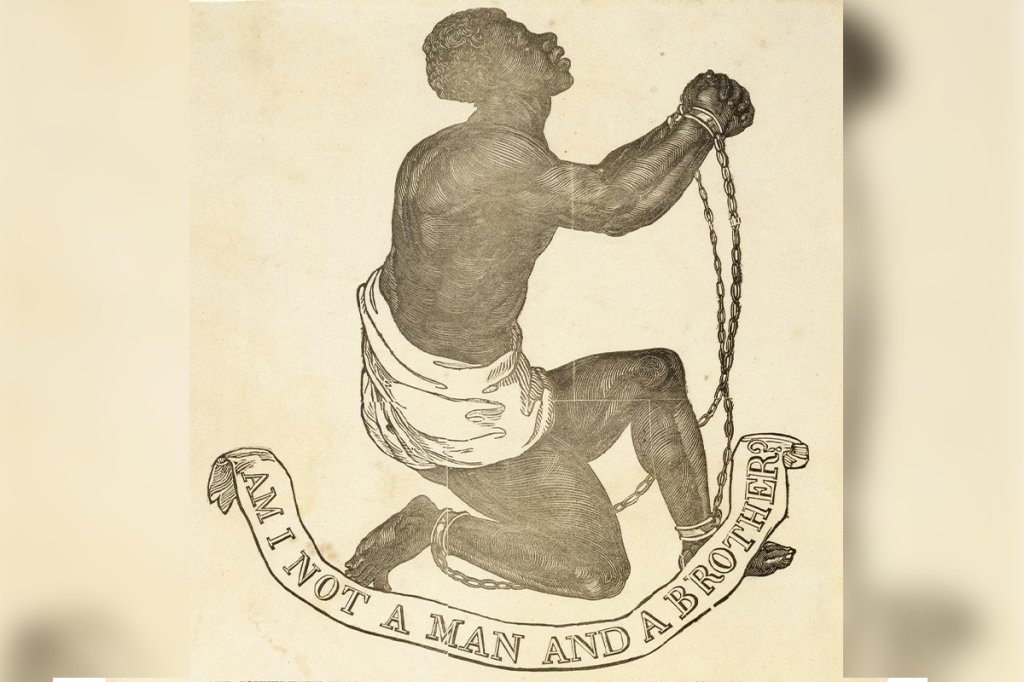
To fully grasp Tubman’s brilliance, it’s important to understand the historical context that gave rise to the Abolition Movement, a period that reshaped the moral and political fabric of the United States. The Abolition Period, roughly spanning the 1770s through the Civil War, was a time when the nation’s conscience grappled with its contradictions. The ideals of liberty and equality proclaimed in the Declaration of Independence stood in stark contrast to the reality of human bondage.
Early antislavery voices emerged from religious communities such as the Quakers, who in 1775 formed the first abolition society in Philadelphia. Their efforts planted the seeds for a moral awakening that would spread through churches, newspapers, and lecture halls across the young republic. By the early 19th century, abolitionists like William Lloyd Garrison, Frederick Douglass, Sojourner Truth, and Angelina and Sarah Grimké galvanized national attention. Their publications, speeches, and activism denounced the brutality of slavery and demanded immediate emancipation. Organizations such as the American Anti-Slavery Society (AASS), founded in 1833, coordinated public campaigns, distributed pamphlets, and lobbied politicians—transforming moral outrage into organized resistance.
As the divide between North and South deepened, federal laws such as the Fugitive Slave Act of 1850 criminalized assistance to runaway slaves, turning free states into perilous ground for those seeking liberty. In response, clandestine networks of free Black communities, sympathetic white abolitionists, and religious groups—especially Methodists, Quakers, and Unitarians—strengthened what became known as the Underground Railroad.
It was within this volatile environment that Harriet Tubman, born enslaved in Maryland around 1822, would rise from fugitive to freedom fighter. Her actions would not only defy the institution of slavery but also redefine what organized resistance looked like in America.
Building the Network: Human and Physical Infrastructure
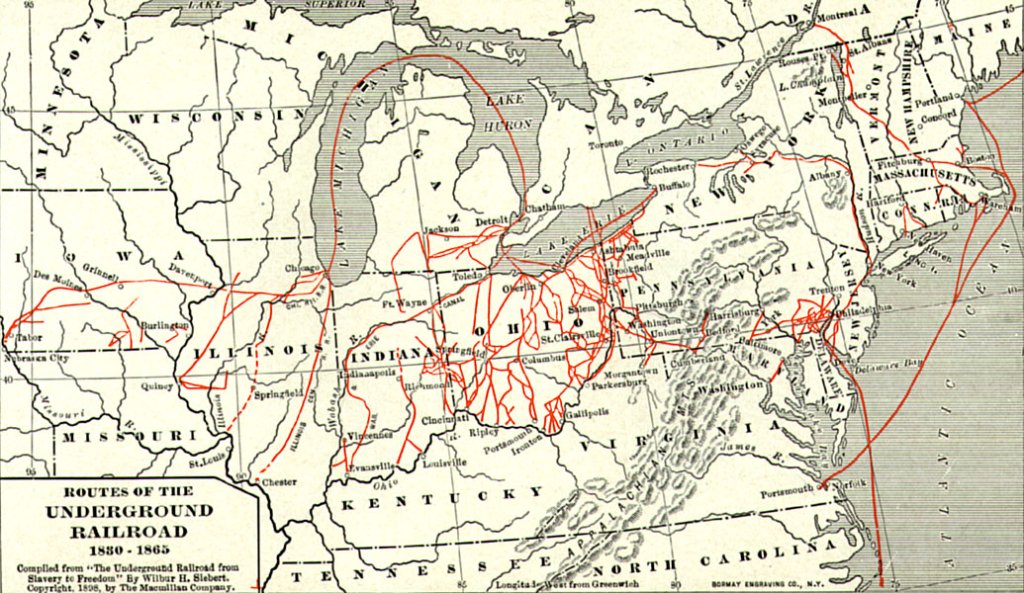
Tubman understood that freedom required more than courage; it required infrastructure, both human and physical. Like any good Special Forces operator, she built relationships first, earning the trust of those who would form her auxiliary: local guides, informants, and sympathizers who provided shelter, supplies, and intelligence for situational awareness. There were safe sites and houses along both rat lines (infiltration routes into denied territory) and bugout lines (exfiltration routes out of denied territory) that allowed freedom seekers to move through hostile regions undetected.
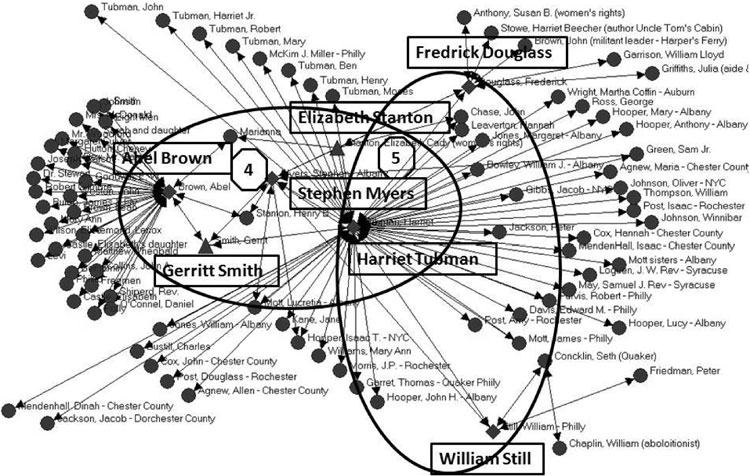
Her network stretched from the Deep South to the Canadian border, a series of safe sites maintained through coded communication and unwavering loyalty. Every mission was meticulously planned. Tubman gathered intelligence on patrols, terrain, and sympathizers, mapping routes that minimized exposure and maximized success. Her situational awareness and reconnaissance rivaled that of any modern OPE operation.
The Auxiliary and the Underground
In modern UW doctrine, two key elements sustain resistance movements: the Auxiliary and the Underground. Tubman’s world mirrored this perfectly. The Auxiliary—civilians who provided clandestine support—were the heart of her operation. They cooked meals, offered shelter, forged documents, and misdirected slave catchers. They were invisible but essential.
Meanwhile, the Underground—the inner circle responsible for leadership, planning, and, if necessary, sabotage—operated in secrecy. Most importantly, they stayed “clean” in public view, protecting the integrity of the mission. Tubman herself bridged these worlds, visible as a humble servant or field hand when needed, but fully operational in the shadows.
Operational Art: From Escape to Intelligence and Combat
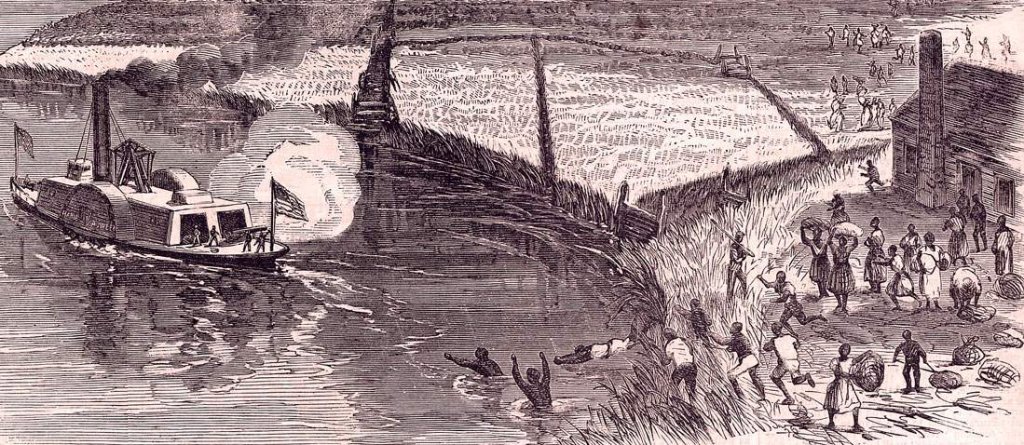
Tubman’s operational brilliance didn’t stop at moving people. During the Civil War, she transitioned from underground leader to Union military operative, working directly with U.S. Army intelligence and reconnaissance units. In 1863, she became the first woman in American history to lead an armed expedition, the Combahee River Raid, a textbook example of Direct Action supporting an ongoing UW campaign.
She guided Union forces through mine-riddled waters and enemy terrain using intelligence she personally gathered. The result: more than 700 enslaved people liberated and a massive blow to Confederate supply lines. Tubman demonstrated every principle of modern Special Forces doctrine, from Intelligence Preparation of the Battlefield (IPB) to Irregular Warfare operations, decades before they were ever formally defined.
Legacy of a Shadow Warrior
To view Harriet Tubman merely as a “conductor” is to undersell her mastery of strategy, human networks, and both clandestine and covert operations. She was a commander, intelligence officer, and resistance leader in an era when women—especially Black women—were denied formal authority. Her campaigns changed lives, reshaped the moral landscape of a nation, and pioneered methods of irregular warfare that would later define elite U.S. military doctrine.
When Special Forces operators today prepare an OPE mission, building local trust, mapping routes, and creating clandestine infrastructure to operate in denied areas, they are walking a path Harriet Tubman carved long before them. She wasn’t just running the Underground Railroad. She was running America’s first successful Unconventional Warfare campaign.
Organizations like the BLK OPS Foundation are leading the charge to bring this history to classrooms across the country. Through veteran-led storytelling, mentorship, and interactive educational programs, BLK OPS links Special Operations heritage to youth empowerment and historical education. Their work is part of a growing movement to recover and teach hidden narratives—including that of the Black Seminoles—that reflect the real diversity and complexity of America’s past. To learn more about their efforts, visit www.blkopsfoundation.org.
Don’t Miss the Best of We Are The Mighty
• 12 surprising facts that might change the way you see the Civil War
• The Civil War started and ended at the same guy’s house
• 5 reasons John Bell Hood was the worst Civil War general
Loading comments…
Comments couldn’t be loaded. Please refresh the page.