Franklin D. Roosevelt is remembered as the president who guided America through the Great Depression and World War II. Yet behind the scenes, he faced a deeply personal struggle after polio left him paralyzed from the waist down in 1921.
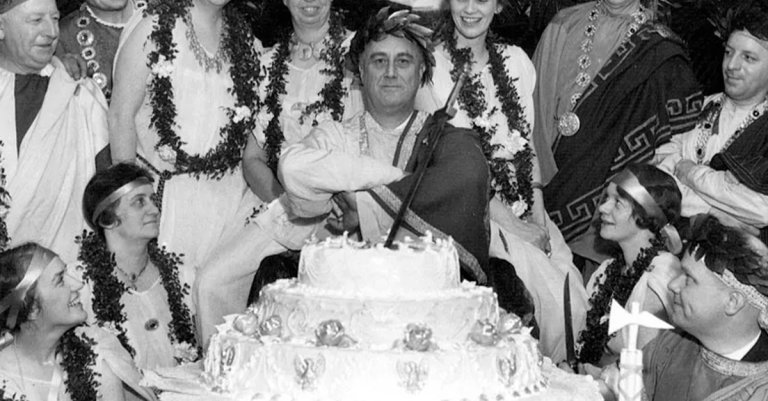
Related: FDR dressed up as Julius Caesar for a White House toga party
Determined not to let disability define him, he fought for independence in ways the public rarely saw. One of the most meaningful expressions of that independence was his love for driving. His cars were more than vehicles. They were symbols of defiance, resilience, and personal freedom during one of the busiest, most consequential presidencies in American history.
Ingenious Modifications for the 1936 Ford Phaeton

Roosevelt's Ride: How A Paraplegic Could Drive
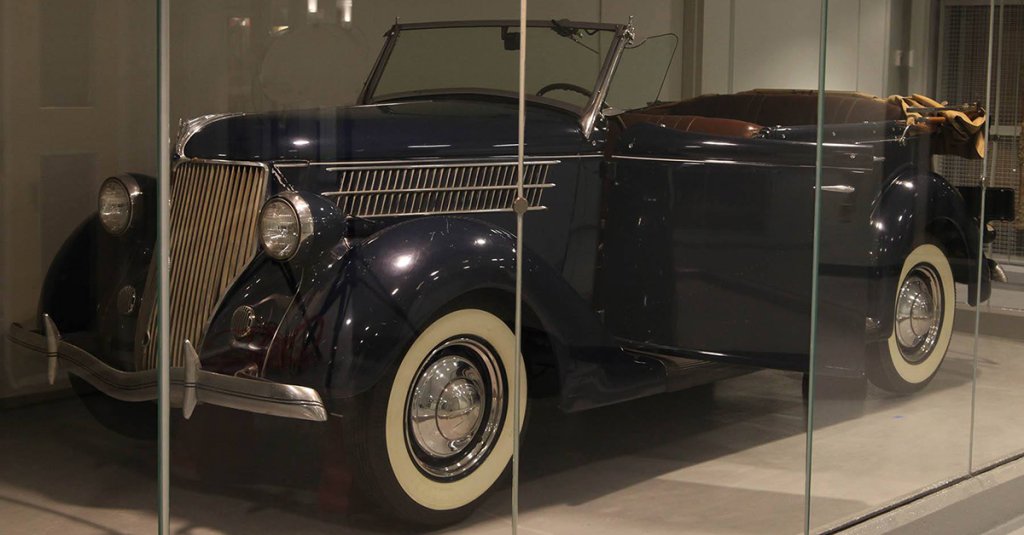
Among Roosevelt’s favorite automobiles were his 1936 Ford Phaeton and 1938 Ford Convertible Coupe. At first glance, they appeared like any other cars of their time, but hidden within was an impressive array of custom engineering.
Much of that innovation came from Fred Relyea, a talented mechanic from Poughkeepsie, N.Y. For the 1936 Phaeton, Relyea designed a sophisticated set of hand controls that allowed Roosevelt to operate the car entirely without the use of his legs.
The throttle and choke were transformed into dashboard knobs that FDR could adjust with precision. An inventive single lever replaced both the clutch and the brake, responding in carefully calibrated stages that released the clutch, reengaged it, and finally activated the brakes. That system required skill and coordination, and Roosevelt mastered it completely.
Steering with Strength and Adaptation
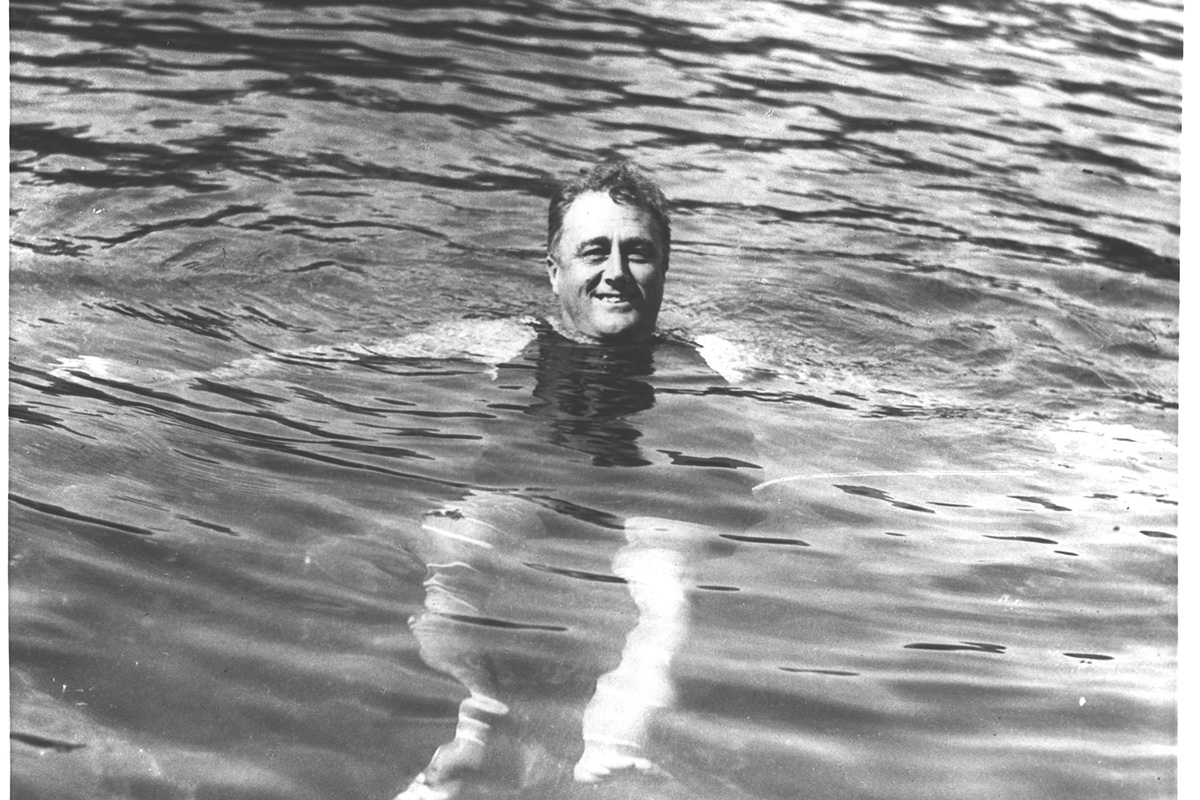
Driving still demanded considerable physical effort.
To steer, Roosevelt braced his torso against the wheel, using his upper-body strength to guide the car through turns while operating multiple hand controls at once. His other vehicles, including his DeSoto and Plymouth models, incorporated even more advanced modifications. Their manual transmissions were fitted with a centrifugal clutch mechanism that operated automatically, based on engine speed. This innovative system eliminated the need for a foot-operated clutch pedal, allowing Roosevelt to shift gears smoothly by using only his hands.
Crafting a Presidential Image

These mechanical breakthroughs were not just practical necessities. They also played a role in shaping Roosevelt’s public image.
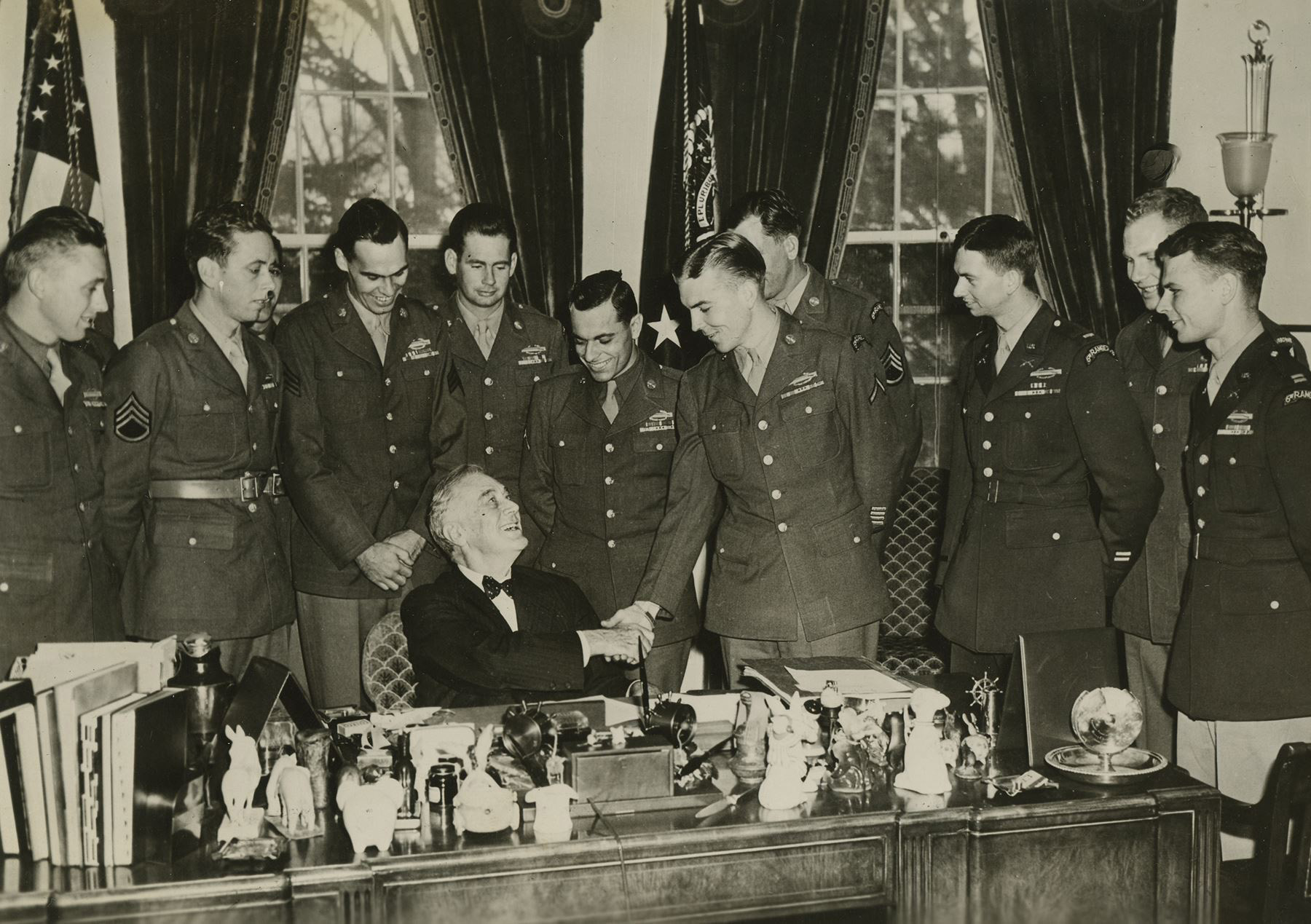
During the 1930s and 1940s, disability was rarely discussed openly, and the White House worked diligently to present FDR in ways that conveyed strength. Photographers avoided capturing images of him in a wheelchair, and newsreels were filmed to hide his leg braces and limited mobility.
Still, scenes of Roosevelt driving were encouraged because they projected energy, leadership, and capability. They reminded Americans that their president was active, engaged, and in control during a time when stability mattered more than ever.
A Historic Car Preserved in Time
Today, one of the most powerful reminders of Roosevelt’s determination is his 1936 Ford Phaeton, now on display at the Franklin D. Roosevelt Presidential Library and Museum in Hyde Park, N.Y.
Visitors who stand before the car can see the custom levers, knobs, and mechanisms that allowed him to regain a sense of mobility and autonomy. It remains a striking symbol of innovation and individual willpower.
A Legacy of Resilience and Ingenuity
Roosevelt’s custom automobiles reveal a remarkable chapter of his life that many never witnessed. They show how a man who led a nation through some of its darkest moments also fought silently for his own independence. With every mile he drove, FDR proved that limitations could be met with creativity and courage. His determination behind the wheel continues to stand as a testament to resilience, resourcefulness, and the enduring spirit of a leader who refused to be defined by adversity.