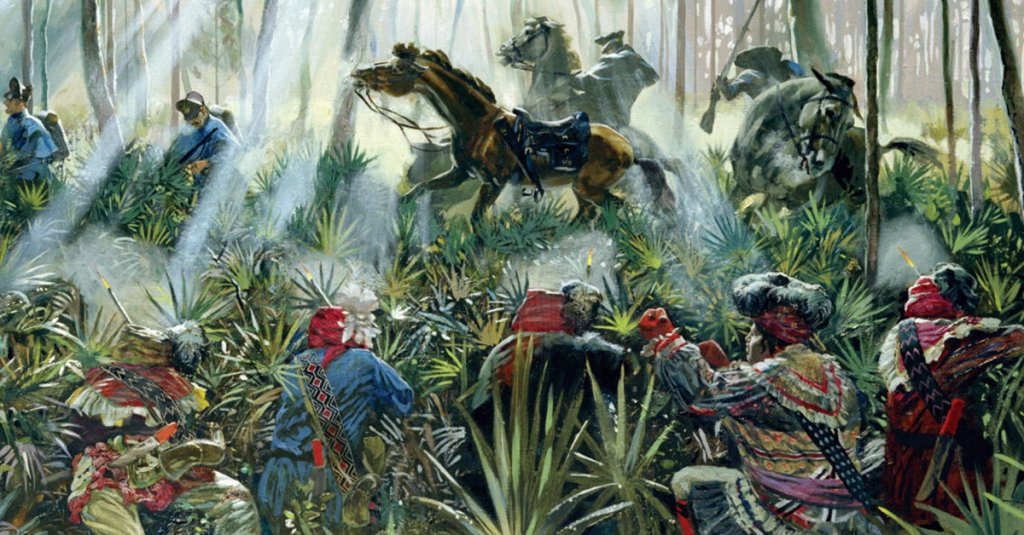
The Seminoles stand among the most resilient and independent nations in American history, a people forged in resistance and defined by their unyielding pursuit of freedom. Emerging from a mix of displaced Native groups, escaped enslaved Africans, and European influences, the Seminoles created a distinctive identity rooted in courage, adaptability, and survival.
Related: The original Green Berets: tracing the roots of US Special Forces
From their beginnings in the early 1700s to their defiance against U.S. removal policies and their lasting influence on modern military traditions, the Seminoles’ story is one of triumph through struggle and an unbreakable commitment to independence.
Origins of the Seminole Nation
The roots of the Seminole Nation can be traced to the early 18th century, when the southeastern United States was in upheaval. As European powers fought for territory and trade, Native American groups from the Muscogee Creek Confederacy, along with the Hitchiti, Apalachee, and Mikasuki peoples, migrated south into northern Florida. The region’s dense forests, wetlands, and swamps provided a natural barrier against both European settlers and slave-catchers.
The name “Seminole” is believed to come from the Spanish word cimarrón, meaning “wild” or “runaway.” It referred to people who refused to be dominated and sought freedom from colonial control. The term evolved to symbolize their fierce independence and refusal to be conquered. Over time, the Seminoles developed a unique culture that blended various Native traditions into a new identity.
They adapted to Florida’s environment by building chickee huts on raised platforms, cultivating crops such as corn, beans, and squash, and mastering navigation through the region’s waterways. Their way of life reflected a balance between nature, community, and survival, setting the foundation for their reputation as both skilled warriors and adaptable people.
Cultural Identity and European Encounters
Throughout the 1700s, Florida was a contested land, shifting between Spanish, British, and eventually American control. Under Spanish rule, Florida became a sanctuary where Native and African communities coexisted with relative autonomy. Spain’s limited colonial presence allowed for the growth of self-governing Native settlements.
The Seminoles established strong trade relations with British merchants and adopted useful European technologies, including firearms, textiles, and horses. They maintained decentralized political systems, with leadership divided among family-based clans and councils. This flexible governance helped them respond effectively to changing conditions and threats.
Their independence and adaptability set them apart from other tribes in the region, positioning them as a powerful force on the southern frontier.
The Rise of the Black Seminoles
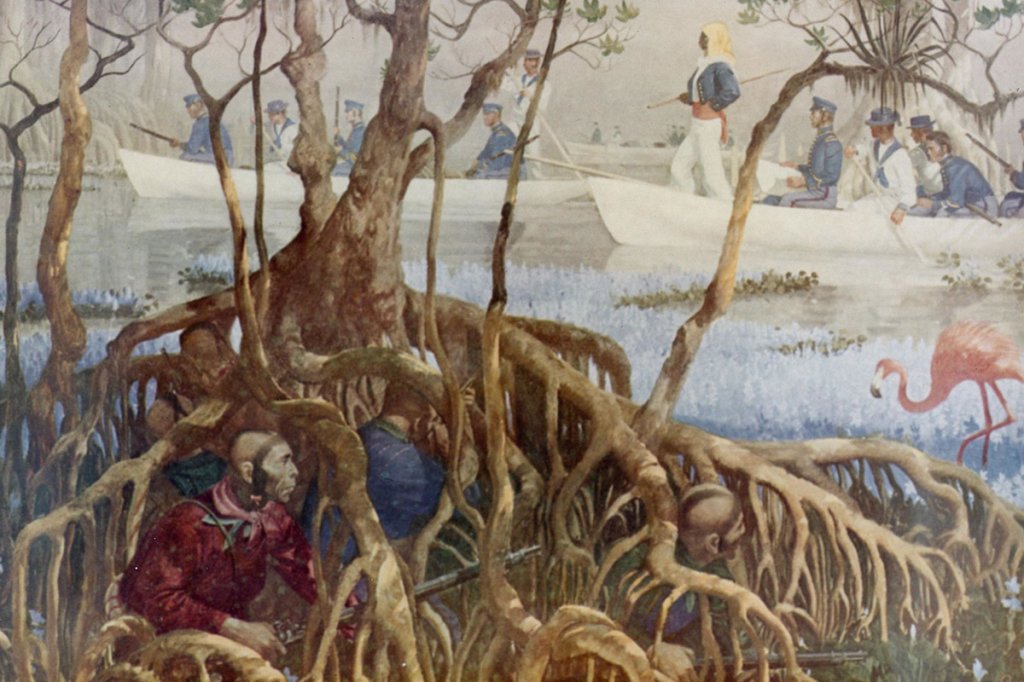
One of the most defining aspects of Seminole history is their alliance with the Black Seminoles—descendants of enslaved Africans who fled plantations in Georgia and South Carolina and found refuge among the Seminoles in Spanish Florida.
The Seminoles welcomed these freedom seekers as allies, not subordinates. They established settlements nearby and shared labor, defense, and kinship ties. Over time, the two communities became closely intertwined through intermarriage and mutual trust.
The Black Seminoles were exceptional farmers, interpreters, and warriors. Their knowledge of southern terrain, coupled with their determination to remain free, made them invaluable partners in the Seminoles’ defense. When the U.S. military began pursuing both runaway slaves and Native peoples, the Black Seminoles stood on the front lines, employing guerrilla warfare strategies that would later influence modern U.S. military tactics.
Together, the Seminoles and Black Seminoles created one of the most formidable resistance movements in early American history.
The Seminole Wars: Defiance and Survival
As the United States expanded southward in the early 19th century, conflicts between settlers, slaveholders, and the Seminoles escalated into open warfare. The U.S. government viewed the Seminoles’ protection of runaway slaves as defiance and sought to remove them from Florida altogether.
The First Seminole War (1817–1818) began when Gen. Andrew Jackson invaded Spanish Florida, accusing the Seminoles of harboring fugitives. His campaign destroyed several Seminole and Black Seminole villages and effectively ended Spanish control, paving the way for Florida’s transfer to the United States.
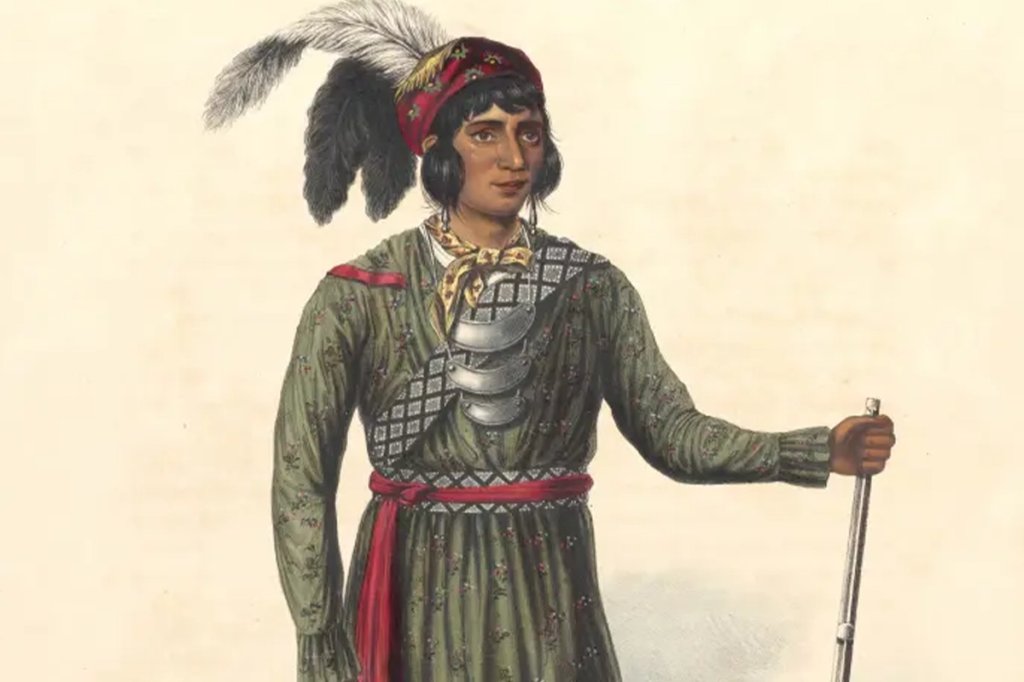
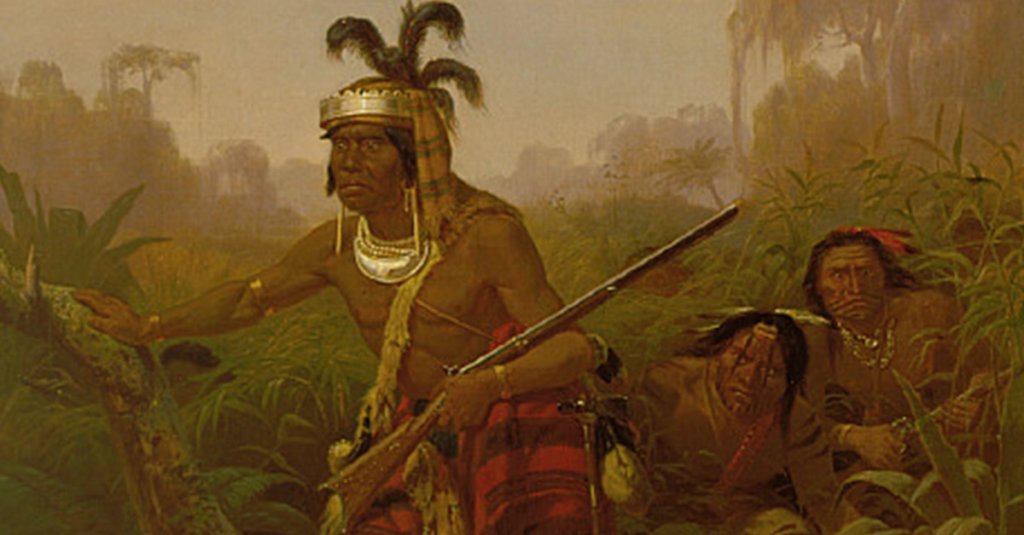
The Second Seminole War (1835–1842) became the longest and bloodiest conflict between Native Americans and the U.S. military. It began after the U.S. attempted to enforce the Treaty of Payne’s Landing, which required the Seminoles to move west. Seminole leaders such as Osceola, Abiaka (Sam Jones), and Coacoochee (Wild Cat) refused. They waged a seven-year guerrilla campaign from the Everglades, inflicting heavy casualties on U.S. forces despite being outnumbered. The war ended only after thousands of Seminoles were killed or captured, though many remained hidden in the Everglades.
The Third Seminole War (1855–1858) was a final effort by the U.S. government to remove the remaining Seminoles. Led by Billy Bowlegs, the remaining warriors resisted until exhaustion and dwindling resources forced their surrender. Yet even then, a small band under Sam Jones refused to leave Florida, earning the enduring title of “The Unconquered People.”
The Seminoles and the Trail of Tears
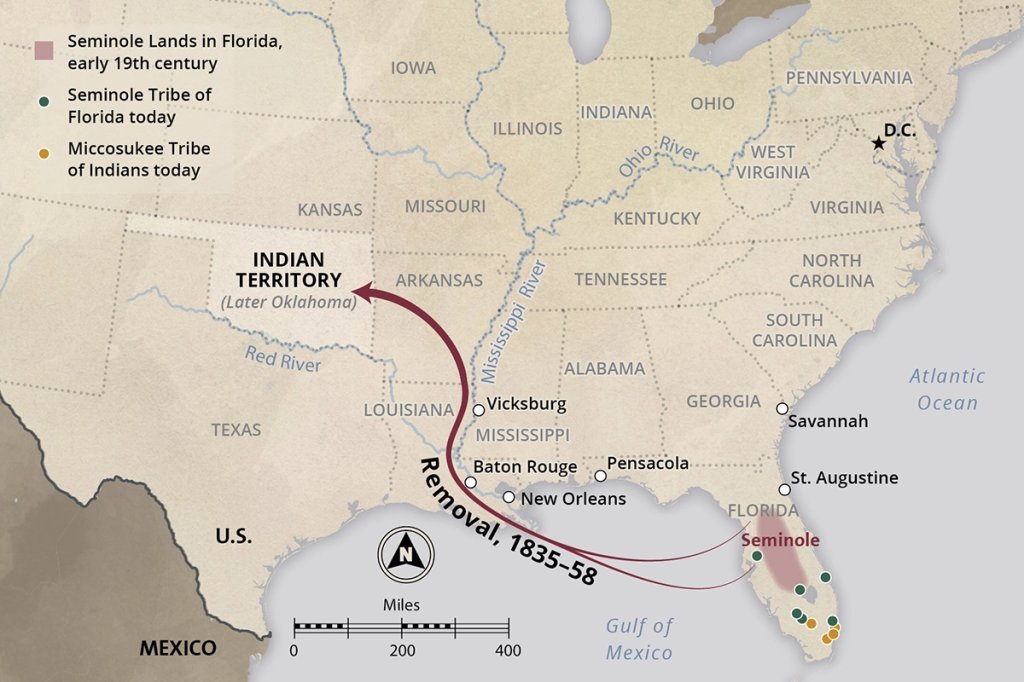
Following the Indian Removal Act of 1830, the U.S. government began forcibly relocating Native tribes to lands west of the Mississippi River. For the Seminoles, this meant removal from their homeland in Florida to Indian Territory, now Oklahoma.
Thousands of Seminoles and Black Seminoles were captured and marched west under brutal conditions. Many died from disease, starvation, and exposure during the journey, which became part of the larger tragedy known as the Trail of Tears.
Once in Indian Territory, the Seminoles faced further struggles. They were initially placed under the authority of the Creek Nation, leading to disputes over land and sovereignty. Eventually, they established their own district to maintain independence. The Black Seminoles, however, continued to experience racial prejudice and discrimination. Seeking safety and autonomy, some fled once more, this time to Mexico, where they became known as the Mascogos and served as border scouts for the Mexican government.
Despite displacement and adversity, both the Seminoles and Black Seminoles maintained their cultural identity and traditions, ensuring their survival across generations.
Legacy and Influence: From the Everglades to Modern America
The Seminoles’ spirit of resistance and their mastery of unconventional warfare left a profound mark on American military history. Their strategies of mobility, terrain familiarity, and small-unit tactics influenced future generations of soldiers.
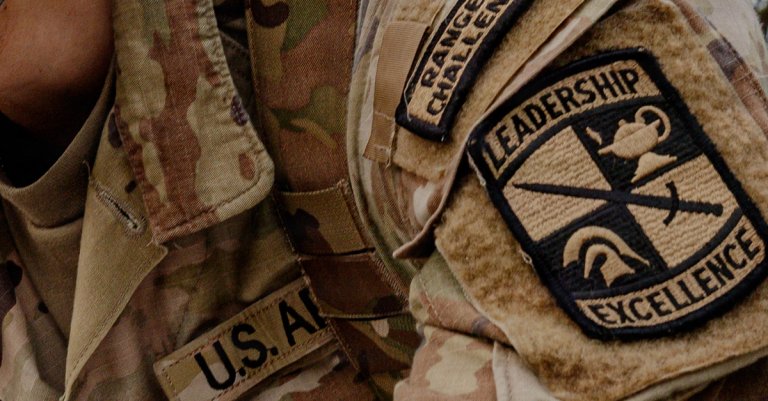
Modern U.S. Army Special Forces—known as the Green Berets—trace part of their heritage to the frontier scouts who learned from Native and Black Seminole fighters. The Black Seminole Scouts, established in 1870, became one of the most elite units in U.S. military history, serving alongside the Buffalo Soldiers of the 9th and 10th Cavalry and the 24th and 25th Infantry Regiments.
When the U.S. Army created its Special Forces branch in 1952, it deliberately adopted the crossed arrows insignia originally worn by Indian Scouts, especially the Black Seminoles. This symbol, representing stealth, adaptability, and partnership with indigenous communities, remains central to Special Forces identity.
The Green Berets’ motto, “De Oppresso Liber”—“To Free the Oppressed”—embodies the same spirit that defined the Seminoles and Black Seminoles: the fight for freedom, the defense of the marginalized, and the power of resilience. Their shared legacy lives on in the Special Forces’ core principles of cultural fluency, small-team operations, and alliances with local populations.
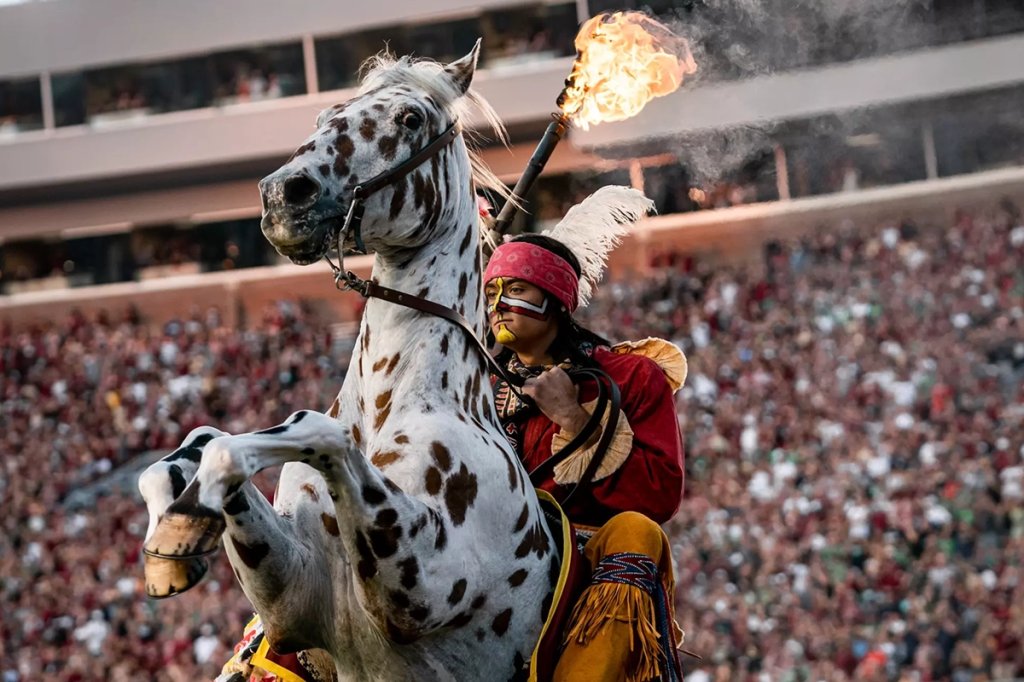
Today, the Seminole Tribe of Florida and the Seminole Nation of Oklahoma thrive as sovereign nations, leaders in education, business, and cultural preservation. Their influence is honored through Florida State University, whose Seminoles mascot, created in partnership with the tribe, stands as a symbol of honor, courage, and pride. The image of Chief Osceola riding Renegade onto the field represents a living tribute to the Seminole people and their enduring spirit.
The Unconquered Legacy
The Seminoles’ story is one of defiance, survival, and unbreakable resolve. From the swamps of the Everglades to the deserts of Oklahoma, they refused to surrender their identity. Through their alliance with the Black Seminoles, their resistance in the Seminole Wars, and their symbolic connection to the modern Green Berets, they built a legacy that continues to inspire both military and civilian leaders today.
The crossed arrows worn by America’s Special Forces are more than just an insignia—they are a living reminder of the Seminoles’ enduring influence on the ideals of freedom and the fight against oppression.
The Seminoles are, and will always be, The Unconquered People.
Honoring the Legacy Through Education and Service
Thanks to Florida House Bill 1329, schools are now required to teach veteran history, including these stories, ensuring that the bravery and legacy of these soldiers are never forgotten.
The bill also strengthens support for today’s veterans by:
- Designating Veterans Florida as the lead agency for military transition assistance and outreach to servicemembers, veterans, National Guard and reserve members, and their spouses.
- Expanding Veterans Florida’s board and authorizing programs to match veterans with training, certification, and employment opportunities, while supporting entrepreneurship and veteran-owned small businesses.
- Creating exemptions for hunting and fishing licenses for disabled veterans and expanding the Advisory Council on Brain and Spinal Cord Injuries to include veterans or their families.
- Requiring public school instruction on the history and importance of Veterans Day and Memorial Day.
- Establishing the Major John Leroy Haynes Florida Veterans’ History Program to record and preserve veterans’ stories for future generations.
Teaching this history reminds us that the fight for freedom abroad and the fight for equality at home are inseparable—and honors those who served with courage despite facing injustice.
Organizations like the BLK OPS Foundation are leading the charge to bring this history to classrooms across the country. Through veteran-led storytelling, mentorship, and interactive educational programs, BLK OPS links Special Operations heritage to youth empowerment and historical education. Their work is part of a growing movement to recover and teach hidden narratives—including that of the Black Seminoles—that reflect the real diversity and complexity of America’s past. To learn more about their efforts, visit www.blkopsfoundation.org.