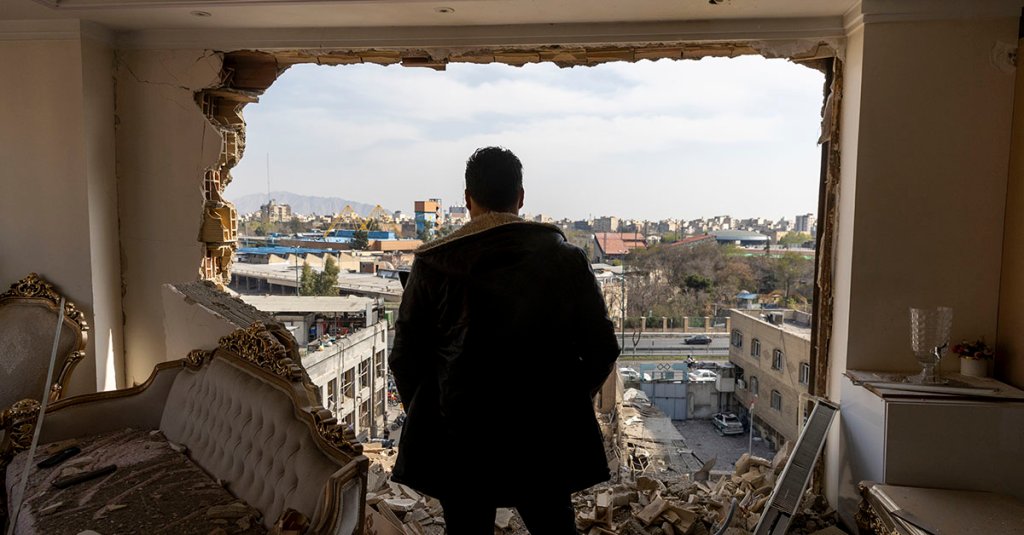
Where is Ali-Reza Asgari?
The Iranians have wanted to find that out since December 9, 2006, when Asgari, a retired major general in the Islamic Revolutionary Guard Corps, disappeared. His last known sighting was in Istanbul.
Some claimed the CIA or the Mossad (Israel’s secret police) kidnapped him or he was away on business. Neither of those possibilities is likely true. Asgari defected to the United States willingly, according to an extensive investigation by Iran International in 2024.
Related: Aldrich Ames, the Cold War’s deadliest CIA mole, completes life sentence
Based in London, the Persian-language satellite television network reported Asgari was living in the U.S. under an assumed name provided by the federal Witness Protection Program.
Asgari’s transition to becoming a spy for America did not happen overnight. After it did, Asgari brought with him a “gold mine” of intelligence, some of which likely prevented the U.S. from going to war against Iran over its nuclear program in 2007.
Tortured in Prison
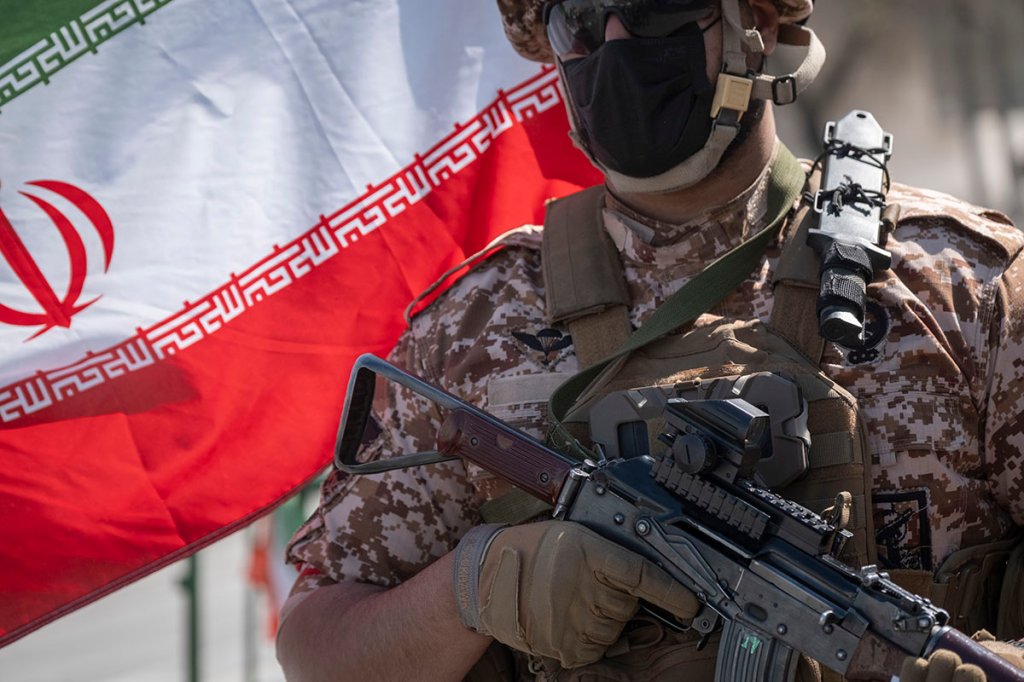
Who is Ali-Reza Asgari?
The major general’s ties to the Islamic Revolutionary Guard Corps began shortly after the Islamic Revolution in 1979. Asgari advanced through the ranks and became a commander, first in Kurdistan and then in Lebanon. He is credited with transforming Hezbollah, an Iranian-backed terrorist group in Lebanon, into a more modern organization.
Asgari was arrested on charges of moral and financial corruption after returning to Iran. He was brutally tortured during his 18 months in prison. Disillusioned and angry, Asgari was a changed man after his confinement, according to a 2007 article in The Financial Times of London.
A year after his release in 2004, U.S. intelligence officials reportedly began recruiting Asgari in Thailand. It took two years for him to flip, but once he did in Türkiye, American agents were there waiting for him. They took Asgari to a military base in Germany, per Iran International.
Two months later, Asgari reportedly was in witness protection.
Providing High-Level Intelligence
What did Ali-Reza Asgari disclose?
Apparently plenty. He allegedly identified Mohsen Fakhrizadeh as the head of Iran’s nuclear program, leading to Mossad assassinating him with a remote-controlled machine gun in 2020.
Asgari also revealed details about a secret uranium enrichment site in Iran and a military nuclear reactor in Syria, the latter of which the Israeli Air Force destroyed in 2007.
Asgari’s apparent defection definitely wasn’t good news for Imad Mughniyeh, who was charged after the hijacking of TWA Flight 847 on June 14, 1985, and the murder of Robert Stethem. A Navy Seabee diver, Stethem was a passenger on that flight. The terrorists severely beat him and shot him in the head before throwing his body out of the airplane and onto the tarmac of the Beirut airport.
Asgari was Mughniyeh’s primary Iranian contact. A joint CIA-Mossad operation killed Mughniyeh in Damascus, Syria, in a car bombing in 2008.
That’s just some of the details that Iran International’s investigation found. There was more.
“Like Throwing Cold Water on Fire”
What did Ali-Reza Asgari say that kept the American military from attacking Iran two decades ago?
In 2006 and 2007, Washington was believed to be considering knocking out Iran’s nuclear program (sound familiar?). Their thinking changed, however, as revealed in a classified government document known as the National Intelligence Estimate (NIE). The 2007 NIE stated that Iran stopped its nuclear weapons program in fall 2003, and U.S. government officials were “moderately confident” they had not restarted it.
That intelligence likely came from Asgari, leading the U.S. to back off. The publication of the 2007 report “was like throwing cold water on fire,” Iran International reported, and any potential plans the US had for bombing Iran at that time were shelved.
Controversy Surrounding the 1983 Beirut Bombings
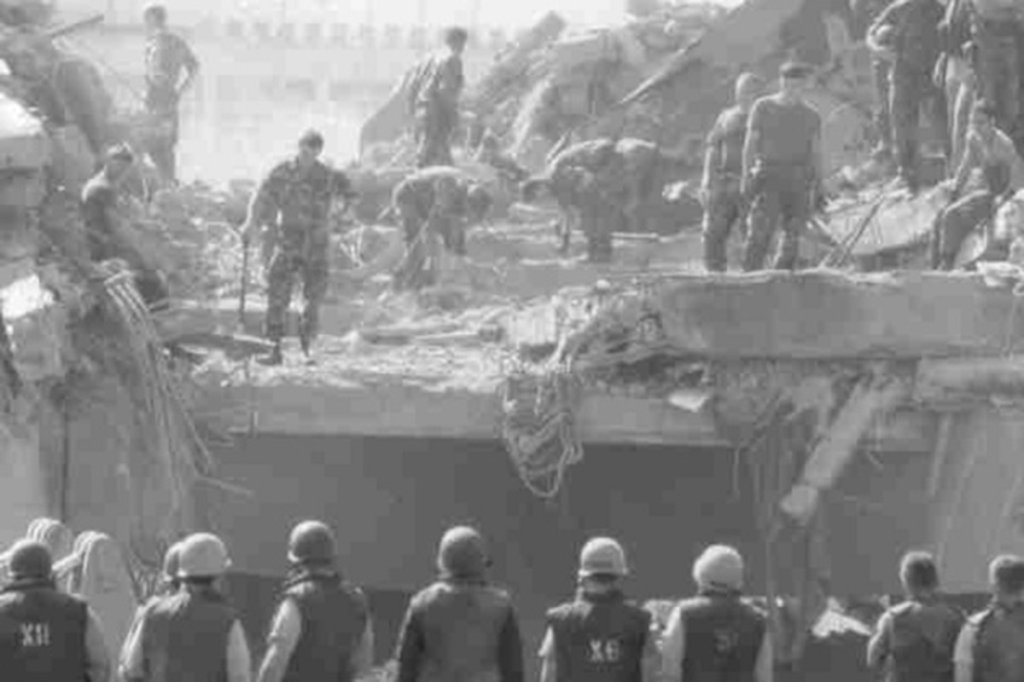
Asgari had intimate knowledge of Hezbollah in the late 1980s and early ’90s. How much he knew about the 1983 bombing of the American Embassy and Marine barracks in Beirut remains an unresolved question. Seventeen Americans, including eight CIA employees, died in the embassy blast, and the Marine barracks bombing killed 241 service members.
William Barron was a first responder to the Marine barracks attack. He told CNN in 2014 that he felt a sense of betrayal after learning the U.S. apparently gave Asgari a new life.
“My immediate reaction was sick to my stomach,” Barron said. “I can’t see anything being gleaned from him that we cannot glean from other sources. The man needed to die.”
Iran International’s reporting showed no direct evidence of Asgari’s involvement in those terrorist attacks. Still, irrefutable evidence either way has not been disclosed publicly. For their part, U.S. intelligence agencies have denied offering Asgari asylum or knowing where he is. As a result, a mystery that began two decades ago remains unresolved.
What exactly happened to Ali-Reza Asgari?