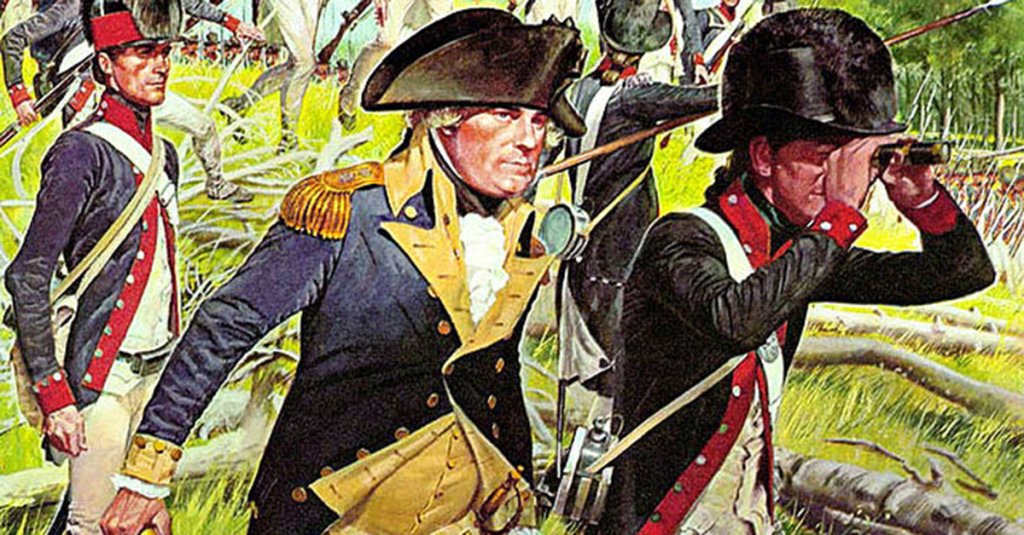
As the United States approaches its 250th anniversary in 2026, the celebration is not merely a commemoration of a founding document or a date on a calendar. It is a tribute to the men and women whose leadership, courage, and discipline carried the American cause through its most fragile years.
The success of the American Revolution depended heavily on the leadership of commanders who could inspire exhausted soldiers, intimidate enemies, and make bold decisions in moments of extreme uncertainty. Among the most important of these leaders was Anthony Wayne, a fearless Continental Army general whose aggressive tactics and uncompromising discipline earned him the nickname “Mad Anthony.”
Related: George Washington’s secret spy code name was Agent 711
George Washington relied on officers who could carry out daring operations when opportunities arose. Wayne proved to be one of his most reliable and aggressive commanders, playing key roles in battles such as the Battle of Monmouth, Battle of Stony Point, and the campaign culminating in the decisive American victory at the Siege of Yorktown.
Without commanders like Wayne, men who combined daring with discipline and loyalty, the United States might never have survived its revolutionary beginnings.
A Revolutionary Mindset
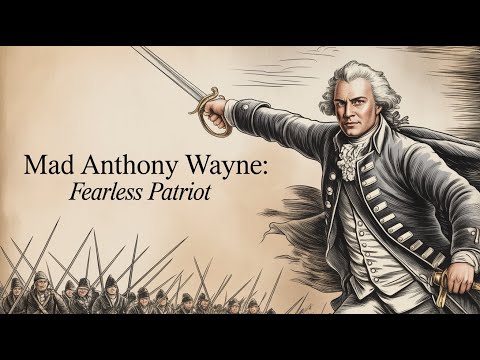
“Mad” Anthony Wayne: The Fearless General Who Never Backed Down
Anthony Wayne was born on January 1, 1745, in Chester County, Pennsylvania, into a family of farmers and civic leaders.
His father was a respected landowner and surveyor who had served in local government and participated in frontier defense during earlier conflicts. From a young age, Wayne absorbed lessons about land management, mathematics, and responsibility. He grew up in a world where self-reliance and preparedness were essential, particularly in frontier regions where conflict with Native tribes and European powers remained a constant possibility.
As a young man, he worked as a surveyor in Nova Scotia, gaining firsthand experience in planning settlements and navigating difficult terrain. This background later proved invaluable in military operations that required engineering skill and logistical precision.
When tensions between Britain and the American colonies escalated in the early 1770s, Wayne emerged as a supporter of colonial resistance. He joined local committees and militia organizations, demonstrating organizational ability and a willingness to confront British authority.
By the time open conflict erupted in 1775, Wayne was already recognized as a capable leader. In 1776, he received a commission as colonel of the 4th Pennsylvania Battalion in the Continental Army. The newly formed army faced inadequate training, limited supplies, and uncertain prospects. Officers like Wayne transformed volunteers into disciplined soldiers capable of facing one of the most powerful militaries in the world.
Rising Through the Continental Army
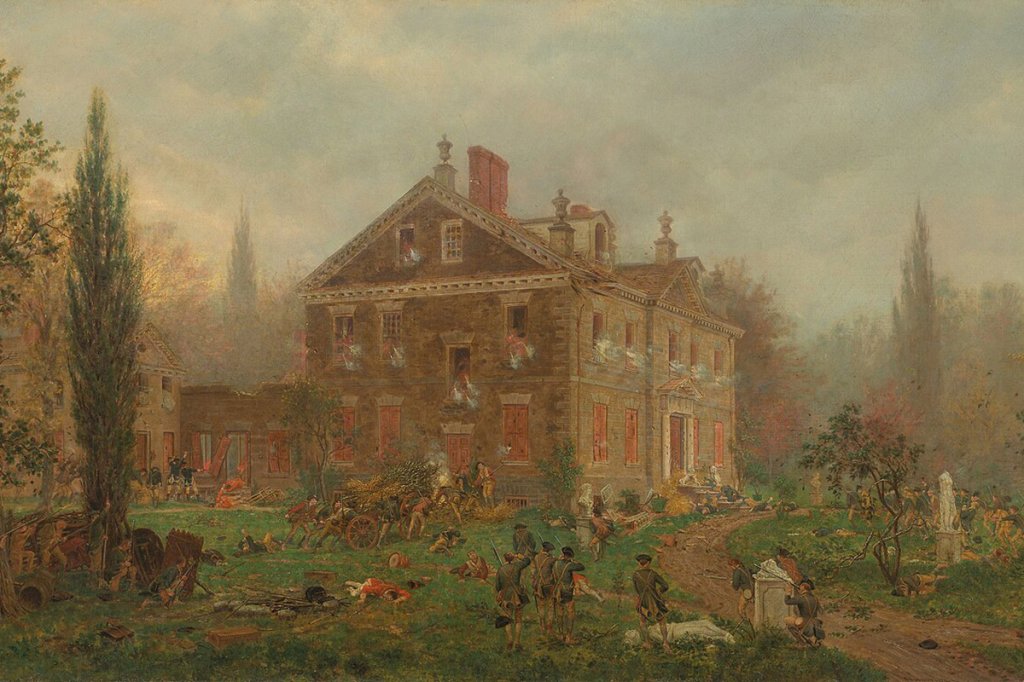
Wayne’s early campaigns revealed his strengths and established his reputation. He fought in the Philadelphia campaign of 1777, participating in the Battle of Brandywine and the Battle of Germantown. Though both battles ended in setbacks for American forces, they provided valuable experience. Wayne demonstrated bravery under fire and a willingness to take initiative, qualities that drew the attention of Washington and other senior officers.
In September 1777, Wayne commanded forces at Paoli, Pennsylvania, where British troops launched a surprise nighttime attack. The engagement, often called the Paoli Massacre, resulted in heavy American casualties. While the defeat was painful, Wayne’s conduct under pressure reinforced his reputation as a determined leader. He demanded discipline and accountability from his troops, recognizing that survival depended on maintaining order and readiness even in the face of setbacks.
Washington promoted Wayne to brigadier general later that year. The promotion reflected his battlefield performance and ability to enforce discipline. At a time when the Continental Army struggled with desertion and inconsistent training, Wayne’s insistence on high standards helped improve the effectiveness of his units.
The Emergence of “Mad Anthony”
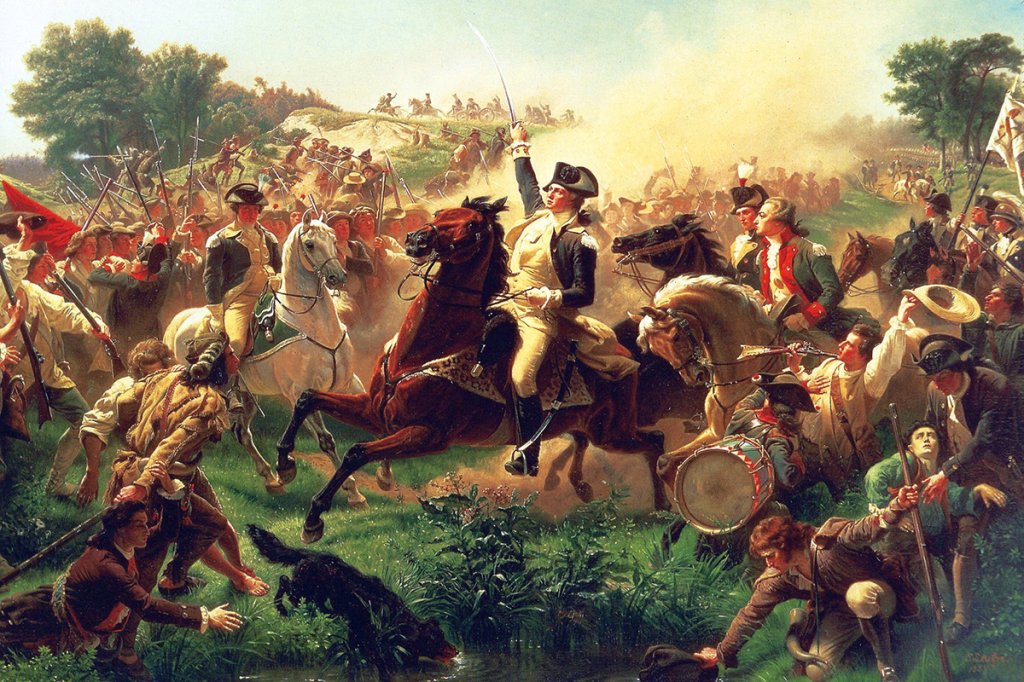
The summer of 1778 brought the Battle of Monmouth, one of the largest engagements of the Revolutionary War. Fought in extreme heat, the battle tested the endurance and professionalism of the Continental Army. Wayne commanded advance elements and engaged British forces in intense fighting. His aggressive tactics and personal bravery stood out during the chaotic engagement.
Around this period, stories about Wayne’s fiery temperament began circulating among soldiers and officers. He was known to react strongly to disobedience and incompetence, and he demanded strict adherence to orders.
The nickname “Mad Anthony” reflected not irrationality but intensity. It suggested a commander who stopped at nothing to achieve his objectives, who expected total commitment from his soldiers, and who personally shared in the dangers of combat. For his troops, the name became a badge of confidence. Serving under “Mad Anthony” meant participating in bold operations led by a commander who would not ask others to do what he would not do himself.
Stony Point and Daring Leadership
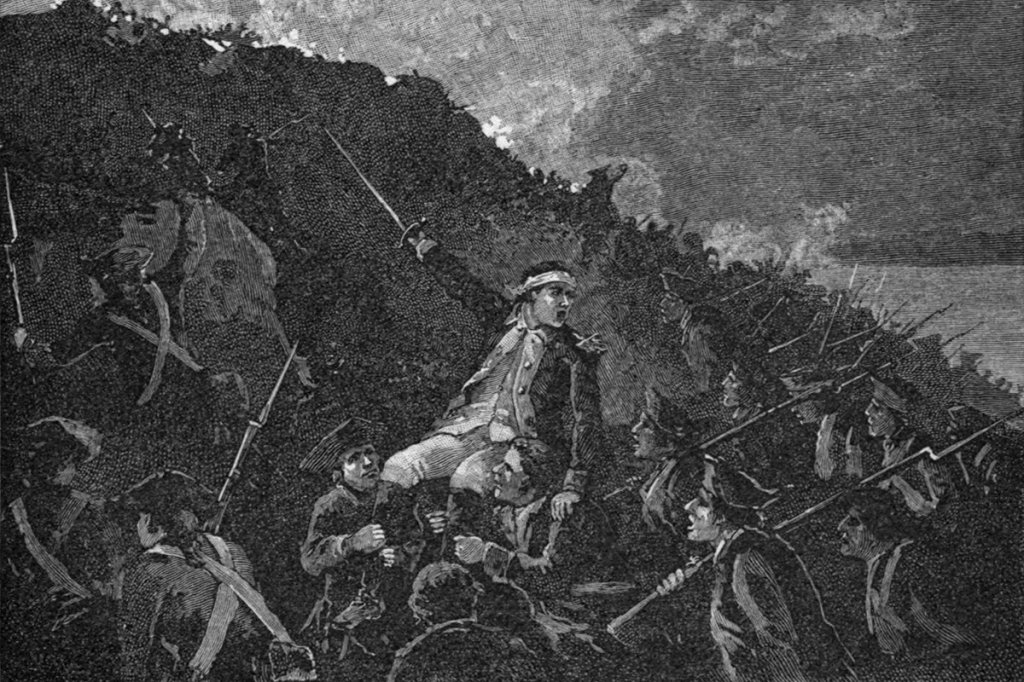
Wayne’s most celebrated moment came in July 1779 at the Battle of Stony Point. British troops established a fortified position at Stony Point on the Hudson River, threatening American control of the region. Washington wanted to strike a blow that would disrupt their plans and raise American morale. He chose Wayne to lead the attack.
He organized a force of light infantry trained for rapid movement and close combat. To maintain surprise, the soldiers advanced at night with unloaded muskets and relied on bayonets. Wayne divided his force into columns that would attack from multiple directions and overwhelm the defenders.
During the assault, a musket ball grazed Wayne’s head, but he refused to leave the field. He reportedly urged his men forward and insisted on remaining in command. The Americans captured Stony Point in a swift and decisive attack, taking hundreds of prisoners and securing valuable supplies.
Although the position was later abandoned for strategic reasons, the victory electrified the Continental Army and the American public. Congress awarded Wayne a gold medal in recognition of his leadership. The operation became a textbook example of disciplined aggression combined with careful planning.
The Road to Yorktown
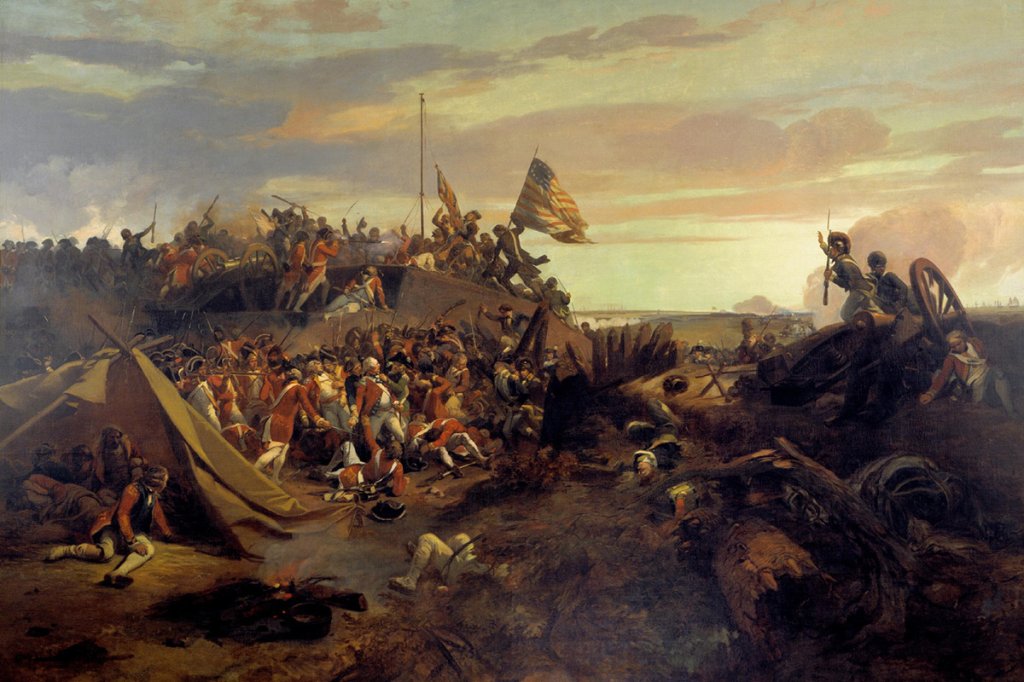
Following Stony Point, Wayne continued to take part in major campaigns, playing a role in efforts to disrupt British control in Georgia and the Carolinas, and maintaining pressure on British forces across multiple theaters. His leadership style, bold, direct, and uncompromising, proved valuable in fast-moving and unpredictable campaigns.
His contributions helped set the stage for the final phase of the war, culminating in the American and French victory at the Siege of Yorktown. The surrender of British Gen. Cornwallis marked the effective end of major combat operations and secured American independence.
By war’s end, Wayne was one of Washington’s most trusted field commanders. His willingness to act decisively complemented Washington’s broader strategic vision. Together, they helped sustain the revolutionary cause through years of uncertainty and hardship.
Postwar Service and the Northwest Indian War
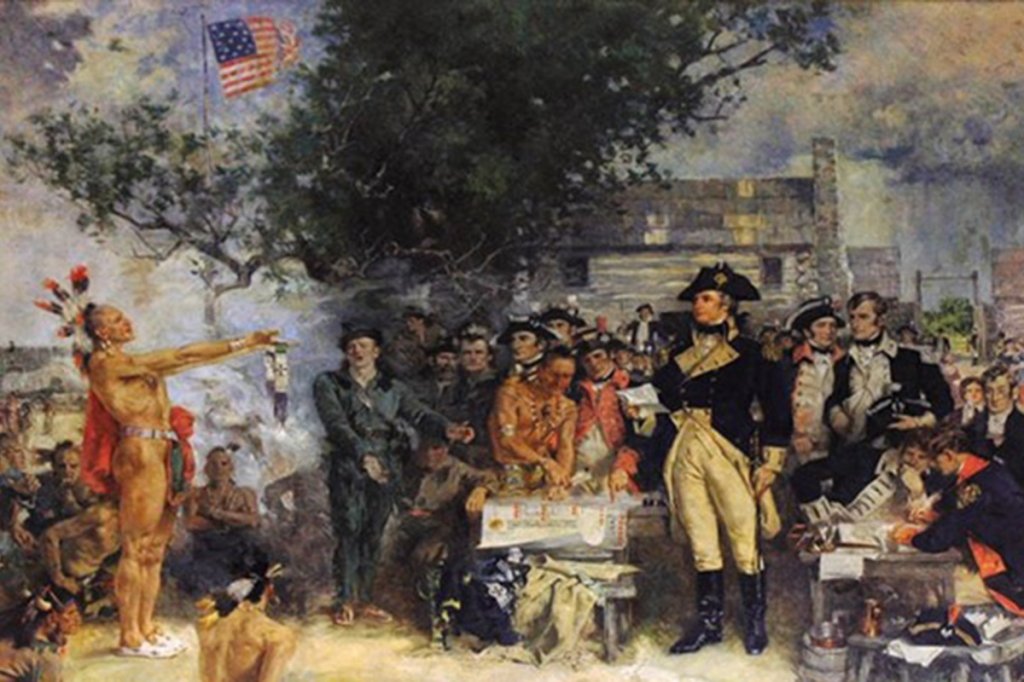
After the war, Wayne returned briefly to civilian life and served in state government and later in the U.S. House of Representatives as a delegate from Georgia between 1791 and 1792. However, the young nation soon faced new challenges on its western frontier. Conflicts in the Northwest Territory resulted in devastating defeats for United States forces and threatened national stability.
Washington appointed Wayne as the senior officer of the U.S. Army in 1792, tasking him with rebuilding the army and restoring American control in the region. Wayne reorganized the army into the Legion of the United States, a more flexible and disciplined force that combined infantry, cavalry, and artillery. He emphasized training, logistics, and professionalism, creating a model for future U.S. military organizations.
Wayne’s efforts culminated in the American victory at the Battle of Fallen Timbers, which forced Native American resistance forces to negotiate. The subsequent Treaty of Greenville opened much of the Northwest Territory to American settlement. While controversial in its long-term consequences for Native communities, the campaign demonstrated Wayne’s ability to lead complex military operations in challenging terrain.
Death and Historical Legacy
Wayne died in 1796 while still on active duty at Presque Isle, near modern Erie, Pennsylvania. His death in service underscored his lifelong commitment to the nation. Over time, Wayne’s legacy has been honored through monuments, place names, and historical study. Towns, counties, and institutions across the United States bear his name.
Wayne’s reputation remains complex. Admirers praise his courage, discipline, and effectiveness. Critics note his harsh methods and aggressive approach. Yet his contributions to the success of the American Revolution and the early republic are undeniable. His leadership helped establish traditions of readiness, professionalism, and decisive action that continue to shape American military culture.
As the United States marks its 250th anniversary, remembering figures such as Anthony Wayne provides insight into the character and determination required to build and defend a nation. The Revolutionary War was a prolonged struggle marked by setbacks, shortages, and uncertainty. Victory depended on leaders who could inspire confidence, enforce discipline, and seize opportunities.
George Washington’s ability to rely on capable subordinates such as Wayne was crucial. Without such commanders, the Continental Army might not have survived long enough to secure independence. Wayne’s daring at Stony Point, resilience at Monmouth, and effectiveness on the frontier illustrate the kind of leadership that sustained the American cause.
The legacy of “Mad Anthony” endures not only in the annals of American history but also in the traditions of the U.S. military and the continuing story of a nation shaped by those willing to lead from the front.