
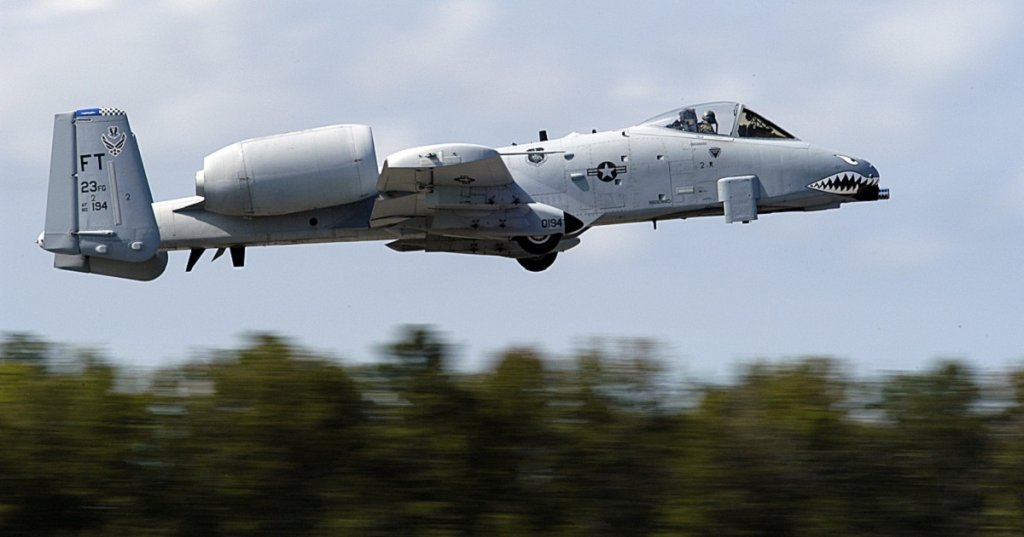
When you think of the German Autobahn, chances are good the A-10 isn’t what comes to mind. You probably fantasize about burning rubber without worrying about getting a speeding ticket. What might not come to mind is that NATO plans for World War III intended for the Autobahns to do more than simply move motor vehicles.
Some stretches of the Autobahn were designated as emergency airstrips. This was actually some extremely prudent planning on NATO’s part. The problem with air bases is that they’re hard to hide, even in the days before Google Earth made hiding nearly impossible.
The operating assumption was that the Warsaw Pact was going to try to shut down those airbases by cratering runways, blasting facilities, and, if they were in a particularly nasty mood, they’d follow up those attacks by “sliming” the bases with persistent chemical agents. Now, this had the potential to be a very serious problem for NATO, since the Warsaw Pact’s war plans involved hordes of tanks, armored personnel carriers, infantry fighting vehicles, infantry, and artillery directed at NATO.
To stop those hordes, NATO relied on very responsive close-air support. There were two approaches to handling the only real option NATO had: One was to develop jets that could operate from very short fields, like the Harrier, used by both the Royal Air Force and the United States Marine Corps. The other approach was to find makeshift runways, outside of obvious airbases.
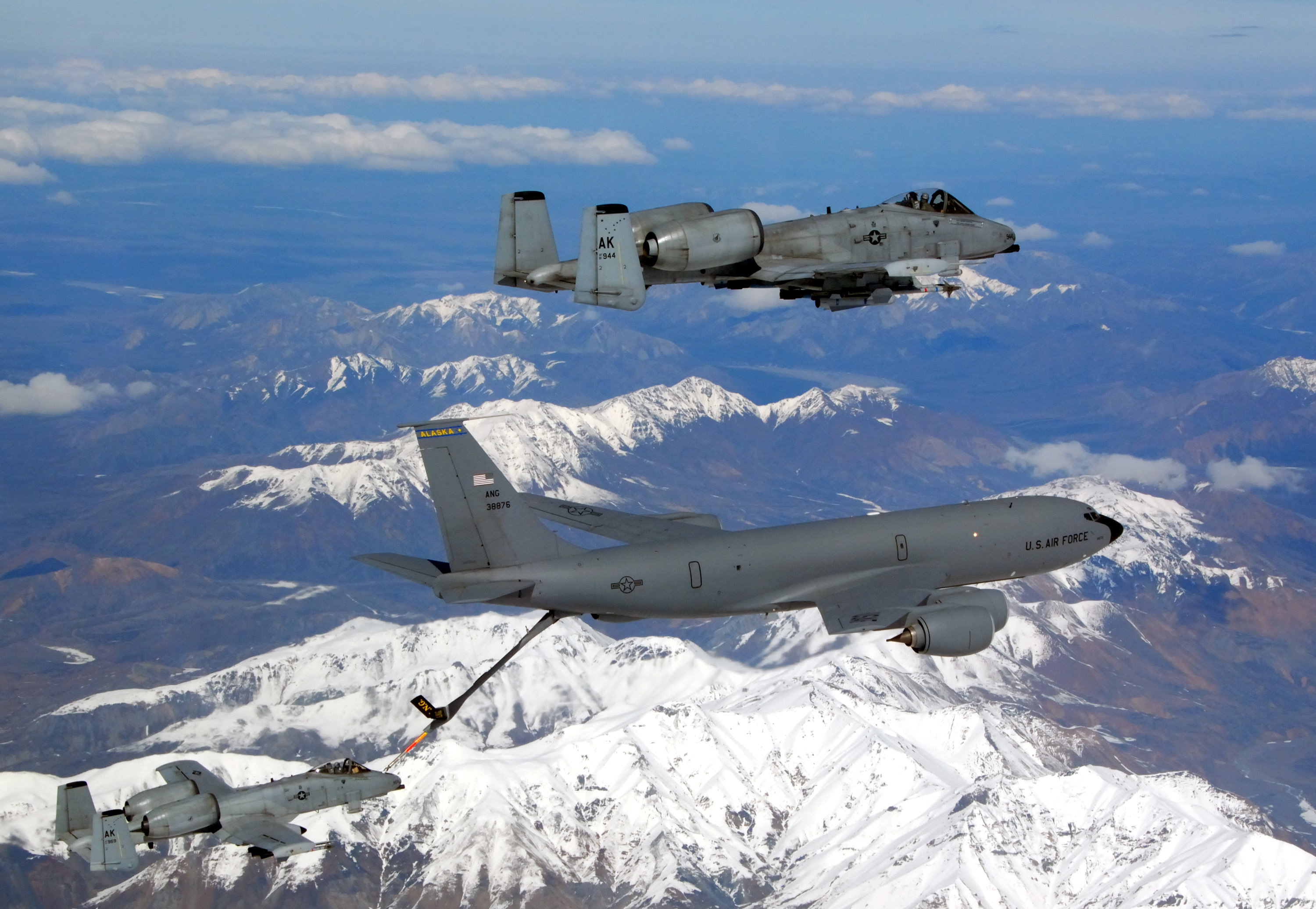
So why the Autobahn?
The Autobahn was a natural selection for such a task. It’s really wide, well-maintained, and long enough for aircraft like the A-10. Plus, it allows Harriers to use rolling takeoffs. Rolling takeoffs mean A-10s can carry more bombs. Always a good thing when prepping for war.
Of course, all of these plans were put in place for a war that never materialized, but the threat was once felt to be very real and very imminent. So, on occasion, NATO would practice operations from the Autobahn. That way, if a real war ever broke out, everyone was ready. That includes having the ability to keep those planes like the A-10 Thunderbolt in the fight.
The A-10s could then remain more responsive to troops fighting on the ground, rather than operating from bases behind the lines. Today, the legendary “tank of the air” continues to conduct exercises intended to send Moscow a strong message.
You can see how the A-10s managed to get their Autobahn operations practice in the video below. Thankfully, such capability hasn’t yet been needed.

A-10 Warthog Lands On Highway Airfield
Don’t Miss the Best of Mighty News
We Are The Mighty is a celebration of military service, with a mission to entertain, inform, and inspire those who serve and those who support them. We are made by and for current service members, veterans, spouses, family members, and civilians who want to be part of this community. Keep up with the best in military culture and entertainment: subscribe to the We Are The Mighty newsletter.