Short answer: Because PCS removes the intimacy padding.
In normal life, you can still be in love and be a little insulated from each other. You can cool off separately. You can avoid the tender spots. You can “communicate later.” You can grab takeout, push the hard conversation to the weekend, and pretend the tension is just a mood.
A PCS doesn’t let you do that.
Related: You might be PCSing if…
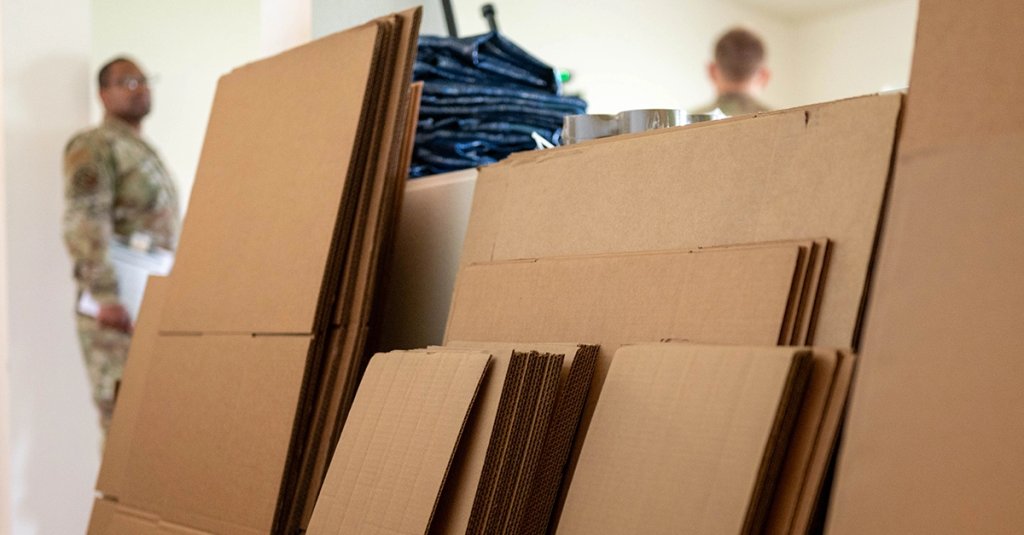
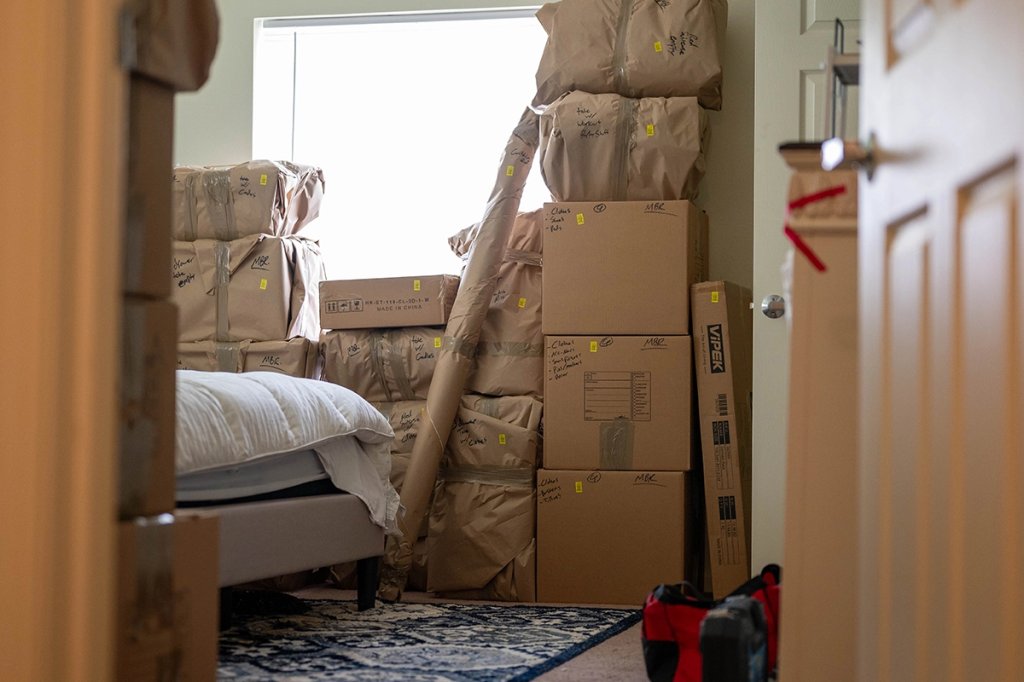
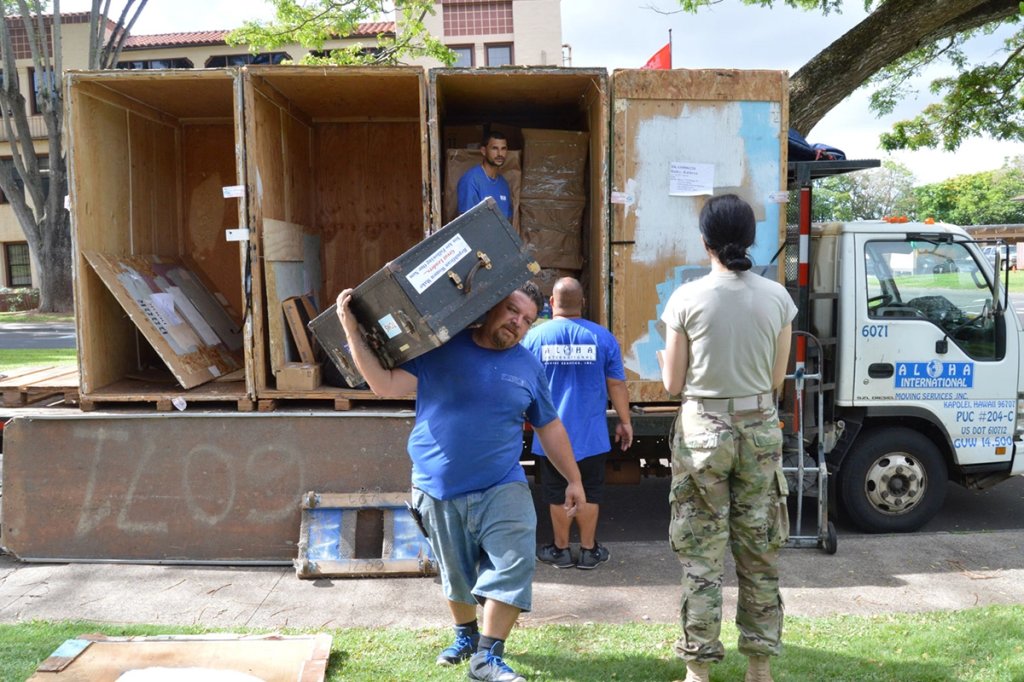
Instead, it’s prolonged stress with deadlines, consequences, and an endless parade of small, stupid obstacles that become big, stupid obstacles when you’re already maxed out. It’s the system demanding performance from you while also refusing to be predictable. It’s your home getting broken down into boxes and inventory sheets, and “we’ll see when it gets there.” It’s you needing answers from offices that don’t answer.
And suddenly, the relationship stops being mostly about feelings and becomes about function.
That’s the intimacy part nobody explains. Not the warm, fuzzy version. The real one.
Because when the stakes are that constant and the control is that low, your partner becomes either your safest place to land or the place you bleed out. There isn’t much in between.
PCS turns your relationship into infrastructure.
A lot of couples think intimacy is emotional closeness. PCS teaches you intimacy is reliability.
It’s the moment you realize the only stable thing in the entire operation is the two of you. Housing is not stable. Timelines are not stable. Comms are not stable. The sponsor text that says “welcome!” is not stability. TMO is not stability. The office that “only does walk-ins on Tuesdays” is not stability.
Your relationship becomes the only structure you can build on.
That’s why the handoff moments hit like a gut punch. When your partner says, “Go sit in the car. I’ve got this,” it doesn’t feel like romance. It feels like safety. It feels like someone saw you tipping into the red and took the weight without making you justify it first.
That’s intimacy: being held up without having to beg.
And when you do it for them—when you can tell they’re about to go full scorched-earth on the housing office and you step in, steady voice, calm face, “I’ll handle this”—that’s the same thing. Not cute. Not Instagrammable. Just real.
It gives you a private language.
People outside this life can understand the concept of a move. They cannot understand the texture.
They don’t know what it means to have orders floating out there like a fictitious character that controls your entire future. They don’t understand why “just one more form” makes you see stars. They don’t understand why your PCS binder suddenly becomes more valuable than gold.
So when you look at your partner and they get it—when you don’t have to translate why you’re angry, or why you’re not hungry, or why you need five minutes alone in the car before you go back inside—it’s relief at a nervous-system level.
Being understood without having to perform is intimacy. Full stop.
And PCS forces that language into existence because you need shorthand to survive it.
It’s also why PCS fights feel so personal
They start innocuously enough: where are the keys, where’s the binder, who packed the meds, who called housing, who forgot the one thing you needed.
But what’s underneath it is almost always the same: I need to know you’re on my team when this gets hard.
Because every military move, no matter how many times you’ve done them, is one long stretch of “hard,” and the cost lands on both of you. The landing isn’t always even and not always in the same way. One of you may be carrying the external pressure. The other may be carrying the internal labor. Both of you feel unseen, because the situation doesn’t leave room for noticing—just reacting.
When your life is unstable, your brain hunts for something it can control. If it can’t control the system, it tries to control the closest thing in the room. That’s your partner. That’s why the blast radius hits home.
And when you repair—when you come back after the snap and say, “That wasn’t about you, I’m just drowning”—that’s intimacy, too. It’s not pretty, but it’s real. It’s choosing the team even when the team is tired and spiky and not at its best.
Here’s how to reframe the question
Military moves create this sort of true intimacy because it turns love into something testable.
Not “do you feel close.” Not “are we communicating.” Not “are we having date nights.” Those are nice when life is nice.
The moves ask a different question: When everything is uncertain and you’re both stretched thin, can we still function as a unit? Can we still cover each other? Can we still repair? Can we still choose “we” when the machine is trying to make everything feel like you versus me?
And if you can—if you learn each other under pressure, if you learn how to hand off without resentment, if you learn how to fight without destroying—you come out with a closeness that isn’t based on vibes.
It’s based on proof.
Because you didn’t just love each other through a move. You built a whole life from scratch together while the clock was ticking.