Military life is built on structure. Ranks, missions, and expectations are all part of the culture. That structure does more than organize a career; it shapes identity. And it shapes relationships, in and out of the uniform. When two people build a life inside the military, their love grows inside that framework. It grows and thrives with structure. Deployment cycles, PCS moves, career decisions, duty days, and reintegration constantly challenge relationships to evolve in the military.
Also Read: The Artemis II mission mirrors the military life we already live
Long before separation or retirement ever enters the conversation, relationships evolve in the military. This is important to understand. Because when the uniform finally comes off, it’s not the first change, it’s just the most visible one.
During service, relationships are forged through the intensity and pressure of military life. Deployment stretches communication thin. Emotional compartmentalization becomes a survival skill, and one partner may be operating in combat zones while the other carries the entire household alone.
Roles shift repeatedly. And when homecoming comes and brings relief and joy, it can also bring friction. The rhythms built in absence don’t always disappear overnight. Reintegration isn’t just physical; it’s emotional. And all the while, military identity shapes us.
A service member becomes known by rank, performance, and reliability. Leadership and decisiveness are reinforced daily. A spouse becomes known for resilience, flexibility, and sacrifice. And the military community categorizes us under labels. It is all smooth sailing until it is not.
Because beneath the labels, two people are changing. Sometimes at different speeds.
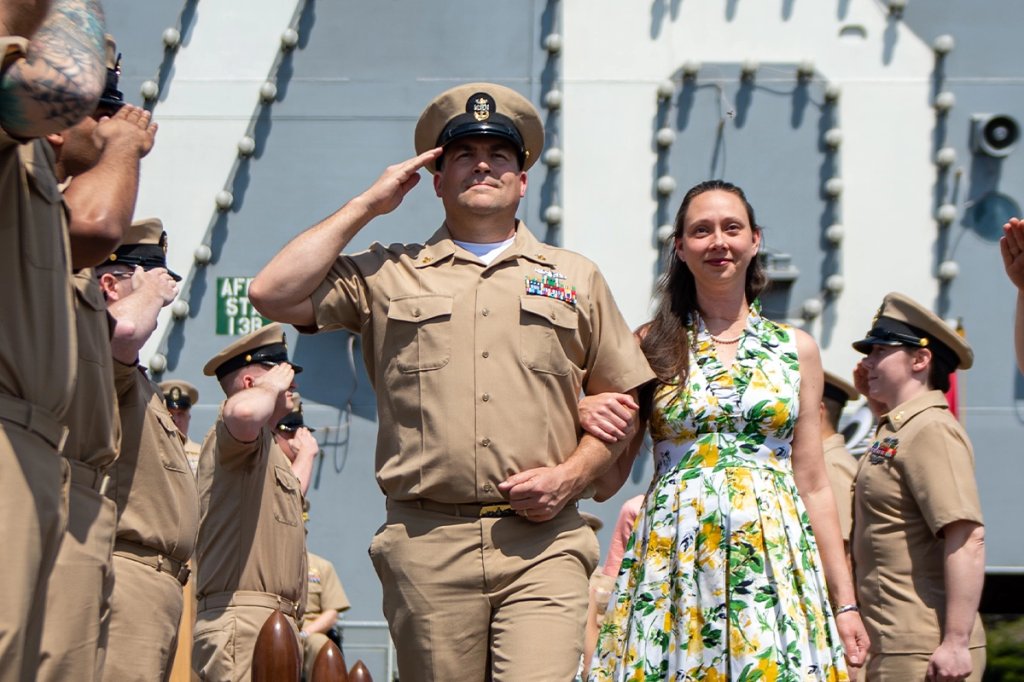
Military communication is efficient. Clear. Direct. Often task-oriented. But what works in operations doesn’t always work inside the home, in a relationship or partnership.
Many couples normalize operating this way because the mission always comes first. There isn’t always space to unpack emotions mid-deployment cycle or mid-promotion timelines. Conversations get postponed. Feelings get shelved, not because we want to but because it is out of necessity. Over time, that becomes a habit. Then one day, the structure shifts.
Retirement. Separation. Medical discharge—whatever the reason—the uniform comes off. The rank on the chest is no longer needed. Suddenly, there is no daily formation, no command structure, no built-in purpose or community. The identity that once felt solid, starts crumbling. As the service member questions their identity, there are parallel feelings for the spouse.
“Who are we, if we are no longer navigating military life?”
Changes start happening, and families start noticing. The house feels different, even if they were technically “home” all along. Shared space shifts. Routines change. Responsibilities get renegotiated. Power dynamics adjust. The mission and structure that once organized everything have disappeared. What remains is the relationship without the military pressures keeping the bigger picture together. It can be a lot. However, this time comes with a lot of opportunity.
After service, couples often meet each other as new versions of themselves. There has been plenty of change and growth through the years of service, and it shows. Without the constant backdrop of deployments or orders, couples have to decide: What does our life look like now? What do we build together that isn’t tied to the military?
From hobbies, friendships, new communities, and shared goals, it can be uncomfortable. There’s grief in leaving behind a chapter that shaped you. But there is beauty in the change. The end of service is not the end of identity.
Love after the uniform isn’t about surviving the next deployment. It’s about choosing each other without the pressure of military life. There are no more orders, countdowns to track, or deployments. Just two people deciding to focus on the future and move forward together.
Couples who navigate this transition well do one thing consistently: they tell the truth. About identity shifts, about fear, about grief, and about unmet expectations. Seeking support when needed from friends, using resources, and finding community. The change is very complex and needs attention when it is hurting a relationship.
The strongest military marriages aren’t the ones untouched by change. They are the ones who understand change is inevitable and lean into it, focused on what is important. The uniform may come off. But the values remain. And if those values include commitment and courage, then love after the uniform can be deeper, steadier, and more intentional.
Not because the military structure held it together, but because, in the end, the people involved chose each other without it.
Don’t Miss the Best of We Are The Mighty
• Here’s the Tom Cruise classic ‘Top Gun’ in under 3 minutes
• How ‘Major Payne’ became a Marine Corps comedy classic
• ‘Project Jedi’ aimed to teach soldiers to use the Force when firing weapons