
Finding new friendships and support networks is one of the difficult obstacles military families face with every PCS. Starting over brings on many stressors, but it also introduces us to new beginnings. Many initiatives have started hitting the ground running to connect military families at every duty station with their new communities.
Connection is the anchor to this lifestyle. This is why initiatives like the recently introduced PCS Task Force, the Military Interstate Compact, and long-time military community supporter Blue Star Families are making connections easier and more sustainable.
Related: How to make $1 million with your military pay
Our military community thrives through the lived experiences we all share. Mutual support is rooted in the day-to-day familiarity of frequent moves, deployments, new schools, and friendships. The roles many military family members in our community play keep our circles and groups bonded. Military spouses who are leaders, organizers, and overall connectors are the driving force that holds us together. The challenges our community has faced have inspired significant changes not only within our immediate communities but also through the Department of Defense chains of command.
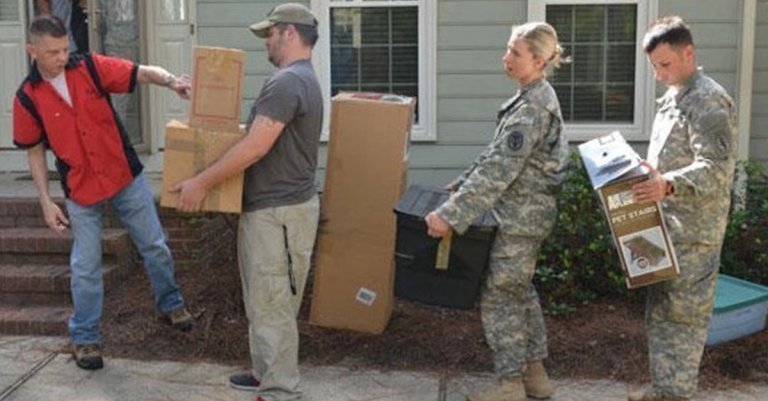
One of those big changes comes in the form of an established initiative by the Department of Defense, a resource aimed at helping service members, civilians, and their families with their government moves. The Permanent Change of Station (PCS) Joint Task Force was designed to make military moves smoother and to improve the process for household goods (HHG).
The Task Force has a 24/7 call center, where families can reach military personnel about their moving issues. It will track and log government move problems and update families as their issues are solved. The Task Force is made up of representatives from different branches, including civilian spouses, demonstrating how diverse experiences can help address the many PCS problems our community has been tackling. Initiatives like this one directly support military families. They allow the industry, chain of commands, spouses, service members, and civilians to work closely together to problem-solve and make moving transitions smoother. This is huge progress; it shows us that the “big” military is listening to our concerns.
While the PCS Task Force handles government moves, the Military Interstate Children’s Compact Commission helps military children maintain consistent educational opportunities with every move. Established in 2008, the Military Interstate Children’s Compact Commission (MIC3) oversees the Interstate Compact on Educational Opportunity for Military Children (ICEOMC).
The Commission is made up of representatives from all 50 states, the District of Columbia, and six ex officio members, including the U.S. Department of Defense (DoD). MIC3 offers several benefits for military families. It helps protect children from losing academic progress or credits when transferring between states, easing the strain of navigating new school systems with each move. MIC3 establishes a consistent, fair process and ensures that military-connected students receive the support they need, while also increasing schools’ awareness of the unique challenges these families face.
An example of MIC3’s inspiration is the story from Florida, where a teacher who learned about MIC3 through Blue Star Families motivated four high school students to draft a proposal that led to statewide MIC3 training for all teachers. A powerful reminder of how awareness and empathy can drive meaningful change for military-connected students.
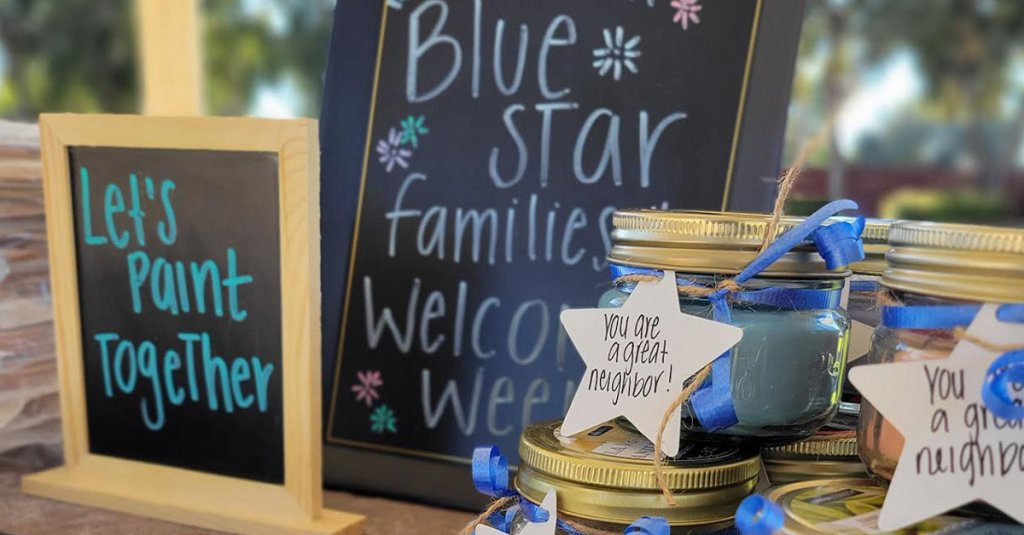
We know many policies help strengthen our military community; however, connection and belonging still happen and are rooted in local communities. This is why Blue Star Families Welcome Week events play a significant role every year to bring our military families and the local community closer together.
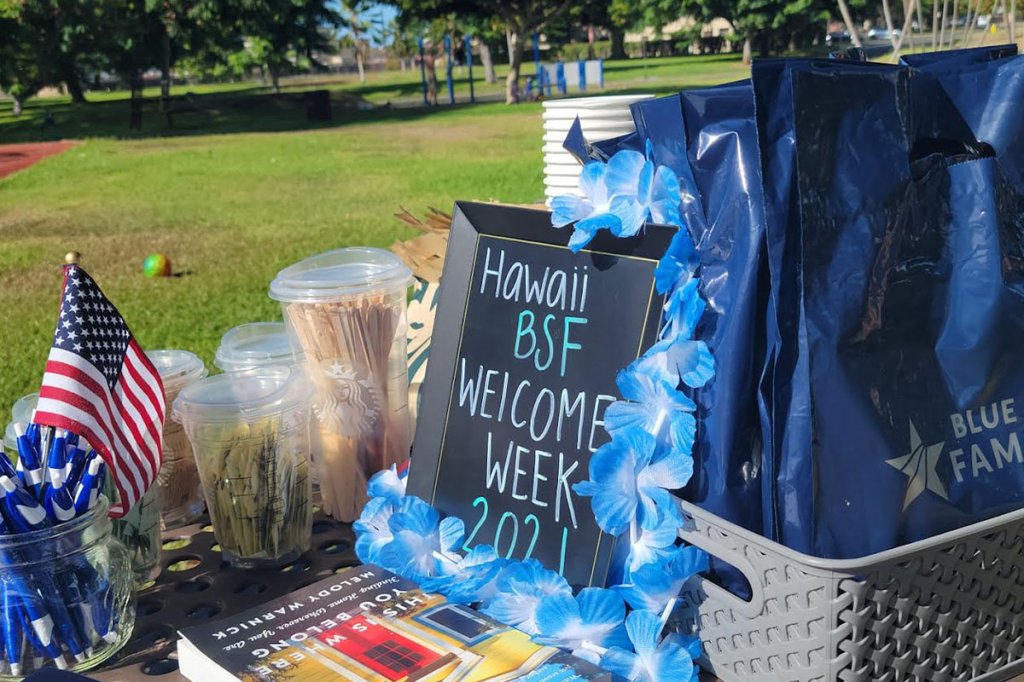
Blue Star Families Welcome Week is a nationwide effort to create connections for military families. Welcome Week encourages civilian communities and military families to get connected. According to the Blue Star Families 2024 Military Family Lifestyle Survey, “more than 70% of military families live off base in civilian neighborhoods, only 39% report feeling a true sense of belonging in their local communities.” This shows that connection is critical, and feeling valued by the local community creates a sense of belonging at every duty station.
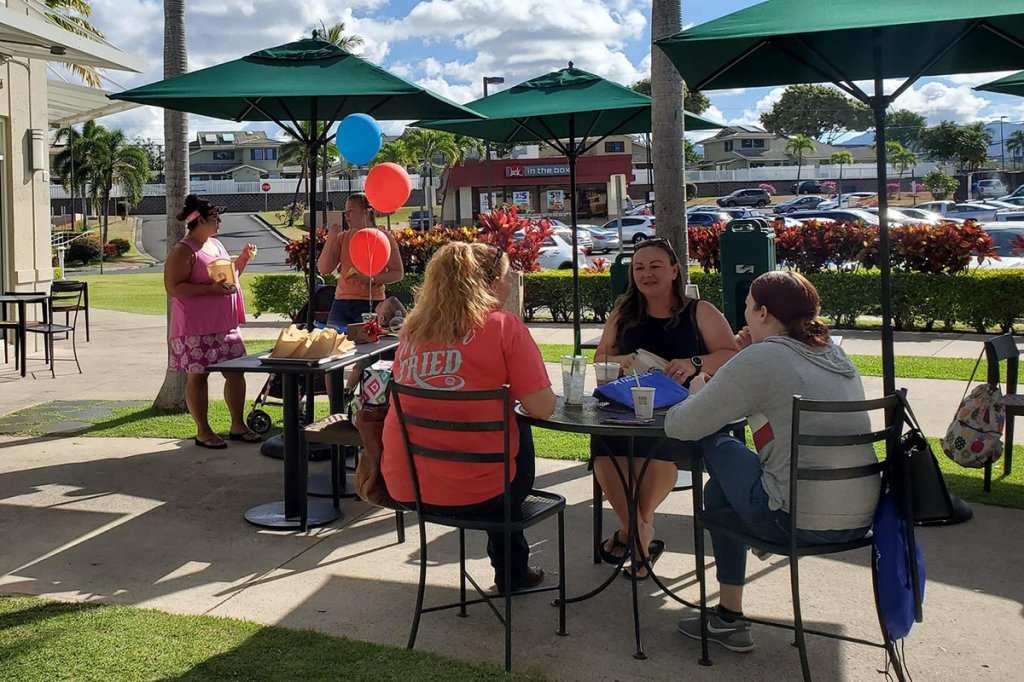
Welcome Week takes shape in many ways, from helping military kids meet classmates to exploring their local community and enjoying free access to parks and museums. Blue Star Families programs like their Blue Star Families Outdoors, Blue Star Museums, and Coffee Connections are leading the way in community outreach and bridging the gap between civilian and military communities. Blue Star Families also offers different chapters nationwide where you can find in-person resources and support through locally hosted events. Find your local chapter today.
Yes, logistics are essential parts of a PCS, but we should never overlook the power of belonging. Frequent moves and the uncertainty of military life need support and essential readiness. Connection is not a luxury; it is a critical part of the mission, and the PCS Task Force, MIC3, and Blue Star Families Welcome Week are showing up in full force.
Find ways to stay connected, informed, and involved. Learn more by checking out the PCS Joint Task Force website. Service members, civilians, and their families can also call 833-MIL-MOVE (833-645-6683) or email PCSCallCenter@mail.mil.
Don’t Miss the Best of We Are The Mighty
• The inside joke names soldiers have for different unit patches
• 6 of the goofiest military myths and urban legends
• This free program teaches aspiring veteran politicians how to run for office


Loading comments…
Comments couldn’t be loaded. Please refresh the page.