
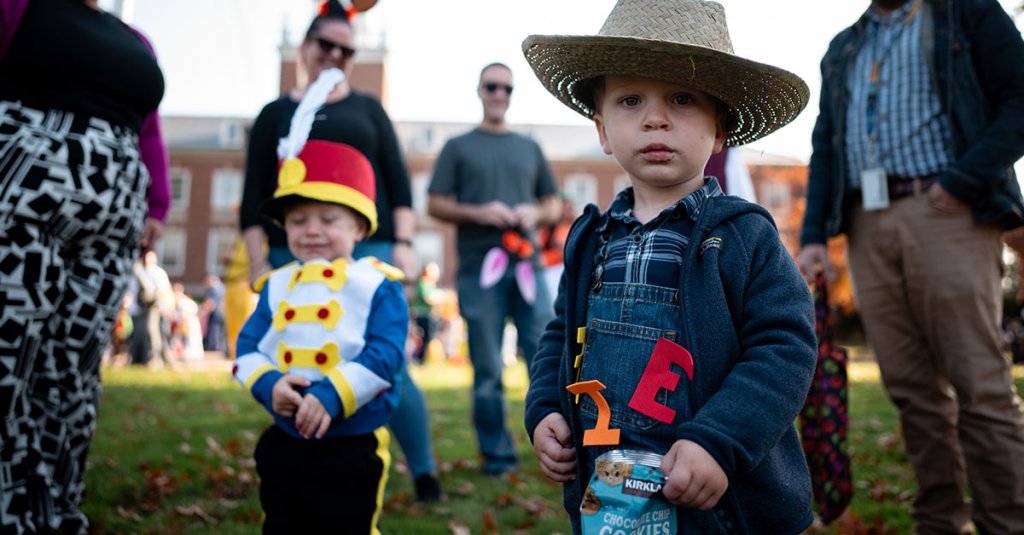
Since trick-or-treating became popular in the United States in the early to mid-1900s, it’s likely that the practice has been done on military bases. Today, families often have a choice if they would like to live on a base, but that wasn’t always the case. And today’s families say trick-or-treating is safer in the controlled environment of their base.
It’s also a way to interact with one’s neighbors, whether or not you’ve already been acquainted. Besides, depending on where you’re located, it may be the only option, rather than traveling far from home in order to catch some treats.
Related: 4 Revolutionary War ghosts that refuse to die
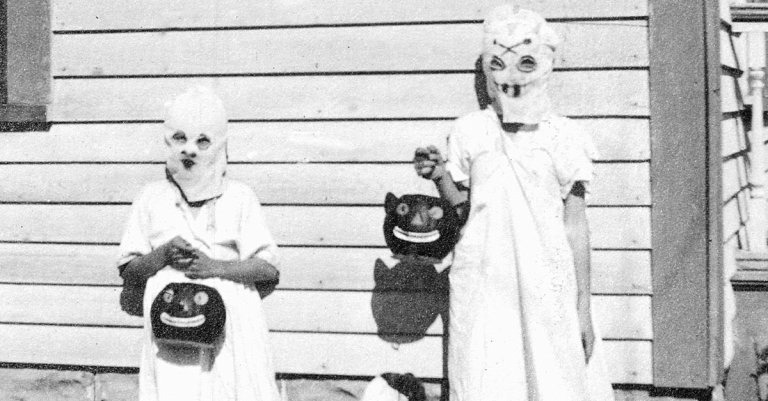
However, trick-or-treating on or off military bases has become more than just the idea of costumes and candy. Previously, it was considered something more ornery, with greetings like “soap or eats,” where pranksters would use bars of soap to cover windows if not given something by the resident. Another popular prank involved removing stop signs, which could cause wrecks.
However, it’s no surprise that these types of antics would not be tolerated at a military base, whether done by youngsters or not. Therefore, military bases became an early adopter of more kid-friendly steps, like handing out treats and organizing daytime events.
In addition, after World War II, one-room schools began to consolidate, leading to larger schools, more friendships for children, and a need for larger, organized events, including those that covered Halloween.
Today, military base populations join together to make all-out events for children and the entire military family. That includes elaborate décor, haunted houses (or haunted barracks or battalions), and truck-or-treat events with prizes for the best-themed vehicle.
There are also many reasons military families would want to stay on base, aside from convenience. For instance, when new to an area, folks may not know which portion of a town is safest. Or if overseas, there may be different Halloween customs that are unknown to Americans. Staying on base eliminates these issues from becoming a problem.
With the promise of morale involved, high-ups go all-in by asking members to bring candy, plan entertainment, and encourage involvement.
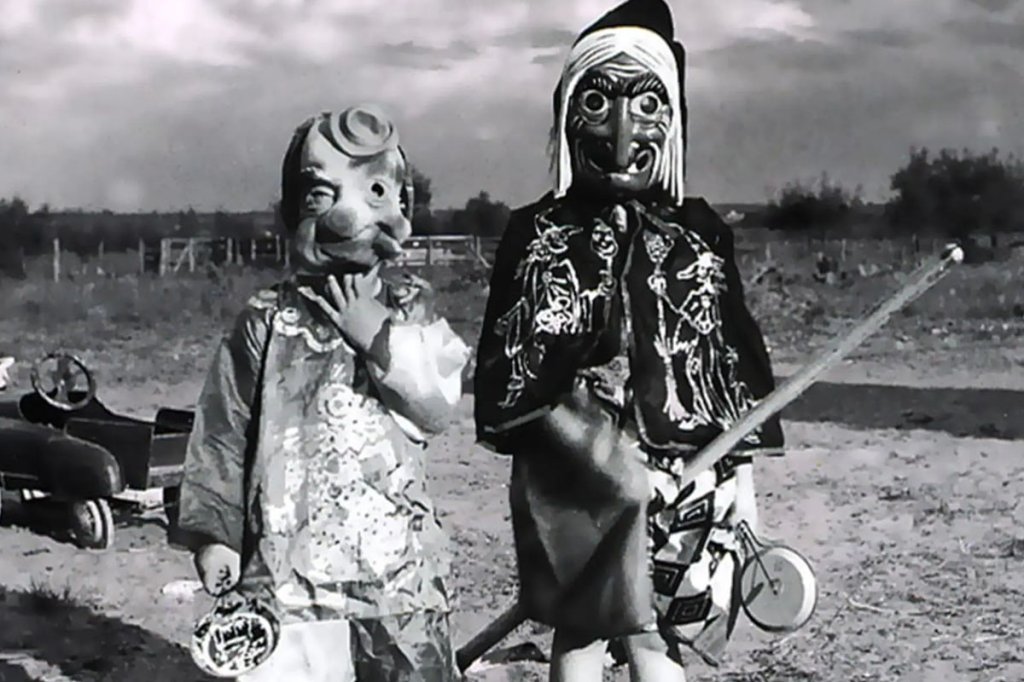
In the 1970s and 1980s, Halloween got a bad rap when rumors about homemade treats laced with drugs made their rounds. They were most likely started after a 5-year-old boy found his uncle’s heroin stash and ingested enough to overdose on the substance. In light of this, military families saw remaining on base as one more step toward safety; soldiers and their families were less likely to have drugs than the general population.
The trend shifted nationally in the 1990s when it was deemed safer and more convenient to meet at a location, rather than knock door-to-door. Then in the 2010s, the Sergeants Major Academy started its own trick-or-treat event, which draws in more than 2,500 people and hands out more than 2,000 pounds of candy each year. Free to the public, the event provides entertainment for guests and candy for kids, including military brats.
In the 1930s, candy manufacturers began releasing “fun-size” versions of their best-sellers. First, it was Baby Ruths and Butterfingers, which made “Buddie” and “junior” sizes of their bars, then Hershey’s released miniatures, before Mars finally joined the club in the 1960s. That’s when manufacturers began marketing the small sizes as Halloween treats, which could easily be passed out to kids. Prior to that, Halloween treats had largely been homemade. However, buying candy became more convenient, long before the idea of homemade items was deemed unsafe.
Don’t Miss the Best of We Are The Mighty:
• DNA science and public databases offer a new way to identify soldiers’ remains
• Some US troops reportedly saw Bigfoot in Vietnam
• 4 creepy ghost stories from the Vietnam War
Loading comments…
Comments couldn’t be loaded. Please refresh the page.