
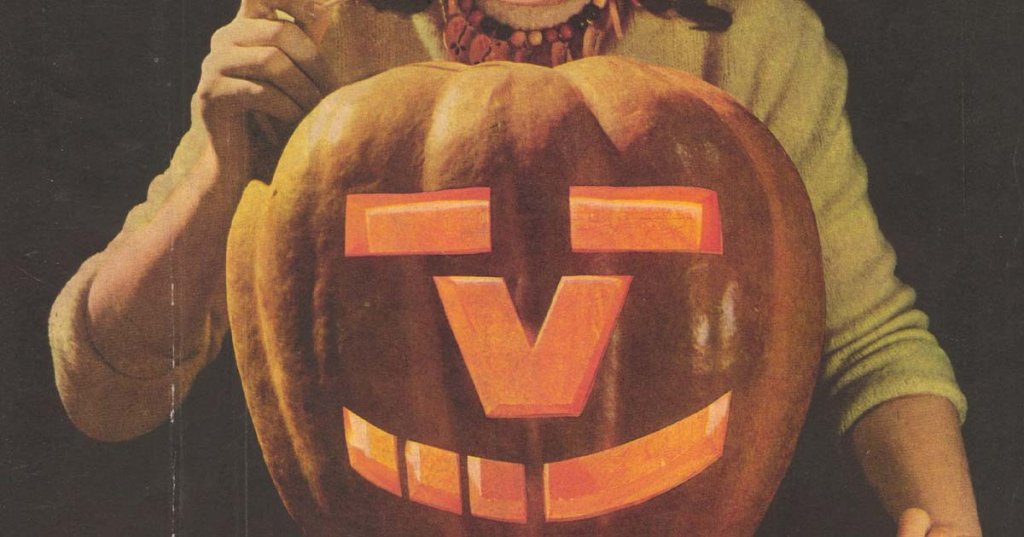
In the months before the spooky season of 1941, the United States experienced a drought on one of Halloween’s biggest commodities: sugar. It was an existential threat to trick-or-treaters across the nation.
Between agricultural workers fighting in the war and attacks on tropical climates like the Philippines and Puerto Rico, in December of 1941, American sugar supplies landed on the chopping block—record scratch—in addition to the two-front war.
Soon, the U.S. halted all sugar sales and developed a rationing plan. Bottoming out at a third of the former sugar imports, families were forced to register and use ration books to receive goods such as coffee, meats, and other essential foods. This, of course, included delicious sugar.
Up to eight family members could receive 26 pounds of sugar over a 56-week period. That might sound like a lot of sugar in pure form, but it was half the per-person use at the time. And it didn’t account for treats, especially on candy-based holidays like Halloween.
Because there wasn’t enough to go around, Americans had to get creative. Kids still went door to door, but rather than receiving homemade sweets, they got more creative foods. Homeowners passed out peanuts, coins, or other treats made with sugar substitutes, such as popcorn balls cured with Karo syrup, as well as fruit and small toys to trick-or-treaters.
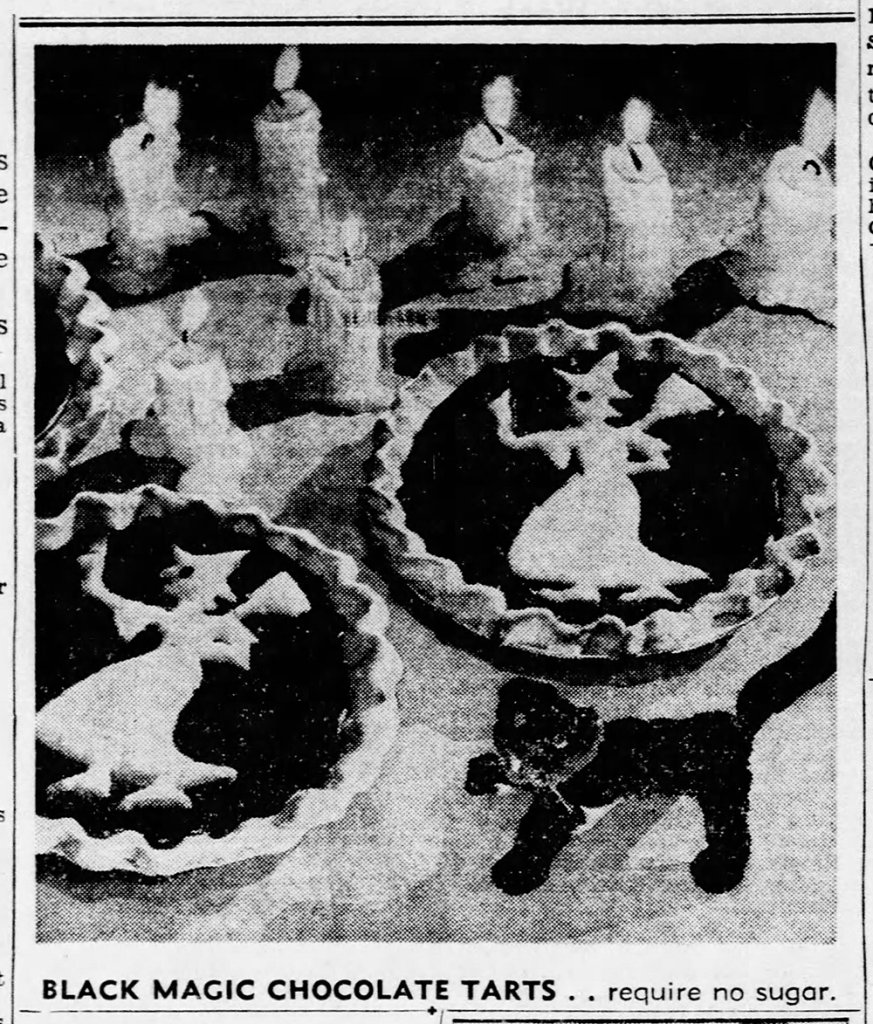
Newspapers printed “ration-friendly” recipes that included sugar substitutes, like condensed milk or syrup.
Meanwhile, candies like M&Ms or mints were better suited to withstand harsh conditions, such as temperature changes or travel, and were saved for soldiers. It was marketed as a form of patriotism to send candy to the troops, while cooking with a sugar alternative—or simply finding a way to do without—was seen as a way to help your country in a time of war.
These traditions continued throughout the war, and intensified as rations became stricter. On February 1, 1945, sugar rations were reduced to 20 pounds per person for 56 weeks, then to 15 pounds on May 1st of that year. That averaged at 4.5 ouces per week, or 5/8 of a cup. Initially, those who canned their own food were allotted more sugar, but this practice was soon discontinued.
This meant even fewer sweet treats for kids, or those of any age. In fact, the consensus was that sugar was first allocated to the war effort (and to soldiers), and then what was left could be made available to the general public.
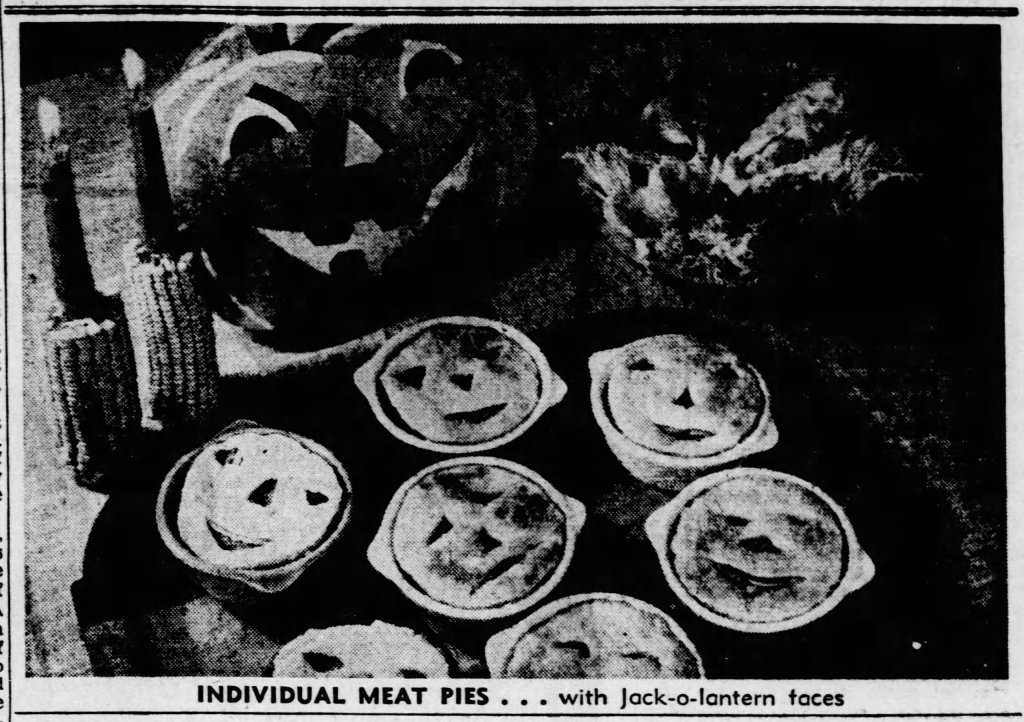
Throughout the late 1940s, these alternative gifts or savory foods were considered the norm for Halloween and trick-or-treating.
However, once sugar was again in full supply, candy makers saw an opportunity for money. And they cashed in. Through major marketing efforts—and likely purchased by a generation that was robbed of their own candy—Halloween became synonymous with trick-or-treating once again.
It’s worth noting that the Great Depression also meant fewer treats, which led to the rise of tricks. However, once those youngsters were old enough to be on the other side of the door, treats became more readily available.




Loading comments…
Comments couldn’t be loaded. Please refresh the page.